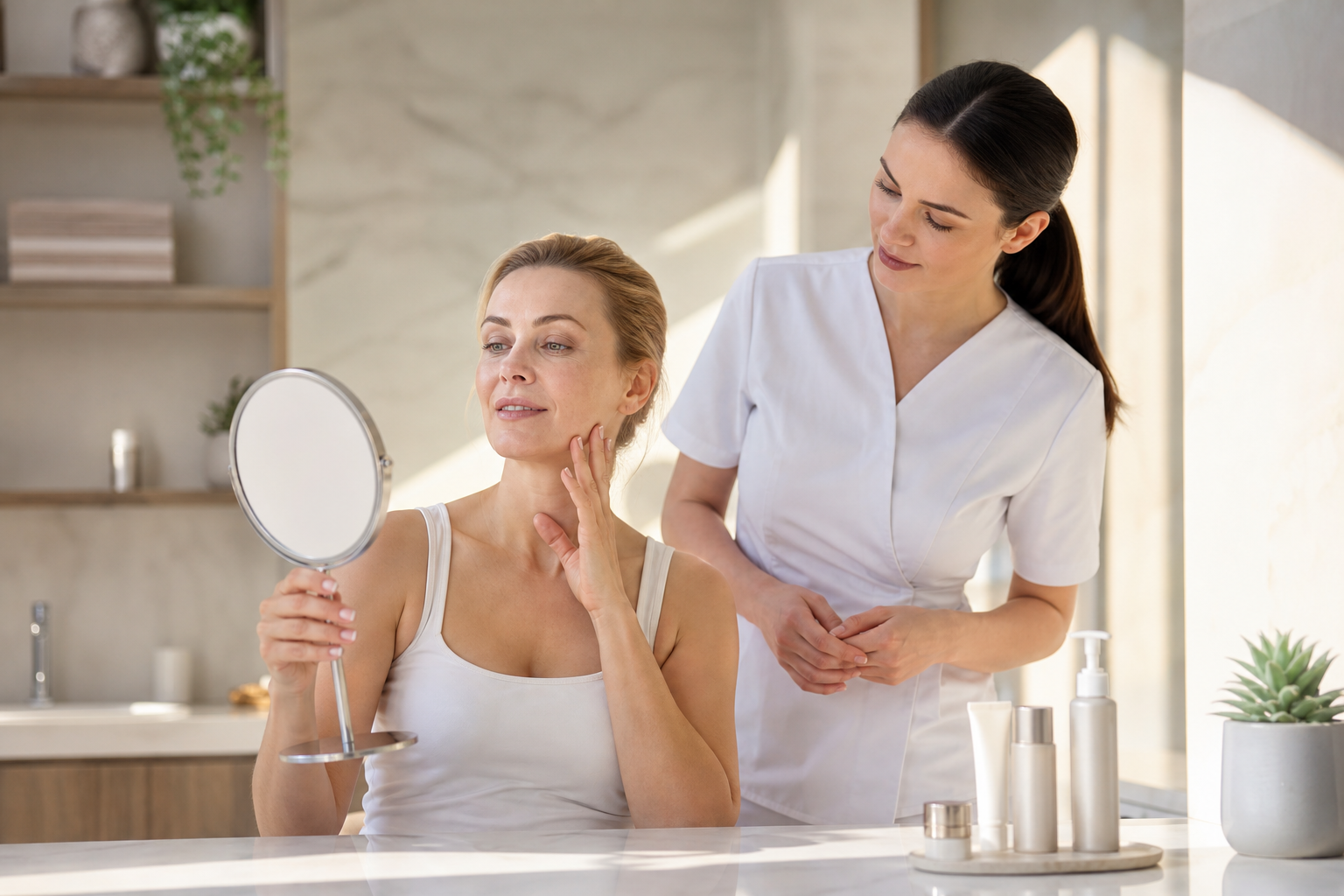
Laser rejuvenation has emerged as one of the most sought-after aesthetic treatments for refreshing and restoring youthful skin appearance. Increasingly, individuals concerned about visible signs of aging—such as wrinkles, uneven skin texture, pigmentation irregularities, and skin laxity—seek laser treatments as a scientifically-backed, minimally invasive solution. Understanding the trajectory of laser rejuvenation results, specifically when improvements become apparent and the duration of these effects, is essential for anyone considering this procedure.
This article is intended for individuals contemplating laser skin rejuvenation for the first time, as well as those who have undergone one or multiple treatments and wish to understand how to maximize and maintain their results. Gaining insight into the biological processes triggered by laser therapy and the nuances between different laser modalities can help set realistic expectations, avoiding overhyped promises that often circulate in marketing materials.
At its core, laser skin rejuvenation stimulates collagen remodeling and activates the skin's natural regenerative mechanisms. Unlike instant fixes, these processes unfold gradually over weeks or months. Further complexity arises from the fundamental distinctions between ablative and non-ablative laser methods, each varying in intensity, recovery time, and outcomes. This editorial explores these facets comprehensively, aiming to equip readers with a clear perception of what to expect from laser rejuvenation results and their longevity.
Understanding the True Nature of Laser Rejuvenation Results
Results from laser skin rejuvenation treatments are multifaceted and individualized, making it important to differentiate clinically verified benefits from inflated marketing claims. True laser rejuvenation success lies in improved skin quality achieved through enhanced collagen synthesis and tissue remodeling, leading to noticeable changes in skin texture, elasticity, and overall tone.
Clinically, laser treatments reduce wrinkle depth, even out pigmentation, and increase skin vascularization, resulting in a more vibrant and youthful appearance. However, these improvements do not manifest immediately after the procedure. Typically, visible changes evolve over several weeks to months as the skin undergoes sequential phases of healing and collagen production.
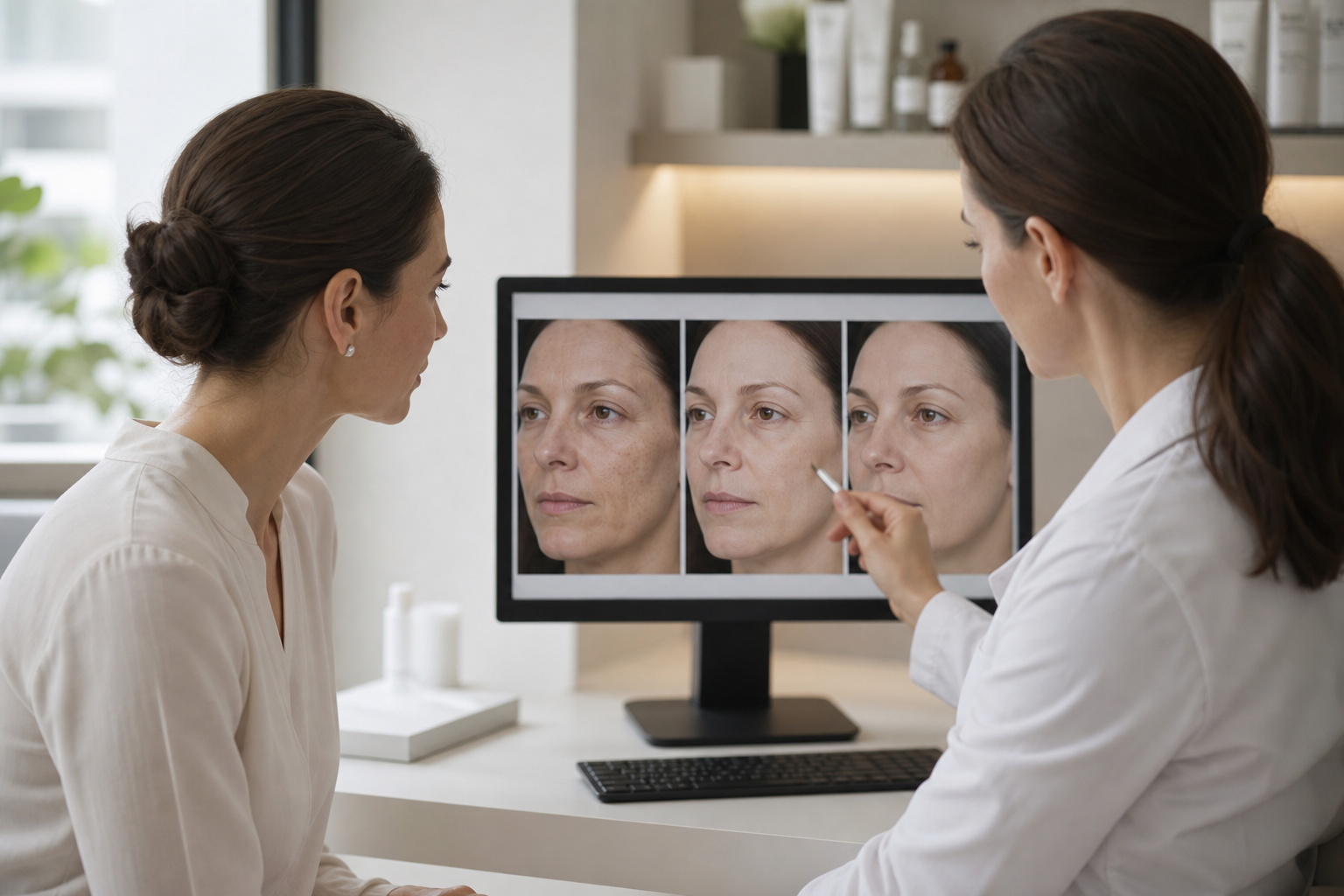
Before-and-after photographs are often utilized to demonstrate results but should be interpreted cautiously. Variations in lighting, facial expression, camera angles, and post-processing can skew the perception of improvement. While these images provide helpful orientation, they do not serve as absolute proof of outcome, underscoring the importance of patient consultation and clear communication.
When Can You Expect to See Initial and Peak Laser Rejuvenation Results?
The timeline for visible results following laser skin rejuvenation is influenced by multiple factors, including the type of laser used, treatment depth, patient skin characteristics, age, and baseline skin health. Generally, subtle improvements become noticeable within two to four weeks post-treatment.
For ablative lasers, which remove the outermost skin layers and provoke a robust repair response, initial results may be observed sooner in the form of improved texture and tone; however, the skin requires a longer healing phase. Peak results commonly appear between two to three months as collagen networks mature and skin remodeling stabilizes.
Non-ablative lasers work by heating dermal layers without disrupting the surface epidermis, stimulating collagen synthesis gradually and with minimal downtime. Their effects tend to accumulate over multiple sessions, with incremental changes noticeable over a longer timeframe. Patience is crucial here, as the skin gradually regains resilience and luminosity without the acute recovery period associated with ablative methods.
It's important to note that while some enhancements in skin smoothness and pigmentation can be detected early, the synthesis of new collagen and comprehensive dermal renewal underpin the most meaningful and lasting results, which materialize progressively.
Factors Influencing the Longevity of Laser Rejuvenation Effects
The durability of laser rejuvenation outcomes varies widely among individuals and cannot be universally pinned to fixed durations. Rather than halting intrinsic aging processes, laser therapy improves skin structure temporarily by boosting collagen production. Genetics, lifestyle, and environmental exposure all modulate how long these benefits persist.
Common factors that affect longevity include ultraviolet radiation exposure, smoking habits, dietary quality, hydration, and overall skin care routine. Skin that is well-protected and nurtured tends to maintain enhancements for extended periods.
The treatment approach also plays a role—single laser sessions may yield noticeable but shorter-lived improvements, whereas structured treatment courses involving multiple sessions support deeper remodeling and prolonged effects.
Regular maintenance treatments, complemented with diligent skin care, notably sunscreen application and moisturization, are essential to uphold results. Such integrative regimens help sustain skin firmness, even tone, and radiance well beyond the initial months.
Distinguishing Between Ablative and Non-Ablative Laser Treatments: Results and Recovery
A clear understanding of ablative versus non-ablative laser technologies is vital to comprehend how results and recovery differ. Ablative lasers function by vaporizing the superficial skin layers, prompting accelerated regeneration of fresh epidermis and collagen remodeling in the dermis. These treatments offer more dramatic improvements in wrinkles, scars, and pigment irregularities but are accompanied by longer healing intervals characterized by redness, swelling, and possible flaking lasting from several days up to two weeks.
Conversely, non-ablative lasers pass thermal energy into underlying tissues without impairing the skin surface, invoking collagen production with minimal or no visible damage. Results are subtler and become apparent after multiple sessions. The major advantage is negligible downtime, enabling patients to resume daily activities immediately and avoid the discomfort associated with ablative recovery.
The choice between methods should weigh the desired degree of rejuvenation, skin type, tolerance for downtime, and consultation with a qualified specialist.
Planning Your Laser Rejuvenation Journey: Single Sessions Versus Series of Treatments
Laser skin rejuvenation is often implemented as a course of treatments spaced over several weeks, typically three to six sessions. This regimen ensures cumulative effects through progressive collagen induction and skin remodeling, achieving a more profound and consistent improvement than a standalone procedure.
Initial consultations typically involve customized treatment planning based on skin assessment and patient goals. Single treatments may deliver appreciable enhancement, serving either as an introduction to laser therapy or as an adjunct to other skin care measures.
However, comprehensive rejuvenation, especially for moderate to severe aging signs, generally benefits from serial interventions. This staged approach allows for monitoring therapeutic response and adjusting parameters to optimize safety and effectiveness while minimizing adverse reactions.
Expectations During Recovery and Strategies for Maintaining Results
Post-treatment experiences vary according to the laser type administered. Ablative procedures commonly entail redness, swelling, and peeling that can last between five and ten days, necessitating skin nourishment, hydration, and diligent sun avoidance. Non-ablative treatments have a negligible recovery window, often sparing patients from any downtime.
Preserving the gains from laser rejuvenation demands an ongoing commitment: using sunscreens with high UV protection, applying moisturizers to maintain skin barrier integrity, and potentially incorporating cosmeceuticals formulated to support collagen synthesis and antioxidant defense.
Long-term maintenance may include periodic touch-ups advised by dermatologists or laser specialists to sustain youthful skin status. Additionally, a holistic lifestyle emphasizing balanced nutrition, hydration, avoidance of smoking, and physical activity complements and reinforces laser therapy benefits.
Addressing Common Questions About Laser Rejuvenation Results
A recurring inquiry revolves around the number of treatments required to realize significant rejuvenation. Recommendations often range from three to six sessions; however, individual skin condition and laser type factor into this guidance.
Another prevalent question relates to the permanence of results. While laser treatments cannot arrest biological aging, they enhance skin quality for one to multiple years when paired with prudent skincare and lifestyle choices.
Return to normal activities after laser therapy depends on the method: non-ablative procedures allow immediate resumption, but ablative therapies necessitate several days of recovery marked by visible skin changes.
Laser rejuvenation can effectively diminish moderate wrinkles, but deep crease correction may require combination approaches, such as fillers or neuromodulators, for optimal contouring.
Seasonal timing matters as well; summer treatments are generally discouraged to reduce risks of hyperpigmentation and delayed healing caused by intense sun exposure.