Capillaries are the tiniest blood vessels in our bodies, playing a crucial role in delivering oxygen and nutrients to tissues while removing metabolic waste. These microscopic vessels form an intricate network just beneath the skin's surface, typically invisible to the naked eye. However, factors like sun exposure, particularly ultraviolet (UV) radiation, can affect their structure and function, leading to visible changes that are both cosmetic concerns and potential indicators of vascular health issues.
This article explores the relationship between capillaries and sun exposure, focusing on how UV radiation impacts blood vessels in the skin. Whether you are concerned about the appearance of facial capillaries, interested in understanding the underlying causes of their visibility, or considering advanced laser treatments to address redness and visible vessels, this comprehensive guide aims to clarify the mechanisms, risks, and management strategies.
Understanding how capillaries respond to sun exposure is essential not just for cosmetic reasons but also for maintaining skin health and vascular integrity. Visible capillaries on the face, often manifesting as red lines or patches known as telangiectasias, or as spider veins on the legs, arise due to changes in the vascular system influenced by external and internal factors including UV radiation. Knowledge about these interactions can enhance prevention efforts and inform treatment choices, ensuring better results and longer-lasting skin health.
What Are Capillaries and How Do They Function in the Skin?
Capillaries are the smallest type of blood vessels, with diameters just wide enough for red blood cells to pass through in single file. Their primary function is to facilitate the exchange of gases, nutrients, and metabolic waste between the bloodstream and surrounding tissues. In the skin, capillaries form a delicate and dense network just beneath the epidermis, maintaining skin vitality and temperature regulation.
Healthy capillaries possess resilient and flexible walls that adapt to changes in blood pressure and environmental conditions. This elasticity is essential for accommodating fluctuations caused by factors such as temperature shifts, physical activity, or inflammatory stimuli. When functioning properly, capillaries are not visible through the skin’s surface; however, damage or abnormalities can cause them to dilate or rupture, resulting in visible blood vessels.
The structural integrity of capillary walls depends on various cellular components, including endothelial cells lining the vessels and supportive connective tissue. These elements can be compromised by extrinsic factors such as UV radiation from the sun, harsh environmental conditions, or lifestyle habits like smoking. Intrinsic factors such as genetics, aging, and hormonal changes also contribute to capillary health and visibility.
How Does UV Radiation Affect Capillaries and Blood Vessels in the Skin?
Ultraviolet radiation encompasses UVA and UVB rays, both of which penetrate the skin to varying depths. UVA rays infiltrate deeper into the dermis, the skin layer housing capillaries and other blood vessels, whereas UVB primarily affects the superficial epidermis. Prolonged or intense exposure to UV radiation can injure cells surrounding blood vessels, disrupting vascular function and skin structure.
Specifically, UVA radiation can degrade the collagen and elastin fibers that provide structural support to capillaries, leading to reduced elasticity and increased fragility of vessel walls. As a result, these tiny blood vessels are more prone to dilation and rupture. This degradation contributes to the formation of visible capillaries and redness, common signs of photoaging and vascular fragility induced by the sun.
Beyond direct structural damage, UV exposure triggers inflammatory responses in the skin. Inflammation leads to increased blood flow and permeability of capillary walls, causing the characteristic redness and swelling often associated with sunburn and rosacea exacerbations. Repeated inflammatory insults from UV radiation can result in chronic vascular changes, making the skin more susceptible to persistent telangiectasias and spider veins.
Furthermore, UV radiation stimulates the production of reactive oxygen species (ROS), highly reactive molecules that induce oxidative stress. This oxidative stress damages endothelial cells lining capillaries, further impairing vascular function and perpetuating a cycle of inflammation and tissue injury within the skin. The cumulative effects of UV-induced oxidative stress are key drivers of premature vascular aging.
Why Do Facial Capillaries Appear, and When Do They Rupture?
Facial capillaries may become visible due to a variety of factors that compromise their structural and functional integrity. A significant contributor is chronic sun exposure without proper protection, which weakens the vascular walls through mechanisms described above. Over time, these vessels can dilate permanently, leading to persistent redness and visible net-like patterns beneath the skin.
Genetics also play a vital role in determining capillary resilience. Individuals with fair skin types or a family history of vascular fragility are more prone to developing visible capillaries. Hormonal fluctuations, such as those occurring during pregnancy or with the use of certain medications, may exacerbate the tendency toward capillary dilation and rupture.
Exposure to sudden temperature changes, vigorous physical activity, alcohol consumption, and smoking can further stress capillaries. The cumulative effect of these triggers weakens vessel walls, increasing the likelihood that capillaries will rupture. When rupture occurs, blood leaks into the surrounding tissue, appearing as red spots or patches and contributing to uneven skin tone.
Facial capillaries that frequently rupture or become inflamed can contribute to chronic skin conditions characterized by flushing and redness, such as rosacea. Recognizing these triggers and managing exposure is important for both preventing new visible vessels and halting progression of existing vascular changes.
Distinguishing Between Telangiectasias, Spider Veins, and Other Vascular Changes
A clear understanding of the types of visible blood vessels aids in accurate diagnosis and treatment planning. Telangiectasias are small, dilated blood vessels visible near the skin’s surface, often presenting as fine red lines or spider web-like patterns predominantly on the face and sometimes on the legs.
Spider veins, known also as spider angiomas or reticular veins, are slightly larger and deeper than telangiectasias and frequently appear on the legs. They exhibit a more prominent branching network resembling a spider’s web. Unlike larger varicose veins, spider veins generally do not cause significant pain or discomfort but can indicate underlying venous insufficiency.
It is important to note that while telangiectasias and spider veins are related vascular phenomena, their causes and implications can differ. Facial telangiectasias often result from sun damage, skin inflammation, or systemic conditions affecting capillary walls, whereas spider veins on the legs are more commonly associated with mechanical venous valve failure leading to blood pooling and vein enlargement.
Visible Capillaries: Cosmetic Concerns and Health Implications
Visible capillaries and facial redness are often distressing cosmetic symptoms, impacting self-esteem and quality of life. These vascular changes can make the skin appear blotchy, uneven, and prematurely aged. For many, managing these visible elements is a primary motivation for seeking dermatologic consultation and therapy.
Beyond aesthetic considerations, visible capillaries may signal compromised vascular function and impaired skin barrier integrity. These changes can predispose the skin to heightened sensitivity, susceptibility to environmental irritants, and prolonged inflammation. Persistently damaged capillaries and repeated rupture can contribute to chronic skin conditions marked by redness and discomfort.
Thus, addressing visible capillaries necessitates a holistic approach that encompasses not only surface appearance but also underlying vascular and skin health. Proactive strategies aim to prevent progression, reduce inflammation, and restore skin resilience.
How Does Laser Treatment Work for Visible Vessels and Redness?
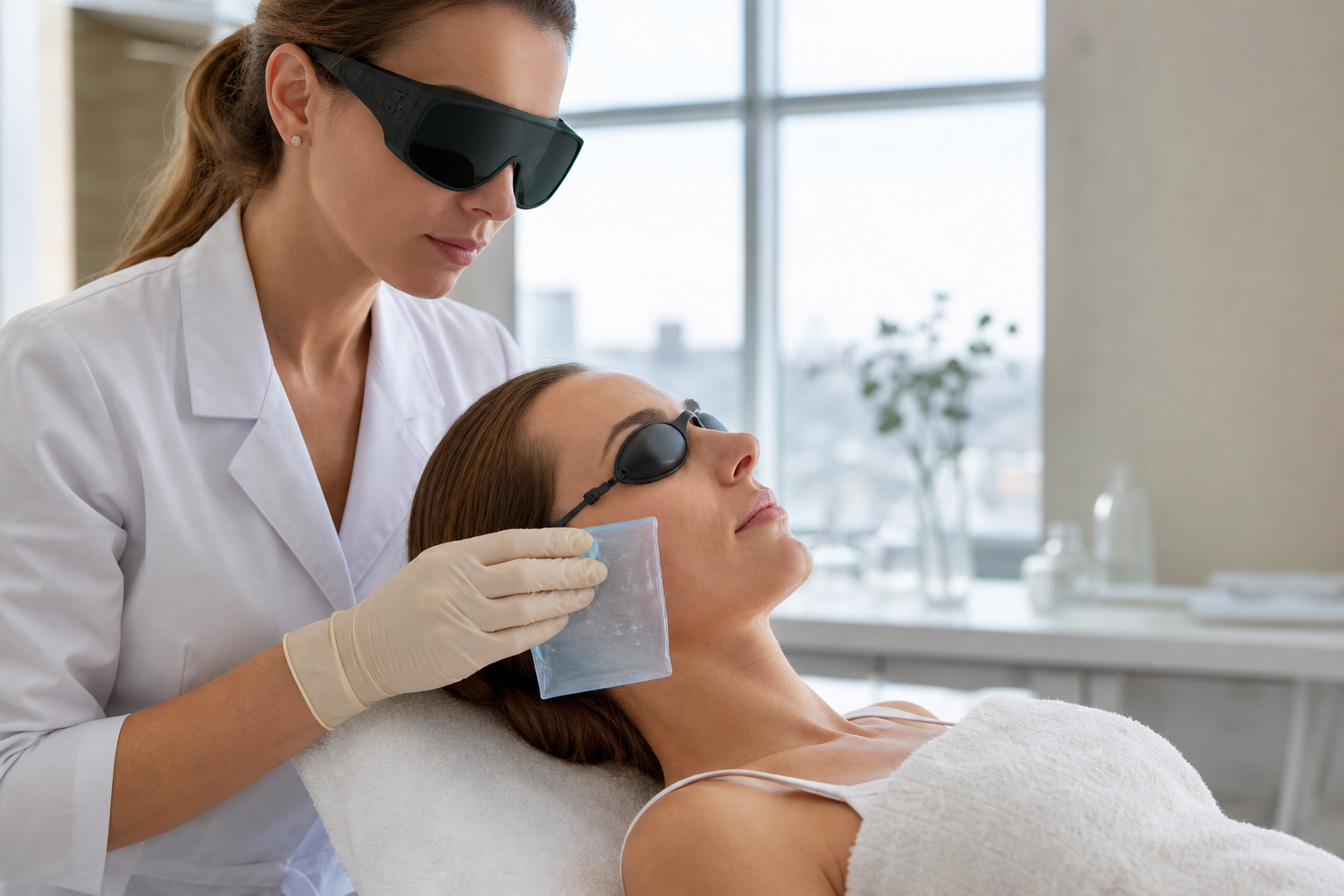
Laser therapies have become a cornerstone in managing visible capillaries, facial redness, and related vascular conditions. These treatments use specific wavelengths of light absorbed by hemoglobin in the blood, targeting the dilated vessels with precision. Unlike ablative lasers which remove skin layers, vascular laser treatments work by selectively heating and collapsing the abnormal capillaries, leading to their gradual resorption by the body.
Because lasers target blood vessels without damaging surrounding tissues, they provide a safe and effective option for reducing visible vessels and redness. The process results in marked improvement in skin tone uniformity and a significant reduction in vascular lesions. Treatments are typically performed in a series to achieve optimal outcomes.
Individuals with visible facial capillaries, telangiectasias, or mild spider veins on the legs may benefit from vascular laser treatment. However, it is important to note that while laser therapy can diminish existing vessels, it cannot entirely prevent the formation of new ones. Therefore, complementary preventive measures are essential to maintain results.
Preparing for and Recovering from Laser Treatment for Capillaries
Proper preparation before laser vascular treatment enhances safety and effectiveness. Patients should avoid sun exposure and tanning several weeks prior to treatment and apply broad-spectrum sunscreens consistently. Pre-treatment consultation includes skin evaluation to assess suitability and to discuss expected outcomes tailored to individual skin types and vascular conditions.
Following treatment, mild redness, swelling, or transient bruising may occur but typically resolve within a few days. Patients are advised to continue sun protection and use gentle skin care products to support healing. Avoiding extreme temperatures and vigorous exercise immediately post-treatment aids recovery.
Expectations should be realistic; while many experience significant improvements, multiple sessions are often necessary, and the possibility of recurring capillaries exists. Maintaining skin health through sun protection and lifestyle modifications is critical to prolong benefits.
How to Minimize UV Radiation Impact on Capillaries: Prevention and Daily Care
The cornerstone of preserving capillary health and preventing visible vessels is comprehensive sun protection. Daily application of broad-spectrum sunscreens with high SPF shields against UVA and UVB rays, reducing cumulative photo damage. Wearing protective clothing, wide-brimmed hats, and seeking shade during peak sunlight hours further reduces UV exposure.
Routine skin care tailored for sensitive and vascular-prone skin complements sun protection. Hydrating moisturizers enhance the skin barrier, while alcohol-free toners and anti-inflammatory ingredients soothe vascular irritation. Avoiding harsh scrubs and overly abrasive treatments prevents additional capillary trauma.
Additionally, lifestyle choices such as quitting smoking, moderating alcohol intake, managing body temperature fluctuations, and addressing underlying medical issues contribute to maintaining healthy capillaries. These measures, in combination with professional treatments when necessary, create a comprehensive strategy for vascular skin health.
Frequently Asked Questions About Capillaries and UV Exposure
Can capillaries reappear after laser treatment? Laser treatment effectively reduces visible blood vessels, but it does not guarantee permanent prevention of new capillaries. Lifestyle adjustments and sun protection are critical for reducing reappearance risk.
Is IPL the same as laser treatment for capillaries? Intense Pulsed Light (IPL) is not a laser; it uses a broad spectrum of light and can be effective for some vascular issues, but lasers provide more precise targeting for visible vessels and redness.
Are chin capillaries treated differently than facial capillaries? Treatment approaches are generally similar across facial areas, including the chin. However, the clinician may adjust parameters based on skin thickness and vessel characteristics in different zones.
Can lifestyle changes alone prevent visible facial capillaries? Preventive measures such as sun protection and avoiding known triggers can significantly reduce the risk but may not entirely prevent capillary visibility, especially if genetics or hormonal factors are involved.


