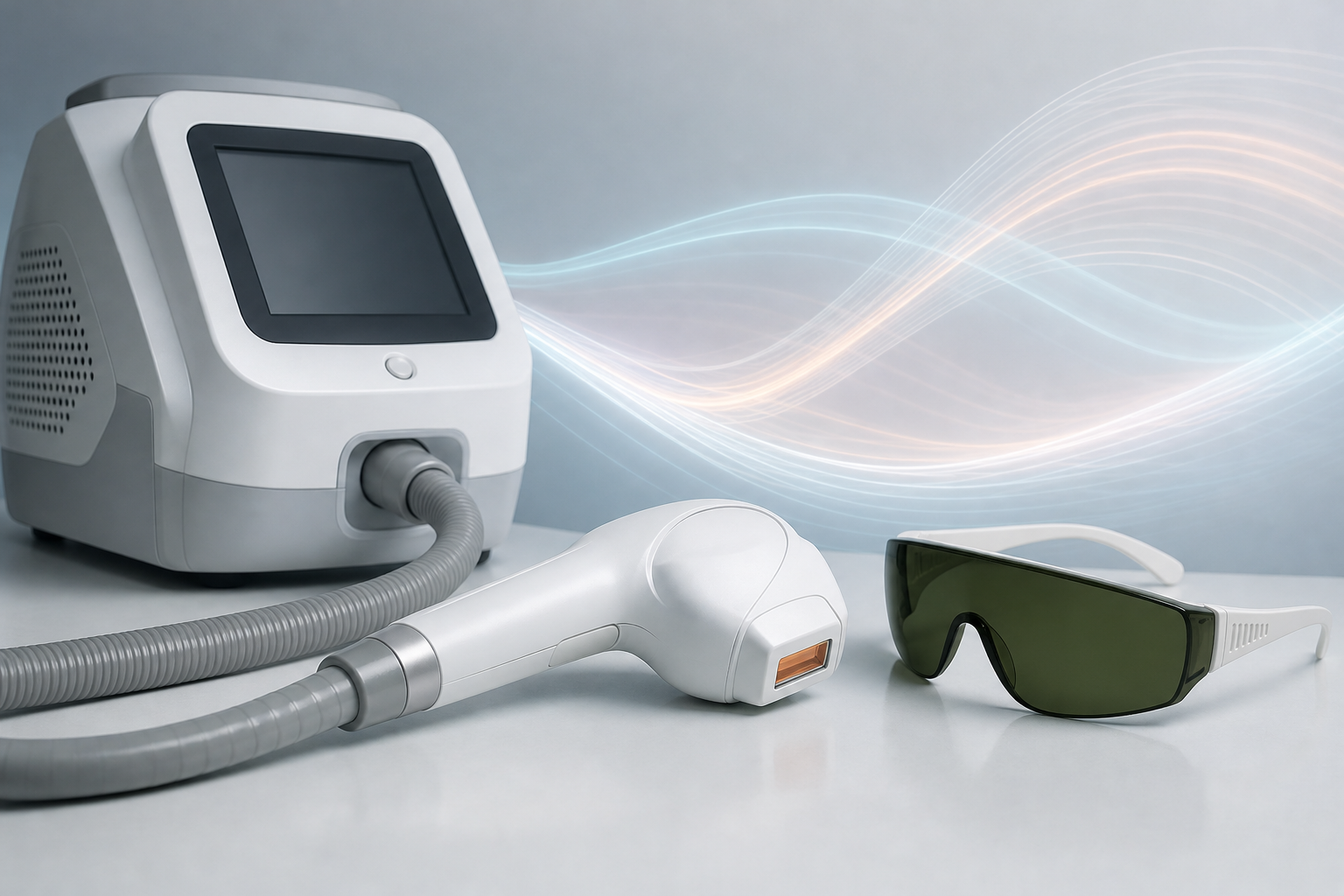
Arm laser hair removal is a precise, sophisticated cosmetic procedure aimed at reducing or permanently removing unwanted hair from the upper arms, forearms, and hands. As an increasingly popular option in aesthetic medicine, this treatment offers an appealing alternative to traditional hair removal techniques like shaving, waxing, or depilation, which typically offer only temporary results and can cause irritation or inconvenience. For individuals seeking a smooth, clean appearance along the arms without the continual upkeep, arm laser hair removal provides a compelling long-term solution.
This procedure is relevant for both men and women who desire effective hair reduction on these visible and frequently exposed areas. The arms are particularly noteworthy because of the natural variance in hair texture, density, and color from the upper arms to the forearms and hands, which influences treatment approach and outcomes. Moreover, skin phototype and sun exposure history play crucial roles in tailoring the method for safety and efficacy. Understanding the nuances of arm laser hair removal is vital for potential candidates to set realistic expectations, prepare adequately, and appreciate the benefits and limitations of this advanced technique.
In this comprehensive editorial, we will examine what arm laser hair removal entails, who it benefits most, how it works at a technical level, what to anticipate during each phase from preparation to aftercare, and the importance of recognizing realistic outcomes. Additionally, we will explore the critical distinctions between the various arm regions regarding hair characteristics and treatment challenges. With these insights, readers can make informed decisions about integrating this aesthetic procedure into their personal care regimen.
What Is Arm Laser Hair Removal and Why Is It Significant?
Arm laser hair removal is a cosmetic treatment that employs targeted laser technology to reduce or eradicate hair follicles' ability to regenerate hair. By delivering concentrated beams of light absorbed primarily by the pigment (melanin) in hair follicles, the laser converts light into heat. This heat selectively damages the follicular structures responsible for hair growth while sparing the surrounding skin tissues.
The significance of this procedure lies in its capacity to provide an enduring reduction of hair growth in a region highly exposed and often subjected to grooming. Unlike temporary methods such as shaving or waxing, laser hair removal strives to deliver a smoother surface with progressively diminishing hair volume and thickness over a course of treatments. This is particularly valuable for individuals experiencing frequent regrowth, irritation from other removal tactics, or seeking the convenience of reduced maintenance.
The visibility of arms year-round, particularly in warmer climates or seasons, accentuates potential cosmetic concerns related to unwanted hair. Additionally, the skin on arms can vary significantly in sensitivity and hair features, which makes personalized treatment planning essential. Successful arm laser hair removal not only improves skin aesthetics but may also enhance personal comfort and confidence.
Who Should Consider Laser Hair Removal for Their Arms?
Ideal candidates for arm laser hair removal are individuals who wish to achieve a lasting reduction of unwanted hair on their upper arms, forearms, or hands. This encompasses a broad demographic — from those with coarse, stubborn hair to individuals with lighter or finer hair types seeking improvement in hair density. Both men and women can benefit, though the treatment plan will be adapted according to their hair distribution patterns and skin characteristics.
Those who experience adverse effects from other hair removal methods, such as ingrown hairs, skin irritation, or frequent regrowth, often find laser treatment advantageous. Similarly, individuals aiming for convenience and a less time-consuming grooming routine may seek this procedure for its long-term benefits.
The effectiveness of laser hair removal is typically highest for persons with lighter skin tones and darker hair due to the contrast aiding laser targeting. However, advancements in laser technology now permit treatments across a wider range of skin phototypes and hair colors, albeit with varying degrees of expected efficacy. It is important to have a professional evaluation prior to commencing treatment to assess suitability, understand potential outcomes, and customize the approach for the individual's needs.
How Does the Arm Hair Type Influence Laser Treatment?
The arms are not uniform in hair type and density, requiring a nuanced approach to laser hair removal. The upper arms generally harbor finer, lighter hair compared to the forearms, which possess coarser and denser strands. The hands and fingers often have very thin and light vellus hair, posing particular challenges to laser efficacy due to lower melanin content.
Because laser energy targets melanin, coarser and darker hairs absorb more laser light, resulting in better follicular destruction. Conversely, fine, light, or gray hairs may absorb insufficient energy, rendering the treatment less effective or requiring additional sessions with specialized laser types.
This variability necessitates adjusting laser settings, such as wavelength, pulse duration, and energy output, for the specific arm region being treated. Properly mapping treatment boundaries and respecting natural hair distribution lines also improves precision and reduces the risk of skin irritation. The choice of laser device and parameters should be governed by a skilled clinician familiar with these intricacies.
What Are the Essential Preparations Before Undergoing Arm Laser Hair Removal?
Preparation is crucial to maximize treatment efficiency and minimize side effects. Patients are typically advised to shave the treatment area one or two days prior to the session. Shaving helps ensure laser energy targets the hair follicles beneath the skin rather than being wasted on hair above the surface, which can increase discomfort and reduce effectiveness.
It is important to avoid other hair removal methods that remove hair from the root—such as waxing, plucking, or epilation—for at least four to six weeks before treatment, as these can disrupt the hair growth cycle and reduce the number of follicles susceptible to laser damage.
Due to laser medicine's potential to affect pigmentation, patients should minimize sun exposure and avoid tanning beds at least two weeks before and after each session. Tanned or sunburned skin is more prone to adverse effects like burns or hyperpigmentation and may necessitate postponement of treatment.
Patients must inform their practitioner about any medications or supplements, particularly photosensitizing agents, and underlying medical conditions. On the day of treatment, the skin should be clean and free of lotions, creams, deodorants, or perfumes to prevent interference with the laser and avoid skin reactions.
What Sensations and Duration Can One Expect During Treatment?
During arm laser hair removal, individuals may experience a sensation often described as a mild stinging, snapping, or pinprick feeling, analogous to a rubber band snapping against the skin. Modern laser systems integrate cooling mechanisms—such as air cooling or chilled gel applicators—that significantly alleviate discomfort.
The sensitivity varies across arm regions, with the skin on the hands and fingers being thinner and more delicate, possibly causing slightly heightened sensations compared to the upper arms. However, these sensations are typically well tolerated and brief.
Each treatment session's duration depends on the extent of the area covered and the device used, generally ranging from 20 to 40 minutes to complete both arms, including upper arms, forearms, and hands. The laser is applied systematically to overlap targeted areas to ensure comprehensive coverage.
Post-treatment, hair shedding generally begins within several days to a week, progressing to a noticeable reduction over the following weeks. Given the hair growth cycle's phases, multiple sessions—usually spaced 4 to 6 weeks apart—are necessary to target hairs effectively during their active growth stage.
How Should One Care for Their Arms Following Laser Hair Removal?
Appropriate aftercare is vital to promote healing, reduce irritation, and protect the treated skin. Immediately after treatment, patients might observe mild redness, swelling, or a sensation similar to sunburn; these symptoms generally resolve within a few hours to two days.
To soothe the skin, applying a gentle, fragrance-free moisturizer or aloe vera gel can be beneficial. Cool compresses also help alleviate discomfort. Avoiding hot baths, saunas, or vigorous physical activity immediately post-treatment minimizes exacerbating irritation.
Sun protection is paramount after laser sessions. Patients should avoid direct sun exposure and use broad-spectrum sunscreens with high SPF on treated areas for several weeks to prevent pigmentary changes.
Additionally, it is important not to scratch, exfoliate aggressively, or remove hairs manually while the skin is healing, allowing the hair to shed naturally. Should any unusual skin reactions occur, consultation with the treatment provider is advised.
What Are Reasonable Expectations Regarding Results?
While arm laser hair removal can achieve significant reductions in hair density—often up to 80-90% after a full course of treatment—it is important to recognize that it may not guarantee complete, permanent hair removal for every individual. Factors influencing outcomes include hair and skin color, hair follicle characteristics, hormonal influences, and adherence to the treatment schedule.
The typical protocol involves six to eight sessions spaced out over several months to accommodate the different growth cycles of hair follicles. Maintenance treatments may be necessary to address any new growth or hormonal changes over time.
Being realistic about possible results helps set appropriate expectations and contributes to patient satisfaction. Full cessation of hair growth is less common than substantial reduction, which itself often suffices for the desired aesthetic and practical improvements.
What Precautions Should Be Taken Regarding Sun Exposure and Skin Type?
Sun exposure before and after the treatment is a critical factor in safety and aesthetic outcomes. Since melanin in the skin competes with hair follicles for laser energy, suntanned or sunburned skin can absorb more laser energy, raising risks of burns, blisters, pigmentation changes, or hypopigmentation.
Individuals with different Fitzpatrick skin phototypes require tailored laser parameters and cautious approaches to minimize adverse effects. Darker skin tones contain more melanin, which can interfere with laser selectivity and increase risk, though specialized lasers have improved options for these patients.
Thus, it is recommended to avoid sunbathing, tanning beds, and prolonged outdoor exposure without sun protection for at least two weeks prior to the treatment and several weeks following each session. Where sun exposure is unavoidable, broad-spectrum sunscreens, protective clothing, and shade should be employed diligently.
Why Is a Professional Consultation Important Before Starting Treatment?
Initial consultation with a qualified laser specialist is essential to evaluate the suitability of arm laser hair removal. This assessment includes examining hair type, skin phototype, medical history, and any contraindications such as photosensitizing medications or skin conditions.
During this appointment, realistic goals are discussed, and the treatment plan—including expected number of sessions, intervals, and maintenance—can be formulated. The specialist also explains preparation steps, possible side effects, and post-treatment care to ensure informed consent.
Choosing an experienced practitioner is crucial for optimizing safety and effectiveness. Proper technique and laser type adjustment greatly influence outcomes and minimize complications. Moreover, professionals adhere to hygienic and regulatory standards for the patient's well-being.
How Does Arm Laser Hair Removal Compare to Other Body Areas?
Arm laser hair removal shares similarities with treatments on other body areas but presents unique considerations due to the distinct hair characteristics and skin properties along the upper arms, forearms, and hands. Compared to areas like the underarms or face, arm hair may vary more in thickness and pigmentation, often requiring variable laser intensities.
Some regions, such as the upper lip or chin, often feature more stubborn hair with differing growth cycles, influencing the treatment schedule differently. The hands, with their delicate skin and fine hairs, present particular challenges akin to facial treatments.
The broader field of Laser Hair Removal by Body Area offers insights into how protocols adapt to regional differences across the body, including Laser Hair Removal for the Face, Upper Lip Laser Hair Removal, Chin Laser Hair Removal, Neck Laser Hair Removal, Underarm Laser Hair Removal, Abdominal Laser Hair Removal, and Back Laser Hair Removal. This context helps patients understand the specialized approaches required for each zone.


