In the rapidly evolving field of aesthetic medicine, radiofrequency (RF) treatments have emerged as a cornerstone for non-invasive skin rejuvenation and tightening. Among these, two modalities frequently draw attention due to their effectiveness and distinct techniques: classic RF and RF microneedling. While they share a foundational approach—leveraging radiofrequency energy to stimulate the skin’s natural regenerative processes—their mechanisms, suitability, and safety profiles diverge significantly.
This article is dedicated to unravelling the nuances between classic RF and RF microneedling treatments. It is intended for anyone considering radiofrequency-based procedures, whether dermatology patients seeking to improve skin laxity or aesthetic professionals aiming to deepen their understanding and guide clients effectively. Knowing the fundamental differences not only sharpens the decision-making process but also ensures alignment with individual goals, skin types, and risk tolerance.
We will explore the science underpinning RF lifting, detail each treatment's methodology, and discuss who stands to benefit the most. Additionally, safety considerations—including the recent attention from the FDA regarding RF microneedling—will be highlighted. By presenting a transparent, thorough comparison, readers can confidently navigate their options in pursuit of a firmer, more youthful appearance.
What Is RF Lifting and How Does It Function?
Radiofrequency lifting, broadly known as RF skin tightening, harnesses controlled radiofrequency waves to heat targeted layers of the skin beneath the surface. This carefully delivered thermal energy stimulates fibroblast activity, prompting enhanced production of collagen and elastin—the essential proteins responsible for skin’s firmness and elasticity.
This increase in collagen and elastin fundamentally revitalizes the skin's structural matrix, resulting in progressive tightening and smoothing over time. Unlike surgical facelifts, RF lifting is non-invasive, meaning it involves no incisions, minimal discomfort, and virtually no downtime. Its versatility enables treatment on both the face and body, addressing common aesthetic concerns such as mild to moderate skin laxity, fine lines, uneven texture, and certain types of scarring.
The technique's appeal lies in this low-risk profile coupled with natural-looking improvements, making it suitable for individuals seeking gradual but visible rejuvenation without the risks or recovery time associated with surgery.
How Does Classic RF Differ Technically and Mechanistically from RF Microneedling?
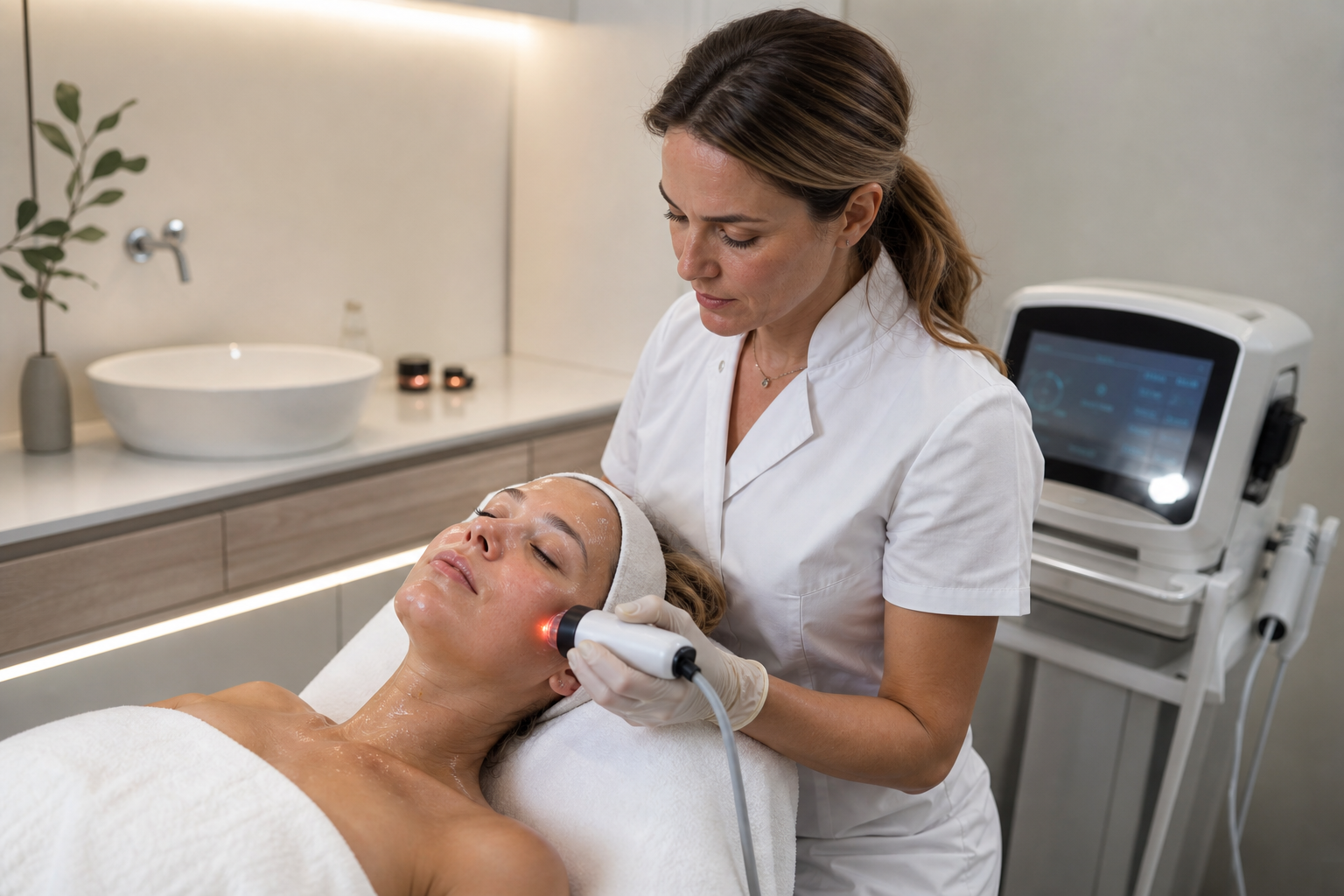
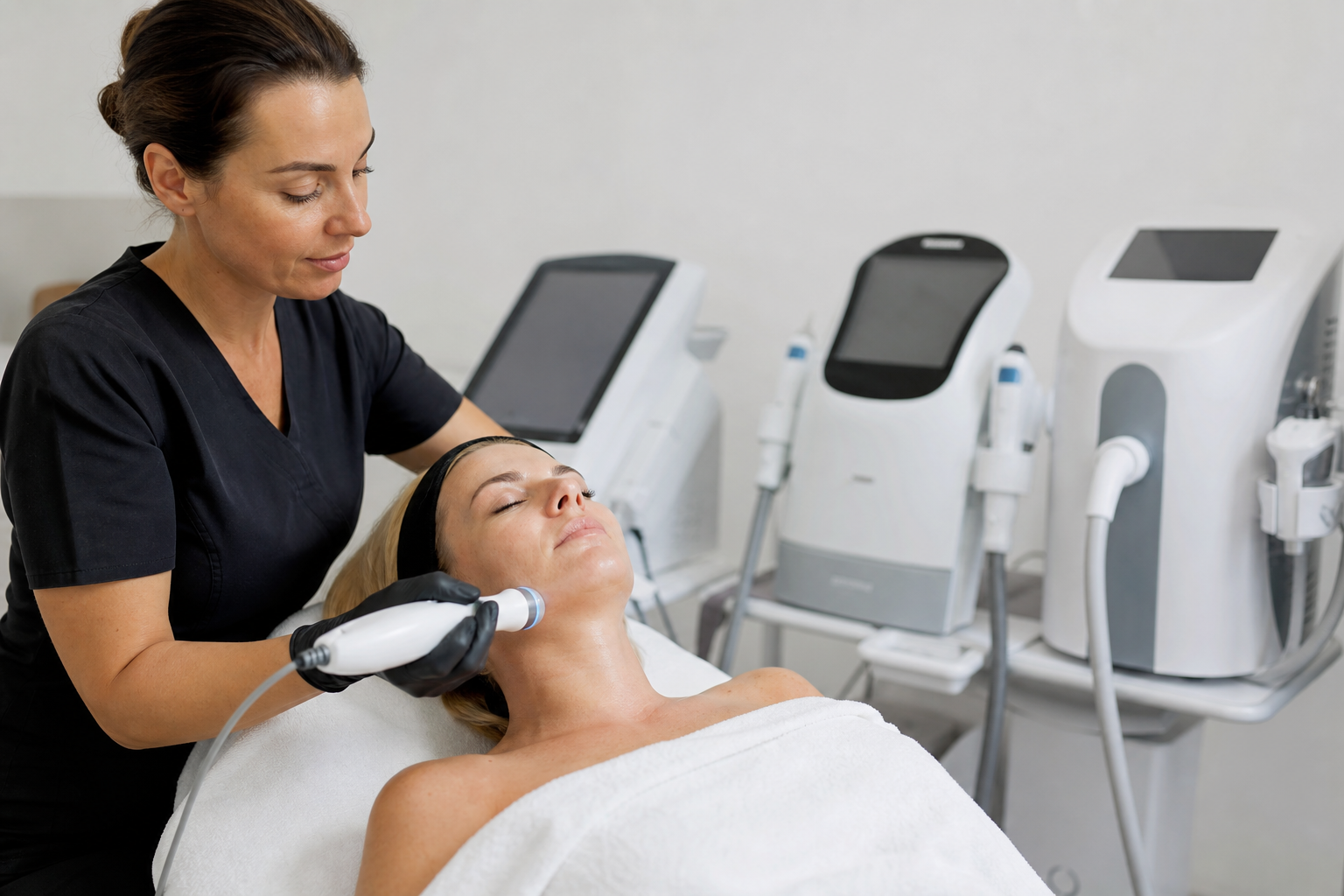
The term “classic RF” refers to radiofrequency treatments that apply energy wholly externally, using specialized handpieces that glide over the skin's surface. These devices transmit radiofrequency waves into the dermis and subdermal layers without breaching the skin barrier. The resulting controlled heating effect enhances collagen remodeling and elastin synthesis, improving skin tone and laxity.
Classic RF devices can employ monopolar, bipolar, or multipolar configurations, influencing the depth and way energy disperses. For example, monopolar RF delivers energy deeper but less uniformly, whereas multipolar RF tends to stimulate more superficial layers evenly. This modality is especially effective for patients with mild to moderate skin sagging and those seeking preventive skin aging strategies.
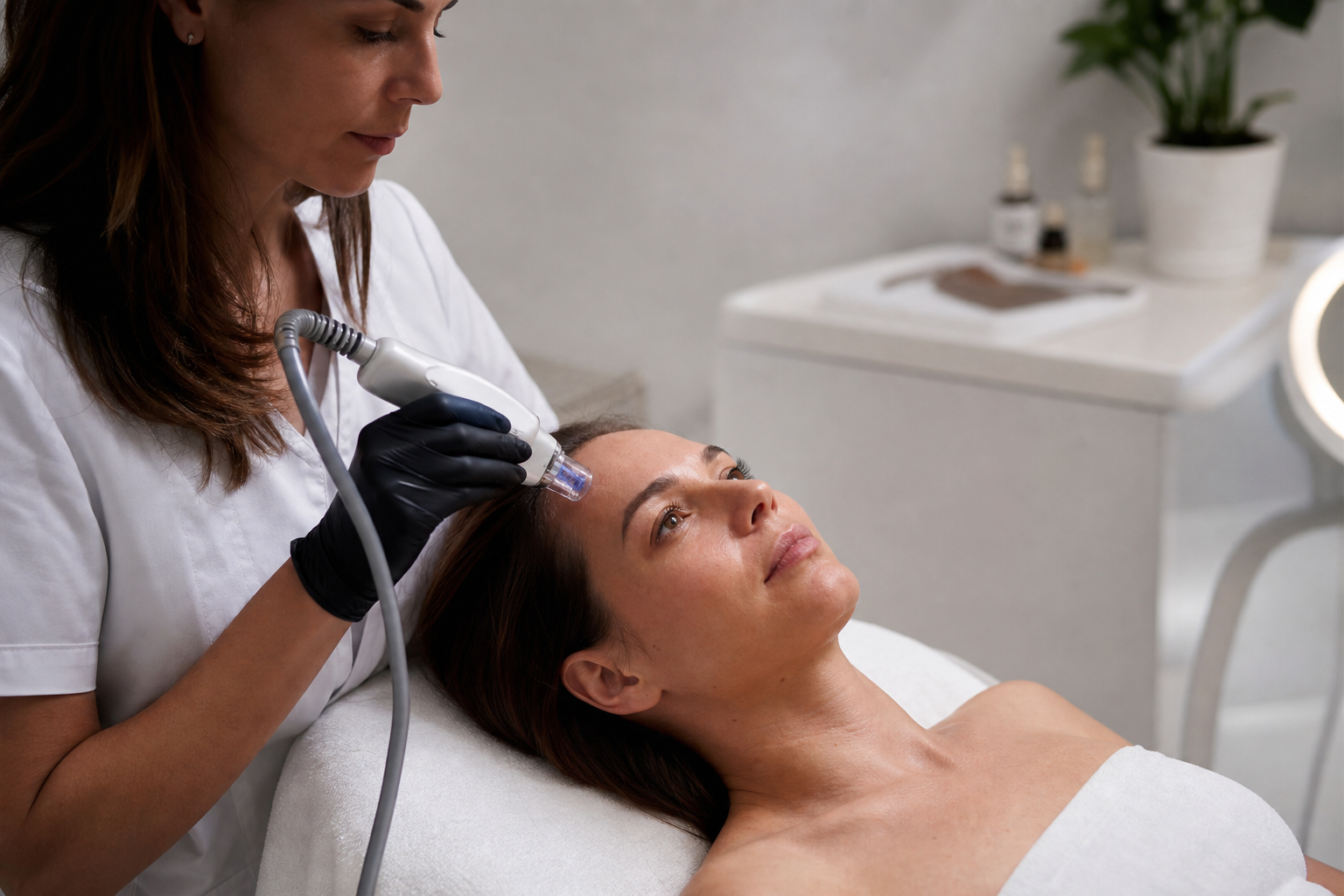
In contrast, RF microneedling is a minimally invasive procedure combining the mechanical action of microneedles with the thermal stimulation of radiofrequency energy. During treatment, an array of ultrafine needles penetrates the skin to create microchannels. Through these needles, RF waves are emitted directly into precise depths within the dermis. This dual mechanism intensifies the collagen and elastin-building process by simultaneously inducing controlled micro-injuries and localized heating.
As a result, RF microneedling offers more dramatic remodeling of the skin’s architecture, potentially treating deeper wrinkles, acne scars, stretch marks, and uneven texture more effectively than classic RF. However, this increased intensity also introduces a higher risk of side effects, such as redness, swelling, and discomfort, requiring more meticulous patient selection and post-treatment care.
Who Is the Ideal Candidate for Classic RF Compared to RF Microneedling?
Understanding candidacy is critical for achieving optimal outcomes and minimizing risks with either modality. Classic RF treatments are generally suitable for a broad range of individuals, particularly those experiencing early signs of skin laxity or seeking maintenance treatments to delay visible aging. It fits well for patients preferring non-invasive options with little to no downtime and relatively low discomfort.
Ideal candidates for classic RF typically have mild to moderate skin looseness without deep wrinkles or extensive scarring. Because the procedure is non-ablative, it can be safely performed on most skin types and tones, including darker skin, where pigmentation risks with other treatments may arise.
On the other hand, RF microneedling is better reserved for patients requiring more substantial skin resurfacing and remodeling, such as those with moderate to severe acne scars, uneven skin texture, or stretch marks. It is also a valuable option for advanced skin tightening needs where classic RF might offer only subtle improvements.
However, given its invasive nature, RF microneedling demands a thorough assessment of a patient's medical history, skin sensitivity, and healing capacity. It is contraindicated for individuals with certain conditions such as active skin infections, eczema, or those prone to keloid formation. Patients must be willing to endure a slightly longer recovery period and adhere strictly to aftercare guidelines.
What Are the Benefits and Expected Results of Each Treatment?
Classic RF treatments provide progressive skin tightening and rejuvenation through collagen stimulation without incisions or pain that typically require little or no downtime. Patients often appreciate the natural-looking results that develop gradually over several weeks to months, making the improvement subtle yet noticeable. It is especially effective for lifting the jawline, reducing mild sagging of the cheeks, and smoothing fine lines.
Besides aesthetic enhancements, classic RF procedures can improve skin texture and tone, contributing to an overall refreshed appearance. Regular maintenance sessions help sustain and augment these benefits, establishing a non-invasive regimen that supports long-term skin health.
RF microneedling offers more dramatic and multifaceted benefits. By inducing micro-injuries combined with heating, it accelerates the skin’s natural healing response, leading to robust collagen and elastin production. The treatment can significantly improve skin texture irregularities, reduce the appearance of acne and surgical scars, minimize stretch marks, and attenuate deeper wrinkles.
Patients often notice firmer, smoother skin with improved elasticity and an even tone following a series of RF microneedling sessions. Unlike classic RF, changes tend to be more pronounced, making it a strategic choice for those seeking comprehensive skin restoration beyond surface tightening.
What Are the Safety Considerations and Potential Risks, Including FDA Guidance?
Both classic RF and RF microneedling are generally safe when performed by trained professionals adhering to appropriate protocols. However, recognizing their distinctions helps manage expectations and mitigate adverse effects.
Classic RF’s non-invasive nature results in a low incidence of side effects. Temporary redness, slight tenderness, or mild swelling may occur but resolve quickly without intervention. There is minimal risk of burns or skin damage due to sophisticated device settings and temperature monitoring.
RF microneedling involves puncturing the skin with needles, inherently carrying risks such as infection, prolonged redness, swelling, bruising, and, in rare cases, scarring. Proper aseptic technique, device sterilization, and patient preparation are crucial to minimize complications. Additionally, inadequate training or misuse of devices can heighten these risks.
Recently, the FDA issued warnings relating to RF microneedling devices, emphasizing the need for careful regulatory oversight and adherence to safety standards. This attention underscores the importance of choosing reputable practitioners and clinics that comply with medical regulations and use approved equipment.
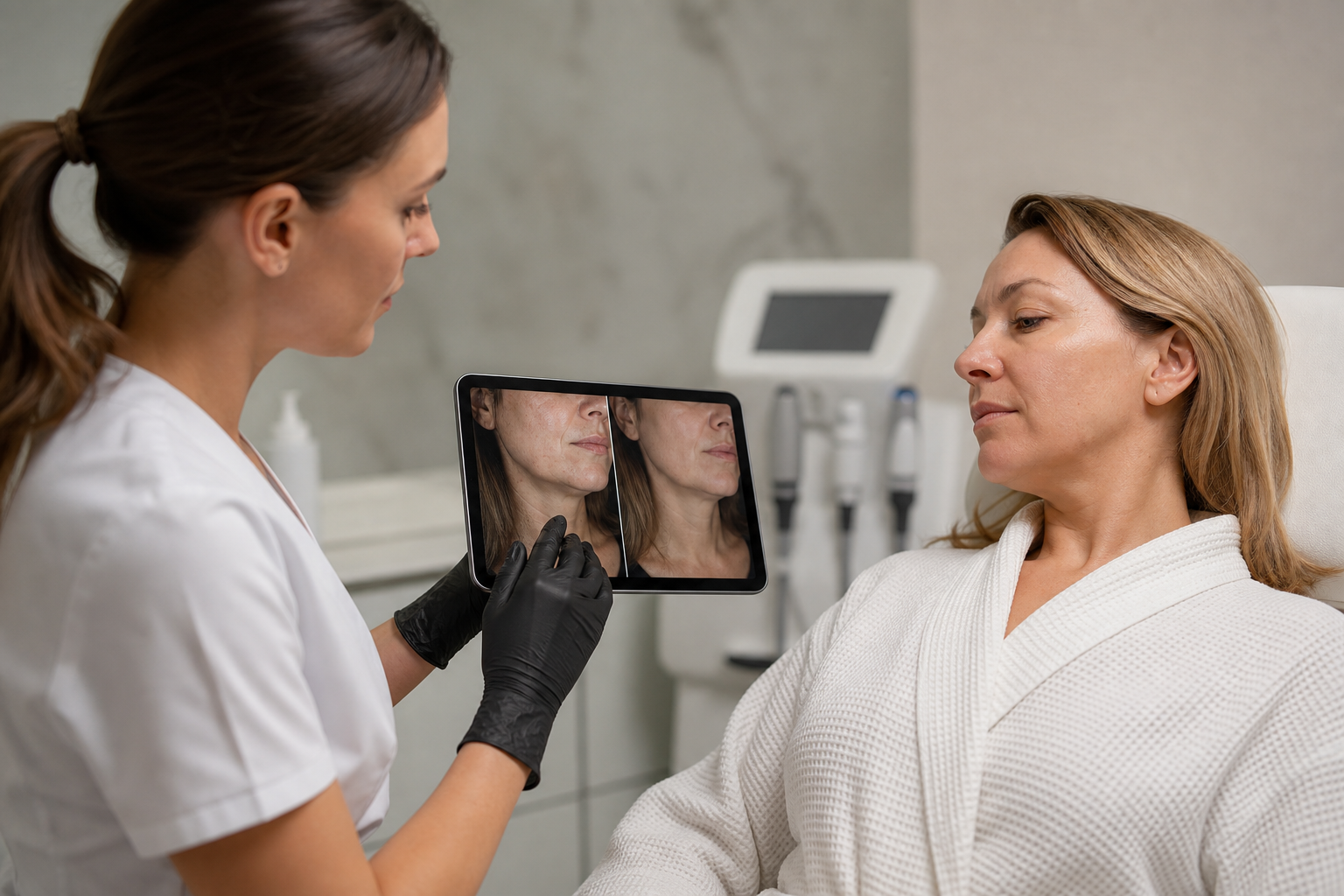
Patients should engage in detailed consultations, disclosing medical history and skin conditions. Transparent conversations about expectations, possible side effects, and post-treatment care significantly enhance safety and satisfaction.
How Do Treatment Sessions Differ Between Classic RF and RF Microneedling?
Classic RF sessions typically last between 30 to 60 minutes, depending on the size of the treatment area. The procedure involves passing the RF device's handpiece methodically over the skin surface, with patients experiencing a warming sensation that is generally comfortable. There is no need for anesthesia, and patients can resume normal activities immediately.
A typical RF treatment course involves multiple sessions spaced over several weeks to achieve cumulative effects. Patients are advised to avoid excessive sun exposure and employ adequate skin hydration before and after treatments.
RF microneedling sessions are somewhat longer owing to the careful penetration of microneedles and delivery of radiofrequency energy at specified depths. Depending on individual tolerance, topical anesthesia may be applied to manage discomfort. Post-treatment, patients can expect redness and mild swelling that may last for several days, resembling a mild sunburn.
Treatment plans often encompass three to six sessions spaced about four to six weeks apart to allow skin healing and remodeling. Adherence to strict aftercare protocols—such as avoiding makeup, sun exposure, and infection risks—is critical during recovery.
What Should Patients Expect During the Recovery Process for Each Method?
Recovery after classic RF treatments is minimal. Most patients experience no significant downtime and can immediately return to work or social activities. Mild redness or warmth may be noticeable but fades quickly within hours. There is no need for bandaging or complex aftercare.
Conversely, RF microneedling involves a healing period in which skin barrier disruption leads to temporary redness, swelling, and potential sensitivity. Typically, visible redness persists for 2 to 5 days, with some patients experiencing minor peeling or flaking as the skin regenerates. During this time, protective measures like gentle cleansing, moisturizing, and avoidance of harsh skincare products or direct sunlight are essential to promote optimal healing.
Patients may also feel a tightening or slight itching sensation as new collagen forms. Final results become most apparent several weeks post-treatment and continue to improve over months.
How to Make an Informed Choice Between Classic RF and RF Microneedling?
Deciding between classic RF and RF microneedling hinges on several factors: the severity of skin aging or damage, personal comfort with invasive procedures, recovery time available, and specific skin concerns. Consultation with a qualified aesthetic practitioner offers the safest way to tailor treatment plans.
For those requiring mild skin tightening with minimal intervention, classic RF represents a dependable, low-risk option. It is especially suitable for preventive care or enhancing skin elasticity without downtime.
If a patient’s goals include deeper collagen stimulation, scarred or textured skin improvement, or more dramatic rejuvenation, RF microneedling may offer superior results—provided they accept the associated greater invasiveness and recovery.
Evaluating the credentials and expertise of the provider, understanding device types, and discussing realistic outcomes are integral to successful treatment experiences.