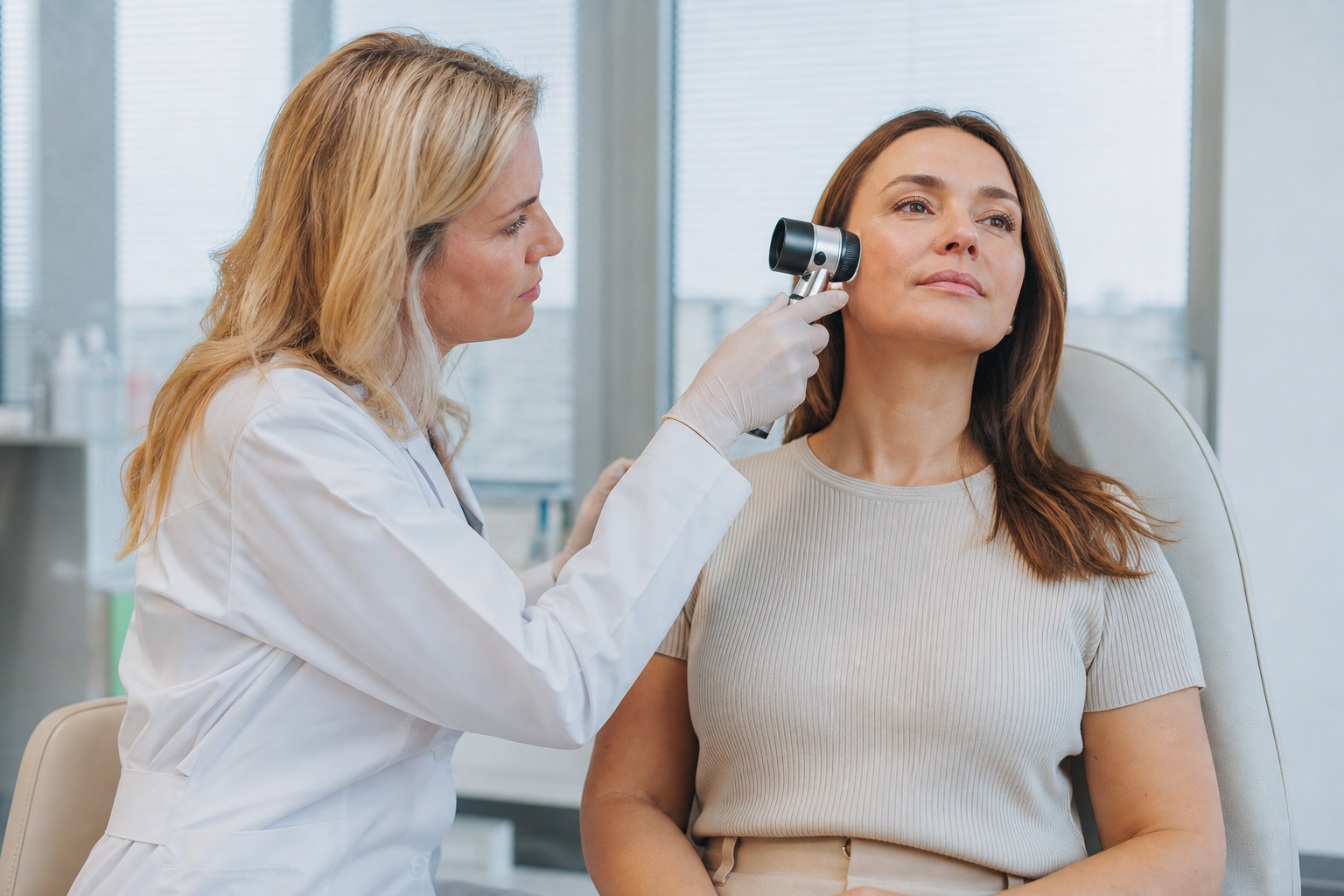
Facial redness and stinging sensations are common complaints that many individuals encounter at various stages of life. While sometimes transient and harmless, these symptoms often serve as important signals of underlying dermatological conditions or systemic issues that require professional attention. Understanding when to consult a dermatologist for facial redness and stinging is crucial not only for achieving an accurate diagnosis but also for implementing effective, tailored treatments that can significantly improve quality of life.
This article is particularly relevant for those experiencing persistent or bothersome facial redness and stinging, as well as for anyone looking to deepen their understanding of common causes and management options for these symptoms. The topic holds importance because facial redness can stem from a spectrum of conditions—from sensitive skin triggered by external factors to chronic inflammatory disorders such as rosacea or dermatitis. Making an informed decision about seeking professional care helps prevent complications and dispels misconceptions about treatment efficacy, including common misunderstandings regarding laser therapy.
In the sections that follow, we will explore the nature of facial redness, differentiate between its primary causes, and examine the roles of dermatological evaluation and intervention. We will also delve into the realistic expectations of laser treatment for vascular lesions and discuss why redness may reoccur after therapy. By providing a comprehensive perspective rooted in reliable dermatological knowledge, this editorial aims to empower readers with clarity about facial redness and stinging and the circumstances that should prompt dermatologic consultation.
What Is Facial Redness and What Are Its Most Common Causes?
Facial redness, clinically known as erythema, is characterized by a pronounced redness of the skin resulting from an increased blood flow in the facial capillaries. This condition may present as transient, such as flushing during emotional stress or exposure to temperature extremes, or it can be persistent, indicating underlying cutaneous or systemic disorders.
Permanent or recurrent facial redness often signals the presence of dermatological conditions including rosacea, various forms of dermatitis, sensitive skin syndrome, or post-inflammatory erythema. Environmental and lifestyle factors, such as sun exposure, use of irritating skincare products, climatic variations, and even psychological stress, can also contribute to or exacerbate facial redness.
Because the etiology of facial redness is multifaceted, recognizing its underlying cause is vital for appropriate management. A mere cosmetic concern in mild cases, facial redness can escalate to more severe dermatologic diseases if left unaddressed. Therefore, persistence, intensification of redness, or accompanying symptoms like stinging should raise awareness about the need for professional evaluation.
How Can You Differentiate Between Rosacea, Dermatitis, Sensitive Skin, and Post-Acne Erythema?
A critical step in managing facial redness involves distinguishing among the common dermatological disorders that manifest with this symptom. Rosacea is a chronic inflammatory condition mostly affecting the central face, characterized by recurrent redness, visible dilated blood vessels (telangiectasia), papules and pustules resembling acne, and often accompanied by burning or stinging sensations. Rosacea flare-ups are triggered by factors such as sun exposure, spicy foods, alcohol consumption, emotional stress, and temperature changes.
Dermatitis refers to inflammation of the skin and encompasses several types, including atopic, seborrheic, and contact dermatitis. These typically feature redness, itching, scaling, and sometimes blistering. The inflammation may be localized or diffuse, and flare-ups may be related to allergens or irritants.
In contrast, sensitive skin is not classified as a disease but describes a skin phenotype prone to irritation and erythema upon exposure to certain external elements, such as harsh skincare products or environmental changes. Sensitive skin lacks the overt inflammatory markers seen in rosacea or dermatitis but still often presents with redness and discomfort.
Post-acne erythema pertains to persistent redness over the areas previously affected by inflammatory acne lesions. It is a vascular change resulting from damage to superficial blood vessels during the inflammatory process and can remain even after acne resolution.
Distinguishing among these entities hinges on detailed clinical assessment, patient history, skin examination including dermatoscopy, and sometimes supportive investigations. This distinction is essential to guide therapeutic decisions and patient education.
What Role Does a Dermatologist Play in Diagnosing and Treating Facial Redness and Stinging?
Dermatologists possess the specialized expertise required to accurately diagnose the varied causes of facial redness and accompanying sensations like stinging. Through comprehensive patient interviews, clinical examination, and ancillary diagnostic tools when necessary, they identify the root cause and assess disease severity.
The diagnostic process includes assessing patient lifestyle, skin care routines, triggers, and symptom chronology. Examination may reveal characteristic patterns distinguishing rosacea from dermatitis or sensitive skin. In select scenarios, patch tests or biopsy may be indicated to confirm a diagnosis.
Upon diagnosis, a dermatologist designs a personalized treatment plan. This can range from topical agents reducing inflammation and vascular symptoms to systemic medications in more severe inflammatory conditions. Simultaneously, patient guidance about trigger avoidance and skincare modifications form an integral part of management.
For sensitive skin without active disease, the approach is more conservative, focusing on calming skincare regimens and elimination of irritants. In contrast, persistent or worsening symptoms necessitate closer follow-up and potentially more aggressive interventions to prevent progression and preserve skin health.
What Should Patients Understand About Laser Treatment for Visible Vessels and Facial Redness?
Laser therapy is a popular and advanced modality widely used for managing vascular lesions and persistent facial redness. Various laser types target superficial blood vessels by delivering focused energy that selectively damages these vessels, promoting their closure and subsequent reduction in visible redness.
It is crucial to emphasize that laser treatment is not a cure for inflammatory conditions such as rosacea but serves as an adjunct in controlling the vascular manifestations. The treatment typically improves the aesthetic appearance by minimizing the visibility of dilated capillaries and diffuse redness.
Effectiveness of laser therapy depends on several factors, including the specific skin type, extent and depth of vascular involvement, and the chronicity of the underlying condition. Multiple sessions are often required to achieve optimal results, and maintenance treatments may be necessary.
By managing expectations realistically—recognizing that redness may not be permanently eradicated and that laser therapy constitutes one component of a comprehensive treatment plan—patients can better appreciate the benefits and limitations of this advanced procedure.
Why Can Facial Redness Return After Treatment and How Can It Be Kept Under Control?
Recurrence of facial redness after treatment, including laser interventions, is not uncommon, particularly in chronic conditions like rosacea and dermatitis. The reappearance of erythema often results from the persistent or recurring nature of the underlying pathophysiology and ongoing exposure to triggering factors.
Additionally, the skin’s vascular architecture and inflammatory milieu may predispose patients to revascularization and inflammatory flare-ups despite prior therapy. This underscores the necessity for continual skin care and lifestyle modifications alongside medical treatments.
Maintaining control over facial redness involves adhering to a dermatologically supervised regimen incorporating appropriate medications, gentle skincare, sun protection, and avoidance of known triggers. Periodic dermatologic evaluations facilitate timely interventions to manage flare-ups and adjust treatments as needed.
Understanding that treatment is a dynamic and ongoing process helps patients set practical goals and fosters long-term commitment to skin health.


