Pigmentation irregularities such as melasma, sun spots, and postinflammatory hyperpigmentation (PIH) are common cosmetic concerns that can profoundly affect an individual's self-confidence and overall quality of life. Although these conditions manifest as darker patches or spots on the skin, their origins, clinical presentations, and management strategies differ significantly. Understanding these distinctions is essential not only for accurate diagnosis but also for selecting appropriate treatments, particularly when considering advanced options like laser therapy.
This article is intended for individuals who have noticed pigmentary changes and seek clarity on their causes and significance. It is also a valuable resource for professionals in aesthetic dermatology and cosmetology who need to precisely differentiate between these pigmentation disorders to recommend the most effective interventions. Given the diverse etiologies and the potential risks involved, including the contraindications associated with certain lasers, this article underscores the importance of professional dermatologic assessment prior to any laser procedure.
We will explore melasma, sun spots, and PIH by dissecting their pathogenesis, clinical features, and the nuances of their treatment. Special attention will be given to the critical role of diagnostic accuracy, highlighting why self-diagnosis can be misleading and why medical supervision is mandatory before undergoing laser removal therapies.
What Is Melasma and What Causes Its Development?
Melasma is a chronic, often symmetric pigmentation disorder characterized by irregularly shaped patches of brown to grayish-brown discoloration predominantly on sun-exposed facial areas such as the forehead, cheeks, nose, and upper lip. This abnormal pigmentation stems from an increased production of melanin due to melanocyte hyperactivity, frequently triggered by hormonal changes and ultraviolet (UV) radiation exposure.
Melasma predominantly affects women, especially during pregnancy or while undergoing hormonal therapy, which is why it is sometimes referred to as the “mask of pregnancy.” A genetic predisposition, combined with UV exposure, amplifies the risk, with individuals having darker skin phototypes being particularly susceptible. The pigmentation can involve the epidermis, dermis, or both, making it an epidermal, dermal, or mixed type melasma respectively.
Melasma is further distinguished by its complex pathophysiology involving alterations in both epidermal and dermal physiology. Its hormonal and hereditary underpinnings make it a challenging condition to manage, often requiring lifelong strategies to control and prevent recurrence, as it tends to persist or reappear if sun protection and treatment regimens are not rigorously maintained.
How Do Sun Spots Form and What Are Their Characteristics?
Sun spots, also known as solar lentigines or age spots, present as small, well-demarcated dark brown to black macules primarily found on chronically sun-exposed skin regions, including the face, hands, décolletage, and forearms. They result from localized melanocyte hyperplasia and increased melanin following cumulative exposure to UV radiation.
Unlike melasma, sun spots have sharp borders, are typically flat, and lack a hormonal basis. They commonly appear in older adults but are increasingly seen in younger individuals due to modern lifestyle factors involving significant sun exposure. Solar lentigines are not associated with internal systemic factors and develop slowly over time, corresponding to sun exposure patterns.
While sun spots are generally benign and considered a cosmetic issue, the appearance of new, irregular, or rapidly changing pigmented lesions warrants professional evaluation to rule out malignancies such as melanoma or premalignant keratoses.
What Is Postinflammatory Hyperpigmentation and How Does It Develop?
Postinflammatory hyperpigmentation (PIH) describes a reactive increase in melanin deposition following skin injury or inflammation. Causes include acne lesions, burns, cuts, microbial infections, dermatological procedures, or other forms of irritation. PIH is distinct from melasma and sun spots as its onset directly follows inflammatory insult rather than hormonal or cumulative sun damage processes.
PIH is more prevalent and pronounced in individuals with darker skin tones due to their melanocytes’ heightened response to inflammatory signals. Lesions tend to be irregular in shape, varying in intensity and distribution depending on the nature and duration of the preceding injury. This condition is not a disease entity but represents the skin’s natural healing aftermath, sometimes leading to lasting pigmentary changes.
The severity and persistence of PIH correlate with the degree and persistence of inflammation, underscoring the importance of managing the inciting cause and protecting the skin thereafter.
How Can One Distinguish Between Melasma, Sun Spots, and PIH on the Face?
Accurate visual differentiation is an essential first step in diagnosing pigmentary disorders. Melasma often appears as symmetric, diffuse, and somewhat blurred patches of brownish discoloration on the cheeks, forehead, nose, and upper lip. These areas tend to be persistent and recur if untreated.
In contrast, sun spots are typically multiple, discrete, and sharply bordered pigmented macules without symmetry, appearing primarily on the most sun-exposed areas. They develop gradually and remain relatively stable over time.
PIH lesions are typically irregularly shaped and asymmetrical, appearing at sites of recent or previous skin injury or inflammation. Their borders and intensity can fluctuate as the underlying inflammatory process resolves.
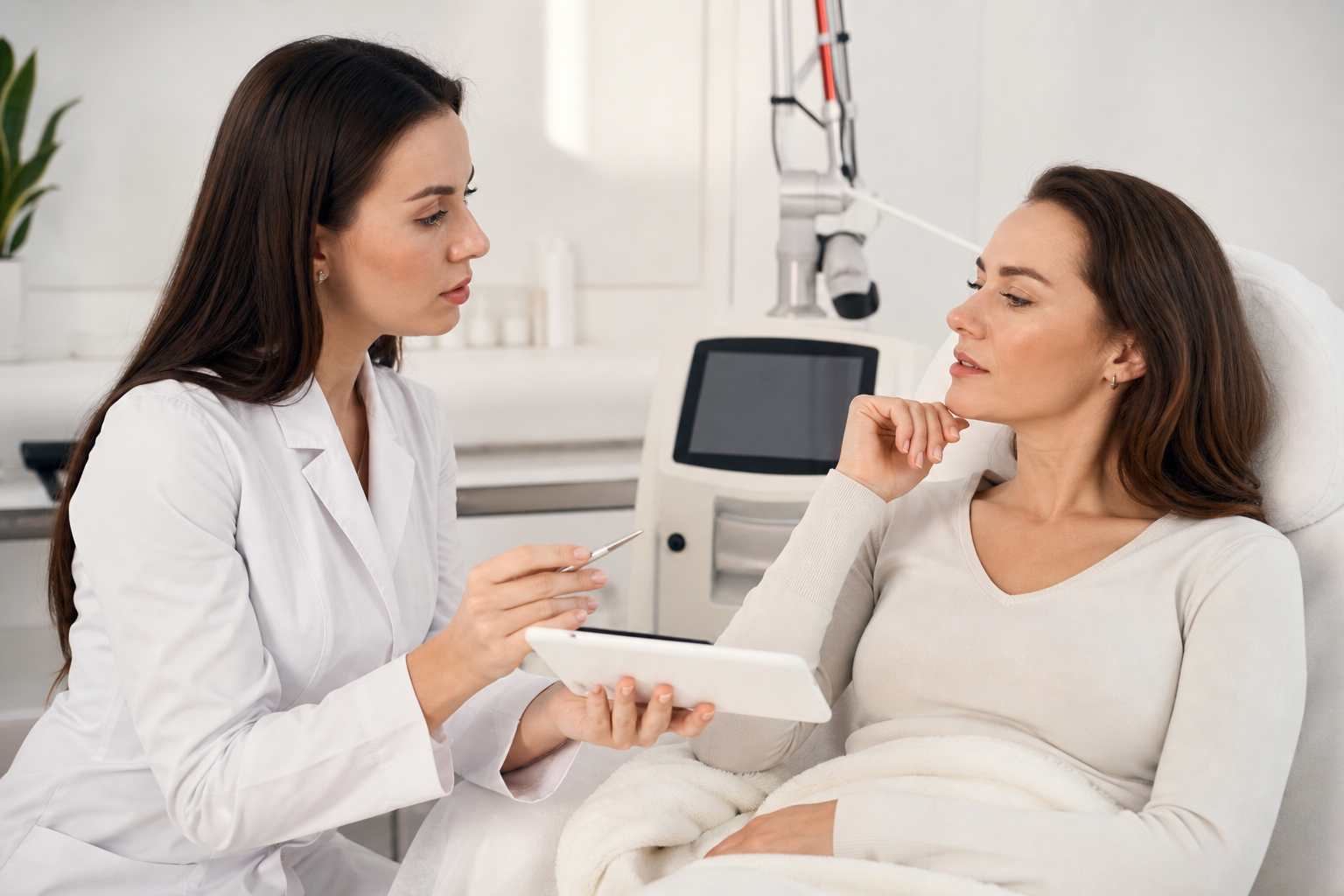
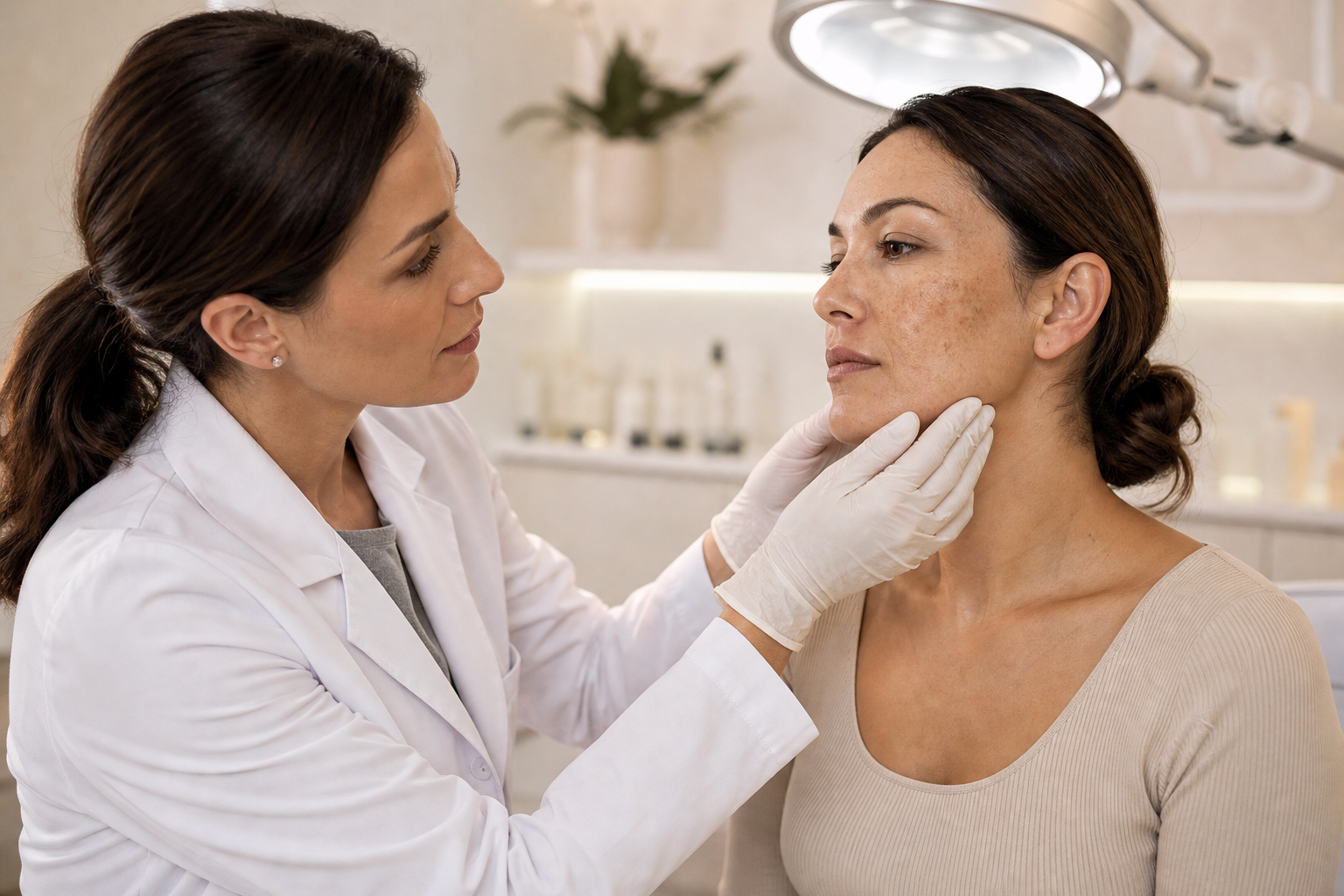
Given the nuances and overlapping appearances, individuals noticing new or changing pigmentation are strongly discouraged from self-diagnosis or self-treatment. Consulting a qualified dermatologist ensures accurate interpretation, appropriate investigation, and tailored intervention, which is especially crucial prior to any laser-based therapies.
Why Is Pre-Laser Diagnostic Assessment Critical For Pigmentation Treatment?
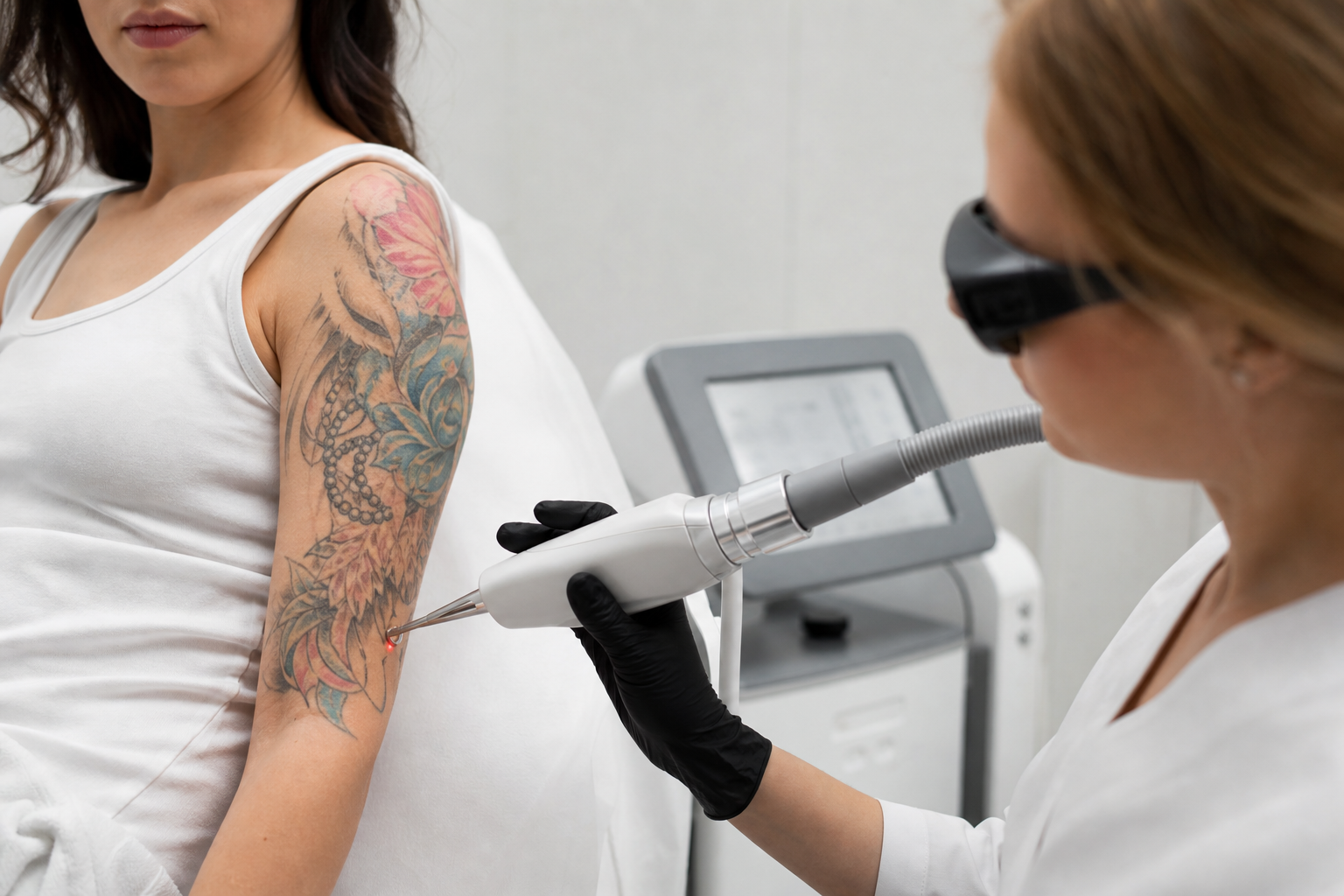
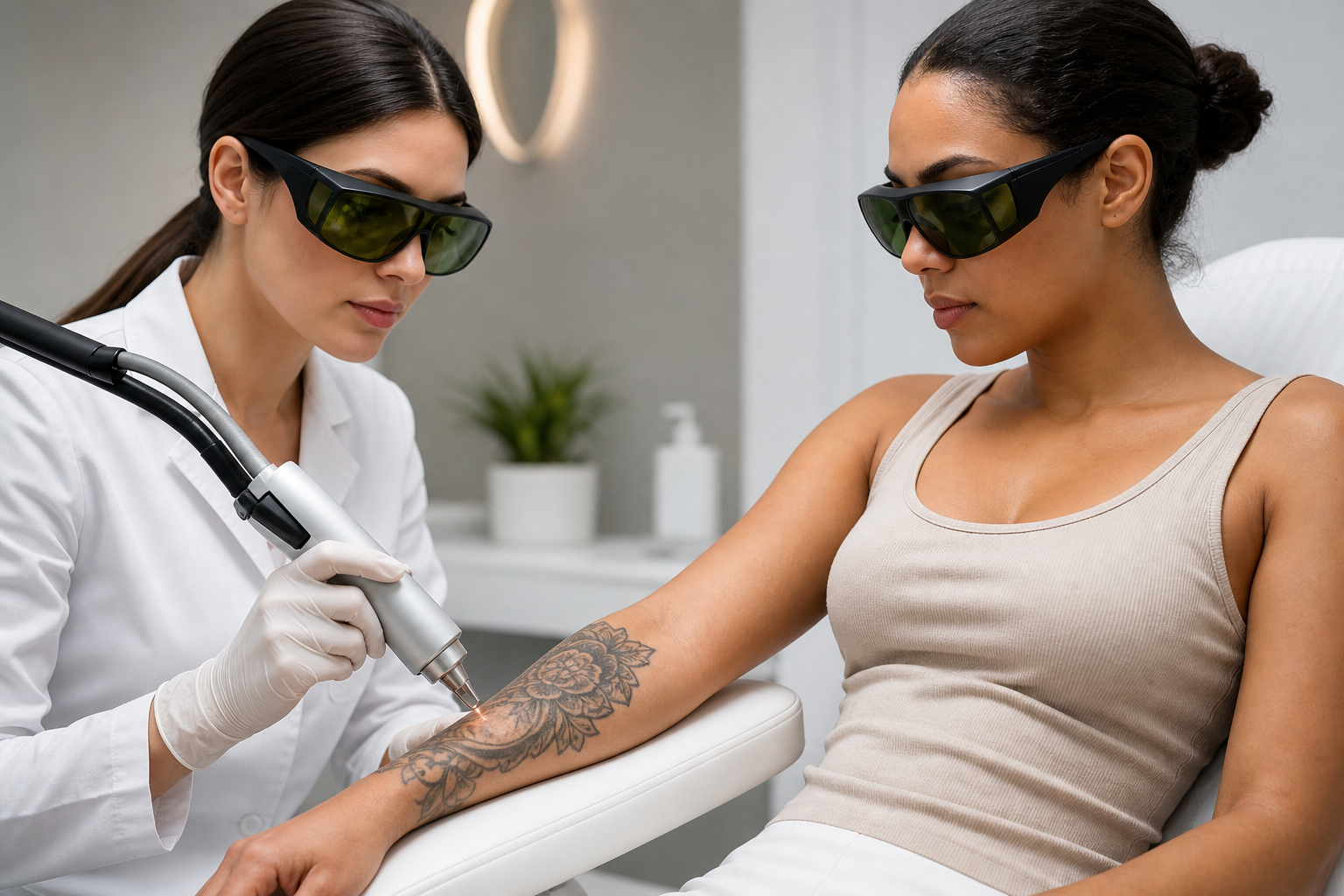
Laser interventions for pigmentary conditions can be highly effective yet require meticulous pre-treatment evaluation. Different types of pigmentation respond variably to laser wavelengths, pulse durations, and energy settings. A mismatch in laser selection and parameterization can exacerbate pigmentation, induce scarring, or cause unwanted side effects.
Dermatology specialists employ diagnostic tools such as Wood’s lamp examination, dermoscopy, and sometimes skin biopsies to assess the pigment’s depth (epidermal versus dermal) and nature. This diagnostic precision informs the laser modality chosen and optimizes treatment outcomes.
Besides ensuring safety, pre-laser assessments help exclude malignant or premalignant lesions masquerading as benign pigmentations, thereby preventing potential delays in critical oncological care.
Individual factors like Fitzpatrick skin type, history of photosensitivity, hormonal influences, and concurrent medications influence treatment planning. Customization based on thorough clinical evaluation mitigates risks and maximizes therapeutic benefits.
What Are the Differences in Therapeutic Approaches for Melasma, Sun Spots, and PIH?
Management strategies differ considerably among these pigmentary disorders. Melasma treatment demands a comprehensive approach including rigorous photoprotection, topical depigmenting agents (such as hydroquinone, azelaic acid, or retinoids), and sometimes cautious laser therapy tailored to pigment depth and skin type. Addressing hormonal contributors is a crucial adjunct to reduce recurrence.
Sun spots often respond well to ablative or non-ablative laser treatments, including Q-switched lasers and intense pulsed light (IPL) therapy, combined with sun protection. These interventions can safely lighten or eliminate lesions provided that the skin is appropriately prepped and aftercare diligently followed.
PIH treatment emphasizes controlling the inciting inflammation, restoring skin barrier function, and gradually fading pigmentation with gentle topical agents. Laser therapy can be employed but requires prudence to avoid provoking further inflammation and aggravating hyperpigmentation.
Patients should understand that no single modality uniformly cures all pigmentary changes; often, treatment is iterative, multimodal, and ongoing.
When Should a Dermatologist Be Consulted Before Undergoing Laser Pigmentation Removal?
Professional consultation is imperative before laser treatment in the following circumstances:
- Appearance of new, irregular, or evolving pigmented lesions.
- Pigmentation occurring on darker skin phototypes or following inflammatory processes.
- Suspected melasma or hormonally influenced pigmentation requiring comprehensive management.
- History of skin disorders or prior pigmentation changes.
Early and accurate dermatologic evaluation helps determine lesion diagnosis, appropriate laser candidacy, and design of a safe treatment protocol, thereby minimizing risks like post-treatment pigmentary alterations or scarring.
What Are Realistic Expectations of Laser Treatment for Pigmentation Disorders?
Lasers have transformed aesthetic dermatology by offering precision-targeted treatment for various pigmented lesions. When applied judiciously, they can significantly reduce discoloration and enhance skin tone uniformity. However, success is contingent upon accurate diagnosis, appropriate laser selection, and strict adherence to pre- and post-treatment guidelines.
Multiple laser sessions spaced over weeks or months may be necessary to achieve optimal results. The procedures are typically well tolerated with minimal discomfort and short recovery periods. Protective measures against UV exposure post-treatment are indispensable to prevent relapses or new pigmentation.
Importantly, laser treatments do not equate to a permanent cure, especially for melasma, which may necessitate ongoing maintenance and combined therapies.
Frequently Asked Questions About Melasma, Sun Spots, and PIH
Can melasma be permanently eliminated? Melasma is commonly chronic and recurrent. While treatments can substantially diminish its visibility, ongoing sun protection and maintenance are essential to control its course.
Are sun spots dangerous? Sun spots are usually benign. Nonetheless, vigilant skin monitoring for new or changing lesions ensures early detection of potential malignancies.
When is it advisable to start treating PIH? PIH treatment is most effective once the underlying inflammation subsides. Premature interventions might worsen pigmentation.