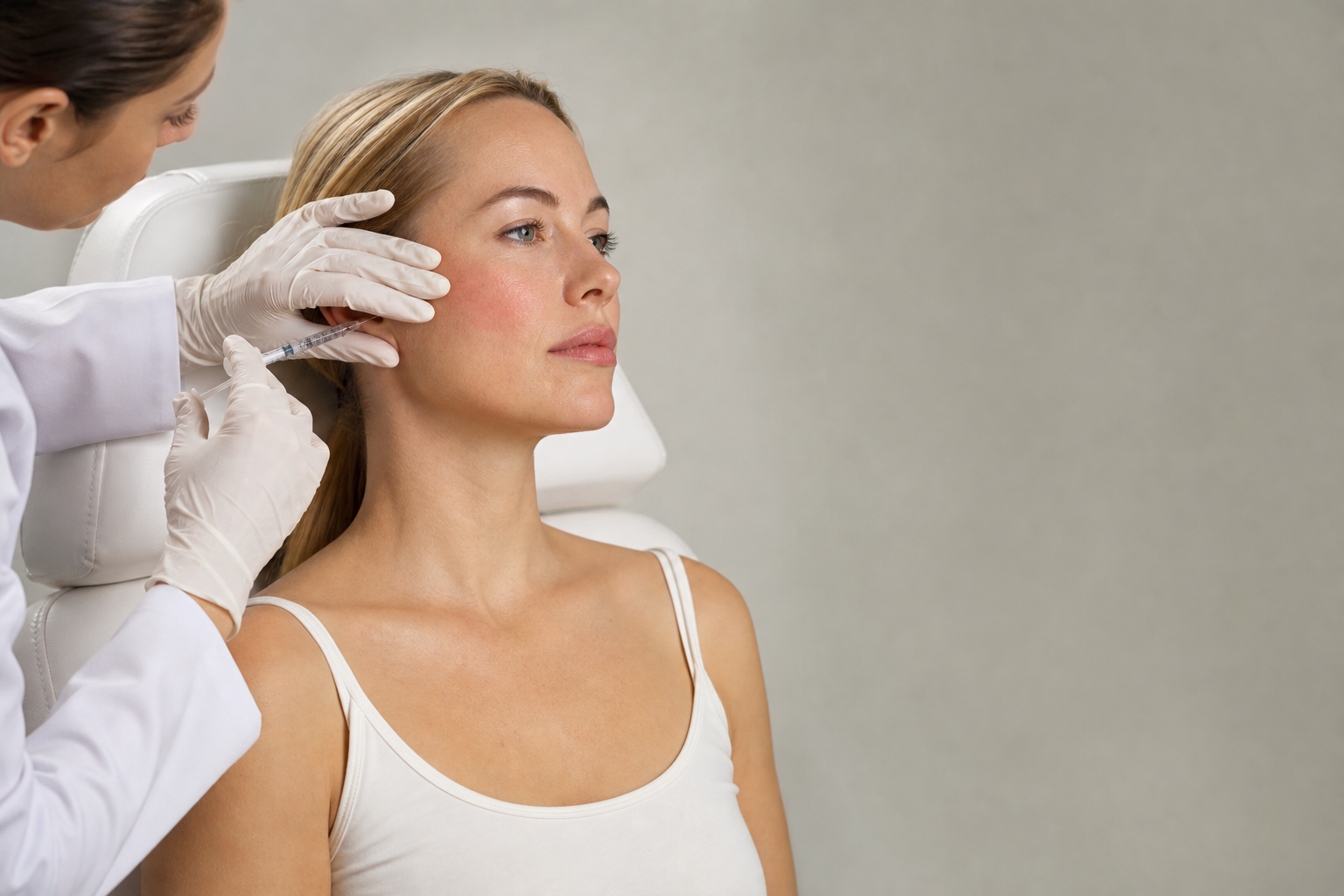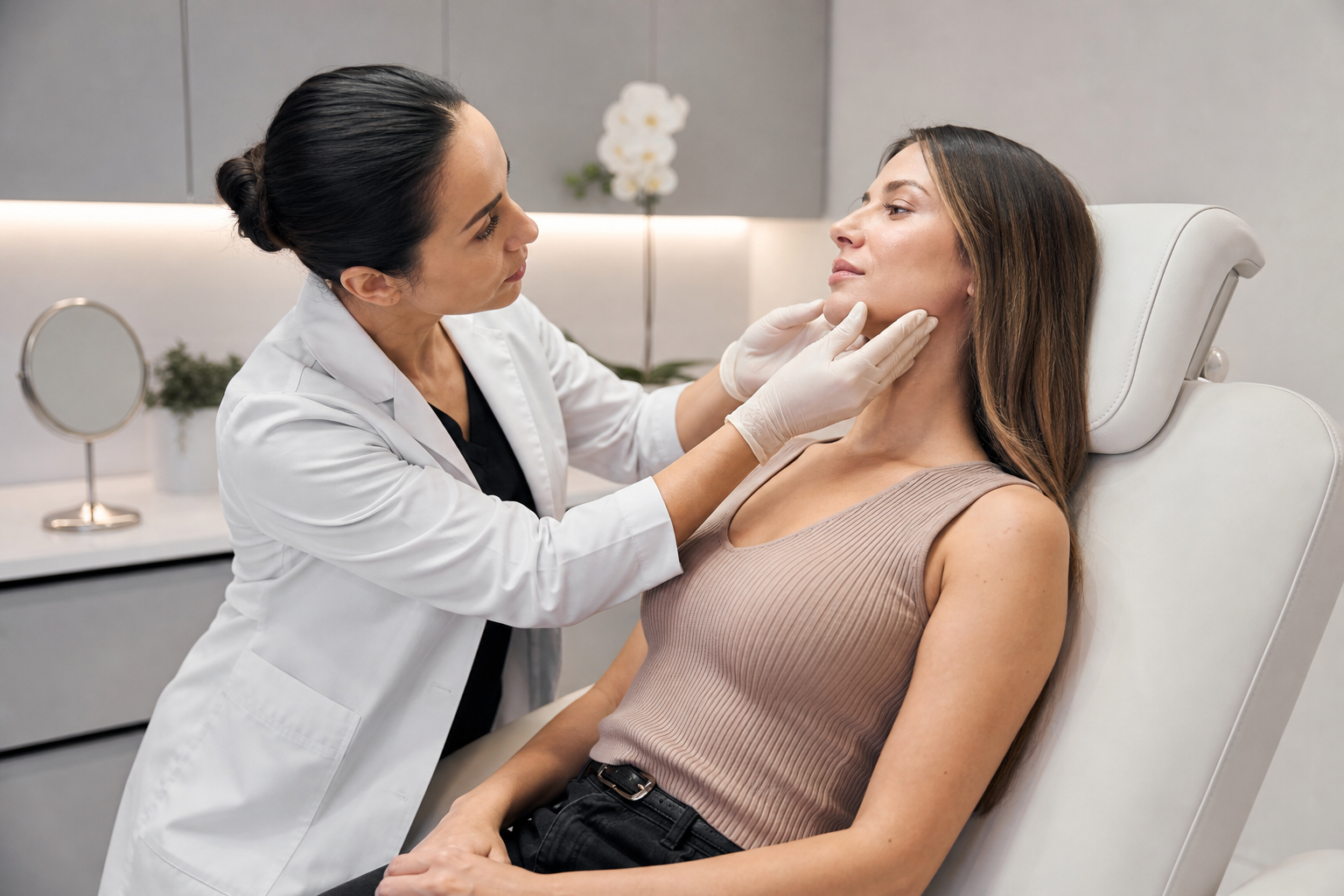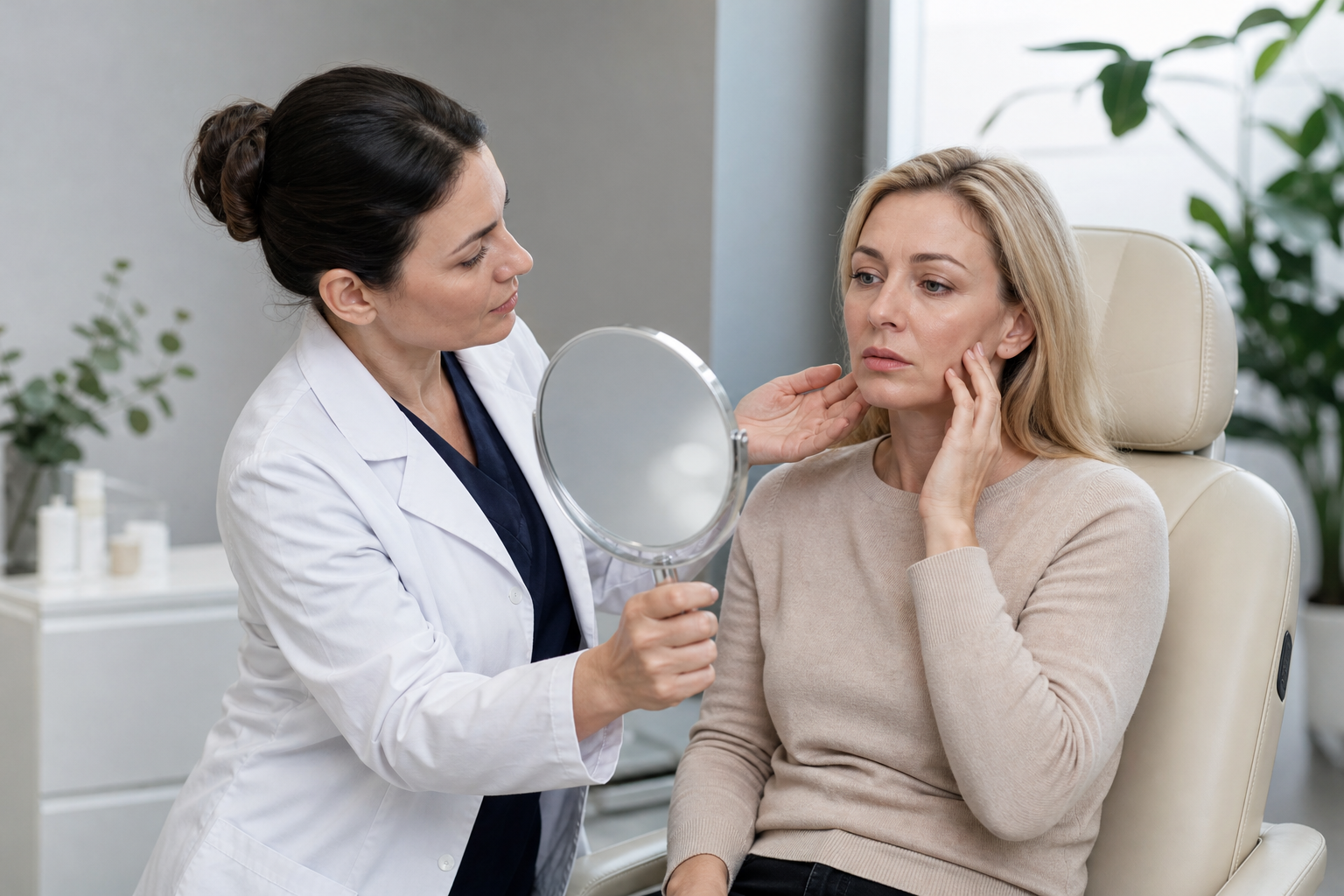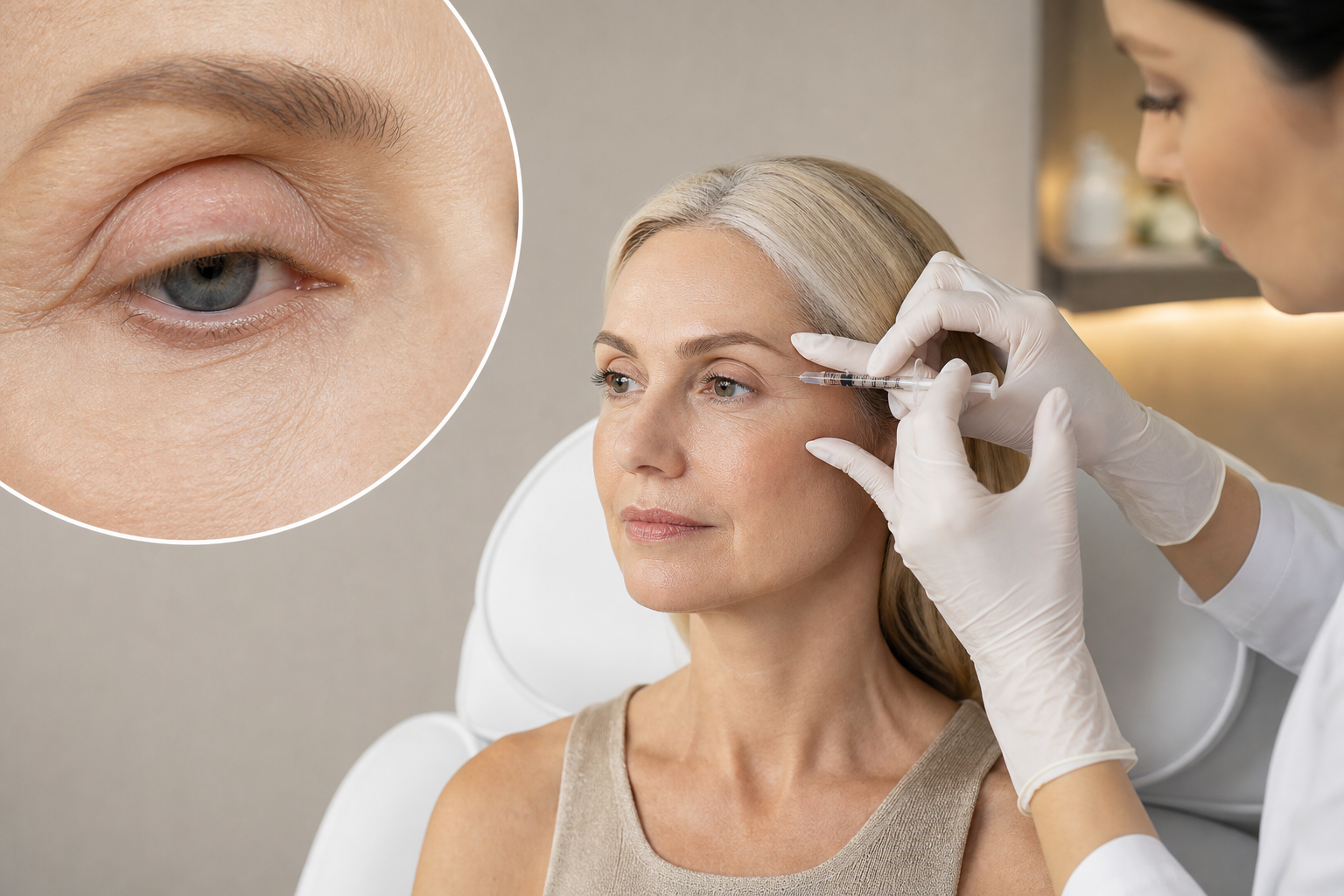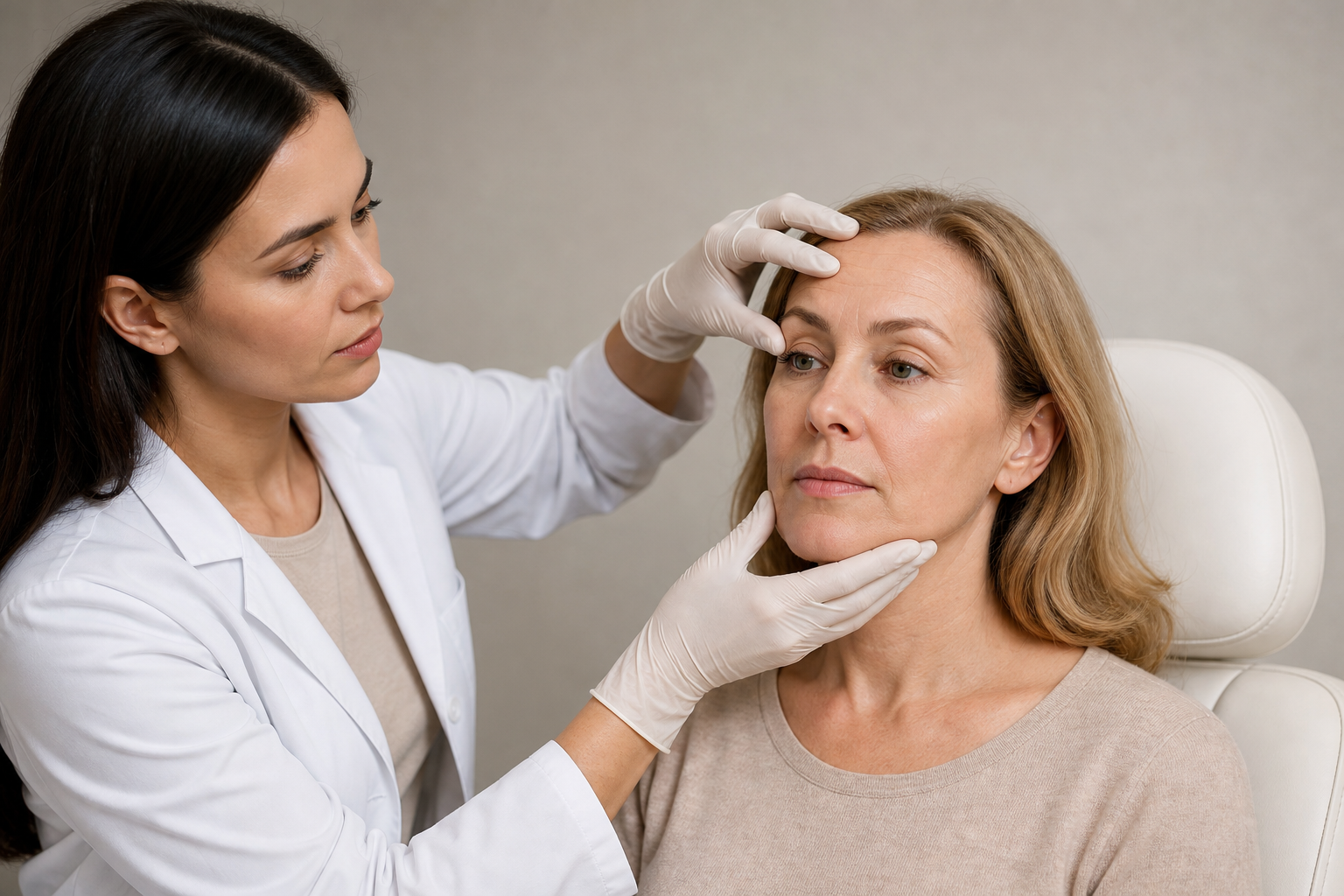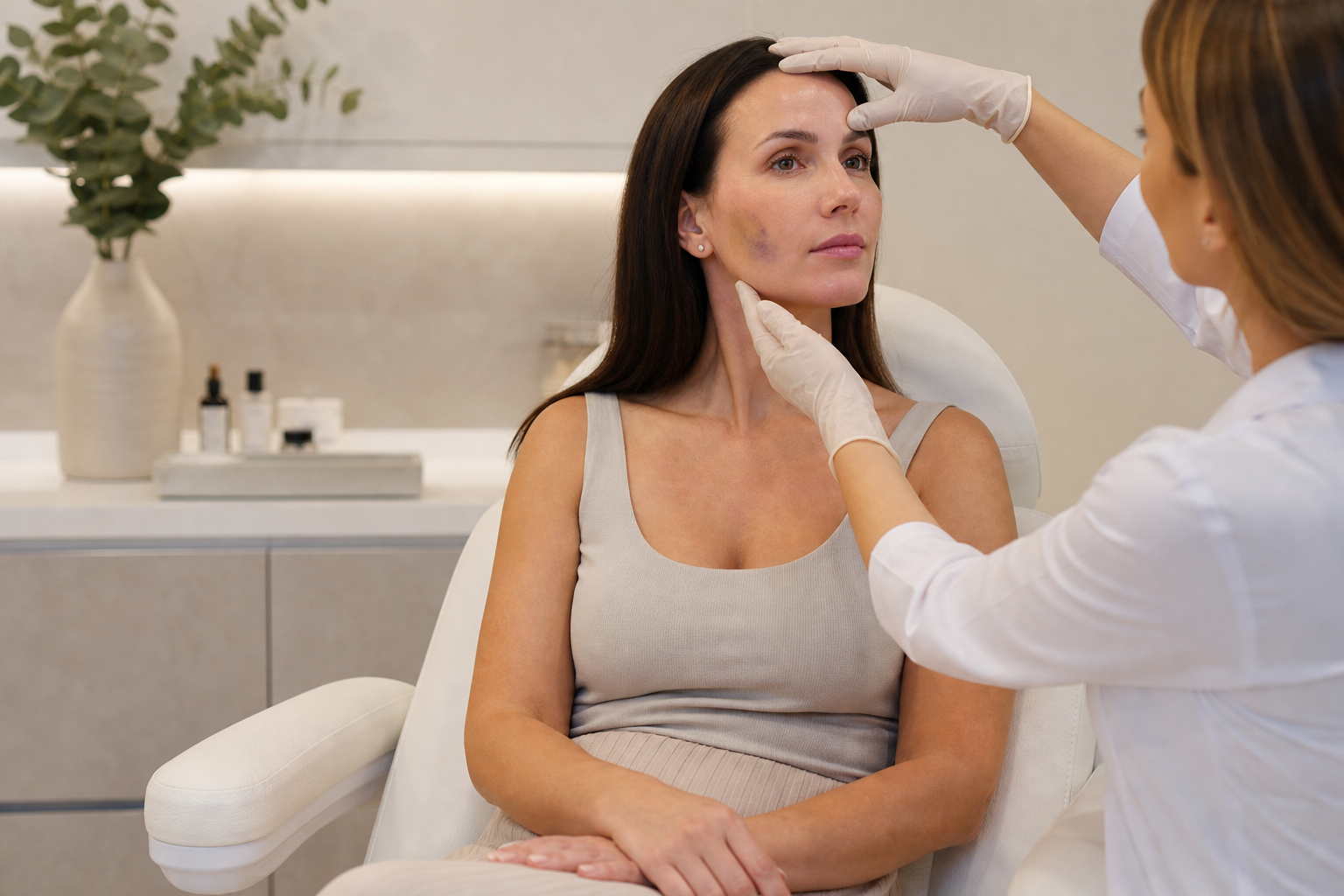
Aesthetic treatments, such as Botox and dermal fillers, have revolutionized the field of cosmetic medicine by offering minimally invasive solutions to reduce wrinkles, restore facial volume, and enhance facial contours. These procedures have gained immense popularity worldwide due to their ability to provide subtle yet transformative effects without the need for surgery. However, despite their widespread acceptance and general safety profile, these treatments are not without risks. Understanding adverse reactions and complications in aesthetic treatments is crucial not only for patients considering these interventions but also for practitioners committed to delivering safe and effective care.
Adverse reactions refer to undesirable effects that occur following treatment, ranging from mild, transient symptoms to more serious complications requiring prompt medical attention. Complications are often more severe, potentially affecting aesthetic outcomes or, in rare cases, patient health and function. Patients seeking cosmetic improvement must be informed of these possibilities, ensuring that realistic expectations are set and that care providers implement measures to minimize risks.
This editorial explores the spectrum of adverse reactions and complications associated with Botox and dermal fillers, focusing on their identification, underlying causes, preventive strategies, and management principles. By shedding light on these facets, we aim to equip readers with comprehensive knowledge to navigate the process of aesthetic treatments confidently, reinforcing the importance of individualized medical assessment and expert application.
Common Mild Reactions: Bruising, Swelling, and Redness After Injections
The most frequently observed adverse reactions following Botox and hyaluronic acid (HA) filler injections are localized bruising, swelling, and redness. These effects typically result from trauma to the small blood vessels due to needle or cannula insertion during the procedure. Though benign, such reactions can affect patient satisfaction, especially when visible in prominent facial areas.
Bruising usually manifests as small discolorations that arise within hours or days post-treatment and generally resolve within one to two weeks. Swelling, linked to a localized inflammatory response and possible lymphatic congestion, varies in extent according to the injection site, volume of product used, and individual tissue sensitivity. Mild erythema or redness often accompanies swelling as part of the body's response to injury but usually subsides within a day or two.
Techniques to minimize these effects include employing the smallest appropriate needle size, using cannulas when suitable, applying steady and precise injection methods, and avoiding areas with compromised skin integrity. Pre-treatment assessment should identify patients at higher risk, such as those on anticoagulant therapy or with a history of bleeding disorders, recommending necessary precautions to reduce bruising risk.
Neuromuscular Side Effects: Headache and Forehead Heaviness
While Botox's primary mechanism involves neuromuscular blockade to relax targeted muscles, this action can occasionally induce unintended neuromuscular reactions leading to symptoms such as headache and a sensation of heaviness or tightness in the forehead. These effects are generally transient but can cause discomfort and concern for patients newly undergoing treatment.
Headaches following botulinum toxin injections may arise from injection site trauma, muscle tension alterations, or spread of toxin effect beyond intended muscles. Heaviness in the forehead is often described as a dull pressure or tightness resulting from muscular relaxation and changes in muscular dynamics. Both symptoms typically emerge within the first few days after treatment and may last several days to a week.
Managing these reactions involves educating patients about their possibility before treatment, allowing realistic expectations and reducing anxiety. Adjusting the injection pattern or dosage in subsequent sessions can mitigate recurrence. Pain relief strategies, including mild analgesics and relaxation techniques, may be recommended to ease discomfort.
Functional and Aesthetic Neuromuscular Complications: Eyelid and Brow Ptosis
A more serious category of complications related to Botox involves unintended muscular weakness causing functional and aesthetic concerns, notably eyelid ptosis (drooping) and brow ptosis (lowering). These complications stem from diffusion of the toxin to adjacent muscles responsible for elevating the eyelid or eyebrow, disrupting normal muscle contraction.
Palpebral ptosis can impair vision by partially obstructing the visual field and may cause patient distress beyond cosmetic dissatisfaction. Brow ptosis affects facial expressiveness and harmony, potentially accentuating signs of aging instead of mitigating them. These complications are relatively rare but require careful attention due to their impact on facial function and psychological well-being.
Prevention relies heavily on profound knowledge of facial anatomy and meticulous injection technique, including correct dosing and precise placement of Botox. Early identification is vital; patients should report any eyelid or brow drooping promptly for timely evaluation. Though these effects are usually temporary and resolve spontaneously over weeks, management may involve supportive measures, including eyelid exercises or prescription of specific ophthalmologic treatments. In severe cases, referral to specialists and more intensive intervention may be necessary.
Asymmetry Challenges Post-Botox and Filler Treatments
Asymmetry after botulinum toxin or dermal filler injections represents a common concern that can detract from the aesthetic goals of treatment. Manifestations include uneven eyebrow heights, unbalanced muscle movement, or irregular facial volume distribution. Causes are multifactorial, encompassing anatomical variations, technical execution errors, and dosing inaccuracies.
Anatomical diversity among individuals means that a standardized injection plan may not suit every patient. Recognizing and mapping these differences before treatment enhances symmetry outcomes. Additionally, technique-sensitive factors such as depth of injection, angle of needle insertion, and product selection influence final results.
Addressing asymmetry involves initial careful planning and, if needed, subsequent corrective treatments to fine-tune results. Practitioners must communicate clearly with patients about the potential need for adjustments, underscoring that some asymmetry might be part of the natural healing and settling process after intervention.
When Urgency Emerges: Symptoms Requiring Immediate Medical Attention
Although injections of Botox and dermal fillers are generally safe, rare adverse events necessitate immediate medical intervention. Warning signs include difficulty breathing, swallowing, speaking, or sudden widespread swelling, which can signify severe allergic reactions such as anaphylaxis or neuromuscular compromise affecting critical functions.
Any appearance of these symptoms after treatment should prompt urgent evaluation and treatment in an emergency setting. Delay can result in life-threatening consequences. Furthermore, unexpected visual disturbances, intense and persistent pain, or signs of vascular occlusion following filler administration require prompt specialist assessment to prevent irreversible damage.
Preparedness includes informing patients about these red flags both verbally and in writing, ensuring they know the urgency associated with certain symptoms. Providers must maintain protocols for rapid response and referral to appropriate medical services.
Personalized Assessment and Setting Realistic Expectations in Aesthetic Procedures
The cornerstone of safe and satisfactory aesthetic treatment lies in individualized patient evaluation and transparent communication. No two patients are identical; differences in skin type, muscle tone, medical history, and lifestyle factors all influence treatment planning and outcomes.
Comprehensive assessment includes review of past cosmetic procedures, allergy history, and anatomic considerations, enabling tailored treatment strategies. Equally important is the dialogue in which patients are informed about potential outcomes, limitations of the procedures, and possible adverse reactions, fostering realistic expectations.
This approach strengthens the therapeutic alliance, allowing patients to make informed decisions and preparing them for the natural variability of results. It also empowers clinicians to identify contraindications, adjust dosing, and select appropriate products, thereby minimizing risks.
Expertise and Injection Technique as Pillars of Safety in Aesthetic Medicine
The role of the practitioner’s skill, knowledge, and experience cannot be overstated in reducing adverse events associated with Botox and filler treatments. Expertise encompasses anatomy, pharmacology of products, and mastery of multiple injection techniques tailored to patient needs.
Proper technique includes understanding needle versus cannula usage, accurate depth and site of injection, and product-specific characteristics such as viscosity and spread. Additionally, preparation protocols, including patient counseling and management of expectations, contribute significantly to safety and efficacy.
Continuous education and adherence to best practice guidelines maintain high standards of care. Providers should remain vigilant for signs of complications and maintain readiness to implement prompt interventions when necessary, thereby safeguarding patient well-being and treatment success.