Active acne and the dark marks it leaves behind are common concerns affecting millions worldwide, especially those seeking clearer, more even-toned skin. While it can be tempting to tackle persistent dark spots immediately, dermatological best practices emphasize controlling the active inflammatory acne lesions before addressing the resulting pigmentation. This sequence is not only critical for treatment efficacy but also for reducing the risk of further skin damage and complicated pigmentary issues.
This article delves deeply into why controlling active acne is essential before embarking on treatments aimed at reducing dark marks, typically categorized as post-inflammatory hyperpigmentation (PIH). It is intended for individuals grappling with acne and post-acne discolorations, as well as skin care professionals who tailor interventions for patients with varied skin phototypes and pigmentary concerns.
The significance of this approach stems from the distinct nature and biology of active acne lesions compared to post-inflammatory pigmentary changes. Understanding their differences, the inherent risks tied to premature pigment treatment, and the nuances required when treating darker skin types, frames an informed strategy for successful, safe outcomes in skin rejuvenation.
What Constitutes Active Acne and Why Is It a Complex Challenge for Treating Dark Marks?
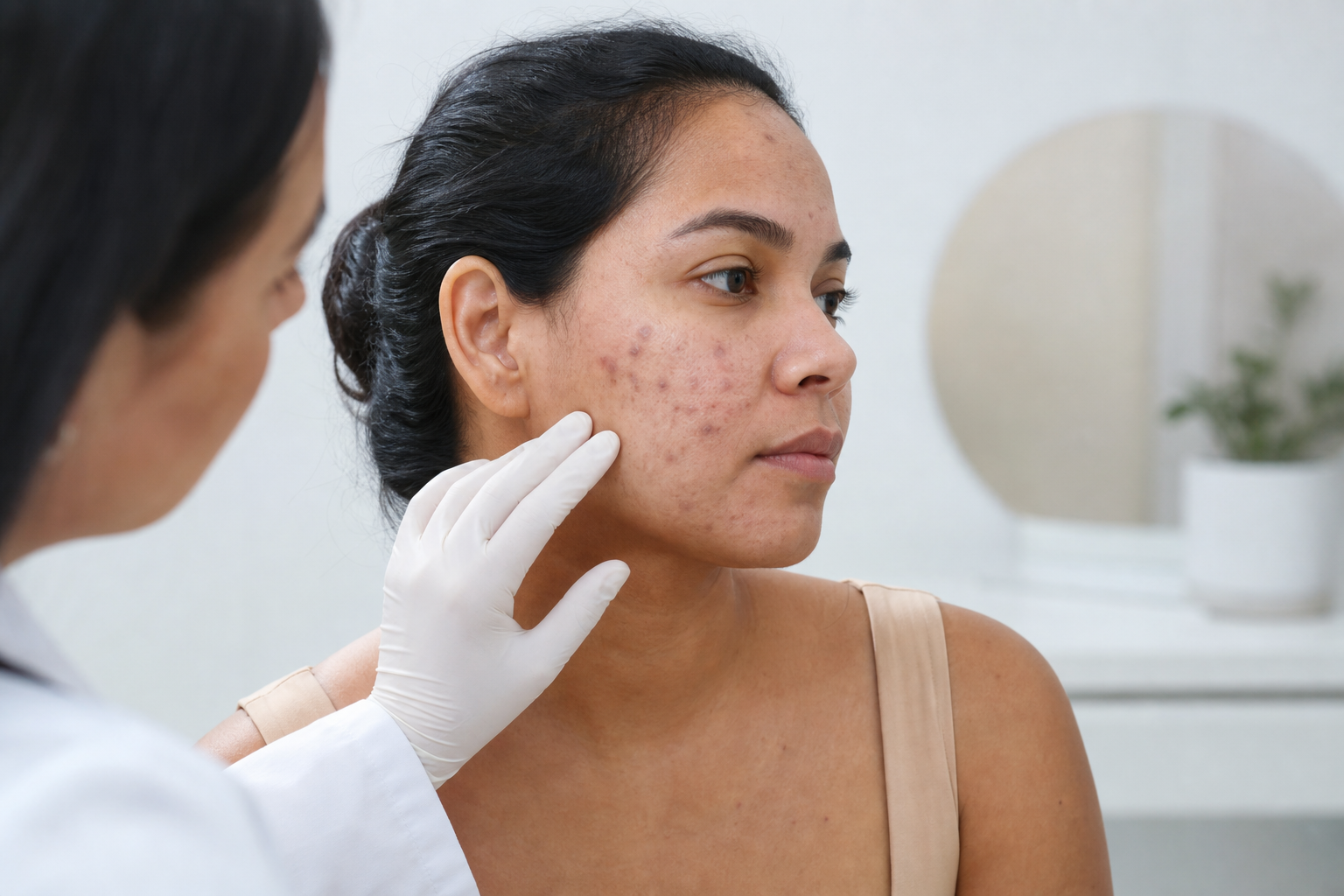
Active acne encompasses inflammatory skin lesions including papules, pustules, nodules, and cysts. They manifest due to clogged oil glands combined with bacterial proliferation and inflammation. These lesions present redness, swelling, and sometimes pain, signaling ongoing dermal inflammation.
Tackling dark marks or PIH while these lesions are active risks exacerbating inflammation and disturbing the skin’s healing trajectory. The skin during active acne is hypersensitive and more reactive to interventions that stimulate or disturb the epidermis.
Additionally, some treatments designed to lighten pigmentation, such as lasers or chemical peels, can induce irritation or microtrauma when applied prematurely, potentially worsening pigmentation rather than improving it.
Therefore, the presence of active inflammation necessitates a conservative and staged approach, focusing first on controlling acne activity to allow the skin to transition into a more stable, less reactive state before targeting pigmentary lesions.
Distinguishing Brown Post-Inflammatory Hyperpigmentation from Red Post-Inflammatory Erythema
One of the foundational understandings in pigment correction post-acne is differentiating between brown PIH and red post-inflammatory erythema, as their pathophysiologies, clinical appearances, and treatment approaches diverge substantially.
Brown PIH results from increased melanin production or abnormal melanin distribution in response to inflammation. It appears as flat, brownish spots and is especially persistent on darker skin tones due to higher basal melanin levels.
Red post-inflammatory erythema is a vascular phenomenon, reflecting dilated and inflamed superficial blood vessels that produce red or pink patches. Unlike PIH, erythema often resolves gradually over months and responds differently to treatments, often requiring modalities targeting vascular components.
This distinction is critical because a generalized treatment approach can be ineffective or harmful. For example, pigmented lesions respond better to pigment-specific lasers and topical agents, whereas vascular lasers and calming therapies address erythema.
Why Controlling Active Inflammation Is Paramount Before Treating Dark Spots
The rationale behind prioritizing acne control lies in minimizing risks associated with treating inflamed skin:
1. Risk of exacerbating pigmentation: Treating active lesions can result in increased melanogenesis due to ongoing inflammation, paradoxically intensifying PIH or creating new pigmentary changes.
2. Potential for scarring: Interventions during active inflammation may increase skin trauma, prolong healing, and elevate the risk of hypertrophic scars or textural irregularities, complicating subsequent pigment correction.
3. Optimizing treatment efficacy: Clear, non-inflamed skin allows for targeted, controlled treatments that can penetrate and act appropriately on hyperpigmented cells without interference from swelling or redness.
Failing to establish inflammation control can lead to disappointing results and even worsening of pigmentation, especially in those with darker skin phototypes prone to reactive melanogenesis.
How Are Active Acne Lesions Effectively Managed Before Addressing Post-Inflammatory Pigmentation?
Managing active acne involves a multi-modal strategy tailored to the severity of lesions, skin type, and patient tolerance. Common interventions include:
Topical therapies: Retinoids accelerate cellular turnover and help normalize epidermal behaviour, thereby reducing comedones and subsequent inflammation. Benzoyl peroxide exerts antibacterial effects, and azelaic acid can modulate pigmentation pathways and inflammation simultaneously.
Systemic treatments: For moderate to severe acne, oral antibiotics reduce inflammation and bacterial load, while hormonal therapies may be applied where appropriate.
Skin care regimen adjustments: Patients are advised to use gentle cleansers, avoid aggressive scrubs or irritants, and implement consistent photoprotection to enhance skin barrier recovery and reduce inflammation.
Depending on individual response, gradual initiation of treatments combined with close medical supervision improves outcomes and prepares the skin adequately for subsequent pigment-focused interventions.
Special Considerations for Darker Skin Phototypes in Treating Post-Inflammatory Hyperpigmentation
Individuals with darker skin tones (Fitzpatrick phototypes III and above) require heightened caution when managing PIH due to intrinsic melanocyte activity and increased melanin content. Their skin exhibits a propensity for hyperreactive pigmentation following inflammation or injury.
Invasive treatments like high-energy laser procedures risk triggering paradoxical hyperpigmentation if not calibrated precisely, or if initiated too early during active inflammation. The phenomenon known as treatment-induced darkening can be particularly distressing.
Consequently, a cautious, stepwise approach is recommended, often starting with less aggressive modalities such as low-strength chemical peels, combined topical agents that inhibit melanogenesis, and stringent sun avoidance strategies.
Moreover, practitioners should conduct a detailed assessment and consider individual pigmentary responses before deciding on laser parameters or peel intensities, balancing efficacy and safety meticulously.
Potential Risks of Laser and Procedural Treatments on Active Acne and How to Mitigate Them
Laser and other energy-based treatments can significantly improve post-acne pigmentations, but when applied to inflamed or active acne lesions, they may:
- Worsen inflammation through thermal or mechanical injury;
- Induce new pigmentary disturbances as a reaction to trauma;
- Prolong recovery time and increase discomfort;
- Aggravate bacterial colonization by disrupting skin barrier integrity.
To mitigate these risks, protocols emphasize deferring laser and invasive procedures until acne is controlled and inflammation abated. Careful patient selection, pre-treatment with anti-inflammatory regimens, and conservative laser settings contribute to minimizing adverse effects.
Continuous evaluation and modification of therapy according to response and tolerance is a cornerstone in optimizing results.
Common Questions: Addressing Uncertainties in Acne and Post-Inflammatory Hyperpigmentation Treatment
How long should one wait after acne lesions subside before treating dark marks? Typically, a waiting period of several weeks is advisable to allow full resolution of inflammation and restoration of skin barrier function, though exact timing is individualized based on clinical evaluation.
Can some laser treatments effectively target active acne lesions? Certain laser types (e.g., specific blue or red light therapies) have efficacy in reducing active acne by targeting acne-causing bacteria and modulating inflammation, but these differ from treatments intended for pigmentation and require specialized protocols.
What alternatives exist for managing hyperpigmentation while controlling active acne? Topical agents like azelaic acid, niacinamide, and vitamin C derivatives can be safely used alongside acne treatments to gradually lighten pigmentation without exacerbating inflammation.
How to differentiate PIH from acne scarring? PIH presents as flat pigmentary changes with normal skin texture, whereas scarring often includes textural changes such as depressions or raised areas. Dermatological assessment and imaging tools can aid accurate diagnosis.