Embarking on the journey of your first Botox treatment represents a significant step in the realm of aesthetic medicine. For many, it’s a carefully considered decision aimed at enhancing their appearance, refreshing their facial expressions, and gracefully addressing the early signs of aging without resorting to invasive procedures. Botox, a well-known and widely utilized agent in cosmetic dermatology, offers a minimally disruptive option to soften wrinkles and prevent new crease formation, all while maintaining a natural look. Yet, this pathway is not merely about applying a treatment; it involves deliberate thought, informed understanding, and a meaningful consultation with a skilled medical professional.
This editorial will guide you through the full spectrum of considerations and preparations that lay the groundwork from the moment you decide to pursue Botox, leading up to, and including, your initial consultation. Whether you are driven by a desire to soften existing lines, to proactively preserve youthful skin, or to augment your confidence, it’s essential to decode what Botox is, whom it suits, and how best to approach your practitioner. A first Botox experience is as much about aligning expectations and understanding potential benefits and limitations as it is about the procedural aspects. This exploration aims to equip you with the insight needed to approach this aesthetic milestone with clarity and assurance.
Comprehending Botox: The Science and Suitability for Your Skin
Botox is the trade name for botulinum toxin type A, a purified protein known for its ability to cause temporary muscle relaxation. By selectively targeting facial muscles responsible for dynamic wrinkles—those formed by repetitive expression—Botox minimizes the appearance of fine lines and creases. Its primary uses in aesthetics focus on the forehead, glabellar region (the area between the eyebrows), and the eye region, including crow’s feet. Beyond its cosmetic applications, Botox was originally developed to treat medical conditions involving muscle spasms, highlighting its therapeutic versatility.
Understanding Botox starts with recognizing that it is not a permanent remedy nor a cure for all signs of aging. Its effects are transient and require maintenance to sustain the refreshed aesthetic. Importantly, it functions by inducing temporary paralysis of targeted muscles, which softens lines produced by repetitive movements but does not alter skin texture or address static wrinkles caused by other factors such as skin laxity or volume loss.
Candidates for their first Botox typically fall within the 30 to 50-year age range, often seeking to prevent deep lines or soften ones recently formed. Younger individuals with early fine lines might also benefit following expert assessment. However, it is not universally suitable — individuals with certain neurological conditions, pregnant or breastfeeding women, or those with specific allergies must avoid treatment. This underscores the necessity of a tailored medical evaluation before proceeding.
The Psychological Landscape Behind Choosing Your First Botox Treatment
Deciding on Botox is inevitably intertwined with emotional and psychological elements. Motivations vary widely: some seek to realign their external appearance with how young and vibrant they feel internally; others respond to societal influences or a desire to boost self-esteem. It is crucial to navigate these motivations with honesty and critical reflection before commitment.
Realistic expectations form the cornerstone of satisfaction. Botox can subtly enhance your look, returning a more rested, less tense expression, but it won’t erase every wrinkle nor transform your face entirely. Patients must confront fears related to needles, pain, or adverse effects by seeking accurate information and transparent dialogue with their provider. Equally, recognizing the limits of what the treatment can safely achieve ensures a grounded mindset that prevents disappointment.
Open communication with the healthcare provider not only informs procedural aspects but also offers psychological reassurance, fostering trust and confidence needed for a positive first experience. Acknowledging the personal significance of this decision helps to frame it as a conscious choice for self-care rather than a reaction to external pressure.
What Awaits You: The Initial Consultation Experience
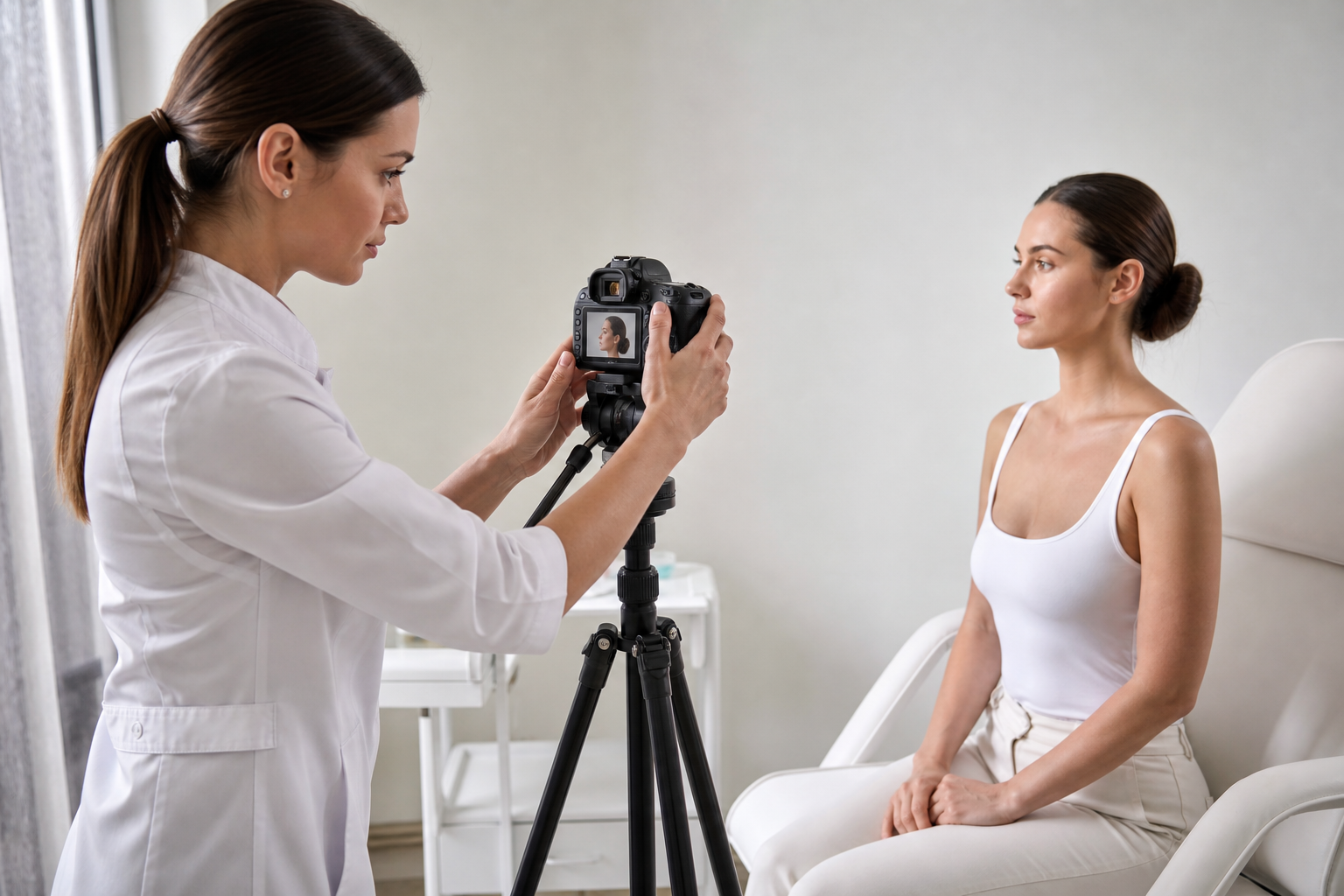
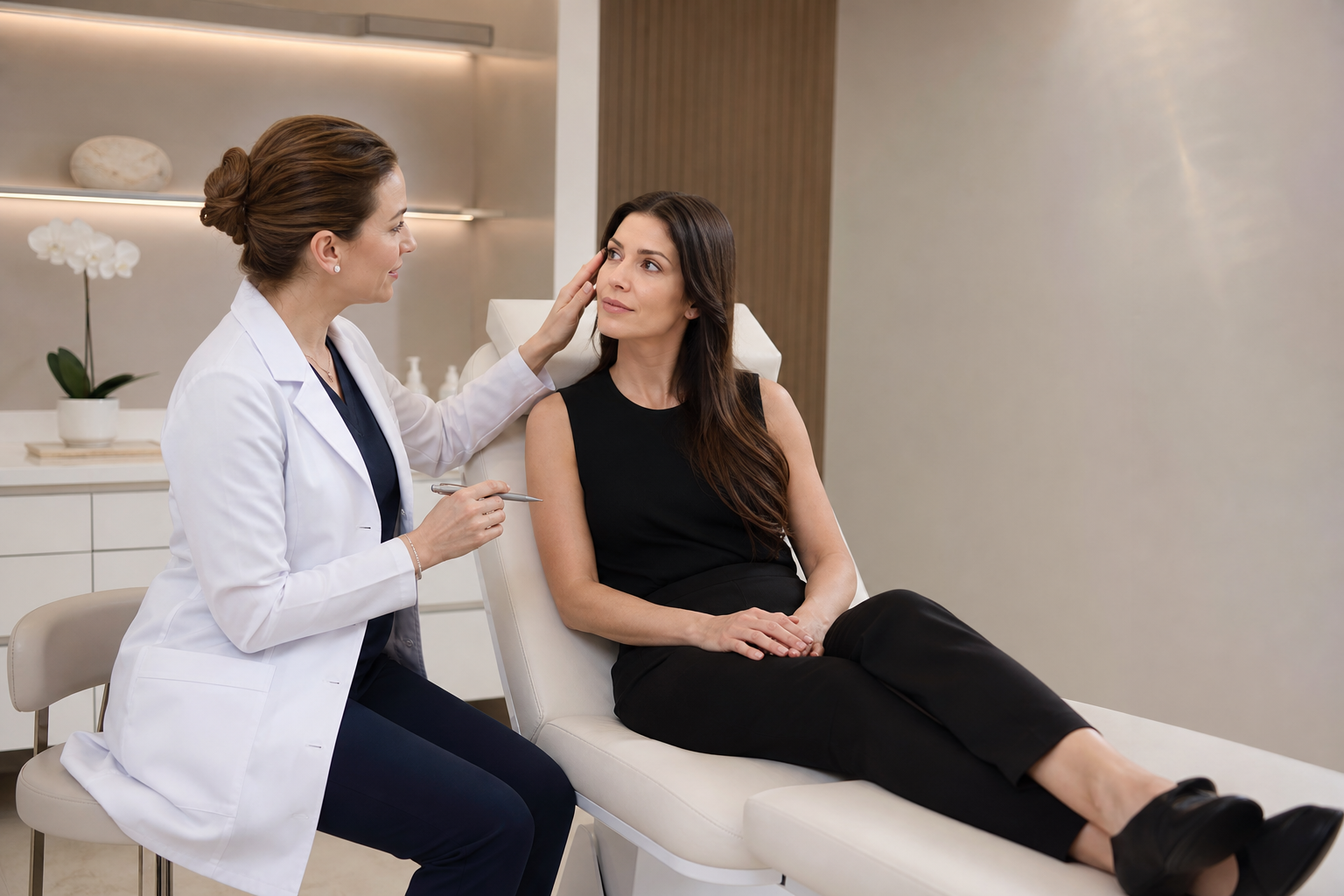
The consultation for your first Botox treatment is a pivotal encounter designed to build a comprehensive understanding between you and your practitioner. It involves an in-depth review of your medical history, discussion about your aesthetic goals, and an examination of your facial anatomy to identify muscle groups that contribute to problem areas.
This dialogue enables the practitioner to recommend realistic outcomes and tailor treatment plans specifically for you. Clarifying whether you prefer subtle refinements or more noticeable smoothing is essential, as this guides the dosage and injection sites. Any prior aesthetic procedures or medications you are taking are carefully considered to rule out contraindications or possible interactions.
A vital component of this meeting is the informed consent process. You will receive detailed information on the procedure’s nature, possible side effects, post-treatment care, and alternative options if Botox is not suitable. This ensures you provide consent based on understanding rather than assumption, aligning with best practices in medical ethics.
Essential Inquiries: Preparing Your Questions for the Botox Consultation
Approaching your consultation equipped with thoughtful questions helps to demystify the process and build your confidence. Common areas to explore include the safety profile of Botox, how long the effects might last, and what to anticipate regarding potential adverse reactions or recovery requirements. It is prudent to ask about the medical qualifications and experience of the clinician performing the injections, as skill and familiarity with facial anatomy are critical to achieving natural results.
Inquiring about the specific product being used, its regulatory approval status, and how many units are anticipated for your treatment can also deepen your understanding. Since various botulinum toxin formulations exist with differing properties and unit metrics, awareness of these distinctions aids in setting appropriate expectations.
Never hesitate to voice any discomfort or fears, including concerns about needle injections or pain. This transparent exchange allows the practitioner to address anxieties preemptively and suggest comfort measures, such as topical anesthetics or distraction techniques, enhancing your experience.
Navigating the Physical and Emotional Aspects of the Injection Session
The thought of needles may provoke apprehension, but most patients report that Botox injections cause only mild and brief discomfort. The use of ultra-fine needles and precise injection techniques reduces pain significantly. Moreover, a skilled clinician will take care to ensure your comfort throughout the procedure, communicating clearly about what to expect.
Psychological preparation, including visualization of the benefits and placing trust in your provider, plays a crucial role in managing anxiety. Some find that observing the process or handling the syringe beforehand reduces fear. Remember, your practitioner’s role encompasses not just technical delivery, but also emotional support, making your first treatment a calm and reassuring encounter.
Understanding the Outcomes and Constraints of Your First Botox Treatment
After your initial Botox application, changes will manifest gradually over several days, culminating around one to two weeks post-treatment. You can expect a gentle smoothing of expression lines which lends a fresher and more relaxed appearance. It’s important to temper enthusiasm, recognizing that Botox does not erase all wrinkles nor halt the natural aging process.
The duration of the effect typically spans from three to six months, after which muscle action gradually returns to baseline, and wrinkles can reappear. Maintenance sessions are necessary to preserve results. Additionally, the efficacy may vary depending on individual muscle strength, skin condition, and lifestyle factors.
Limitations include its inability to address static wrinkles or those formed from volume loss, sagging skin, or deep furrows that have become permanent. Many clinicians recommend combining Botox with complementary treatments, such as dermal fillers or skin resurfacing techniques, to achieve a more comprehensive rejuvenation.
Awareness of these nuances ensures that your first Botox experience remains satisfying and aligned with what this treatment can realistically offer.