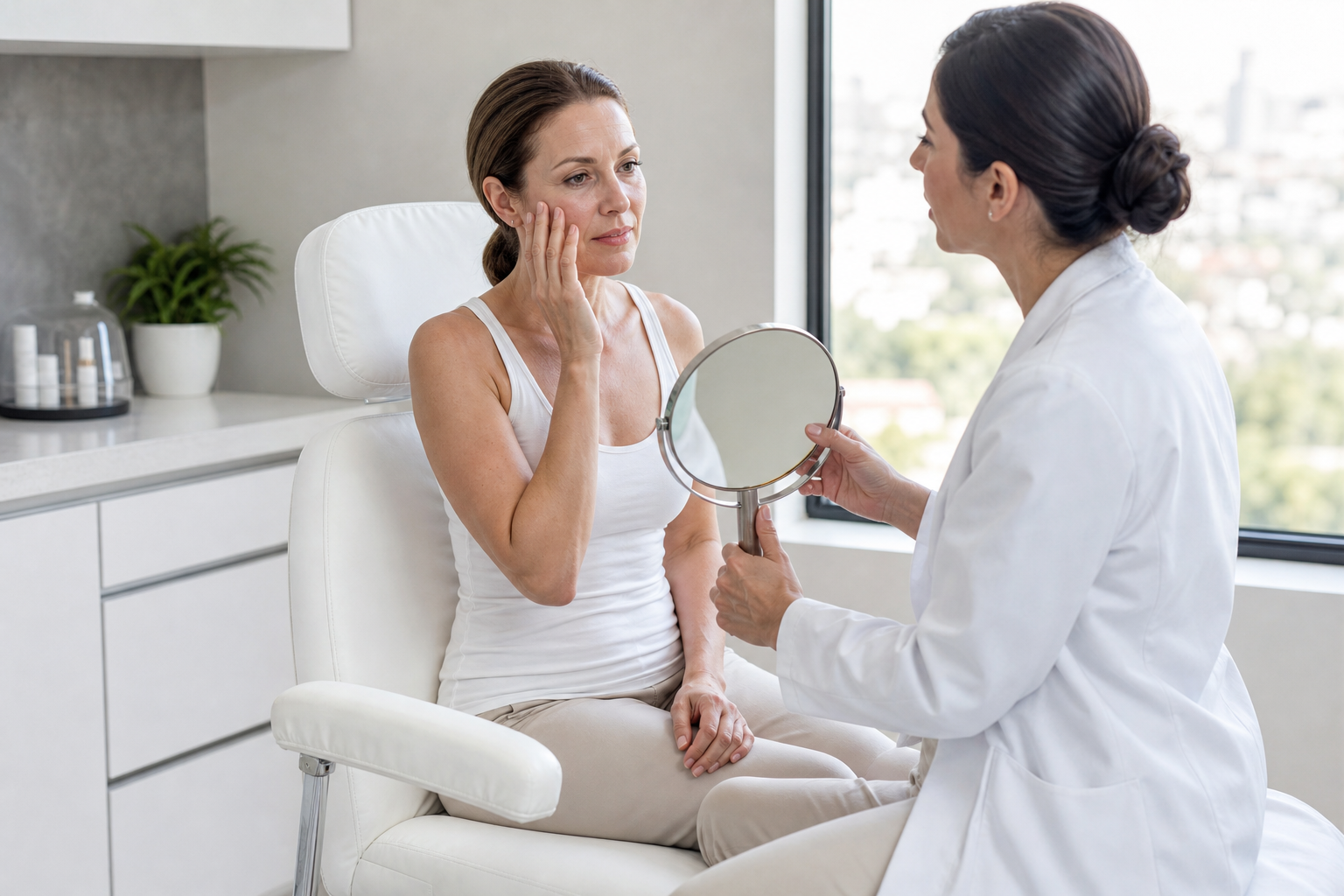
Visible facial capillaries, known clinically as telangiectasias, represent a common and often distressing aesthetic concern that affects many individuals across different ages and skin types. These tiny, threadlike blood vessels manifest as red, blue, or purple lines or webs on the skin's surface, particularly noticeable on delicate areas such as the nose, cheeks, and chin. While they may present primarily as a cosmetic issue, their presence also signals underlying changes in the skin’s vascular architecture and sometimes indicates sensitivity in the skin’s circulatory system. Understanding why capillaries burst on the face is crucial not only for those seeking clearer, more uniform skin but also for individuals wanting to maintain the health and integrity of their facial skin over time.
This topic matters because the appearance of burst capillaries can impact self-confidence, influence skincare decisions, and drive interest in advanced dermatological treatments. People who notice these vascular changes often wonder about their causes, implications, and how best to address them without exacerbating skin sensitivity. Additionally, the conversation around visible capillaries leads naturally into the broader field of vascular dermatology and the role of cutting-edge laser procedures designed to minimize or eliminate the appearance of these vessels. For anyone concerned about their facial appearance, especially those with a predisposition to capillary fragility, knowing the underlying mechanisms and available options is empowering and essential.
In the following sections, we will explore what facial capillaries are, why they become visible and burst, what factors contribute to their development, how they differ from related vascular conditions, and importantly, what treatment options exist, focusing on laser interventions within the context of vascular treatments. This comprehensive insight serves readers seeking scientifically grounded, practical knowledge to understand and manage visible facial capillaries effectively.
What Exactly Are Facial Capillaries and Why Do They Become Visible?
Capillaries are the smallest and most delicate blood vessels in the human body, serving as crucial networks bridging arteries and veins. Their primary function is facilitating the exchange of oxygen, nutrients, and metabolic waste between the blood and surrounding tissues. Under normal conditions, facial capillaries are almost imperceptible to the naked eye due to their minute size and the protective barrier of skin and connective tissues covering them.
However, several physiological and environmental factors can cause these capillaries to enlarge, weaken, or become damaged, making them visible on the skin’s surface. When capillaries dilate excessively or the vessel walls lose elasticity, they may break or leak, leading to the characteristic reddish or bluish fine lines seen on the face. This process of visibility and bursting is often referred to as telangiectasia in medical terminology.
The delicate skin around the nose, cheeks, and chin is especially prone to revealing such vascular changes because it is thinner and more translucent than other parts of the body. Additionally, the facial region is richly supplied by superficial blood vessels, increasing the likelihood that vessel anomalies manifest noticeably.
It is important to understand that capillary visibility is not always linked solely to aging but can occur at any stage of life depending on various intrinsic and extrinsic influences. The thinned skin associated with age does make capillaries more apparent, as elasticity diminishes and the vascular walls weaken naturally over time.
Which Factors Contribute to the Bursting of Capillaries on the Face?
The phenomenon of bursting capillaries has multiple triggers, often interconnected. Genetics often plays a significant role; individuals with a family history of fragile capillaries or rosacea are more likely to experience visible facial vessels.
Environmental elements such as prolonged and unprotected exposure to ultraviolet radiation from the sun can degrade collagen and elastin fibers that support the skin and its underlying vasculature. This degradation compromises the structural stability of capillaries, making them vulnerable to dilation and rupture.
Moreover, sudden shifts in temperature, such as moving rapidly from a cold environment to warmth or vice versa, cause blood vessels to constrict and dilate, a process that can stress vascular walls and result in micro-tears. These tears manifest as broken capillaries.
Aggressive skincare practices—including harsh exfoliation, chemical peels, and physical trauma from facial massages or scrubs—can also damage fragile blood vessels, especially in sensitive skin types. Chronic inflammatory skin conditions like rosacea exacerbate capillary visibility by promoting persistent vascular dilation and inflammation.
Systemic factors, though less common, include hormonal fluctuations, alcohol consumption, and certain medications that affect vascular permeability and integrity. However, their effects tend to be indirect and influenced by individual susceptibility.
How Can Facial Capillaries Be Distinguished From Spider Veins and Varicose Veins?
It is essential to differentiate visible facial capillaries from other vascular anomalies such as spider veins and varicose veins, which have distinct characteristics and underlying causes. Facial capillaries are the tiniest blood vessels, presenting as slender red or blue threads close to the skin surface, typically clustered or scattered.
Spider veins, while similar, are usually larger and more tortuous vessels that may appear as web- or tree-branch-like patterns. They more commonly manifest on the legs but can also emerge on the face.
Varicose veins are enlarged, twisted veins often visible on the legs, resulting from vein valve insufficiency and venous hypertension. In contrast, facial capillaries have no clinical relation to systemic venous insufficiency and are predominantly a superficial skin concern.
Identifying the specific type of vascular condition informs treatment paths, as therapies efficacious for leg varicosities may not be appropriate or safe for delicate facial skin.
What Are the Current Treatment Modalities for Visible Facial Capillaries?
In recent years, advances in dermatological treatment have vastly expanded options for managing visible facial capillaries. While topical skincare can provide some support—namely in reducing inflammation and strengthening vessel walls—the most definitive improvement often requires targeted procedures.
Laser therapy stands at the forefront for treating vascular lesions. These procedures employ selective photothermolysis, whereby laser energy is absorbed by hemoglobin within blood vessels, generating heat that causes vessel walls to collapse and seal without damaging surrounding tissue. Over time, the body reabsorbs the closed vessels, reducing visible capillaries and redness.
It is important to clarify that Intense Pulsed Light (IPL) therapy, while also used for vascular concerns, differs from lasers in its broader light spectrum and mechanism of action. IPL can offer reduction of redness and improve skin tone but typically requires multiple sessions for noticeable effects and may be less precise than laser treatments for targeting tiny capillaries.
Other treatment options, such as sclerotherapy or surgical interventions, are generally reserved for larger veins, less applicable for facial capillaries because of the risk of scarring and skin damage.
Who Should Consider Treatment for Bursting Facial Capillaries?
Individuals noticing the emergence of visible capillaries on their face who experience associated distress or desire an improved complexion can benefit from professional evaluation. Treatment candidacy depends on various factors, including skin type, the extent of vascular changes, underlying skin conditions, and overall health.
Those with chronic skin sensitivities or diseases like rosacea should seek consultation to integrate capillary treatments within their broader skin management strategies. Furthermore, people exposed to persistent environmental stressors or with familial predisposition who wish to proactively maintain skin quality might pursue early interventions.
It is crucial to consult experienced dermatologists or laser specialists to discuss realistic outcomes and tailor treatment plans to individual needs, ensuring safety and efficacy.
What Are Realistic Expectations from Laser and Light-Based Treatments for Facial Capillaries?
Laser vascular treatments typically yield significant reduction in the visibility of broken facial capillaries and redness, improving skin uniformity and overall aesthetic appearance. However, it is imperative to maintain realistic expectations: such therapies do not guarantee permanent eradication of all capillaries.
New capillaries may develop due to ongoing exposure to causative factors or biological aging processes. Moreover, the response to treatment varies individually, influenced by skin type, vascular density, and compliance with pre- and post-treatment care.
Generally, a series of sessions spaced over weeks may be required to achieve optimal results, accompanied by maintenance treatments over time. The risk of side effects is minimal with contemporary laser systems but still exists, underlying the importance of professional administration and careful selection.
How Can Individuals Naturally Prevent or Reduce the Appearance of Facial Capillaries?
Beyond procedural interventions, various natural and lifestyle strategies contribute substantially to vascular health and the prevention of capillary damage. Daily use of broad-spectrum sun protection reduces ultraviolet-induced collagen breakdown, protecting skin and vessels alike.
Choosing gentle skincare products formulated for sensitive skin can minimize trauma and inflammation that exacerbate capillary fragility. Avoiding extreme temperature fluctuations, such as hot showers followed by exposure to cold, can prevent excessive vascular stress.
Hydration and nutrition are equally vital, supporting skin integrity and vessel strength. Diets rich in antioxidants—found in colorful fruits and vegetables—help fight oxidative stress that undermines skin and vascular health.
Additionally, moderating alcohol intake and refraining from smoking reduce systemic inflammation and vascular dilatation tendencies.


