Radiofrequency (RF) skin treatments have emerged as a popular non-invasive cosmetic procedure designed to tighten the skin, reduce wrinkles, and rejuvenate the overall facial and body appearance. Leveraging radiofrequency energy to stimulate collagen and elastin production in the deeper layers of the skin, these treatments offer visible improvements without the need for surgery or extensive downtime. As more individuals seek minimally invasive options for enhancing their skin's firmness and youthfulness, understanding the factors that influence the cost of RF skin treatments becomes essential for making informed decisions.
Determining the cost of RF treatments is a nuanced process influenced by a variety of components, from the type of radiofrequency technology employed to the expertise of the practitioner and the number of sessions required. For potential clients—whether they are first-time users curious about non-surgical skin tightening or those looking to maintain youthful skin—comprehending these factors not only aids in budgeting but also sets realistic expectations regarding achievable results.
This article explores the key factors that determine the pricing of radiofrequency skin treatments, shedding light on technological variations, treatment areas, session frequency, provider qualifications, and supplementary services. By unraveling these components, readers will gain clarity on what they are investing in and how to choose the most suitable RF procedure tailored to their individual needs and cosmetic goals.
What Exactly Is Radiofrequency Skin Treatment and Who Is It For?
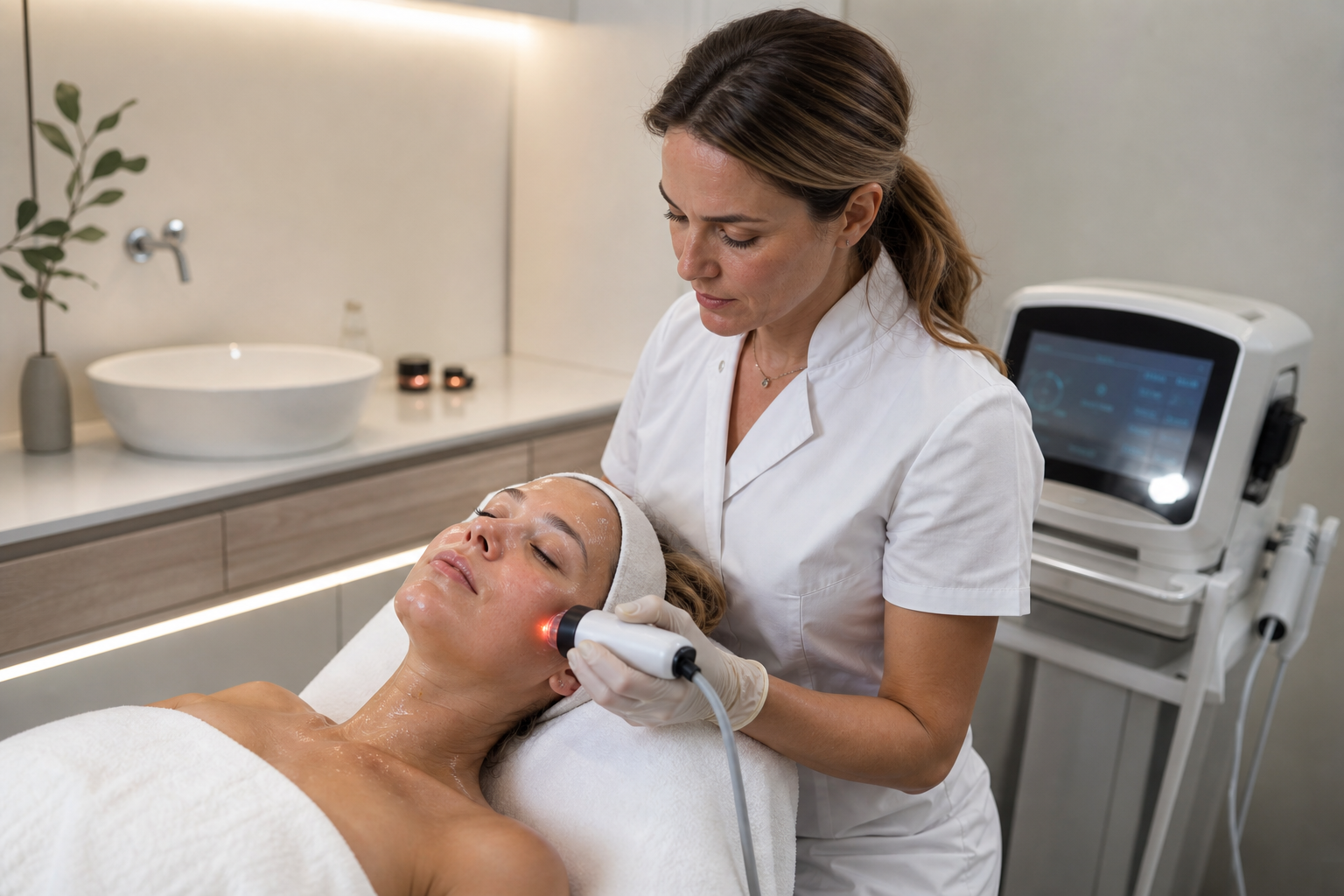
Radiofrequency skin treatment, often referred to as RF lifting or RF facial lifting when applied to the face, utilizes electromagnetic waves to deliver controlled heat energy to the skin’s dermis layer. This heat stimulates the activity of fibroblast cells, which in turn boosts the natural synthesis of collagen and elastin—key proteins responsible for skin elasticity and firmness. The end result is enhanced skin texture, tighter contours, and a reduction in fine lines and wrinkles.
This technology is suitable for a broad demographic, ranging from younger adults aiming to prevent early signs of aging to mature individuals seeking non-surgical skin tightening solutions. RF treatments are versatile, addressing not only facial concerns such as sagging cheeks, jowls, and under-eye laxity but also body areas like the neck, arms, abdomen, and thighs where skin looseness or cellulite may appear.
Importantly, RF treatments are typically favored by those who desire gradual yet noticeable improvements without the risks, costs, and recovery time associated with surgical facelifts or other invasive procedures. Their minimally invasive nature, combined with the ability to resume normal activities immediately, makes RF skin treatments an appealing option in modern aesthetic medicine.
How Does the Type of Radiofrequency Technology Influence Treatment Cost?
One of the primary factors shaping the cost of RF skin treatments is the specific technology or technique used. Radiofrequency modalities vary significantly in complexity, depth of skin penetration, and invasiveness, each with its own efficacy profile and pricing structure.
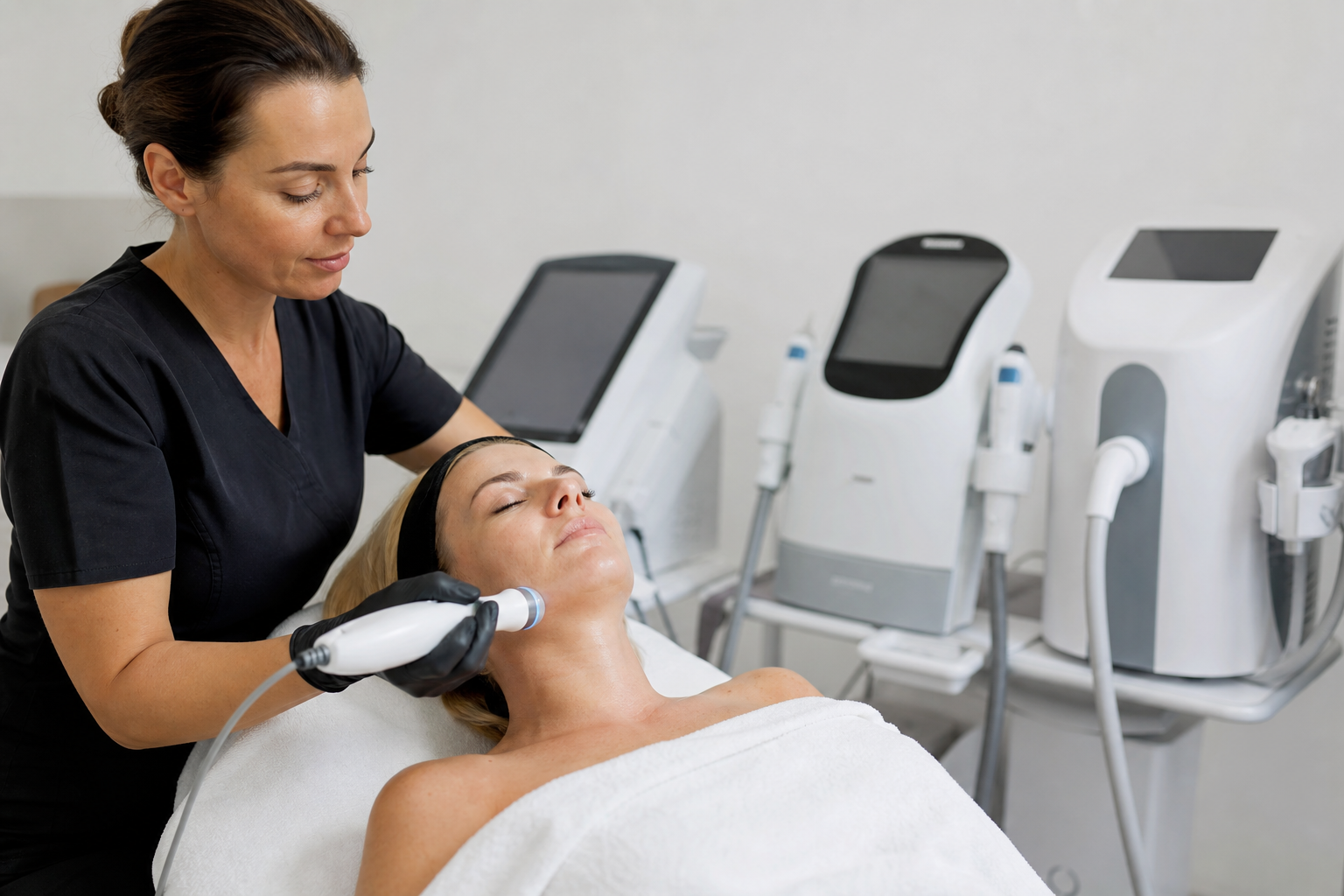
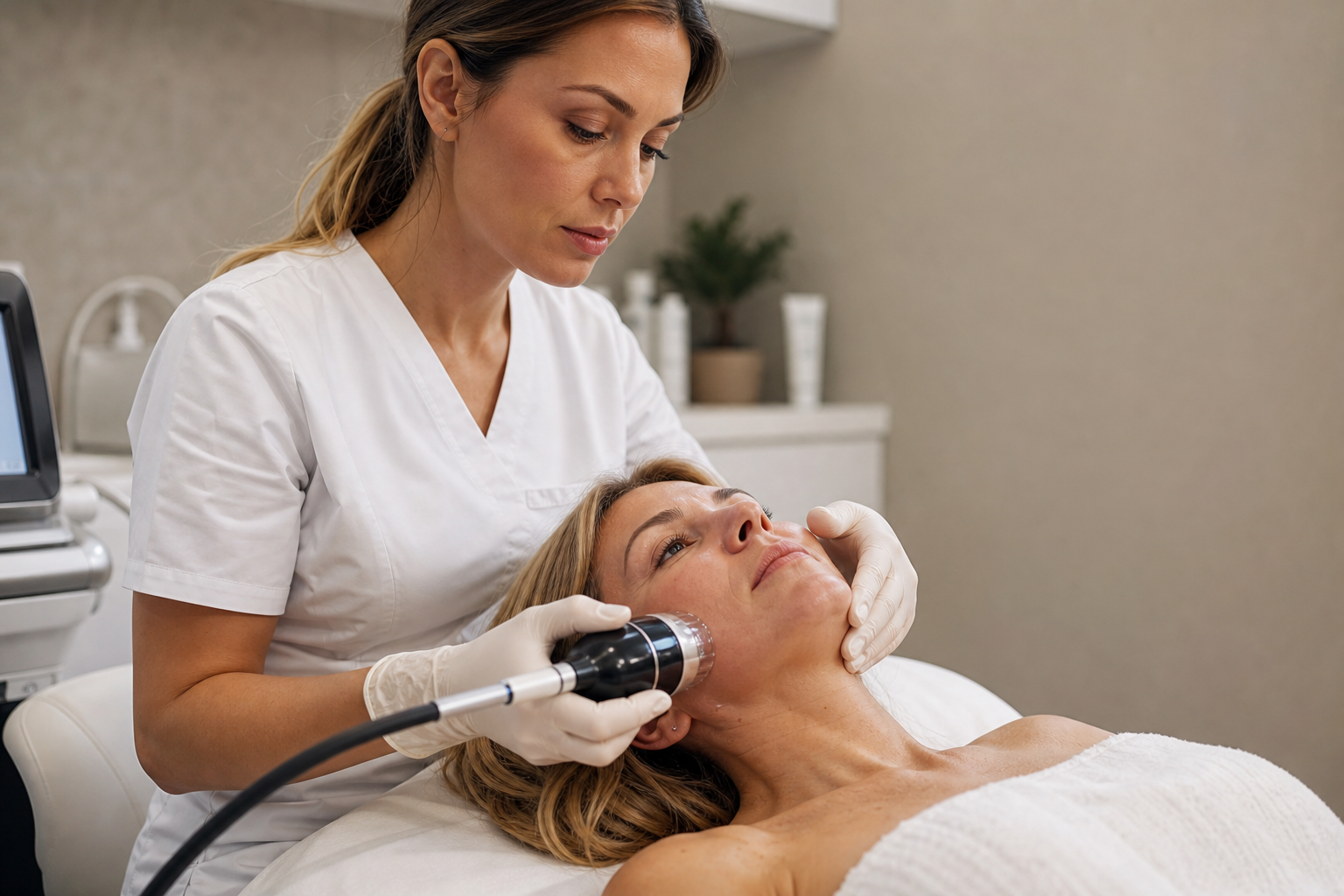
Classic noninvasive RF treatments employ external handpieces that deliver heat energy superficially and moderately deep in the skin without breaking the epidermal barrier. These procedures are generally quicker and cheaper on a per-session basis, making them accessible for clients seeking mild to moderate skin tightening.
Fractional RF devices represent a more advanced category, utilizing focused energy that treats micro-zones within the dermis while leaving surrounding tissue intact. Fractional RF treatments typically provide enhanced collagen remodeling and skin resurfacing benefits without needles, but they require more sophisticated equipment and expertise, contributing to higher costs.
RF microneedling, a minimally invasive technique, combines radiofrequency energy delivery through sterile microneedles inserted directly into the skin. This method enables precise targeting of deeper layers, facilitating stronger collagen stimulation and more dramatic skin tightening results. Because it involves skin penetration and demands expert handling, RF microneedling is generally the most expensive among standard RF options.
Beyond these, some centers might offer hybrid or combination protocols that synergize RF energy with other treatments like ultrasound or laser therapy. While potentially offering superior outcomes, such combinations entail additional costs due to the involvement of multiple technologies and longer session times.
In What Ways Does the Size and Location of the Treatment Area Affect Price?
The treatment area’s size has a direct correlation with the session’s duration, energy settings, and complexity, all of which influence the overall price. Smaller, localized zones—such as around the eyes, mouth, or forehead—generally require less time and less radiofrequency energy, making individual session costs comparatively lower.
Conversely, comprehensive treatments covering the full face or including multiple body parts, such as the neck, arms, and abdomen, involve longer procedures and higher device use, naturally raising the price. Larger areas may also present greater technical challenges, sometimes necessitating more powerful or specialized equipment, which adds to the expense.
It is worth noting that some providers may offer package pricing for multi-area treatments, which can provide clients with cost savings compared to paying for each area separately. Such bundled offerings can be economically advantageous but require evaluating which areas are essential for achieving desired cosmetic goals.
How Does the Number of Treatment Sessions Impact Total Costs?
RF skin tightening is often not a one-time procedure. While some immediate skin firming effects might be visible after a single session due to temporary tissue tightening, the most significant and lasting results arise over a series of treatments as cumulative collagen stimulation occurs.
The optimal number of sessions varies based on individual skin conditions, the type of RF technology used, and the target results. Typically, a course of three to six treatments spaced several weeks apart is recommended to achieve noticeable improvement. Therefore, the cumulative cost depends largely on the total number of sessions.
Some clinics allow clients to purchase single treatments, whereas others encourage commitment to full treatment plans through discounted packages. While initial session prices may seem affordable, understanding the necessity for multiple visits helps in accurately budgeting and prevents unexpected expenses.
Why Does the Provider’s Expertise and Reputation Affect RF Treatment Pricing?
The qualifications, experience, and reputation of the practitioner performing the RF treatment are critical determinants of price. Highly trained dermatologists, plastic surgeons, or certified aesthetic specialists often command higher fees but provide greater assurance of safety, treatment precision, and optimal outcomes.
Experienced providers are more adept at customizing treatment protocols to individual skin types and concerns, minimizing risks such as burns or uneven results. Additionally, reputable clinics generally maintain higher standards of hygiene, patient care, and aftercare support, all contributing intangible quality factors that justify elevated prices.
Clients considering RF treatments should weigh the benefits of choosing credentialed practitioners even if their prices are above average. The cost differential sometimes reflects a level of trustworthiness and professionalism that safeguards long-term satisfaction and skin health.
How Do the Quality and Features of the Equipment Influence Costs?
The choice of RF device and its technological capabilities have a substantial effect on treatment pricing. Newer generation machines with advanced features—such as multiple frequency settings, real-time skin temperature monitoring, or integrated cooling systems—can enhance safety, comfort, and efficacy but also raise operating expenses.
Purchasing, maintaining, and calibrating sophisticated RF equipment requires significant investment from clinics. These costs are typically incorporated into treatment fees, explaining why centers using cutting-edge devices may charge more.
While it can be tempting to opt for cheaper RF treatments from clinics with outdated or lower-cost equipment, clients should be alert to potential compromises in results and safety. Technologies that can consistently deliver deeper, more uniform energy penetration with minimal discomfort tend to justify their premium cost.
Do Additional Services and Preparatory Procedures Affect the Price of RF Skin Treatments?
Many comprehensive RF treatment packages include additional steps such as pre-treatment skin preparation, application of specialized serums, or post-treatment cooling and hydrating masks designed to enhance efficacy and reduce discomfort. These services contribute to the overall experience and outcomes but also add to the final price.
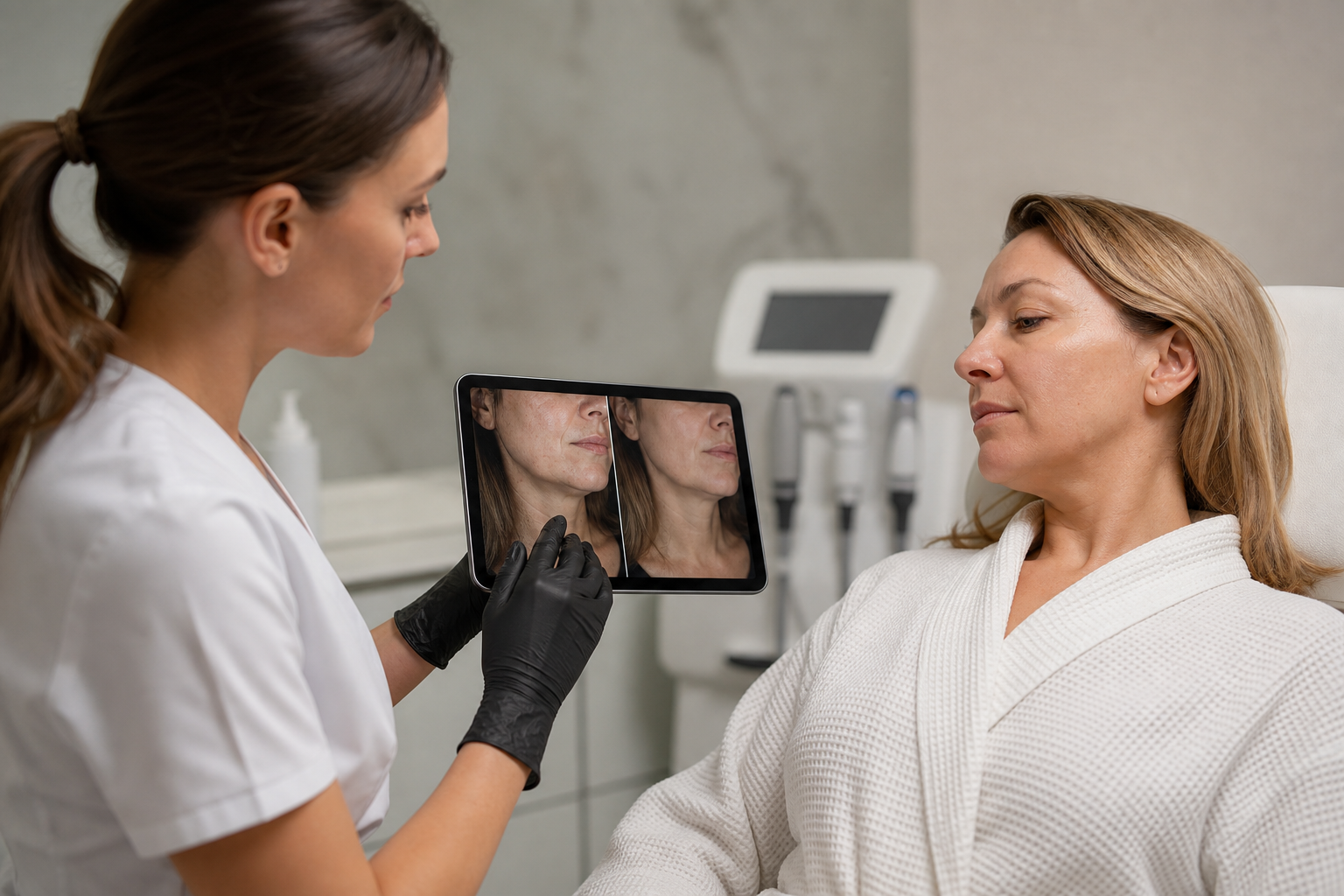
For example, some clinics provide detailed skin analyses before treatment to customize protocols, which may be factored into fees. Post-treatment skincare regimens, recommended products, or optional follow-up sessions also represent supplementary expenditures that clients should anticipate.
Understanding precisely what is included in the quoted price—whether it covers only the RF procedure itself or a more holistic package—enables clients to make cost-effective choices aligned with their expectations.
How Do Geographic Location and Clinic Reputation Play into RF Treatment Costs?
RF skin treatment prices often reflect geographical market differences. Clinics located in metropolitan areas or affluent neighborhoods may charge higher fees due to increased overhead costs, higher rent, and greater demand among clientele seeking premier services.
Reputation built through client testimonials, media exposure, or affiliations with respected professional organizations can also elevate pricing. Well-established clinics known for excellence tend to invest more in staff training, technology updates, and patient care, elevating their fee structures.
Conversely, emerging clinics or those in less competitive markets may offer more affordable RF treatments but might not have the same experience or equipment standards. Prospective patients should balance cost savings against factors like safety, quality, and results when evaluating options.
What Can Clients Expect Regarding Treatment Results and the Visibility of RF Lifting Effects?
The results of RF skin treatments typically manifest gradually as newly formed collagen matures. Initial improvements such as tightened skin texture and improved tone might be noticed within days after treatment, but the full scope of benefits often develops over several weeks to months post-procedure.
Effective RF lifting results include more lifted and contoured facial features, reduction of fine lines and wrinkles, diminished skin laxity, and overall rejuvenated appearance. Duration of these effects varies depending on individual factors like age, lifestyle, and skin condition but generally lasts between six months to two years.
While RF treatments provide significant non-surgical skin tightening, they do not replicate the dramatic results of surgical facelifts. Clients should maintain realistic expectations and often benefit from maintenance treatments to prolong outcomes.
How Should One Assess Whether the Cost of RF Treatment Aligns With Their Personal Needs and Budget?
Selecting the right RF skin treatment involves careful consideration of multiple intertwined factors beyond price alone. Clients should first clearly define their cosmetic goals, skin condition, and tolerance for treatment invasiveness and downtime.
Engaging in consultations with qualified providers helps establish a personalized treatment plan, including recommended technology, areas to treat, and anticipated number of sessions. Providers who offer transparent pricing with detailed breakdowns enable clients to evaluate the true value proposition.
Comparing options involves balancing cost against expected efficacy, provider expertise, equipment quality, and included services. Paying slightly more for superior care and technology often results in better safety and satisfaction.
Budgeting should also consider ancillary expenses such as skincare products, consultations, and follow-up sessions. Ultimately, RF treatment is an investment in skin health and appearance; making an informed, thoughtful choice ensures the best possible return on that investment.