The visible signs of aging often manifest in the delicate eye and brow region, an area crucial to facial expression and youthful appearance. Among the most common concerns are drooping eyebrows and excess eyelid skin, conditions that may appear similar to the untrained eye but represent distinct issues with different anatomical and physiological underpinnings. Understanding these differences is essential not only for achieving optimal aesthetic outcomes but also for maintaining or improving visual function and facial harmony.
This editorial explores the nuanced distinctions between drooping eyebrows (also known as brow ptosis) and excess eyelid skin (dermatochalasis), particularly in the context of non-surgical treatments such as Botox. It is intended for individuals noticing changes in their eye and brow area, healthcare professionals specializing in aesthetic medicine, and anyone seeking a comprehensive understanding of these conditions. By clarifying the causes, clinical presentations, and treatment approaches—including the role and limitations of Botox—readers will be better equipped to make informed decisions regarding their facial rejuvenation strategies.
The significance of differentiating these conditions lies in their impact on both appearance and function. While drooping brows can impart a tired or angry expression and may contribute to visual field impairment, excess eyelid skin can physically obstruct vision and cause discomfort. In an era where minimally invasive treatments are increasingly popular, aligning patient expectations with clinical realities is more important than ever.
Anatomical Foundations: Distinguishing Drooping Eyebrows from Excess Eyelid Skin
To accurately differentiate between drooping eyebrows and excess eyelid skin, one must first appreciate the anatomy of this facial zone. The eyebrows rest on the supraorbital ridge and are maneuvered by a complex interplay of muscles—primarily the frontalis, corrugator supercilii, and procerus—which regulate their position and expression. Below the brow, the upper eyelids consist of skin, subcutaneous tissue, muscles (notably the levator palpebrae superioris and orbicularis oculi), and connective tissue structures that facilitate eyelid movement and eye protection.
Drooping eyebrows occur when there is a weakening or relaxation of the muscles and ligaments supporting the brow. This descent alters the brow's resting position, sometimes asymmetrically, and can create shadowing or pressure on the eyelids. Conversely, excess eyelid skin is primarily a dermatological and structural issue involving the thinning and laxity of the skin and underlying fat, resulting in redundant folds that may hang over the eyelashes or even impair the eyelid's mobility.
Recognizing these anatomical differences is crucial. Drooping brows influence the entire upper facial expression and can indirectly contribute to eyelid heaviness. Excess skin affects the eyelid contour and can be solely responsible for visual obstruction and a heavy sensation around the eyes. These facets inform not only diagnosis but also the selection of suitable interventions.
Mechanisms Behind Aging Changes in the Brow and Eyelid Regions
Aging is the predominant driver of changes leading to drooping eyebrows and excess eyelid skin, but genetic predispositions, environmental exposure, and lifestyle factors play significant roles. The musculature responsible for brow elevation, particularly the frontalis muscle, may lose tone and endurance, allowing the brow to descend over time. Additionally, repetitive muscle contractions in frowning or squinting can contribute to muscle imbalances, further affecting brow position.
At the skin level, prolonged exposure to UV radiation accelerates collagen and elastin degradation, essential proteins for skin firmness and elasticity. This degradation causes the skin around the eyelids to thin and lose resilience, leading to sagging and the formation of creases and folds. Fat redistribution and descent in the periorbital area can amplify these effects by creating bulges or hollows that alter the appearance and function of the eyelids.
Other factors such as smoking, stress, poor nutrition, and underlying medical conditions, like thyroid disease, can exacerbate these aging processes. The nuanced interplay of these variables means that drooping brows and excess eyelid skin rarely present in isolation, often occurring concomitantly and complicating clinical assessment and treatment planning.
Clinical Presentation: Identifying Key Signs and Symptoms
Clinically, patients with drooping eyebrows tend to complain of a heavy or tired feeling above the eyes, frequently accompanied by visible asymmetry. The forehead may develop pronounced horizontal lines as the frontalis muscle compensates by contracting more intensely to elevate the brows. Patients might notice an altered facial expression—sometimes described as perpetually sad or angry—which impacts social perceptions.
Excess eyelid skin typically manifests as sagging upper eyelids with visible skin folds that may partially cover the eyelashes. Some individuals report difficulty keeping their eyes open, excessive tearing, or eye fatigue due to the increased effort required to maintain an unobstructed visual field. In severe cases, drooping skin can impair peripheral vision, necessitating medical intervention.
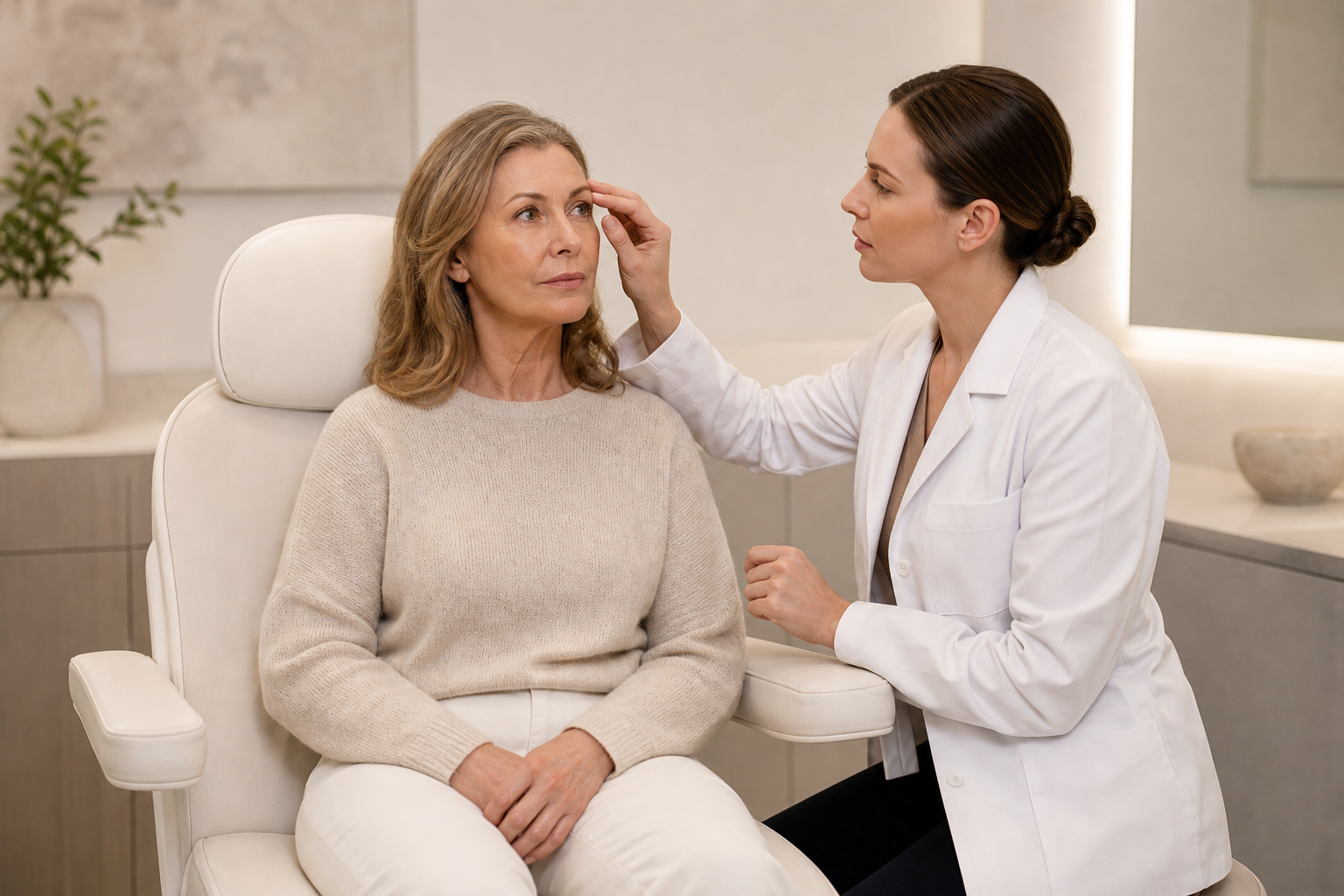
Physical examination aids differentiation: lifting the brows temporarily may reduce the eyelid skin overlap if brow ptosis is the primary cause, but will have limited effect if excess eyelid skin predominates. This functional test, alongside photographic documentation of brow asymmetry and eyelid contour, guides therapeutic decisions.
The Role of Botox Treatments in Addressing Drooping Eyebrows and Eye Area Concerns
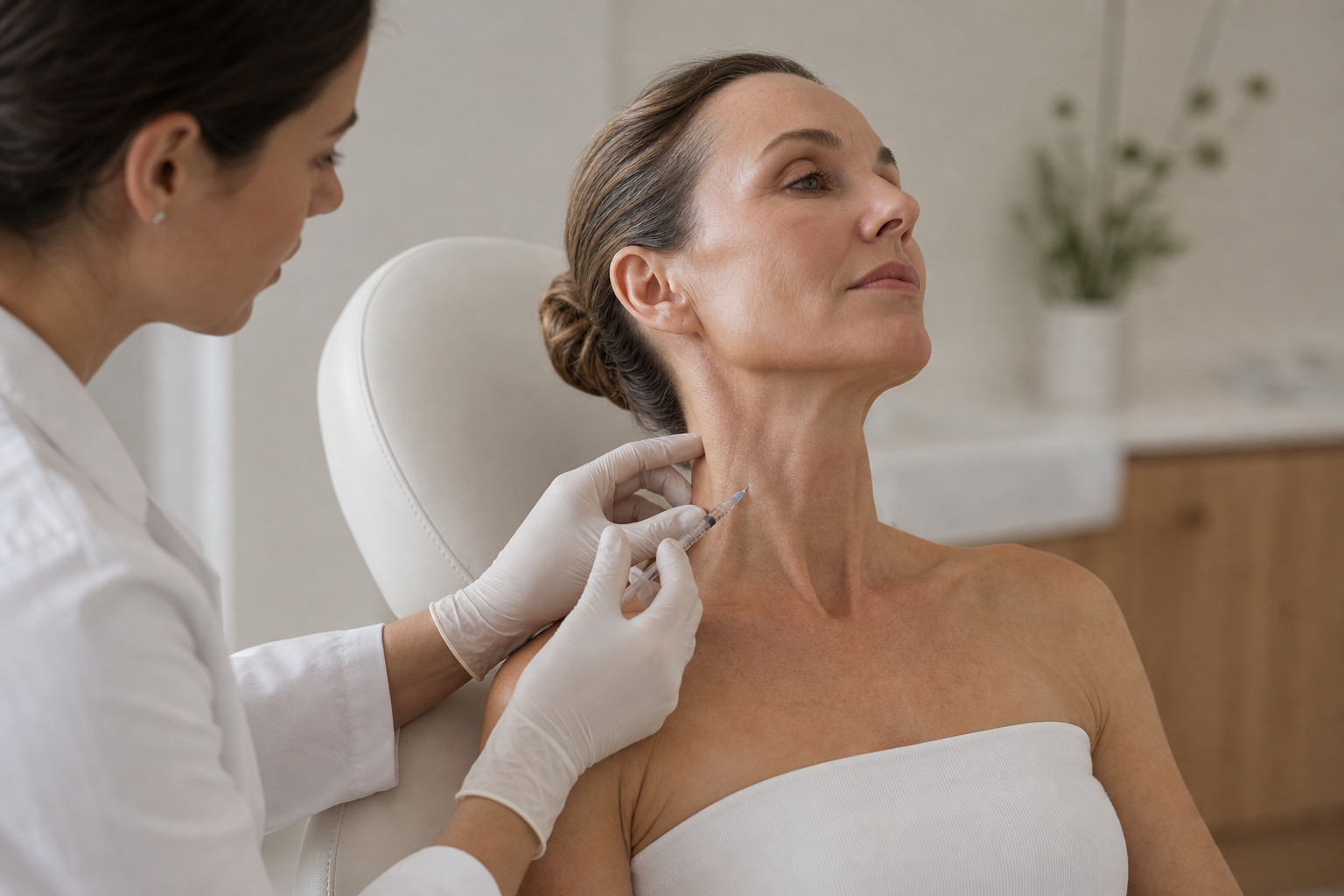
Botox, derived from botulinum toxin type A, is a neuromodulator that temporarily inhibits muscle contractions by blocking acetylcholine release at the neuromuscular junction. In the context of brow and eye rejuvenation, Botox selectively relaxes muscles responsible for undesirable furrows and downward pulling, thus enabling the natural brow elevators to dominate and gently lift the brow position.
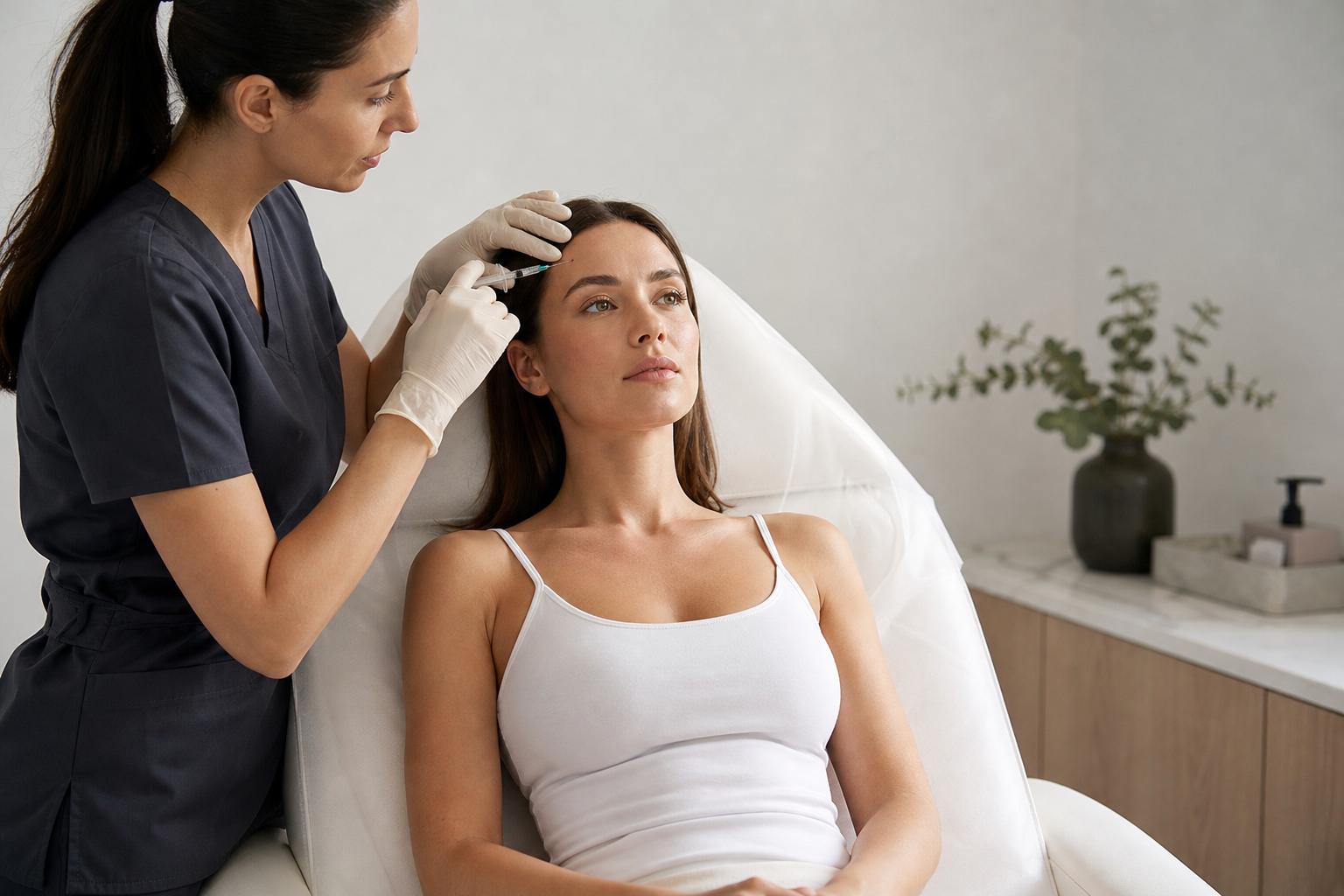
When applied thoughtfully in specific injection points around the glabella (corrugator supercilii and procerus muscles) and lateral brow (orbicularis oculi muscle), Botox can produce a subtle yet effective brow elevation. This technique, often referred to as a "Botox brow lift," enhances the arch and openness of the eyes, reduces 'angry' or 'sad' facial expressions caused by furrowing or drooping, and smoothes out wrinkles formed by muscle activity.
However, Botox's ability to address excess eyelid skin is indirect and limited. While it can soften crow's feet and fine lines around the eyes, it does not remove or tighten redundant eyelid skin. Patients with considerable dermatochalasis typically require adjunctive treatments or surgical procedures to achieve meaningful improvements.
Realistic Expectations and Limitations of Botox in Eye and Brow Treatments
Understanding what Botox can and cannot accomplish is instrumental in patient satisfaction. For drooping eyebrows caused primarily by muscle hyperactivity of depressor muscles, Botox offers a minimally invasive way to recalibrate muscle balance and elevate brows without surgery. The effects usually become apparent within a week, peak by two weeks, and last approximately four to six months.
Patients should be counseled on the temporality of Botox's effects, the need for ongoing maintenance treatments, and possible side effects such as bruising, asymmetry, or transient worsening of drooping if injected improperly. The skill and anatomical knowledge of the treating practitioner are paramount to achieving natural and safe outcomes.
For excess eyelid skin, Botox's role is mostly complementary. While it may improve surrounding wrinkles and refresh the overall appearance, it cannot substitute for skin tightening or removal. Expectations must be managed accordingly, and patients should be informed when surgical options like blepharoplasty are more appropriate to address their specific concerns.
Safety Considerations and the Importance of Professional Consultation
Administering Botox near the eyes and brows demands precision to avoid complications such as ptosis (eyelid drooping), diplopia (double vision), or irregular facial expressions. Only clinicians trained in facial anatomy and experienced in neuromodulator treatments should perform these procedures.
Pre-treatment consultation should involve a thorough medical history review, assessment of brow and eyelid function, and discussion of patient goals and expectations. Contraindications including neuromuscular disorders, allergy to botulinum toxin, and active infections should be ruled out. A personalized treatment plan enhances safety and efficacy.
Moreover, in cases where physical examination suggests significant skin laxity impairing function or deep structural changes, referral to ophthalmologists or plastic surgeons familiar with oculoplastic surgery is crucial. Interdisciplinary collaboration ensures comprehensive care tailored to patient needs.
Combining Treatments for Comprehensive Eye and Brow Rejuvenation
A holistic approach to aging changes around the eyes often involves multimodal strategies. Botox effectively rebalances muscular forces to lift and smooth areas affected by dynamic wrinkles and mild brow ptosis. When residual concerns like volume loss or contour irregularities persist, hyaluronic acid fillers can restore fullness and enhance definition.
For pronounced excess eyelid skin compromising aesthetics or vision, surgical blepharoplasty remains the gold standard. Laser skin resurfacing and radiofrequency treatments can complement surgery by improving skin texture and firmness. The integration of these modalities offers patients tailored, natural-looking rejuvenation that addresses both form and function.
Regular follow-up and maintenance of skin health via topical treatments, sun protection, and lifestyle adjustments further support sustained outcomes and delay future aging effects.