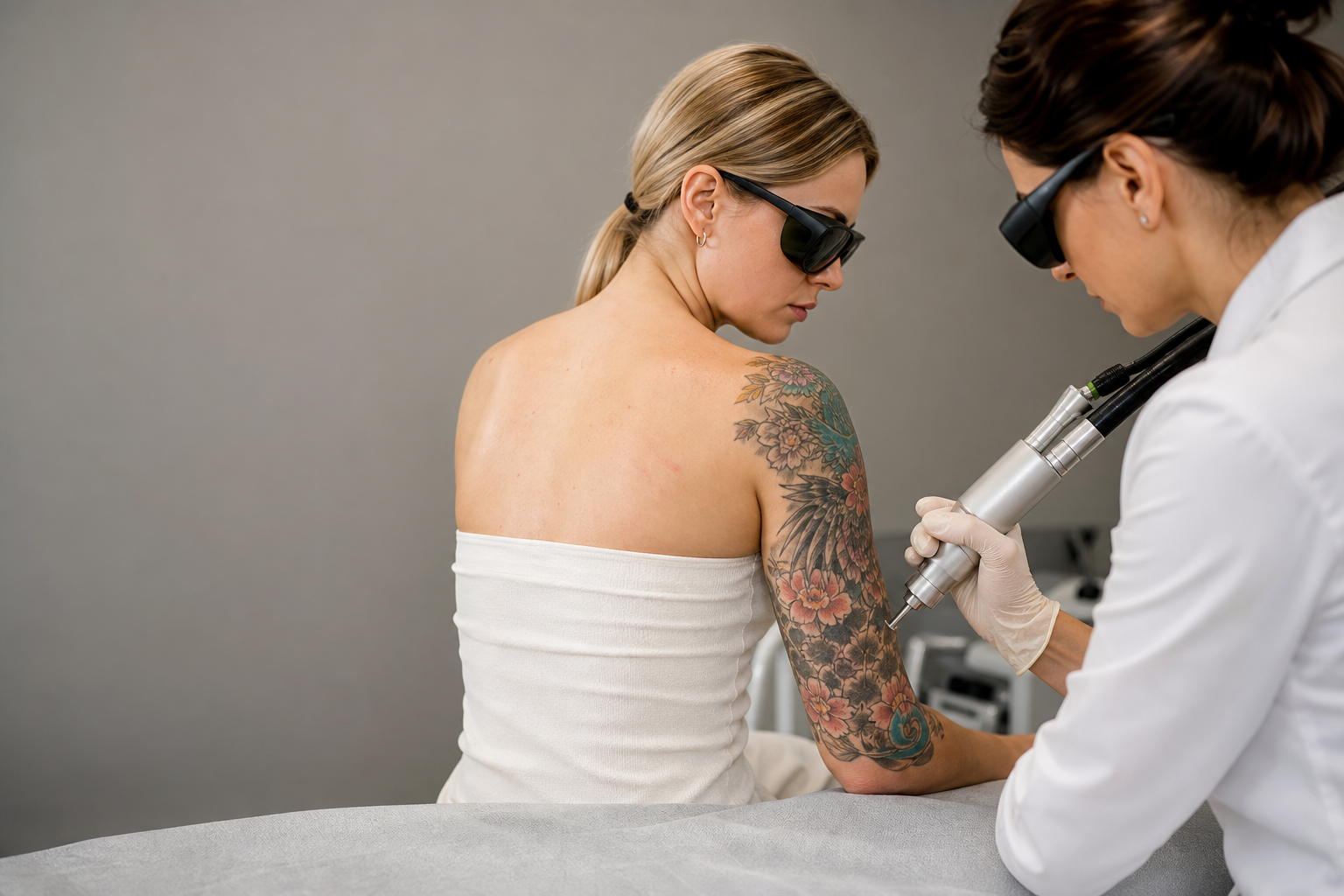
In the realm of aesthetic medicine and dermatology, laser treatments have emerged as a pivotal solution for multiple skin concerns ranging from tattoo removal and pigmentation correction to the removal of vascular lesions and skin rejuvenation. One common and pressing question among patients considering laser therapy is: What determines the number of laser treatment sessions required? This inquiry reflects a broader interest in understanding the complexity and variability involved in laser treatment protocols, crucial for setting realistic expectations and ensuring safe treatment plans.
Laser treatments are not one-size-fits-all procedures; they are carefully tailored interventions based on individual patient characteristics and treatment goals. Whether someone seeks to erase an unwanted tattoo, diminish age spots, or rejuvenate youthful skin glow, the number of sessions required can differ significantly. These variations stem from a multitude of factors such as the type and depth of pigment or lesion being treated, skin type, the specific technology used, and the body's natural healing processes.
Understanding the determinants of session counts is essential not only for patients who want to plan their care intelligently but also for clinicians to design safe and effective treatment regimens. This article explores the intricate variables influencing the number of laser treatments, setting the foundation for informed decision-making and optimal outcomes in laser-based therapies.
What Are the Primary Factors Influencing the Number of Laser Treatment Sessions?
The number of laser sessions needed depends chiefly on the nature of the condition being treated and individual physiological responses. Key factors include the type and color of the pigment or lesion, its depth within the skin, the size of the treated area, patient skin type, and the parameters of the laser technology employed.
For instance, when addressing tattoo removal, the pigment's color is perhaps the most influential variable. Black ink, for example, absorbs a broad spectrum of laser wavelengths effectively, making it comparatively easier and faster to remove. On the contrary, colors like green, blue, yellow, or purple often require longer treatment courses due to the challenges in laser light absorption and pigment fragmentation. Additionally, the chemical composition and the age of the tattoo ink influence treatment responsiveness.
Similarly, in pigmentation correction or vascular lesion treatments, the lesion’s intensity, depth, and size influence the treatment frequency and duration. Deeper or more pronounced pigmentations generally take more sessions for effective reduction. Overall, no universal regimen exists; treatment must be customized according to these diverse and interrelated factors.
How Does Skin Type Affect the Number and Timing of Laser Treatments?
Skin type fundamentally affects both the safety and efficacy of laser procedures, which in turn impacts how many treatment sessions will be necessary. Darker skin tones carry a higher risk of adverse side effects such as hyperpigmentation or hypopigmentation due to melanin’s absorption of laser energy. Therefore, practitioners often proceed with more caution, adjusting laser wavelengths and energy parameters to minimize complications, which may lead to needing more sessions spaced over longer intervals.
Moreover, individual differences in skin healing capacity greatly influence treatment schedules. Patients with slower regenerative responses may require longer intervals between sessions, thus potentially extending the cumulative number of treatments necessary to reach desired outcomes. On the other hand, those with faster recovery might progress through sessions more swiftly while maintaining safe practices.
What Role Does Laser Technology and Treatment Parameters Play?
Advances in laser technology have refined treatment effectiveness while enhancing patient safety. Different types of lasers, such as Q-switched and picosecond lasers, have unique modes of action and wavelengths that are more suited to certain pigment colors and skin types.
For tattoo removal, Q-switched lasers utilize short bursts of energy to fragment ink particles, facilitating their clearance by the immune system. Meanwhile, picosecond lasers deliver even shorter energy pulses, enabling a more precise and forceful breakdown of pigment, which can reduce session numbers for some patients. However, even with state-of-the-art equipment, the process is incremental and biologically reliant, negating the possibility of drastically shortening overall treatment time without risking skin damage.
Why Is the Interval Between Laser Sessions Critical?
The timing of sessions is just as important as the treatments themselves. Proper spacing—frequently ranging from six to eight weeks for tattoo removal—allows the body sufficient time to metabolize and expel fragmented pigment particles while ensuring the skin fully recovers from prior laser exposure.
Attempting to reduce these intervals may inadvertently increase the risk of skin injury, scarring, or incomplete pigment breakdown, which paradoxically can prolong the overall treatment period. Conversely, excessively long gaps between sessions might slow progress or necessitate additional sessions to maintain momentum, underscoring the importance of clinician-guided scheduling tailored to response patterns.
What Explains Variability in Treatment Session Counts Among Patients with Similar Conditions?
Even with identical indications, such as the removal of a particular tattoo or a pigment spot, the total number of required laser sessions can vary widely among patients. This variability arises from intrinsic factors including skin biology, pigment composition, lesion characteristics, and immune response dynamics.
For example, two patients with similar tattoos can experience distinctly different outcomes. Individual differences in how their immune systems process and clear ink particles, the choice and expertise of the practitioner, and even lifestyle factors such as sun exposure and smoking status can affect the pace and success of laser clearance. Thus, these nuances must be acknowledged when setting expectations and treatment plans.
What Are Realistic Expectations Regarding the Number of Laser Treatments?
Realism is paramount in any laser treatment journey. Patients should understand that fixed promises on the exact number of sessions are often impractical due to the multiple influencing factors involved. Clinicians typically provide an estimated range based on experience and initial assessment, but this is subject to adjustment as treatment progresses.
Acceptance of an individualized approach, patience for gradual improvements, and adherence to recommended treatment intervals and post-care protocols collectively contribute to safety and efficacy. Avoiding shortcuts or unverified methods is crucial to prevent complications and ensure satisfactory outcomes.
How Do Ink Color, Composition, and Quality Affect Laser Treatment Counts in Tattoo Removal?
Among tattoos, the color and chemical makeup of the ink directly impact how many laser treatments are necessary. Black ink, composed mainly of carbon, absorbs the wide spectrum of laser light effectively and is, therefore, most amenable to removal.
Conversely, colors such as green and blue typically require lasers that emit specific wavelengths to target these pigments, sometimes necessitating multiple sessions with different laser types. Additionally, older tattoos often contain ink that has stabilized within skin layers, possibly requiring more sessions to break down effectively. The quality and depth of ink application—especially the distinction between professionally applied and amateur tattoos—also play decisive roles.
How Do Tattoos’ Size and Body Location Impact Treatment Frequency?
Larger tattoos logically require more extensive laser coverage, often resulting in more treatments and longer treatment durations. However, size is not the sole determinant; the location of the tattoo on the body influences treatment response.
Areas with robust blood circulation, such as the face or wrists, tend to facilitate faster pigment clearance, potentially reducing the number of necessary sessions. Conversely, tattoos on regions with slower circulation or thicker skin, like the back or ankles, may require more sessions or prolonged recovery. This understanding helps steer session planning and patient expectations.
How Does the Difference between Professional and Amateur Tattoos Influence Treatment?
Professional tattoos generally employ higher quality inks and are applied at greater skin depths with uniform density, making them more resistant to laser removal. Consequently, professional tattoos often require longer or more frequent laser treatments.
Amateur tattoos, by contrast, usually use lower quality inks placed more superficially and less consistently, facilitating faster laser breakdown and removal. Nonetheless, each case demands individual evaluation considering tattoo age, ink spread, and patient skin characteristics.
What Should Patients Anticipate During and After Laser Treatment Sessions?
During a laser session, patients usually experience mild discomfort described as a sensation of snapping or pins and needles on the skin, varying according to individual sensitivity and the laser type. Post-treatment, redness, swelling, and tenderness may occur, with potential transient skin discoloration or peeling in the treated area.
Adhering to post-care guidelines—such as sun protection and gentle skincare—is essential to promote healing and maximize results. Visible improvements develop gradually over weeks to months, emphasizing the importance of patient patience and consistent follow-up.
Addressing Common Questions About Treatment Session Numbers
How many sessions are typically needed? The answer varies significantly. For tattoo removal, an average might range from four to ten sessions, but this can be fewer or more depending on many factors described. Pigmentation correction and skin rejuvenation likewise depend on the specific indication.
Can the number of sessions be safely reduced? Attempts to accelerate treatment by shortening intervals or increasing laser intensity can compromise skin safety or reduce efficacy, making this approach inadvisable.
How to find a reliable specialist? Patients should seek certified professionals with extensive experience and transparent consultation processes that delineate anticipated session numbers and potential outcomes candidly.
When do results become visible? Initial improvements often appear after two to four sessions, but full results may take several months due to the body's natural clearance mechanisms.


