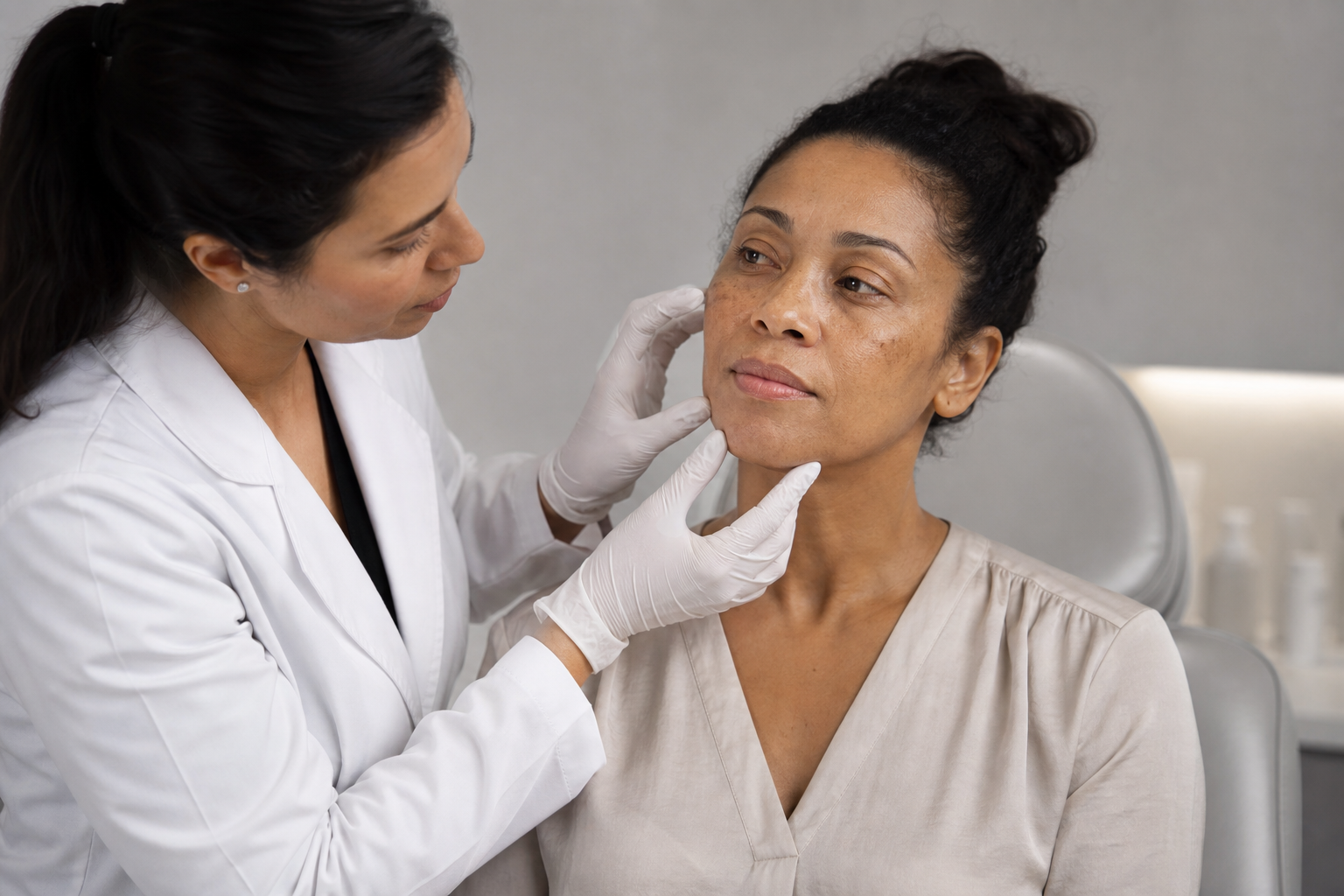
In the dynamic field of aesthetic medicine, laser treatments have emerged as a powerful option for addressing skin pigmentation issues. Whether targeting melasma, sunspots, or post-inflammatory pigmentary changes, laser procedures offer a pathway to a clearer and more evenly toned complexion. Yet, the success of these treatments hinges not only on the technology itself but also on a nuanced understanding of the skin's response and the timely recognition of normal reactions versus signs indicating the need for medical consultation.
This article is designed for individuals considering or undergoing laser treatments for pigmentation, as well as practitioners seeking to deepen their understanding of patient safety protocols. It aims to demystify the range of expected cutaneous responses post-laser exposure and provide guidance on when deviation from the norm warrants professional attention—especially considering the nuanced responses displayed by various skin phototypes, including darker and tanned skin.
Recognizing these distinctions is vital to ensure optimal outcomes, minimize adverse events, and empower patients with knowledge about their post-treatment care. Importantly, the educational content herein does not replace personalized clinical evaluation but serves as a foundational resource supporting informed decisions around laser pigmentation treatments.
What Constitutes a Normal Skin Reaction Following Laser Pigmentation Treatment?
Laser therapy for pigmentation works fundamentally by breaking down excess melanin deposits while sparing the surrounding healthy tissue. This controlled intervention inevitably induces a temporary inflammatory response in the targeted area, signaling that the laser energy has interacted effectively with the pigment.
Commonly observed reactions include mild erythema (redness) and slight swelling that manifest immediately or within hours of treatment and often subside within days. Patients may also report sensations of warmth, tingling, or mild burning, reflecting transient skin irritation rather than injury.
In addition, some degree of superficial peeling or flaking may occur, a sign of skin turnover and regeneration. Intriguingly, pigment spots may initially darken—a phenomenon known as "tattooing"—as the laser disrupts melanin granules before gradual fading over subsequent weeks.
These effects are considered typical and generally require only conservative care measures such as applying soothing emollients and rigorous sun protection. Recognizing these normal patterns helps patients manage expectations and avoid unnecessary anxiety during the healing process.
How Do Skin Phototypes Influence Laser Reactions, Particularly in Darker or Tanned Skin?
Skin phototype classification, often referenced via the Fitzpatrick scale, profoundly impacts how laser energy is absorbed and how the skin responds post-procedure. Darker or recently tanned skin contains higher baseline melanin levels, which can increase susceptibility to unpredictable pigmentary shifts and other side effects.
In these phototypes, post-inflammatory hyperpigmentation (PIH) is a notable risk—where the treated area becomes darker than the surrounding skin due to excessive melanin production during healing. Conversely, hypopigmentation, or localized lightening, can also manifest, sometimes causing uneven skin tone.
The challenge lies in balancing effective pigment targeting while minimizing collateral stimulation of melanocytes, the pigment-producing cells. This necessitates careful selection of laser types and parameters—for instance, utilizing wavelengths less absorbed by melanin or adopting lower fluences and pulse durations.
Moreover, strict pre- and post-treatment sun avoidance is mandatory as ultraviolet exposure significantly elevates the risk of adverse pigmentation changes in these groups. Early identification of prolonged redness, swelling, or evolving pigmentation abnormalities in darker or tanned skin mandates prompt evaluation by a clinician to avert long-term sequelae.
What Patient and Device Factors Heighten the Risk of Complications in Laser Pigmentation Treatments?
While laser technology has evolved substantially, individual risk profiles remain heterogeneous. From a patient perspective, several elements influence complication potential. Beyond skin phototype, pre-existing dermatoses, current medications—especially photosensitizing agents—and immune status are critical considerations.
Histories of recent sunburn, tanning bed use, or inappropriate skincare prior to treatment can also predispose to exaggerated inflammatory responses. Additionally, underlying conditions such as active infections or uncontrolled systemic diseases may complicate healing.
On the device side, variables such as laser type (alexandrite, Nd:YAG, fractional CO2, etc.), wavelength, pulse duration, fluence (energy settings), and spot size directly affect tissue interaction. Operator expertise and experience in customizing these parameters to individual skin characteristics cannot be overstated.
Suboptimal choices may culminate in burns, scarring, or irreversible pigmentary disorders. Ensuring thorough patient screening and device calibration, as well as adherence to evidence-based protocols, are pillars of safe and effective laser practice.
How Can Unwanted Reactions and Complications Be Prevented During Laser Pigmentation Procedures?
Prevention begins well before the laser is fired. Comprehensive patient assessments including detailed histories and physical examinations should identify risk factors. Clarifying the type and extent of pigmentation, skin sensitivity, and prior laser experiences guides individualized treatment planning.
Informed consent must emphasize the importance of strict sun avoidance and use of broad-spectrum sunscreens both pre- and post-treatment. Patients should be counseled to discontinue photosensitizing substances when possible and follow skin preparation regimens provided by the practitioner.
Choosing the most appropriate laser system and fine-tuning parameters to the patient's specific skin biology optimize therapeutic outcomes and curb adverse effects. Adequate post-procedure instruction on gentle skincare, hydration, and vigilance for warning signs are equally critical to a smooth recovery.
Particularly in darker phototypes and tanned skin, conservative settings and potentially test spots can help mitigate risks. By embedding these preventive measures into clinical workflow, practitioners uphold the highest safety standards.
When Is It Crucial to Seek Medical Advice After a Laser Pigmentation Treatment?
Understanding which symptoms transcend normal healing is fundamental to patient safety. While mild redness, swelling, and discomfort are anticipated, there are clear red flags that necessitate prompt medical evaluation:
- Persistent or worsening erythema and edema beyond several days;
- Increasing pain or intense burning sensations;
- Development of blisters, ulcers, or crusts at the treatment site;
- Sudden or progressive changes in pigmentation, including unexpected darkening or whitish patches;
- Systemic symptoms such as fever or malaise;
- Any unexpected or troublesome skin changes that concern the patient.
Early consultation allows for timely interventions that may limit complications such as infections, scarring, or long-lasting pigmentary alterations. It also reinforces patient confidence through supportive care.
What Should Patients Expect During and After a Laser Treatment for Pigmentation?
Typically, laser procedures for pigmentation removal are outpatient treatments performed in several sessions spaced over weeks to months, depending on the severity and type of pigmentation.
The treatment itself may involve brief discomfort, often described as snapping or prickling sensations. Immediately post-procedure, mild erythema and swelling occur, gradually resolving with appropriate skincare.
Patients should anticipate some pigment darkening initially before fading may be appreciated over multiple weeks. Adherence to prescribed post-treatment regimens including moisturization and strict sunblock use is paramount for optimal results and minimizing adverse events.
Individual outcomes vary with factors such as skin type, pigmentation depth, and treatment consistency. While improvements in clarity and tone are common, complete clearance may not always be achievable and often requires ongoing maintenance.
Frequently Asked Questions Regarding Safety and Skin Reactions to Laser Pigmentation Treatments
Will my skin color change permanently after laser pigmentation treatment? Permanent and dramatic color changes are uncommon when treatments are conducted correctly. Temporary pigmentary shifts may occur but typically resolve over time. Proper laser selection and stringent sun protection are critical safeguards.
What causes post-inflammatory hyperpigmentation and how can it be managed? This condition arises from an increased melanin response secondary to inflammation induced by injury or treatment. It is more prevalent in darker skin types and is usually reversible with suitable dermatological interventions guided by a specialist.
Why is adherence to sun protection crucial after laser treatments? UV exposure after laser therapy can exacerbate inflammation and pigment dysregulation, prolong recovery, and even provoke new pigmentation problems. Regular use of high-SPF broad-spectrum sunscreens and physical barriers are essential.


