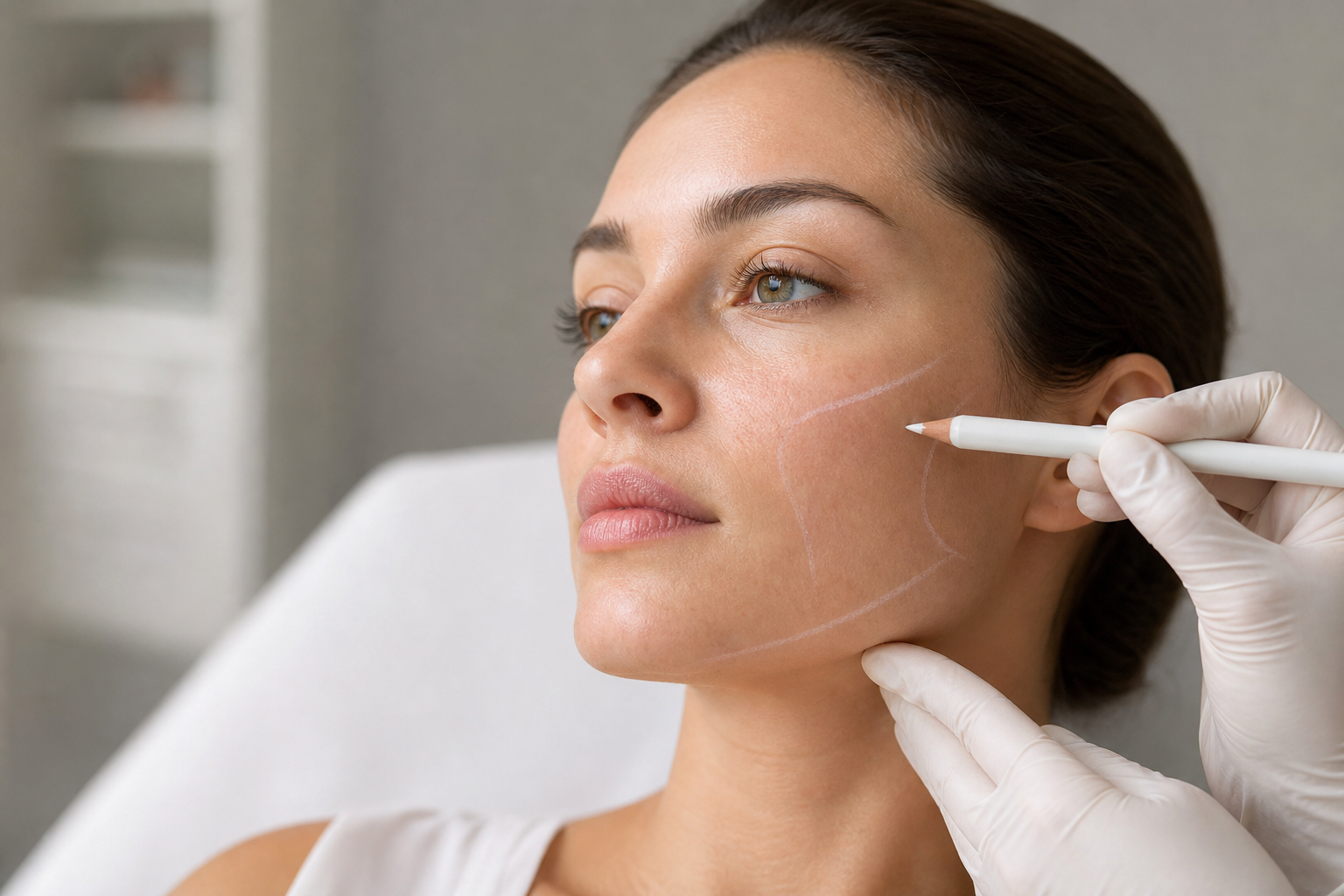
Laser hair removal for the face represents one of the most sought-after cosmetic procedures for women aiming to achieve smooth, hair-free skin without the recurring need for shaving, waxing, or other temporary methods. This advanced technique employs focused laser energy to target and reduce unwanted facial hair, offering long-term reduction and in many cases, near-permanent results. Understanding this treatment is essential for prospective candidates, as facial skin demands particular care and precision to maximize safety and efficacy.
Women who experience unwanted facial hair for various reasons—be it genetics, hormonal imbalances, or age-related changes—find laser hair removal a compelling option that goes beyond mere aesthetics. It alleviates the burden of daily hair management and can significantly enhance confidence and skin appearance. However, due to the complexity of facial anatomy and the interplay of hair types and hormonal influences, comprehensive knowledge about candidacy, treatment mechanisms, and realistic outcomes is vital before embarking on the laser hair removal journey.
This article offers an in-depth exploration of laser hair removal for the face, tailored predominantly for female clients. It addresses candidacy requirements, the role hormones play in hair growth, appropriate laser device selection, the phenomenon of paradoxical stimulation, preparation guidelines, procedural sensations, aftercare regimes, and expected results. Medical assessment considerations are highlighted, especially when sudden or notable hair growth occurs on the face, emphasizing the necessity for expert consultation. Furthermore, this guide naturally connects with other resources dedicated to specific facial areas such as the upper lip, chin, and neck for those seeking detailed regional insights.
What Is Laser Hair Removal for the Face and How Does It Work?
Laser hair removal on the face utilizes specialized lasers that emit concentrated light beams targeting hair follicles beneath the skin. The laser energy is selectively absorbed by the melanin—a pigment found in hair—converting light to heat that damages the follicle, thereby inhibiting or significantly reducing future hair growth. Because the laser affects only hair follicles in their active growth phase, multiple sessions spaced over weeks are necessary to catch all hairs in this stage.
Facial laser hair removal is performed with various laser types adapted to skin tone and hair characteristics. Common devices include Alexandrite, Diode, and Nd:YAG lasers. Each has distinct wavelengths suited for different skin colors and hair textures, ensuring effective treatment while minimizing the risk to surrounding skin. Alexandrite lasers, with shorter wavelengths, are typically ideal for lighter skin tones with dark hair, whereas Nd:YAG lasers penetrate deeper and are safer for darker skin.
The treatment’s efficacy depends largely on the contrast between skin and hair color. Dark, coarse hairs absorb laser energy efficiently, responding well to sessions, while lighter, thinner hairs such as blonde or fine vellus hairs often present challenges that may require alternative or adjunctive methods. Regardless, with expert evaluation and tailored technology, laser hair removal can address various facial hair concerns with precision.
Who Is an Ideal Candidate for Facial Laser Hair Removal?
Ideal candidates for facial laser hair removal are women with unwanted, visible facial hair seeking a durable reduction solution. Primarily, those with lighter skin and darker hair benefit most due to the laser’s selective absorption by pigment in hair follicles. However, advancements in laser technology now accommodate a broader range of skin tones and hair types, expanding eligibility.
Before proceeding, candidates should avoid recent sun exposure or tanning, which can increase skin sensitivity and risk of complications. Certain medications that heighten photosensitivity may also rule out immediate treatment. Women experiencing sudden or markedly increased facial hair growth should consult a medical professional prior to laser hair removal, as this can signal underlying hormonal disorders such as polycystic ovary syndrome (PCOS) or other endocrine issues requiring treatment.
Furthermore, individuals should have realistic expectations about the treatment: laser hair removal reduces hair growth significantly but rarely guarantees 100% permanent hair elimination. A commitment to multiple sessions and follow-up maintenance is usually necessary to achieve optimal outcomes.
How Do Hormones Influence Facial Hair Growth and Treatment Outcomes?
Facial hair growth in women is heavily influenced by hormones, particularly androgens such as testosterone. Elevated androgen levels can cause hirsutism, a condition characterized by excessive hair in androgen-sensitive areas like the upper lip, chin, and neck. Insulin resistance and hormonal imbalances associated with conditions like PCOS can exacerbate this growth.
Laser hair removal targets the manifestations rather than the causes of increased facial hair. While it can substantially reduce hair density and thickness, the underlying hormonal triggers may persist, potentially causing new hair to develop over time. Thus, integrating laser hair removal with appropriate medical management of hormonal imbalances is the most effective strategy for sustained improvement.
Additionally, hormonal fluctuations—whether due to pregnancy, menopause, or medication—may temporarily alter hair growth patterns, impacting treatment schedules and results. Recognizing these influences helps practitioners tailor therapy for each individual's unique hormonal profile.
What Types of Facial Hair Affect Laser Treatment Planning?
Facial hair ranges broadly in color, thickness, and density, factors that directly influence laser hair removal effectiveness. Terminal hairs are thick, pigmented, and deeply rooted, responding well to laser sessions. In contrast, vellus hairs are fine, lightly pigmented, and often more challenging to treat due to limited melanin absorption.
Dark, coarse hairs on areas like the chin and upper lip usually show the best response to laser treatment. Conversely, fine peach fuzz or gray hairs may require alternative technologies such as electrolysis for effective removal. Identifying hair type is essential to select the appropriate laser device and energy parameters.
Experts conducting treatment will often perform an initial assessment to map hair characteristics across facial zones, ensuring customized protocols. This approach optimizes results while minimizing potential adverse reactions like skin irritation or uneven depigmentation.
How to Choose Safe Laser Devices and Correct Treatment Settings for the Face?
Given the facial skin’s delicacy and visibility, safety in device selection and parameter settings is of paramount importance. Only medically certified lasers with adjustable wavelengths and pulse durations suitable for various skin and hair types should be used. Devices should include integrated cooling systems to protect and soothe the skin during treatment.
Experienced clinicians calibrate treatment by considering skin phototype, hair color, thickness, and anatomical area. Settings such as energy density (fluence), pulse duration, and repetition rate are optimized to achieve follicular disruption without damaging surrounding tissues.
Improper device use or settings can cause adverse effects including burns, pigmentation changes, scarring, or paradoxical hair growth stimulation. Therefore, treatments should be administered exclusively by licensed professionals within medically supervised environments.
What Is Paradoxical Stimulation in Facial Laser Hair Removal?
Paradoxical stimulation refers to an uncommon phenomenon where laser applications inadvertently stimulate new hair growth in treated or adjacent areas instead of suppressing it. Several hypotheses exist regarding this effect, including suboptimal laser parameters, incomplete follicle targeting, or hormonal predispositions.
If detected, paradoxical stimulation necessitates pause or alteration in treatment, possibly incorporating other hair removal techniques or adjusting laser settings. Proper patient selection and vigilant monitoring during therapy reduce this risk.
Prompt communication of unusual hair growth to the treating specialist is critical for timely management. Recognizing paradoxical stimulation helps safeguard patient outcomes and maintains trust in the laser hair removal process.
How Should You Prepare for Facial Laser Hair Removal?
Effective preparation enhances treatment safety and results. Patients must avoid sun exposure or tanning beds for at least two weeks before sessions to reduce photosensitivity and pigmentation risk. Similarly, waxing, plucking, or electrolysis should be abstained from for four to six weeks prior to preserve hair follicles for laser targeting.
Shaving facial hair is typically recommended one to two days before the appointment to ensure the laser energy reaches below the skin surface directly to follicles. On treatment day, the face should be clean, free from makeup, lotions, perfumes, or sunscreen to prevent interference with laser penetration.
Discussing medical history, medications, and skin sensitivities during initial consultation aids practitioners in tailoring treatment plans and anticipating any concerns.
What Sensations and Discomfort Might Occur During the Treatment?
Patients commonly report sensations during facial laser hair removal described as mild stinging, prickling, or the snapping of a rubber band against the skin. The degree of discomfort varies depending on individual pain thresholds, treatment area, and laser technology employed.
Modern laser devices often incorporate cooling mechanisms, such as refrigerated air or contact sapphire tips, to reduce pain and protect the epidermis. Many clients tolerate procedures well without anesthesia. However, topical anesthetic creams can be applied if heightened sensitivity exists.
Open communication with the operator about comfort levels during sessions helps adjust parameters as needed to maintain tolerability and safety.
What Are the Recommended Aftercare Practices Following Facial Laser Hair Removal?
Post-procedure, mild redness, swelling, or tenderness on treated areas is common and typically subsides within hours to a few days. Patients should avoid direct sun exposure and apply broad-spectrum sunscreens with high SPF to protect sensitive skin and prevent pigmentation changes.
Gentle skincare routines using non-irritating, hydrating products are advised. Avoiding abrasive exfoliants or harsh chemical treatments for at least one week facilitates healing.
If any unusual side effects such as blistering, prolonged irritation, or pigmentation alterations occur, prompt medical evaluation is recommended. Scheduled follow-up treatments and consultations ensure progress and address any concerns.
Realistic Expectations: Treatment Duration and Long-Term Results
Achieving meaningful and sustained facial hair reduction typically requires six to ten laser sessions spaced four to eight weeks apart. This spacing allows hair follicles to cycle through growth phases, maximizing treatment efficacy.
Results include significant hair thinning, lighter hair color, and decreased density, improving skin texture and appearance. While many clients experience long-lasting hair reduction, maintenance sessions may be needed due to hormonal changes or other factors causing new growth.
It is important to set realistic expectations, understanding that complete hair eradication is uncommon, especially for finer or lighter hairs. Nonetheless, laser hair removal substantially lessens the burden of unwanted facial hair and the frequency of other hair removal methods.
When Is a Medical Assessment Necessary Before Facial Laser Hair Removal?
Women exhibiting new, rapid, or excessive facial hair growth should undergo a medical evaluation before laser treatment. Such presentations may signal endocrine disorders like polycystic ovary syndrome, adrenal gland abnormalities, or hormonal imbalances requiring diagnosis and management.
Dermatologists and endocrinologists play crucial roles in establishing the underlying cause, guiding integrated care combining medical therapy with aesthetic laser procedures.
A multidisciplinary approach ensures laser hair removal not only addresses cosmetic concerns safely but also supports overall health and wellbeing.


