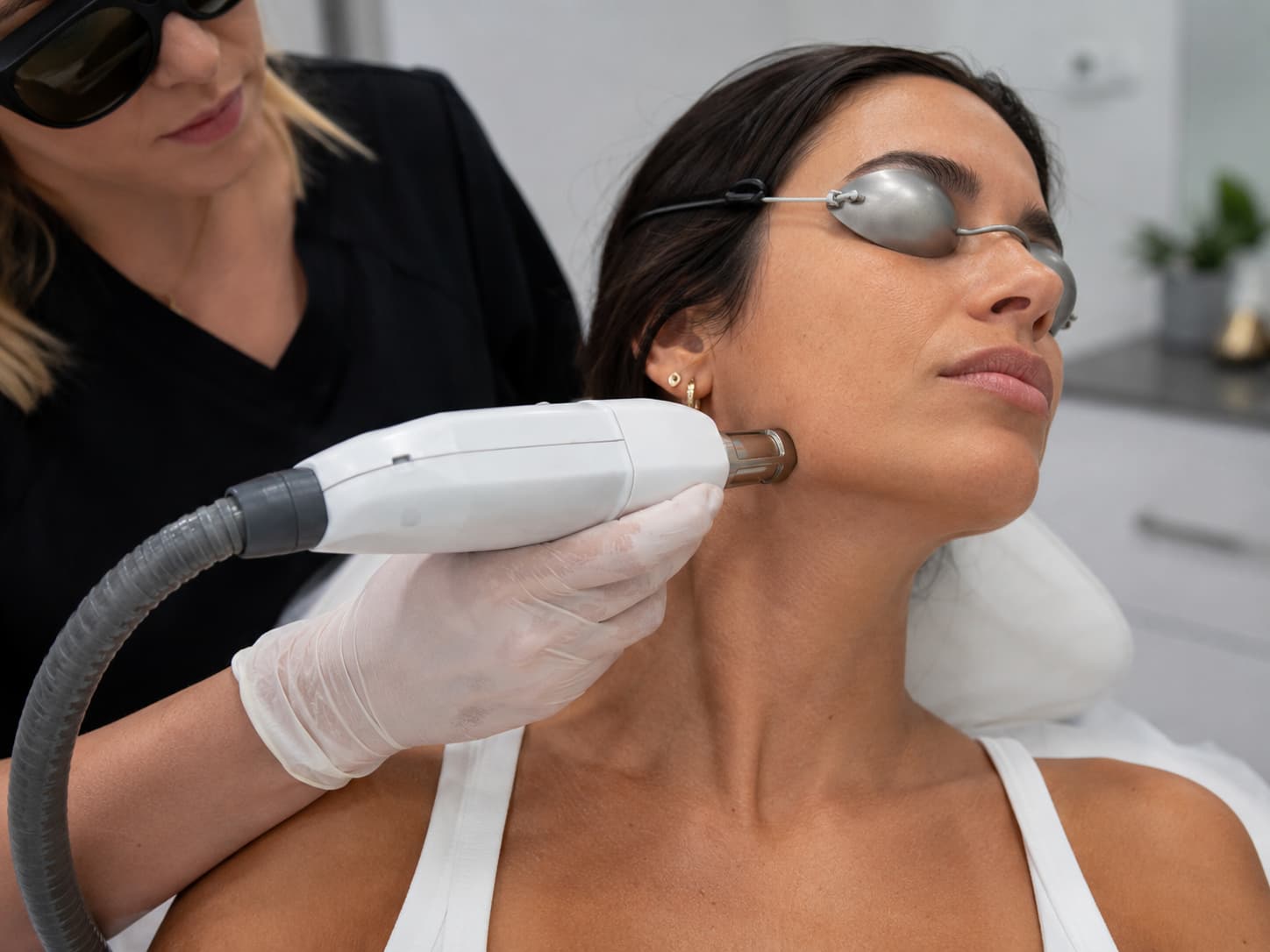
In recent years, the pursuit of an enhanced jawline has become one of the most compelling aesthetic goals for both men and women. A defined jawline is often associated with youth, beauty, and overall facial harmony. Traditionally, surgical options such as jaw implants, genioplasty, or liposuction under the chin have been the go-to methods for reshaping this area. However, surgery involves downtime, risks, and a level of invasiveness that many find discouraging. This has fueled interest in less invasive alternatives that provide effective contouring without the necessity of an operating room.
Among these alternatives, laser treatments for jawline contouring without surgery have emerged as a groundbreaking option. These non-surgical procedures harness advanced laser technology to tighten skin, stimulate collagen, and reduce localized fat, ultimately enhancing the jawline's appearance. This editorial explores laser jawline contouring: who it best serves, the science behind the treatments, benefits, what results can be expected, and how it fits within the broader spectrum of aesthetic laser procedures like skin tightening, pigmentation correction, and vascular treatments.
Understanding laser treatments for jawline contouring is essential for individuals seeking a refined and natural improvement to their facial profile without the risks of surgery. As societal perceptions around aging and beauty evolve, demand for minimally invasive aesthetic procedures continues to grow. Laser treatments offer a promising balance between efficacy and safety, making them an attractive solution for those aiming to enhance their facial definition with minimal disruption.
What Exactly Are Laser Treatments for Jawline Contouring?
Laser treatments for jawline contouring refer to a suite of non-invasive cosmetic procedures that utilize focused light energy to remodel the skin and subcutaneous tissues around the lower face and neck. These laser modalities work by penetrating various skin depths to trigger biological responses such as collagen synthesis, elastin production, and in some cases, adipose tissue reduction.
Unlike surgical operations that physically reshape bone or remove excess tissue, laser contouring gently induces the skin to firm and tighten through controlled thermal effects and photostimulation. Some lasers can also target fatty deposits beneath the skin, facilitating a more sculpted jawline appearance by reducing localized fullness or jowling.
Commonly used laser types include fractional lasers, Nd:YAG, and diode lasers, often combined with other energy-based devices such as radiofrequency or ultrasound for enhanced efficacy. These technologies have been incorporated into comprehensive skin tightening protocols designed to lift and rejuvenate the jawline area, complementing other aesthetic treatments like skin resurfacing or pigmentation correction.
Who Is an Ideal Candidate for Non-Surgical Laser Jawline Contouring?
Laser treatments for jawline contouring are most suitable for individuals who desire moderate improvements in jawline definition and skin laxity without undergoing surgery. Typically, candidates are adults experiencing early signs of aging such as mild jowling, skin sagging under the chin, or loss of jawline sharpness due to collagen depletion.
Ideal candidates have realistic expectations regarding the outcomes, understanding that non-surgical lasers provide gradual, natural-looking results rather than dramatic reshaping. Those with significant excess skin, advanced aging changes, or substantial fat deposits may require surgical intervention for more pronounced contouring.
Furthermore, candidates should be in good general health with no contraindications to laser therapy, such as active skin infections, certain skin conditions, or a history of keloid scarring. Consultation with an experienced aesthetic provider will determine suitability based on individual facial anatomy and treatment goals.
How Do Laser Jawline Contouring Treatments Work From a Scientific Perspective?
The effectiveness of laser treatments for jawline contouring relies on their ability to induce controlled skin injury and thermal stimulation. When laser energy is applied to the jawline area, it penetrates the dermis to a targeted depth, generating heat without damaging the epidermis in fractional laser systems.
This heat triggers a wound healing cascade that stimulates fibroblast activity, leading to increased synthesis of collagen and elastin—critical proteins responsible for skin firmness and elasticity. As these new structural proteins are laid down, the skin gradually tightens and regains youthful resilience.
Additionally, certain laser wavelengths can selectively target subcutaneous fat cells, causing their membranes to break down—a process known as lipolysis. The body then metabolizes these disrupted fat cells naturally over subsequent weeks, reducing fullness beneath the jawline and contributing to a more contoured facial profile.
The cumulative effect of collagen remodeling and fat reduction results in improved jawline definition with minimal discomfort and downtime compared to surgical methods.
What Are the Key Benefits of Choosing Laser Treatments Over Surgical Options?
One of the foremost advantages of laser-based jawline contouring is its minimally invasive nature. There is no need for incisions, anesthesia, or extensive recovery periods commonly associated with surgery. Patients typically experience only mild redness, swelling, or transient discomfort following treatment, enabling a speedy return to daily activities.
Laser treatments provide precise targeting of treatment areas with adjustable intensity based on individual needs and skin type. This customization optimizes results while maintaining natural facial expressions and contours.
Moreover, the ability of lasers to stimulate collagen production confers additional anti-aging benefits beyond contouring, such as improved skin texture, reduced pigmentation irregularities, and vascular lesion remission. This holistic rejuvenation is particularly appealing for individuals seeking comprehensive skin improvement alongside jawline enhancement.
Long-term, laser rejuvenation supports ongoing skin health by promoting the skin's intrinsic repair mechanisms, resulting in sustained improvements that can be maintained with periodic follow-up sessions.
How Are Laser Sessions Administered and What Can Patients Expect During Treatment?
Treatment begins with a thorough assessment by a certified aesthetic practitioner to map out the jawline anatomy and identify areas of laxity or fatty deposits. Patients are advised to avoid direct sun exposure and certain skincare products prior to sessions to minimize complications.
The procedure itself usually lasts between 30 to 60 minutes, depending on the technology used and treatment area extent. During the session, patients may feel a warming or mild prickling sensation as the laser is applied systematically along the jawline and submental region.
Topical anesthetics or cooling devices are often employed to enhance comfort. The non-invasive nature means there is no need for sutures or bandages afterward.
Post-treatment, some redness and mild swelling are common but typically subside within a few days. Patients receive detailed aftercare instructions including sun protection and recommended skincare routines to enhance results.
Multiple sessions are generally scheduled spaced a few weeks apart to accumulate collagen remodeling and fat reduction effects, with visible improvements becoming more apparent over several months.
When Should One Consider Laser Jawline Contouring and How Does It Compare to Alternative Non-Surgical Options?
Individuals seeking jawline enhancement with contraindications to surgery or those looking to avoid the risks and downtime of invasive procedures often find laser contouring an attractive choice. It is particularly effective for mild to moderate skin laxity and early fat accumulation.
Compared to injectable fillers and neurotoxins, which temporarily add volume or reduce muscle activity, laser treatments improve the underlying skin quality and firmness, offering a different dimension of rejuvenation. For those with significant fat deposits, non-laser modalities like cryolipolysis or ultrasound-based fat reduction may be complementary or alternative options.
Ultimately, the best approach depends on an individual's anatomy, aging pattern, and aesthetic objectives. Multimodal regimens combining lasers with other skin tightening or volumizing treatments may yield superior results.
What Are Realistic Expectations and Limitations of Laser Jawline Contouring?
While laser treatments can achieve noteworthy improvements in jawline definition, they do not replace surgical lifting or reshaping for profound structural changes. The results tend to be subtle and cumulative rather than immediate or dramatic.
Patients should anticipate gradual skin tightening, improved texture, and mild reduction in submental fullness over the course of several treatments and months. Maintenance sessions may be necessary to preserve the achieved effects.
Factors such as smoking, excessive sun exposure, and aging continuation influence outcome longevity. Adhering to lifestyle recommendations and skincare protocols can enhance and prolong benefits.
Addressing Common Questions About Laser Jawline Contouring
Is the treatment painful? Most patients report mild discomfort similar to a warm pinprick sensation. Topical anesthesia and cooling help mitigate any pain during sessions.
How long are the results? Collagen stimulation effects typically last 1 to 2 years, with maintenance treatments extending duration. Fat reduction effects are generally longer-lasting if weight is maintained.
Are there any risks or side effects? When performed by qualified professionals, side effects are minimal. Temporary redness, swelling, or mild bruising may occur but resolve quickly. Rarely, pigment changes or scarring can happen.
Can laser contouring be combined with other treatments? Yes, it often complements fillers, Botox, microneedling, or chemical peels for comprehensive facial rejuvenation.
How soon can I return to normal activities? Most patients resume regular routines immediately or within a day post-treatment.


