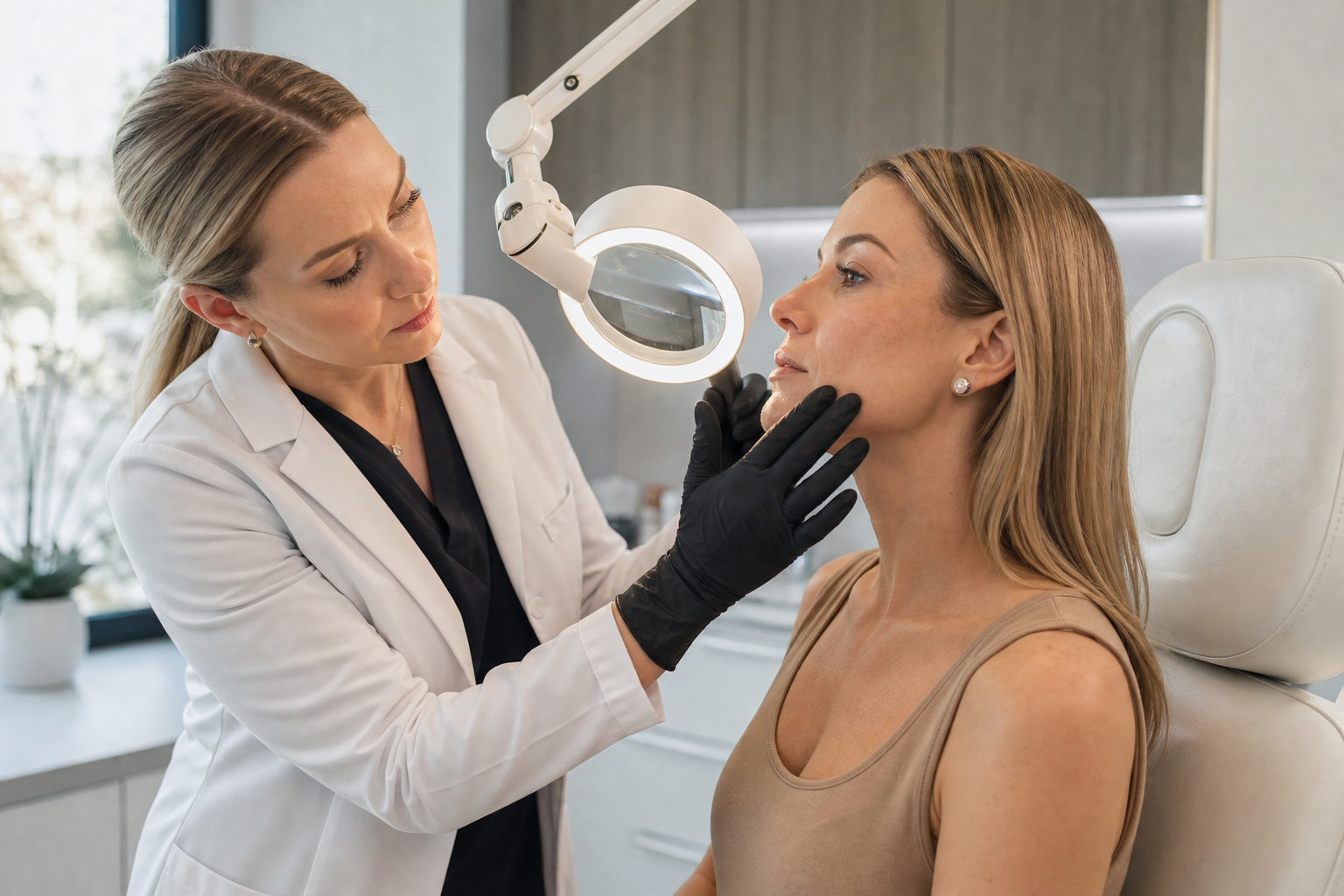
Laser treatments for redness and visible capillaries have emerged as a prominent option in aesthetic dermatology aimed at addressing common vascular skin concerns. Redness and the appearance of small blood vessels near the surface of the skin, often referred to as visible capillaries or broken capillaries, can detract from a person's complexion and self-confidence. These skin issues are frequently associated with conditions such as rosacea, chronic sun damage, or hereditary predispositions and tend to affect individuals, particularly those with lighter skin types, who seek effective means to diminish their appearance.
This editorial explores the mechanisms, benefits, candidacy considerations, procedural details, expected outcomes, and potential risks related to laser treatments designed to reduce redness and visible capillaries. It is especially relevant for individuals searching for precise and safe interventions that offer demonstrable improvement in skin clarity without promising total removal, thus reflecting realistic expectations rooted in current professional understanding.
Laser therapy stands out for its targeted effect on problematic vasculature beneath the skin, delivering energy that selectively interacts with blood vessels to minimize their visibility while sparing adjacent tissue. This process can improve overall skin uniformity and reflect a more balanced complexion, making it a valuable tool alongside other laser-based rejuvenation techniques. Understanding who benefits most from these treatments, how the procedure unfolds, and the scope of achievable results is essential for those considering this form of skin care.
What Are Laser Treatments for Redness and Visible Capillaries?
Laser treatments to address redness and visible capillaries utilize specialized laser devices designed to selectively target dilated or damaged blood vessels. These small vessels, often seen as red or purple lines or blotches on the skin surface, result from a variety of contributing factors including genetics, chronic sun damage, environmental exposure, and inflammatory skin conditions like rosacea. Their presence manifests as persistent redness and uneven skin tone.
The principle behind these laser procedures involves delivering specific wavelengths of light energy absorbed preferentially by hemoglobin contained in the blood vessels. This absorption leads to controlled heating, effectively causing closure or coagulation of the vessels without injuring the surrounding skin structures. Over time, the treated vessels diminish in size or are reabsorbed, leading to a softer, less conspicuous appearance of redness.
Laser treatments for capillaries often form an integral part of comprehensive skin rejuvenation strategies. By combining vascular laser therapy with other modalities targeting pigmentation, texture, and elasticity, patients may achieve an enhanced restoration of skin harmony. For those interested, detailed information regarding laser skin rejuvenation and its range of effects can be found in accompanying resources such as Which Skin Concerns Can Laser Rejuvenation Address? and Laser Skin Rejuvenation – A Complete Guide to Treatments, Results and Recovery.
Who Is an Ideal Candidate for These Laser Treatments?
The primary candidates for laser therapy aimed at reducing redness and visible capillaries are individuals who observe noticeable, persistent red patches or broken blood vessels on facial zones including the cheeks, nose, chin, and sometimes the décolletage. Patients who experience conditions like rosacea, couperose, or those with visible telangiectasias caused by sun exposure or hereditary factors commonly seek such treatments.
Optimal candidacy generally involves individuals with lighter skin phototypes, as certain laser systems are calibrated for these skin tones to reduce the risk of undesired side effects. Those with darker complexions or active skin inflammation must consult specialized practitioners to determine the safest and most effective treatment approaches.
Moreover, patients pursuing these therapies benefit most when they have realistic expectations. The goal is notable softening and diminished visibility of redness and capillaries rather than complete eradication. Those who also desire treatment of other skin concerns such as wrinkles, pigmentation irregularities, or scars might consider integrated plans that incorporate multiple laser modalities. Guidance from experienced dermatologists or aesthetic specialists will help tailor the best treatment combination, consistent with individual skin conditions and goals.
What Advantages Do Laser Treatments Offer For Redness and Capillaries?
One of the key advantages of laser treatments for vascular irregularities lies in their precision. Through targeted energy delivery, lasers can selectively affect problematic blood vessels without damaging surrounding skin cells, reducing recovery time and enhancing patient comfort.
The procedure is typically fast and well-tolerated, with many modern laser devices incorporating cooling mechanisms to alleviate discomfort during application. This facilitates the treatment's accessibility for individuals with busy schedules, often allowing rapid return to normal activities post-procedure.
Another notable benefit is the potential for gradual, cumulative improvement through a series of treatments. Early intervention can also serve a preventative role by addressing visible capillaries before they worsen or trigger more pronounced redness, supporting longer-term skin health.
Furthermore, as these treatments can be combined with other laser therapies aimed at correcting pigmentation, improving skin texture, or boosting collagen, they offer a holistic approach to skin rejuvenation. Articles such as Laser Treatment for Wrinkles – What Can You Realistically Expect? or Laser Treatment for Pigmentation and Sun Spots provide additional context on related procedures that might complement vascular laser therapy.
How Is the Laser Treatment Procedure Conducted?
The journey begins with a comprehensive consultation where skin type, vascular concern severity, and medical history are evaluated to design a personalized treatment plan. The choice of laser device is critical and dependent on the targeted vessels’ depth, size, and location.
During the treatment session, which usually lasts between 20 to 45 minutes depending on the size of the treated area, the skin is first cleansed thoroughly. In some cases, a topical anesthetic or cooling technique is applied to enhance patient comfort. The laser is then applied methodically over the areas exhibiting visible capillaries.
Patients may experience mild sensations described as warmth or light tingling during laser pulses, which modern equipment and protocols strive to minimize. Post-treatment care includes application of soothing agents, protection from ultraviolet exposure, and adherence to skincare recommendations to aid healing.
What Can Patients Expect After Treatment and What Is the Recovery Process?
Following laser treatment, it is common to experience transient redness and slight swelling in the treated regions, akin to mild sunburn sensations. These effects generally subside within hours to a few days. It's important to implement protective skincare measures, avoiding direct sun exposure and harsh topical products to prevent irritation or pigmentation changes.
Patients can typically resume everyday activities shortly post-procedure, with downtime often limited. Achieving meaningful improvement generally requires multiple treatments spaced over several weeks to months, facilitating progressive vessel closure and skin tone harmonization.
The ultimate results are reduced redness and less noticeable capillaries, contributing to a more even and refreshed skin appearance. However, permanent eradication of all vascular imperfections is rarely achievable; treatments serve to soften and improve the complexion's overall aesthetic.
What Limitations and Risks Should Be Considered?
Laser treatments for redness and visible capillaries are not universally applicable to all skin types or conditions. Individuals with darker skin or ongoing skin inflammation may have limited options or require specialized lasers to minimize adverse reactions. Furthermore, certain health conditions and pregnancy may preclude treatment.
Potential risks, although infrequent when performed by qualified professionals, include temporary changes in skin pigmentation (either hyperpigmentation or hypopigmentation), blistering, or scarring from inappropriate laser settings or techniques. Proper pre-treatment evaluation and adherence to post-procedural care protocols greatly reduce these risks.
One must also acknowledge that individual responses vary, and some patients may need ongoing maintenance treatments to preserve cosmetic benefits. Consulting experienced dermatologists or laser specialists ensures treatments are customized and safe.
For a broader understanding of related risks and treatment contexts, readers are encouraged to explore content such as Laser for Acne Scars – Which Treatments Are Used? and Can Laser Improve the Appearance of Skin Laxity? which discuss related laser applications and considerations.


