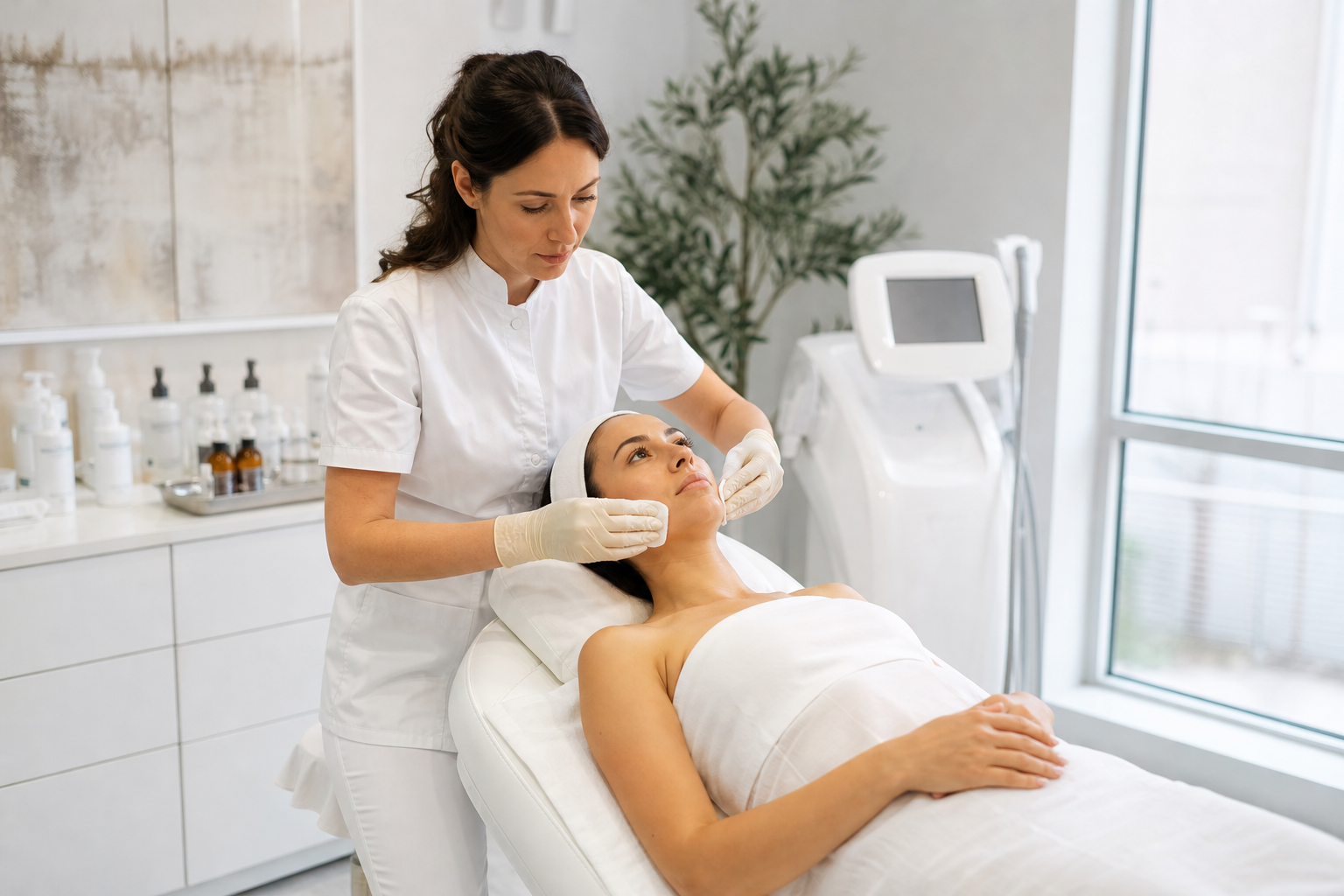
Laser treatments have become an integral part of modern dermatological and aesthetic practices, offering solutions for a wide range of skin concerns such as pigmentation irregularities, fine lines, wrinkles, scarring, and vascular lesions. Among the most common questions patients and practitioners encounter is whether a single session of laser treatment can yield satisfactory and lasting results. This inquiry is not only practical but also fundamentally important for setting realistic expectations and planning a treatment course that aligns with individual needs and skin conditions.
This article dives deep into the question: Can one laser treatment be enough? It particularly addresses differences between ablative and non-ablative laser modalities, their respective impacts on the skin, and the contexts in which a single session might suffice. It also clarifies candidacy criteria, outlines limitations and recovery expectations, and distinguishes between general educational information and personalized advice. For readers considering laser therapy for skin rejuvenation or other dermatological concerns, this article aims to provide clear, evidence-based insights to guide informed decisions.
Understanding the potential and limitations of various laser treatments is essential for anyone seeking improved skin texture, pigment correction, vascular lesion management, or wrinkle reduction. The nuances surrounding the adequacy of a single treatment session hinge on multiple factors including the laser type, the target skin issue, patient skin type, and individual healing capacity. With a growing array of laser technologies available, comprehending these distinctions helps avoid unrealistic hopes and ensures optimal treatment plans are developed.
What Differentiates Ablative from Non-Ablative Laser Treatments and How Does This Influence Session Requirements?
At the core of laser treatment efficacy and session planning is the fundamental distinction between ablative and non-ablative laser technologies. Ablative lasers, such as the fractional CO2 and erbium lasers, work by precisely removing the outermost layers of the skin, thereby inducing a controlled injury that stimulates vigorous collagen remodeling and skin regeneration. The results from such treatments tend to be more pronounced after a single session but are accompanied by an extended recovery phase due to the epidermal disruption.
In contrast, non-ablative lasers operate beneath the skin surface without damaging the epidermis. These devices promote skin rejuvenation primarily through heat-induced stimulation of dermal collagen and elastin production. Because the skin’s surface remains intact, non-ablative treatments generally cause minimal downtime but require a series of multiple sessions spaced out over weeks or months to achieve gradual, cumulative improvements.
This fundamental difference is the primary reason ablative lasers often necessitate fewer sessions—sometimes even just one—while non-ablative lasers typically demand a treatment course to deliver meaningful clinical outcomes. However, factors such as the area treated, severity of the skin condition, and patient response also influence how many sessions will be recommended.
Under Which Circumstances Can One Laser Treatment Be Sufficient?
While multiple treatment sessions are standard in many laser protocols, certain scenarios may allow a single laser treatment to produce satisfactory results. Ablative lasers, with their capacity to remove the skin surface, can often significantly improve specific superficial concerns in just one session. For example, minor pigment irregularities, superficial scars, and fine lines may respond well to a single ablative fractional laser pass, promoting visible skin smoothing and texture enhancement.
Similarly, some vascular lesions composed of small capillaries or telangiectasias may resolve sufficiently after one treatment when appropriately targeted with vascular lasers. The key is that the extent and depth of the lesion, as well as the patient’s skin type and healing ability, support such efficacy from a single application.
In these cases, an individual with resilient skin physiology and proper post-treatment care can experience appreciable improvement without the need for additional intervention. Nevertheless, such outcomes are not the norm for all skin types and conditions, and they rely heavily on careful patient selection and customized treatment planning.
Why Do Ablative Laser Treatments Often Achieve Noticeable Results After Only One Session?
Ablative lasers generate a controlled wounding response by removing the epidermis and part of the dermis. This direct intervention sets off a cascade of biological healing processes. The injured tissue stimulates production of new collagen and extracellular matrix components, leading to remodeling of skin architecture and improvement of texture and elasticity.
Because of this direct resurfacing effect, patients often observe significant improvements in pigmentation, fine lines, and superficial scars relatively quickly post-recovery. The intensity of these lasers allows for a substantial single-session impact that non-ablative modalities do not typically provide.
However, the benefits of this approach come with a tradeoff: a longer and sometimes more complex recovery phase characterized by redness, swelling, peeling, and increased skin sensitivity. Additionally, there is a risk of complications such as hyperpigmentation or infection if post-treatment care is inadequate or if the treatment intensity exceeds the skin’s tolerance.
Why Are Multiple Sessions Generally Required with Non-Ablative Laser Treatments?
Non-ablative lasers work beneath the skin’s surface without damaging the outer epidermal layer. These devices deliver heat energy that stimulates dermal fibroblasts to synthesize new collagen and elastin at a subtle pace. Because the epidermis remains intact, visible improvements appear gradually over successive treatments.
The gentler nature of these lasers translates into fewer side effects and minimal recovery time, which many patients find appealing. However, the slower accumulation of collagen and skin remodeling means that one session is unlikely to produce dramatic results. Typically, patients attend multiple sessions over several weeks to months to achieve meaningful and lasting changes in skin tone, texture, and firmness.
Furthermore, the milder treatment intensity reduces risks of adverse effects, making it suitable for individuals with lighter treatment goals or who cannot afford downtime. Thus, non-ablative lasers offer a balance between safety and efficacy but at the cost of requiring commitment to a treatment series.
Who Is an Ideal Candidate for a Single Laser Treatment?
Determining the suitability for a single laser session involves a multifaceted evaluation by a qualified dermatologist or aesthetic specialist. Candidates most likely to benefit from a one-time treatment generally have localized, mild to moderate skin concerns that are amenable to intense but focused intervention.
Ideal patients usually possess the following characteristics:
• Well-defined mild pigmentation issues or superficial scarring.
• Good overall skin health with no active inflammatory conditions.
• Skin types less prone to post-inflammatory hyperpigmentation (typically lighter skin tones).
• Realistic expectations regarding outcomes and recovery periods.
Conversely, patients with extensive sun damage, deep wrinkles, or more complex dermatological issues might require staged treatments across multiple sessions and sometimes combined modalities to achieve optimal results.
What Should Patients Expect During Recovery from a Single Laser Treatment?
Recovery after a laser procedure hinges on the technology used and the treatment intensity. With ablative lasers, patients typically experience redness, peeling, and discomfort for about one to two weeks as the skin heals and regenerates. Strict adherence to post-treatment care—such as sun avoidance, gentle cleansing, and moisturizing—is critical to minimize complications and enhance outcomes.
In contrast, recovery following non-ablative laser treatment is minimal, often involving transient redness or warmth that usually resolves within hours to days. This negligible downtime allows patients to resume regular activities rapidly.
Importantly, patients considering even a single ablative session should be counseled about the possible side effects and the responsibility of managing their skin meticulously after treatment to prevent adverse events.
How to Distinguish Educational Content from Personalized Medical Advice in Laser Treatment Planning?
Information about laser treatments can be found broadly in literature and online resources aiming to educate the public. Such content typically outlines general principles, treatment types, expected benefits, possible side effects, and recovery processes, serving as a foundational knowledge base.
However, this educational material is not a substitute for a thorough, individualized consultation with a licensed healthcare provider. Personalized advice incorporates an assessment of the patient's unique skin characteristics, medical history, treatment goals, and risk tolerance. Only through such evaluation can an effective and safe treatment plan, including the anticipated number of sessions, be formulated.
Thus, individuals seeking laser therapy should utilize educational resources to inform themselves but prioritize expert guidance tailored to their specific circumstances to ensure the best outcomes.
When Should One Laser Treatment Be Reconsidered or Supplemented with Additional Sessions?
Even after a single ablative or non-ablative laser session, the possibility remains that further treatments may be beneficial or necessary. Factors that might prompt additional treatments include incomplete resolution of the target condition, development of new skin changes, or the natural progression of aging.
In some cases, adjunctive therapies such as topical agents, other aesthetic procedures, or maintenance laser treatments might be recommended to prolong and amplify initial benefits. Patient feedback and clinical evaluation during follow-up visits guide these decisions.
Therefore, while one laser treatment may be enough in select cases, flexibility in treatment planning and open communication between patient and provider are essential components of comprehensive skin care.
How Does the Type of Laser Treatment Affect Long-Term Outcomes and Maintenance?
Long-term benefits and the durability of results vary depending on the laser modality used. Ablative lasers generally produce more significant and longer-lasting changes after a single session due to their profound dermal impact, but these results are also influenced by ongoing environmental factors and skin care routines.
Non-ablative lasers tend to require scheduled maintenance treatments beyond the initial series to sustain collagen production and skin vitality. Regular follow-ups and adherence to recommended skin health practices complement the laser’s effects and contribute to sustained aesthetic improvements.
Understanding these differences helps patients choose treatments aligned not only with their immediate goals but also with their willingness to engage in ongoing skin care and maintenance regimens.


