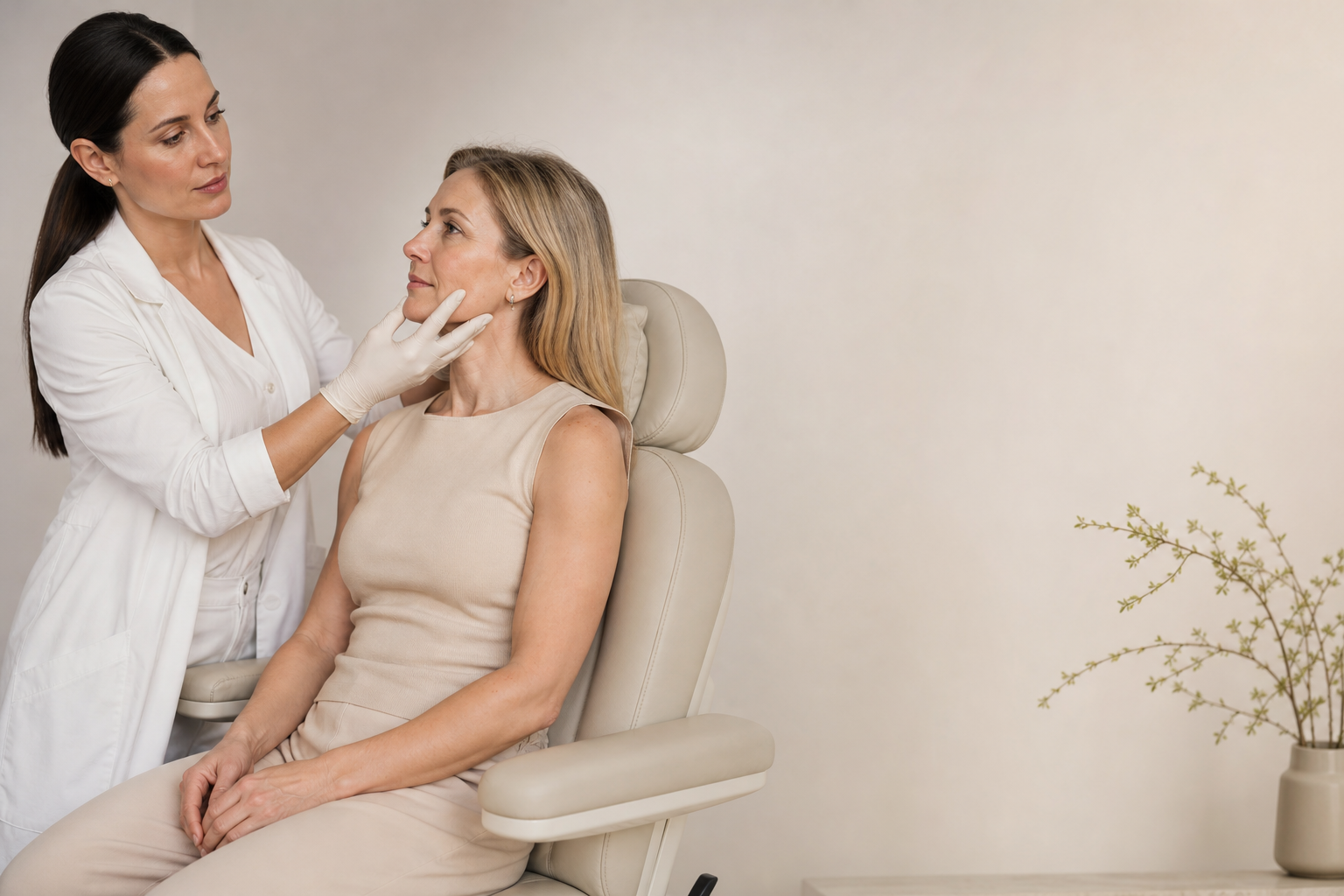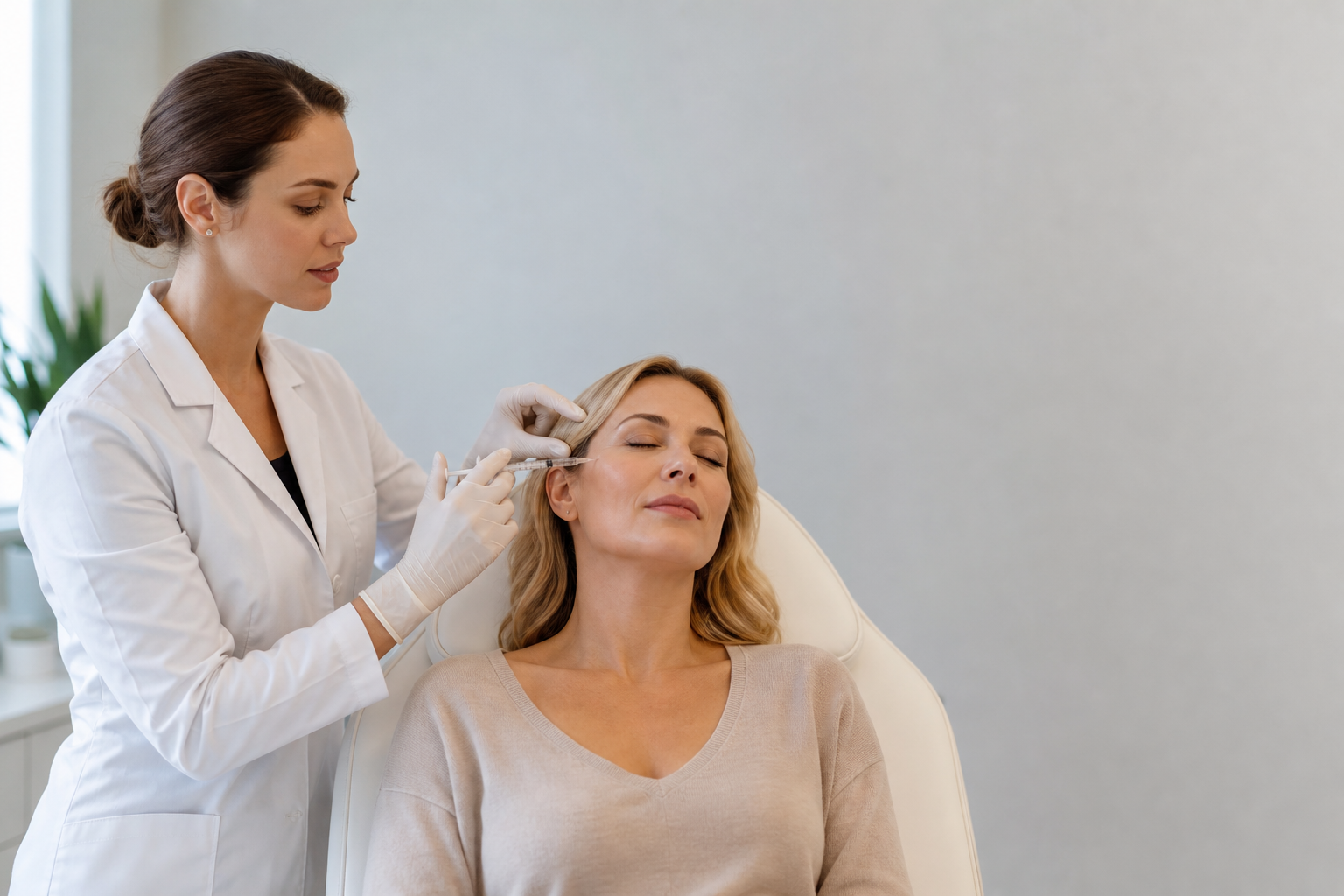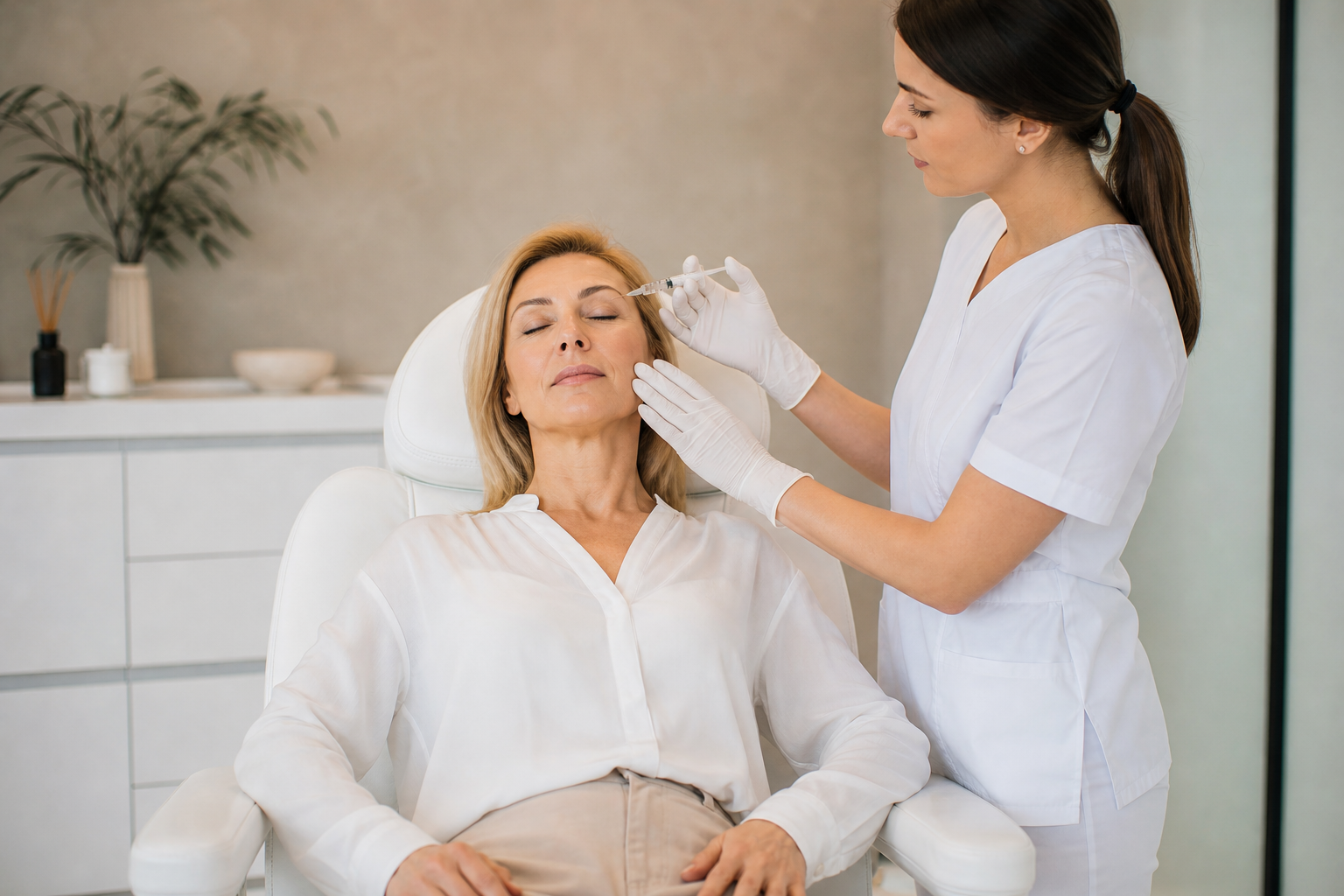
Botox, a term synonymous with aesthetic rejuvenation, has woven itself deeply into the fabric of modern cosmetic medicine. For those seeking to diminish the visible effects of aging—such as wrinkles and fine lines—without resorting to invasive surgical procedures, Botox treatments offer an attractive solution. This editorial aims to explore one of the most critical aspects of Botox therapy: the duration of its effects and the considerations surrounding repeat treatments.
Understanding how long Botox lasts and when to schedule subsequent treatments is essential not only for individuals contemplating their first session but also for experienced patients intent on maintaining their youthful appearance. Moreover, medical professionals specializing in aesthetic medicine must grasp these nuances to guide their patients effectively. This comprehensive discussion delves into the physiological underpinnings of Botox, factors influencing its efficacy and longevity, region-specific expectations, and practical advice for planning ongoing treatment regimens.
The value of this exploration lies in setting realistic expectations, acknowledging individual variability, and promoting informed decision-making. Only through a clear understanding of these elements can patients, practitioners, and the broader aesthetic community navigate Botox treatments safely and effectively.
The Mechanism of Botox and Determinants of Its Lasting Effect
At its core, Botox comprises botulinum toxin—a neurotoxin produced by the bacterium Clostridium botulinum. Its primary function in cosmetic applications is to induce temporary muscle relaxation by hindering the communication between nerves and muscles. Specifically, Botox blocks the release of acetylcholine at the neuromuscular junction, preventing the muscle from contracting. This process leads to a smoothing of wrinkles caused by repetitive or habitual muscle movements.
The duration of Botox’s effect is not uniform; it varies markedly among individuals and depends on multiple factors. The type and formulation of the Botox preparation used play a significant role, as different commercial products have distinct potency profiles and biological properties. The anatomical location of injection is also crucial because muscle size, activity, and fiber composition affect how the toxin is metabolized and cleared.
Once injected, Botox begins to work within days, with peak effects usually visible by around two weeks. On average, results last between three and six months, after which the neuro-muscular communication gradually resumes as new nerve endings form. The muscles regain their contractile function, and previously softened wrinkles reappear. Recognizing this timeline is critical for safely scheduling repeat treatments without premature interventions that could attenuate long-term benefits or provoke adverse effects.
Individual Factors Influencing the Longevity of Botox Effects
The notable variability in Botox’s duration stems largely from individualized physiological and lifestyle factors. Metabolic rate significantly influences how quickly the body breaks down the toxin. For instance, individuals with a faster metabolism may experience a shorter period of muscle relaxation, leading to a need for more frequent treatments.
Another essential consideration is muscle activity. People who habitually use the muscles targeted for treatment through expressive facial movements or physical exercise involving those regions tend to metabolize the toxin more rapidly. This heightened muscle activity can reduce the toxin’s duration as the muscles continue to signal for contraction.
Genetic predispositions affect how patients respond to Botox as well. Some individuals may have a higher tolerance or immune response that diminishes the toxin’s effectiveness over time. Additionally, age-related changes in skin elasticity and muscle tone modify treatment outcomes, sometimes shortening the effective period as the tissue structure alters.
Because of this substantial inter-individual variability, a personalized approach is paramount. Medical practitioners must consider these factors during consultation and treatment planning, adjusting dosage, injection sites, and timing to optimize results for each patient.
Regional Specificity: How the Injection Site Influences Botox Effect Duration
The anatomical site of Botox administration notably conditions the length of its aesthetic effects. Facial muscles differ in size, strength, and function, responding variably to neuromodulation. For instance, muscles in the forehead and glabellar region (between the eyebrows) are often engaged more intensively during everyday expressions. As such, Botox effects in these areas generally last on the shorter side—approximately three to four months.
Conversely, treatment areas around the eyes, such as the crow’s feet, may display longer-lasting effects. These muscles are smaller and less frequently engaged with the same intensity, which can afford a duration closer to six months. Similarly, Botox applied to the lower face or neck can behave differently based on muscle usage and depth.
Understanding these anatomical intricacies aids in setting patient expectations and tailoring treatment regimens. It also guides the injection technique, such as the precise depth and volume, to harmonize with muscle characteristics and extend the therapeutic outcome.
The Role of Muscle Activity in Shaping Treatment Outcomes
Muscle activity is a key determinant of Botox’s clinical efficacy and its duration. As the toxin works by relaxing targeted muscles, the extent to which those muscles retain their natural movement patterns profoundly influences how long the effect persists. Patients with high muscle tone or those who often use exaggerated facial expressions may find the effect diminishes sooner.
Repeated Botox administrations may help retrain muscle activity by reducing habitual contractions over time. This phenomenon can potentially lengthen treatment intervals for some patients. On the other hand, excessive muscle use immediately following injections can lead to diminished efficacy. Hence, practitioners frequently advise patients to moderate facial movements shortly after treatment to ensure optimal toxin uptake and distribution.
For individuals engaged in activities requiring significant facial muscle use—such as actors or public speakers—this factor becomes particularly salient. These patients might require adjusted treatment plans, possibly including increased dosage or shorter intervals between sessions, always balanced against safety considerations.
Strategizing Repeat Botox Treatments for Sustainable Results
Planning follow-up sessions is integral to maintaining desired aesthetic improvements. The general recommendation is to repeat Botox injections every three to six months, with the exact timing personalized according to patient response and treatment area. Overly frequent treatments can raise concerns about development of resistance or immunogenic reactions, although such instances are relatively rare with proper medical oversight.
Timely repeat treatments can also take advantage of a 'training effect,' whereby muscles adapt to a reduced contraction level, thereby prolonging wrinkle suppression between sessions. This cumulative approach often results in smoother, longer-lasting results over the course of several treatments.
Patients should be advised to monitor changes carefully and communicate any alterations in effect duration or response to their clinicians. Close collaboration enables adjustments in technique, dosage, and timing to refine the treatment course, minimize side effects, and preserve natural facial expressions.
Transition and Management When Botox Effects Diminish
As Botox’s effects wear off, patients experience a gradual return of muscle function and the associated facial lines. This return is typically progressive rather than sudden, allowing a smooth transition without abrupt changes in appearance. However, the pace and visibility of this fading vary individually, depending on factors discussed earlier.
Effective communication between patient and practitioner is crucial during this phase. Evaluating when to administer the next injection depends on cosmetic goals, the extent of wrinkle reappearance, and overall skin condition. Resuming treatment too early may risk overtreatment and unnatural results, while waiting too long could negate continuity and patient satisfaction.
Some experts recommend scheduling a follow-up visit to assess the waning effect objectively, ensuring that re-treatment aligns with the patient's natural aesthetic rhythm. This strategy supports a harmonized treatment course that respects facial dynamics and individual preferences.
Balancing Treatment Continuity and Breaks to Optimize Botox Therapy
The debate about whether patients should take periodic breaks from Botox treatment remains active within the aesthetic medical community. Continuous treatment may reinforce muscle relaxation and prolong the benefits, potentially reducing wrinkle formation rates over time. Conversely, intermittent pauses have been proposed to mitigate risks such as antibody formation against botulinum toxin that could diminish responsiveness.
The decision to introduce treatment intervals should consider the patient’s medical history, previous treatment outcomes, and personal goals. Some patients may benefit from regular maintenance to preserve a youthful appearance. Others, especially those with concerns about long-term effects or decreased sensitivity, might find pauses advantageous.
Ultimately, individualized care plans tailored through shared decision-making and medical supervision provide the safest and most effective approach to incorporating breaks or continuous schedules. There is no one-size-fits-all answer, and flexibility is key.
Essential Precautions and Variabilities in Botox Efficacy and Safety
It is vital to acknowledge the complexities surrounding Botox treatments, including that units of different Botox preparations are not interchangeable. Diverse formulations possess varying potencies and pharmacodynamics, necessitating expertise and caution in their clinical application. Furthermore, many uses of Botox remain off-label worldwide, dependent on regulatory approvals in specific countries and indications.
Patients must be informed of realistic expectations, including the possibility of adverse effects. Although rare, serious reactions such as breathing or swallowing difficulties demand immediate medical attention. Therefore, treatments should always be conducted by qualified professionals in an appropriate setting, with appropriate protocols for managing complications.
Responsible communication about these factors fosters trust and ensures patients' safety and satisfaction. It also underscores the need for informed consent and a thorough consultation before initiating Botox therapy.