RF microneedling represents a significant evolution in the landscape of skin rejuvenation technologies, merging the mechanical benefits of microneedling with the thermal stimulation afforded by radiofrequency (RF) energy. This minimally invasive procedure offers a sophisticated approach to skin tightening, texture improvement, and scar reduction, targeting underlying dermal layers more precisely than traditional treatments. It is particularly suited for individuals seeking to enhance their skin’s appearance through regenerative stimulation while avoiding the downtime and risks associated with conventional surgical options.
Understanding RF microneedling is essential for patients considering advanced aesthetic treatments and for professionals navigating the diverse spectrum of RF-based therapies. With a growing interest in minimally invasive procedures, this fusion technique stands out for its ability to produce notable collagen and elastin induction through combined mechanisms, leading to firmer, smoother skin over a series of sessions. However, its burgeoning popularity also demands careful consideration of safety protocols and awareness of potential complications highlighted by regulatory bodies. This article aims to clarify the distinct nature of RF microneedling, its applications, benefits, procedure details, safety considerations, and place within the broader context of RF treatments for skin revitalization.
What is RF Microneedling and How Does It Work?
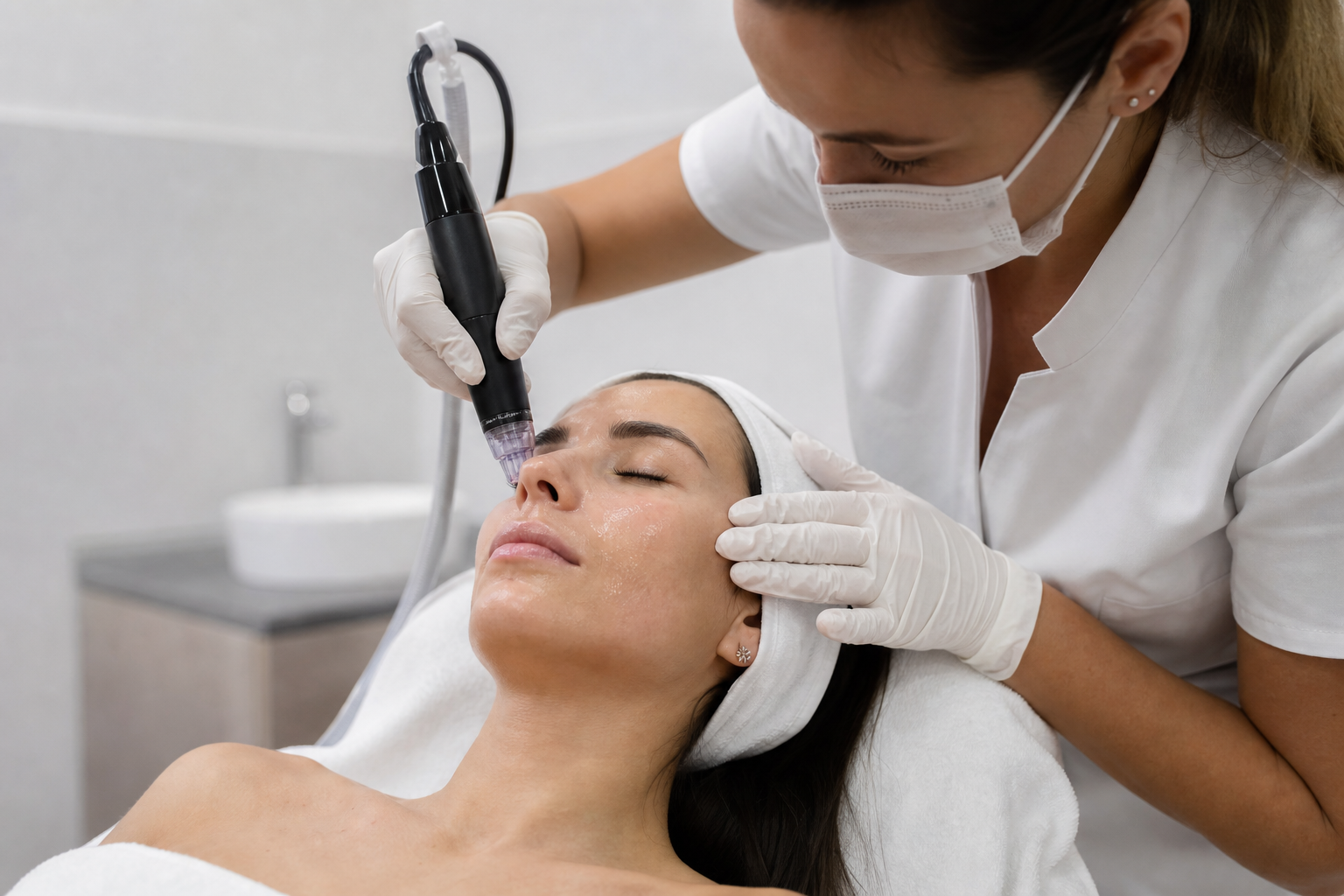
RF microneedling incorporates the creation of microscopic punctures in the skin using fine, sterile needles alongside the delivery of radiofrequency energy directly into the deeper dermal layers. This dual-action process stimulates the skin’s natural healing response more robustly than either microneedling or RF treatments alone. The physical puncturing activates wound healing cascades, while radiofrequency-induced heating encourages the synthesis of collagen and elastin—proteins fundamental to skin’s strength and elasticity.
Unlike traditional noninvasive RF procedures, which emit energy from electrodes placed on the skin's surface, RF microneedling channels the RF waves through the needles themselves. This focused delivery enables precise thermal injury confined to targeted dermal depths, minimizing damage to surrounding tissues. The resulting collagen remodeling and tissue tightening contribute to improvements in fine lines, texture irregularities, and skin laxity.
This treatment is inherently medical and requires expert application to optimize outcomes and manage risks. The controlled injury and heat stimulate a cycle of regeneration, producing gradual yet visible skin enhancement typically over several treatment sessions spaced weeks apart for cumulative benefit.
Who Can Benefit from RF Microneedling?
Individuals aiming to revitalize skin with minimal downtime are the primary candidates for RF microneedling. It is particularly advantageous for those with moderate concerns including fine wrinkles, enlarged pores, uneven skin texture, mild to moderate skin laxity, and certain types of acne scars. Patients seeking a natural, progressive improvement without resorting to extensive surgery find RF microneedling an appealing option.
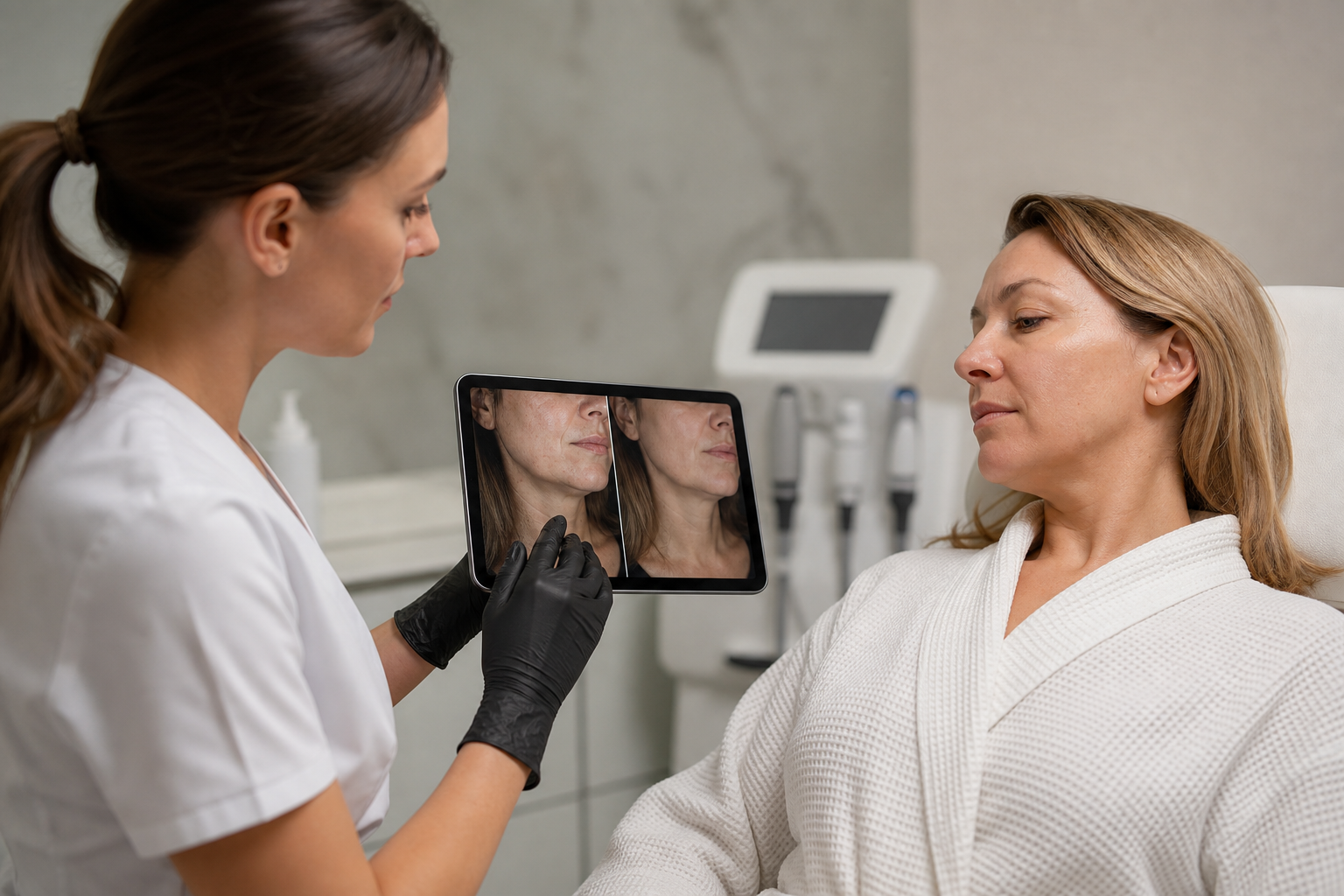
Moreover, RF microneedling addresses a broad spectrum of skin issues across various skin types and ages, though patient evaluation must consider specific contraindications such as active infections, certain dermatologic conditions, or a history of keloid scarring. Realistic expectations and thorough consultation ensure appropriate treatment planning and risk management.
Because RF microneedling penetrates the skin’s surface, individuals with deeper or more severe skin damage may require adjunctive modalities or surgical correction to achieve desired outcomes.
How Does RF Microneedling Differ from Other RF Treatments?
Within the domain of radiofrequency therapies, multiple techniques exist, often leading to confusion among patients and even practitioners. Key distinctions lie in the method of RF delivery and the invasiveness of the procedure.
Conventional RF treatments are typically noninvasive, using surface electrodes to gently heat the dermis. These methods induce collagen remodeling but result in subtle skin tightening with minimal discomfort and virtually no downtime. Fractrional RF without needles is a variation that delivers energy to micro-regions of the skin surface, promoting rejuvenation with limited epidermal disruption and faster recovery.
In contrast, RF microneedling is a minimally invasive approach where microneedles puncture the skin and conduct RF energy directly within the dermis. This creates micro-injuries combined with localized heating, producing a more intense regenerative stimulus. Consequently, recovery involves some redness, swelling, and sensitivity for several days but the tradeoff is often a more pronounced and longer-lasting improvement.
Technological variations also include monopolar and bipolar RF devices, distinguished by electrode configurations and depth of energy penetration. RF microneedling devices often utilize bipolar RF for controlled and uniform heating confined to defined skin layers.
What Are the Primary Uses and Benefits of RF Microneedling?
RF microneedling’s chief advantage is its versatility in treating a variety of dermatologic and aesthetic concerns. By stimulating collagen and elastin production, it tightens and firms the skin, reduces fine lines, and evens skin texture. It is effective in diminishing atrophic acne scars by promoting dermal remodeling and improving skin surface regularity.
The procedure also benefits those experiencing mild skin laxity on the face, neck, and body areas by contracting existing collagen fibers and encouraging new tissue growth. This leads to an overall lifting and tightening effect without incisions or general anesthesia.
Another benefit lies in its suitability for multiple skin types, including those often unsuitable for aggressive resurfacing techniques. Additionally, RF microneedling tends to have relatively low risk of pigmentation alterations, making it an option for patients with darker skin tones when performed correctly.
Patient satisfaction is usually high due to the combination of minimal downtime, gradual yet appreciable results, and the natural appearance of rejuvenated skin following treatment cycles.
What Can Patients Expect During an RF Microneedling Treatment?
Preparation for RF microneedling involves cleansing the treatment area and typically applying a topical anesthetic to minimize discomfort. Treatments generally last between 30 and 60 minutes depending on the size and number of areas addressed.
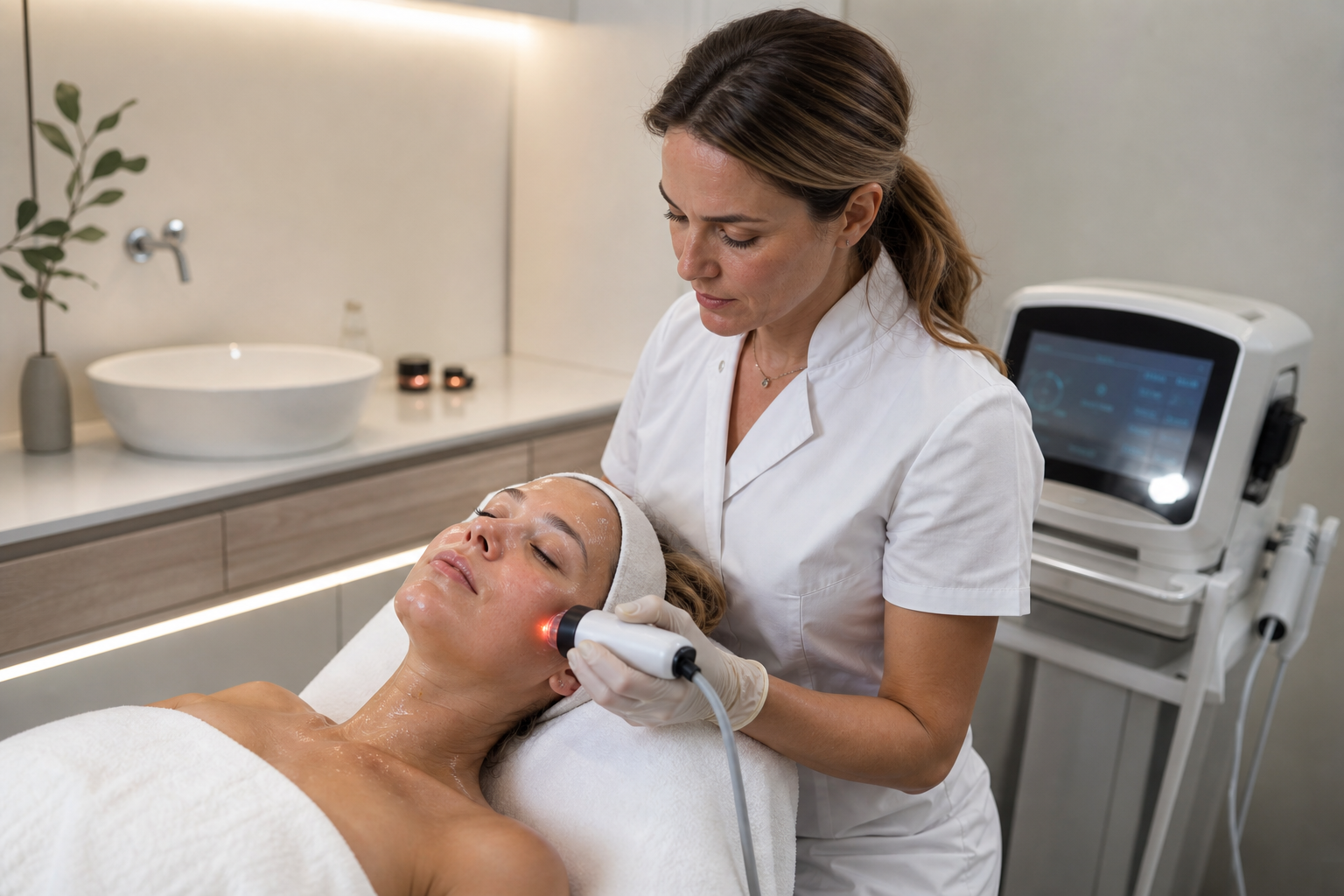
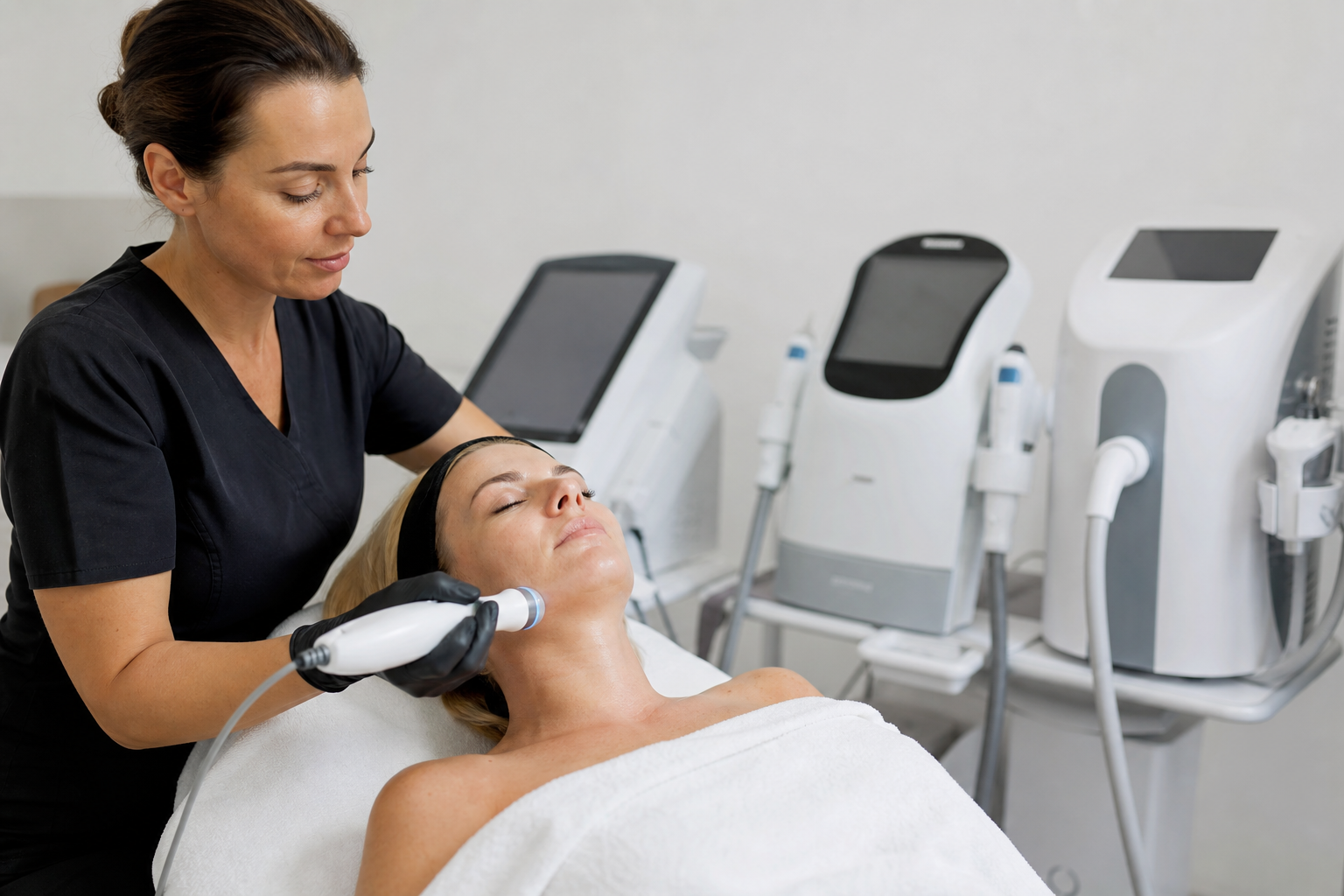
During the procedure, a handheld device equipped with microneedles is passed methodically over the skin’s surface. Patients may feel tingling, warmth, or a mild prickling sensation coupled with heat as RF energy is discharged through the needles.
Immediate post-treatment effects include erythema (redness), mild swelling, and possible pinpoint bleeding or bruising, all usually resolving within a few days. Sun protection and gentle skincare are critical during recovery to support skin healing and optimize results.
Multiple sessions spaced four to six weeks apart are common, allowing progressive skin remodeling. Optimal outcomes typically emerge over a 3–6 month period following initial treatments.
What Safety Considerations and Risks Are Associated with RF Microneedling?
While generally considered safe when performed by trained professionals, RF microneedling carries inherent risks tied to its minimally invasive nature and energy-based application. These include redness, swelling, discomfort, infection risk, scarring, pigmentary changes, and, in rare cases, nerve damage.
Notably, in October 2025, the U.S. Food and Drug Administration (FDA) issued a safety advisory highlighting reported complications following RF microneedling procedures, such as burns, permanent scarring, fat atrophy, and nerve injury. This warning underscores the procedure’s status as a medical intervention that requires qualified provider expertise, appropriate patient selection, and strict adherence to manufacturer safety protocols.
Patients must disclose their full medical history, including any skin disorders or healing concerns, and follow all pre- and post-treatment instructions carefully. Facilities offering RF microneedling should maintain rigorous infection control and equipment calibration standards to mitigate adverse events.
How Does RF Microneedling Compare to Surgical Facelift Procedures?
RF microneedling and surgical facelifts serve different purposes within aesthetic medicine. The surgical facelift is an invasive operation involving the physical lifting and tightening of facial tissues through incisions and tissue repositioning, typically requiring anesthesia and extended recovery periods. It can address significant skin laxity and deep structural changes.
Conversely, RF microneedling is a less aggressive option focused on stimulating the skin’s inherent repair mechanisms. The results are more subtle and gradual, suited for mild to moderate rejuvenation but not capable of replicating the dramatic lift and volume restoration of surgery.
Understanding this distinction is vital to setting realistic expectations. RF microneedling excels as a maintenance or complementary therapy aimed at improving skin quality and counteracting early signs of aging, while surgical intervention remains the benchmark for advanced structural correction.
How Does RF Microneedling Fit Within the Broader Spectrum of RF Technologies?
Radiofrequency technologies encompass a variety of interventions ranging from completely noninvasive to minimally invasive, each with unique indications and technical nuances. Monopolar RF devices deliver energy deeply but less focally, suitable for volumetric heating, whereas bipolar RF confines the current between electrodes on the device, offering more targeted dermal heating.
RF microneedling represents a synergy between these principles — providing intradermal RF delivery via microneedles to maximize precision and efficacy. Emerging iterations incorporate variable needle lengths, adjustable RF parameters, and combined modalities, expanding treatment customization.
Clinical research continues to elucidate optimal protocols, long-term outcomes, and comparative effectiveness against other rejuvenation strategies, assisting practitioners in individualizing care.