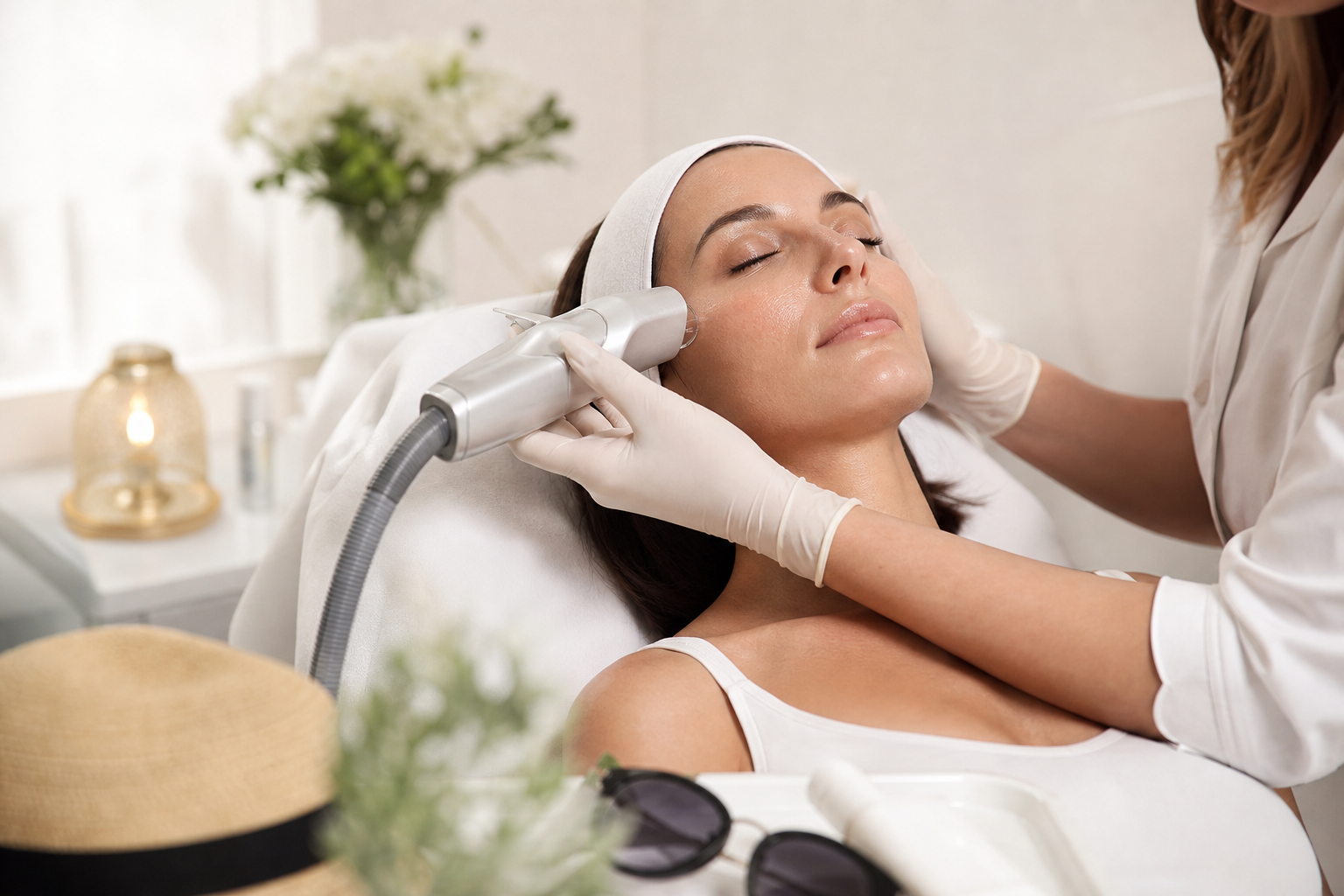
Pigmentation issues are a common concern for many individuals seeking to achieve an even and radiant complexion. Dark spots, melasma, and other forms of hyperpigmentation can detract from skin’s natural beauty, often leading to diminished self-confidence and frustration. Treatments targeting pigmentation correction have evolved substantially, with laser therapies now positioned as a central pillar for effective and safe skin tone improvement. However, the success of laser pigmentation treatment is not solely determined by the technology or skill of the clinician. An equally crucial factor is the timing of the treatment, specifically the season during which it is performed.
This editorial serves as an in-depth guide for those considering laser pigmentation treatments, whether patients or practitioners. It addresses the fundamental question: What is the best season for pigmentation treatment? Furthermore, it explores how seasonality affects preparation, procedural efficacy, recovery, photoprotection, and maintenance. By understanding these elements, one can make informed decisions that maximize treatment benefits while minimizing risks.
Choosing the appropriate season is vital because ultraviolet (UV) exposure from sunlight profoundly influences pigmentation processes and the skin’s response to therapy. As such, the timing of the treatment must be carefully coordinated with the patient’s skin type, pigmentation diagnosis, chosen laser device, and clinical recommendations. This article unfolds these considerations and places them within the framework of safe and realistic expectations for laser pigmentation treatment outcomes.
Why Does Seasonality Matter in Pigmentation Treatment?
The interaction between sun exposure and pigmentation is complex but critical. UV radiation stimulates melanocytes, the skin cells responsible for pigment production, potentially exacerbating hyperpigmentation and complicating treatment results. Laser therapies, while targeted and effective, increase skin photosensitivity transiently, raising vulnerability to UV-induced damage post-procedure.
During the summer months, when sunlight is intense and UV indices are high, the risk of adverse reactions like post-inflammatory hyperpigmentation, prolonged redness, or even burns is significantly elevated. The skin’s healing capacity can be impaired by continuous sun exposure, leading to suboptimal outcomes and extended recovery times.
Conversely, autumn and winter present a more favorable environment for pigmentation treatment. Lower UV exposure reduces the risk of complications and allows better skin recovery. This seasonal advantage facilitates more aggressive treatment parameters if necessary and shortens downtime, making the entire therapeutic process more manageable for patients.
Preparing Your Skin for Seasonal Pigmentation Treatment
Preparation is a foundational step that underpins the success of pigmentation treatments regardless of season but becomes even more critical when aligning therapy with seasonal UV variations. Proper preparation begins with a comprehensive clinical evaluation, during which the dermatologist assesses the type, depth, and extent of pigmentation as well as the patient’s Fitzpatrick skin phototype.
Weeks before the scheduled procedure, minimizing direct sun exposure is imperative. Patients are advised to avoid tanning beds and prolonged outdoor activities without sun protection. Implementing a rigorous daily sunscreen regimen with SPF 30 or higher, ideally SPF 50+, helps decrease active melanogenesis and quiet the skin's inflammatory state.
Topical pre-treatment may include depigmenting agents such as vitamin C, kojic acid, or hydroquinone derivatives under medical supervision. These act to reduce pigmentation contrast and prepare the skin for more uniform laser response. Importantly, harsh exfoliants or irritants should be avoided to prevent unnecessary inflammation or sensitivity that could complicate laser therapy.
Before the procedure, a “cooling-off” period free of retinoids and other stimulating agents for at least several days helps ensure the skin is in the best condition to tolerate laser energy. This careful calibration tailored by the clinician is paramount to reduce procedural risks and optimize results.
What Happens During Laser Pigmentation Treatment?
Laser treatments for pigmentation employ selective photothermolysis—targeting melanin pigment while sparing surrounding tissue. Different lasers, such as Q-switched Nd:YAG, fractional lasers, or alexandrite lasers, are chosen based on pigment type, depth, and skin phototype. Each has unique wavelengths and pulse durations designed to break pigment granules into smaller fragments that are subsequently cleared by the body’s lymphatic system.
The procedure itself is typically brief, lasting between 15 and 30 minutes, and is often accompanied by cooling devices to maintain patient comfort and protect the epidermis. Patients might feel a snapping sensation or tingling, but general anesthesia is rarely required. Immediately post-treatment, mild erythema (redness), edema (swelling), or pinpoint bruising may be observed.
Clinicians provide detailed instructions about the expected immediate skin appearance and post-treatment care to set realistic expectations and mitigate anxiety. Understanding these procedural nuances is essential for prospective patients to appreciate both the sophistication and limitations of pigmentation laser therapy.
How Does Season Influence Recovery and Post-Treatment Care?
Recovery after laser pigmentation treatment is a dynamic process influenced by skin type, treatment intensity, and crucially, environmental factors such as sun exposure. In seasons with high solar irradiation, fragile treated skin faces persistent oxidative stress, which may prolong inflammation and increase the potential for pigmentary complications.
In cooler seasons, reduced UV burden allows faster resolution of transient redness and micro-injuries caused by laser. Post-treatment, the skin’s barrier function gradually restores, with pigment fading becoming evident over several weeks to months. Residual crusting or peeling is common and should not be disturbed to avoid scarring or pigmentation rebound.
Stringent photoprotection remains a cornerstone throughout recovery and maintenance phases. Use of broad-spectrum sunscreens with SPF 50+, physical barriers such as wide-brimmed hats, and protective clothing are mandatory practices. Patients should also avoid incidental sun exposure during daily routines. These measures not only prevent complications but also extend treatment durability.
Maintaining Results and the Role of Ongoing Photoprotection
Post-laser care extends well beyond the initial healing period. Maintaining results involves disciplined photoprotection and periodic use of topical agents that support pigment modulation and skin barrier health. Elements like antioxidants, moisturizing formulas, and regulated exfoliants can improve skin texture and prevent recurrence.
Adherence to recommended maintenance protocols, personalized by clinicians based on individual’s skin response and lifestyle, supports long-term satisfaction. Since pigmentation can recur due to genetic predisposition and environmental factors, ongoing vigilance is necessary, particularly through high UV seasons.
How Individual Factors Influence the Ideal Treatment Season
While the general recommendation favors autumn and winter for pigmentation treatments, individual patient variables must also be contemplated. Skin phototype influences susceptibility to pigmentation changes and healing dynamics. Patients with darker skin types (Fitzpatrick III–VI) face increased risk of post-inflammatory pigmentation if exposed to intense sunlight soon after treatment, making seasonal selection even more significant.
The diagnosis of specific pigment conditions such as melasma, solar lentigines, or post-inflammatory hyperpigmentation demands tailored protocols. Some lesions respond better to less aggressive treatments repeated over extended periods, while others might warrant prompt intervention.
The chosen laser technology and clinical experience further impact protocol selection. Certain lasers are more suitable for use during periods of lower sun exposure due to their intensity and photosensitizing effects. Comprehensive consultation with a qualified clinician ensures patients receive personalized advice anchored on these complex considerations.
Frequently Asked Questions About Seasonal Pigmentation Treatment
Can pigmentation treatment be safely performed during summer? While not impossible, summer treatments carry higher risks due to elevated UV exposure and skin photosensitivity post-laser. Most dermatologists advise postponing until autumn or winter to reduce complications.
How many treatment sessions are typically necessary? The number varies depending on pigmentation depth and response but often ranges between 3 to 6 sessions spaced weeks apart. Multiple sessions allow gradual pigment reduction while minimizing risks.
Are the results permanent? Laser treatments can significantly reduce pigmentation, but ongoing care and photoprotection are imperative to maintain outcomes. Pigmentation may recur without these measures.
What kind of sunscreen and skin care should be used post-treatment? Broad-spectrum sunscreens with SPF 50+ are recommended year-round. Additional protective accessories and soothing topical agents prescribed by clinicians promote healing and prevent new pigmentation.


