Radiofrequency (RF) treatments have garnered significant attention in the realm of aesthetic medicine for their ability to rejuvenate and tighten the skin without surgery. This non-invasive approach utilizes controlled radio wave energy to stimulate the production of collagen and elastin, proteins essential for maintaining youthful skin texture and firmness. Over recent years, RF technologies have evolved, offering varied procedures tailored to different skin types and concerns, making them accessible and appealing to a broad audience seeking natural-looking results with minimal downtime.
Understanding what determines the success and visible outcomes of RF treatments is crucial for individuals considering this option for skin tightening or facial rejuvenation. The results vary widely depending on factors such as the specific RF technology employed, the condition of the skin prior to treatment, the expertise of the practitioner, and patient adherence to aftercare protocols. This knowledge empowers prospective patients to set realistic expectations and choose the most suitable treatment approach for their unique needs.
This comprehensive editorial explores the multifaceted elements influencing RF lifting results. It aims to illuminate the mechanisms behind different RF treatment modalities, explain who can benefit most from them, detail the benefits and limitations, and guide on what outcomes to anticipate. Whether you are an aesthetic professional seeking deeper insight or an individual exploring non-surgical skin tightening options, this article provides a refined, evidence-informed perspective on what shapes the effectiveness of radiofrequency therapies.
What Is Radiofrequency (RF) Skin Tightening and Why Is It Popular?
Radiofrequency skin tightening is a cosmetic procedure that uses electromagnetic radio waves to generate heat within the deeper layers of the skin, notably the dermis. This controlled heating causes fibroblast activation, the skin cells responsible for producing collagen and elastin. As we age, collagen and elastin synthesis diminishes, leading to loss of skin elasticity, sagging, and the formation of wrinkles. By stimulating these fibroblasts, RF treatments encourage the remineralization and restructuring of the skin’s supportive matrix, enhancing firmness and smoothness.
The appeal of RF lifting lies in its non-surgical nature. Unlike traditional facelifts or invasive skin tightening surgeries, RF treatments do not involve incisions, anesthesia, or extensive recovery periods. Patients can often resume daily activities immediately after sessions, a feature that suits busy lifestyles and those wary of surgical risks. Additionally, RF is versatile, applicable not only to the face but also to other body areas where skin laxity is a concern, such as the neck, décolletage, abdomen, and arms.
Individuals typically seek RF skin tightening when noticing early to moderate signs of aging, including loose skin and fine lines, or as a preventive measure to maintain skin tone. Both women and men benefit from these treatments, thanks to tailored protocols that consider different skin types and conditions. Beyond aesthetic improvements, many report enhanced skin texture and a boost in confidence, highlighting the holistic value of RF therapies.
Which Factors Most Influence the Results of RF Treatments?
The effectiveness of RF skin tightening is determined by an interplay of factors spanning technology choice, patient characteristics, and treatment execution. Recognizing these variables helps clarify why outcomes can differ among individuals and even within consecutive sessions for the same person.
Technology and Device Type: The spectrum of RF devices ranges from non-invasive to minimally invasive equipment. Non-invasive RF machines deliver energy externally across the skin surface, inducing gentle warming without breaking the skin barrier. Minimally invasive RF devices, such as those utilizing microneedles, penetrate the skin to provide more targeted heat to the dermis. These deeper treatments often stimulate collagen production more robustly but come with greater potential discomfort and slightly longer recovery. Advanced fractional RF systems create controlled micro-injuries, combining the benefits of thermal stimulation and skin remodeling. The specific technology significantly dictates the depth of heat penetration and treatment intensity, impacting how pronounced and durable the results will be.
Patient's Skin Condition: Skin thickness, hydration, elasticity, and degree of laxity all influence treatment response. Younger patients with mild skin laxity generally achieve faster and more noticeable improvement compared to those with advanced sagging or extensive photodamage. Skin type also matters; for instance, darker skin tones benefit from RF treatments as these do not rely on light-based energy that can cause pigmentation issues. However, careful parameter selection is essential to optimize safety and results across all skin colors and conditions.
Technique and Practitioner Expertise: The skill and experience of the practitioner profoundly affect treatment outcomes. Proper device calibration, selection of energy settings, session duration, and treatment patterns must be precisely tailored to the patient’s skin and aesthetic goals. Inadequate technique can lead to underwhelming results or, conversely, adverse effects such as burns or uneven skin texture. Experienced professionals also excel at patient assessment, identifying contraindications or pre-existing factors that may alter the expected benefits.
Number and Frequency of Sessions: RF treatments are typically delivered over multiple sessions to accumulate collagen remodeling effects gradually. The number of treatments varies based on the technology and individual goals but usually ranges between three and six sessions spaced a few weeks apart. Results build over time, meaning patience and adherence to the prescribed treatment plan are critical for optimal rejuvenation.
Post-Treatment Care and Lifestyle: Post-procedural practices, including sun protection, skin hydration, and avoidance of smoking or excessive alcohol, contribute to maintaining the gains achieved. Healthy lifestyle choices enhance collagen synthesis and prevent premature skin aging, complementing the benefits of RF lifting.
What Types of RF Treatments Are Available and How Do They Differ?
Modern RF technologies can be broadly classified into several categories based on their invasiveness and mechanism of energy delivery. Each modality offers distinct advantages suited to specific skin concerns and patient preferences.
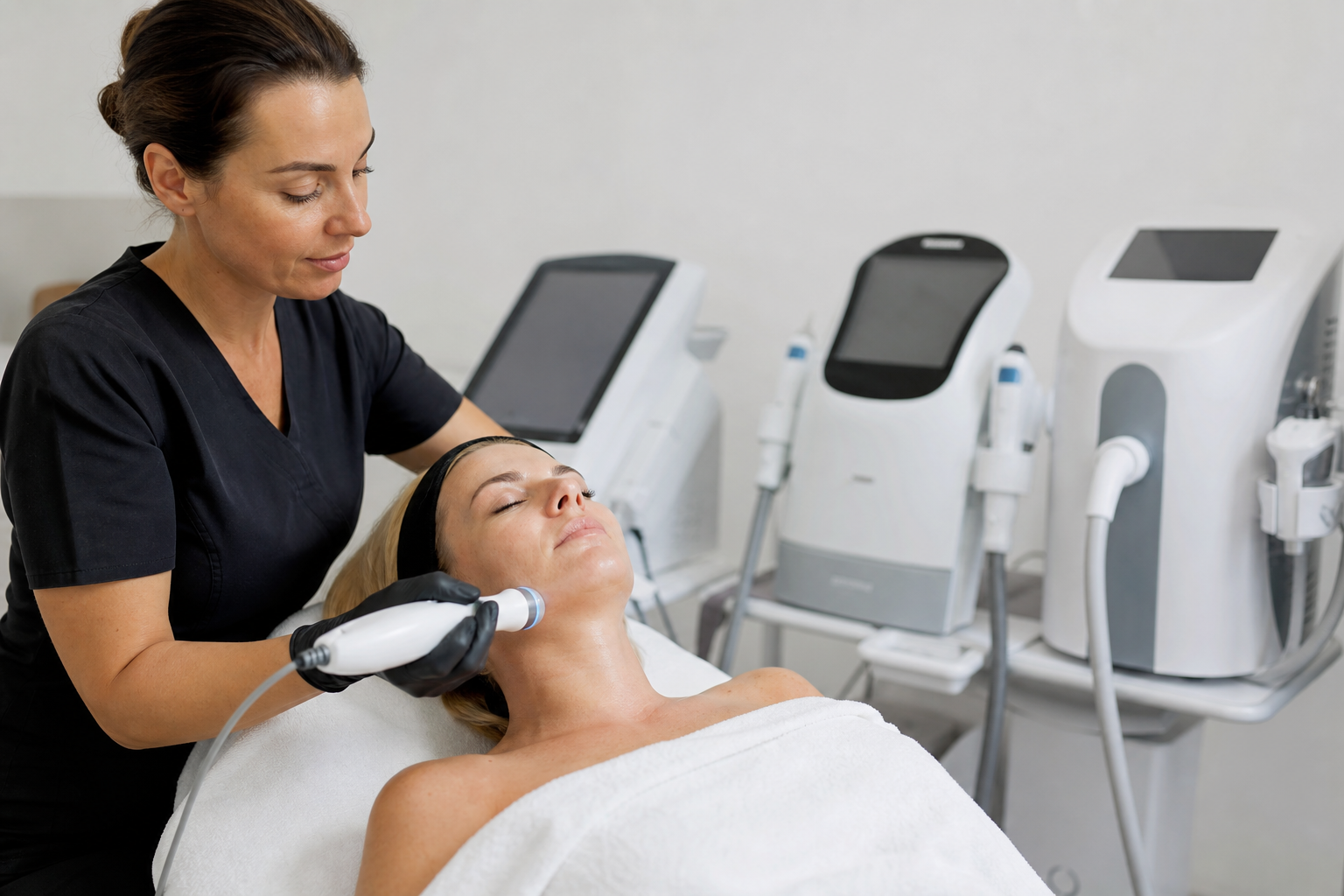
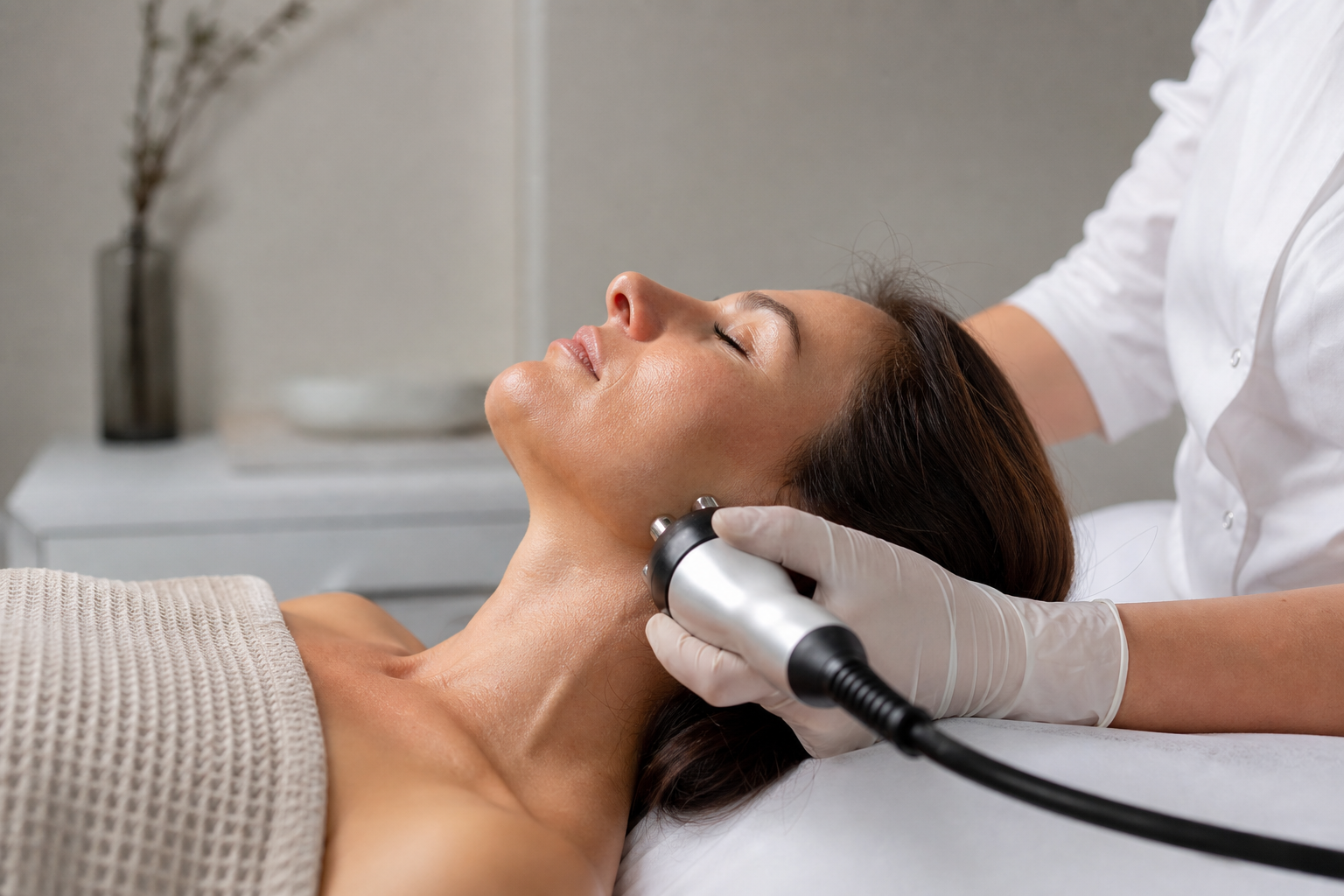
Non-Invasive Monopolar and Bipolar RF: These devices operate externally and are the most commonly used for skin tightening on the face and body. Monopolar RF penetrates deeper layers and can affect larger treatment areas but requires cautious energy dosing to avoid discomfort. Bipolar RF offers more focused, superficial heating suitable for delicate regions like around the eyes. Both types typically have negligible downtime and are preferred for mild to moderate skin laxity.
Fractional RF: This technology uses a grid of electrodes or microneedles to deliver RF energy in a fractionated pattern, creating microthermal zones of controlled injury interspersed with untreated tissue. This approach promotes faster healing and more pronounced collagen remodeling. Fractional RF is particularly effective for texture improvement, pore reduction, and moderate skin tightening.
Microneedling RF: Combining microneedling with RF energy, this minimally invasive technique penetrates the skin with fine needles that simultaneously release RF heat into targeted dermal depths. It is effective for deeper scars, stretch marks, and pronounced laxity, offering enhanced collagen stimulation. The treatment may induce mild discomfort and requires a short recovery period but yields longer-lasting and more marked improvements.
Combination Therapies: Some protocols integrate RF with other modalities like ultrasound, lasers, or PRP (platelet-rich plasma) to augment skin rejuvenation. These synergistic treatments can accelerate collagen remodeling and address multiple skin aging parameters concurrently.
Who Is the Ideal Candidate for RF Skin Tightening?
RF treatments are preferred by individuals seeking non-surgical options for early to moderate skin aging signs without the commitment of invasive procedures. Ideal candidates typically exhibit mild to moderate skin laxity, early wrinkles, and overall good skin health without severe damage.
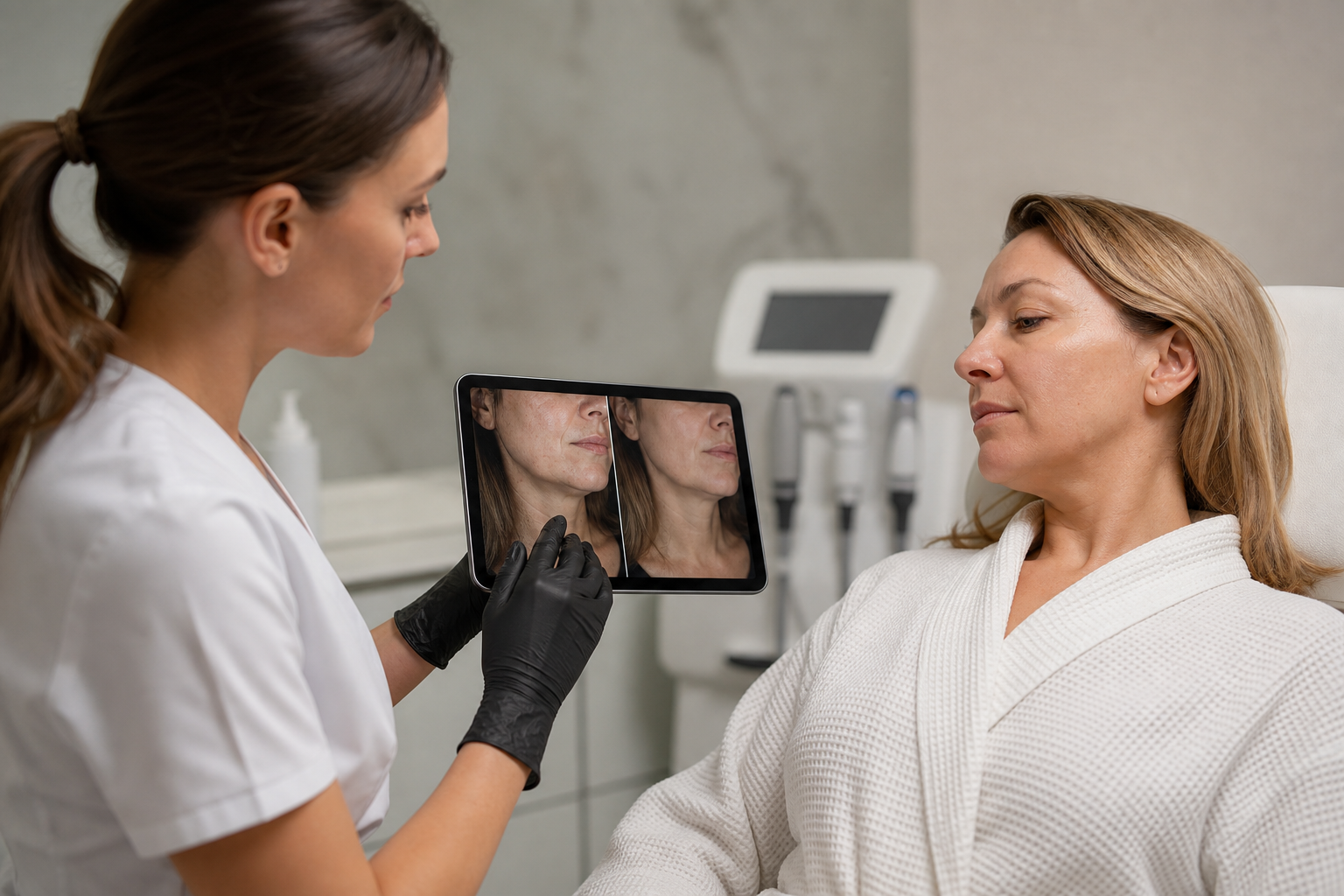
While RF is versatile, it may not be suitable for those with certain medical implants, active infections, or severe skin conditions. A thorough consultation with a qualified practitioner helps determine candidacy, customize treatment plans, and manage expectations effectively.
Men and women of various ethnic backgrounds benefit from RF lifting, particularly those aiming for subtle, natural rejuvenation without dramatic changes associated with surgery. Additionally, patients who prefer treatments with minimal downtime or those unwilling to tolerate anesthesia often select RF procedures.
When Do Results Appear and How Long Do They Last?
Unlike instant changes seen after injectables or surgical lifts, RF lifting results develop gradually. Collagen remodeling is a biological process that unfolds over weeks to months following treatment. Patients commonly notice initial skin tightening within days due to tissue contraction from heat, but deeper volumetric improvements materialize progressively over 2 to 3 months as new collagen forms.
The longevity of RF treatment outcomes depends on the treatment depth, patient's age, skin condition, and ongoing skin care. Typically, results last from 6 months up to 2 years. Maintenance sessions may be recommended annually or semi-annually to sustain and enhance benefits, especially as natural aging continues.
Some RF lifting effects are considered temporary, particularly surface tightening from mild energy settings, while other effects are gradual and more permanent due to true collagen stimulation. This duality underscores the importance of a tailored protocol addressing individual skin needs.
How Does the Body's Individual Response Affect RF Treatment Effectiveness?
Collagen synthesis rates vary among individuals based on genetics, age, and lifestyle factors. Younger or healthier patients may exhibit more robust fibroblast activity and thus thicker, more elastic skin post-treatment. Conversely, older patients or those with compromised skin repair mechanisms might require longer treatment courses or combination therapies to achieve comparable outcomes.
Moreover, the skin’s hydration and metabolic health influence heat conduction and fibroblast activation efficacy. Ensuring adequate hydration and nutritional support before and after treatments enhances cellular responses, optimizing the regenerative cascade triggered by RF energy.
What Are the Limitations and Risks of RF Treatments?
While generally safe and well-tolerated, RF treatments have some limitations. They are not substitutes for surgical procedures in cases of severe skin laxity or significant volume loss. Expectations should be realistic, focusing on skin quality enhancement rather than dramatic lifting.
Potential side effects, though infrequent, include mild erythema, swelling, or transient tenderness. Rare complications such as burns or pigmentation changes can occur with improper technique or unsuitable patient selection. Hence, treatment must be administered by trained professionals following strict safety protocols.
What Should Patients Expect During an RF Treatment Session?
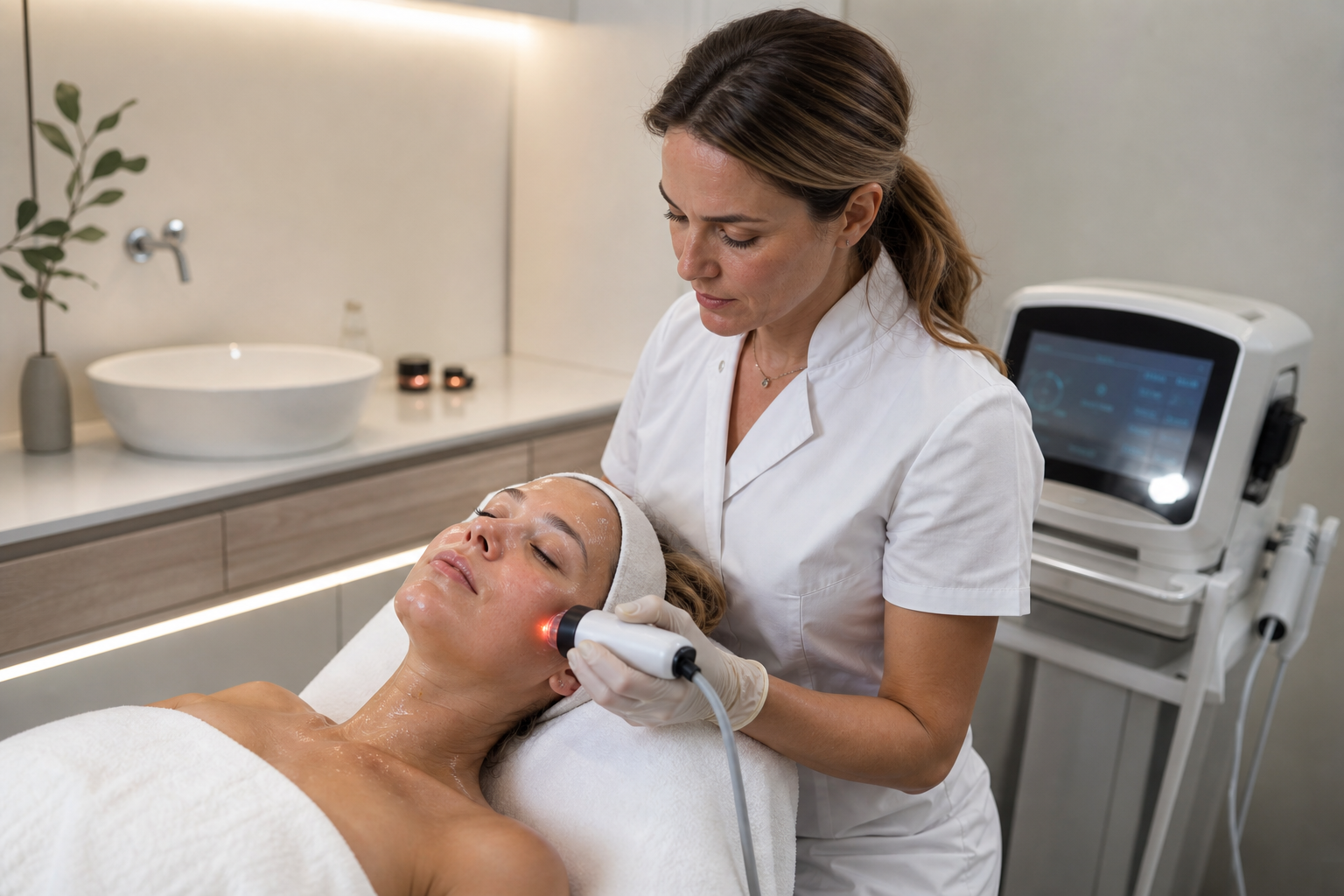
A typical RF session involves cleansing the treatment area followed by the application of the RF device's handpiece to deliver energy in a controlled manner. Patients usually experience a warm sensation, often described as comfortable heat penetrating the skin layers. Session duration varies from 20 to 60 minutes depending on the area treated.
No anesthesia is generally needed, though some minimally invasive RF treatments may employ topical numbing. Post-treatment, mild redness is common and usually subsides within hours. Patients are advised to avoid excessive sun exposure and maintain skin hydration to support healing.