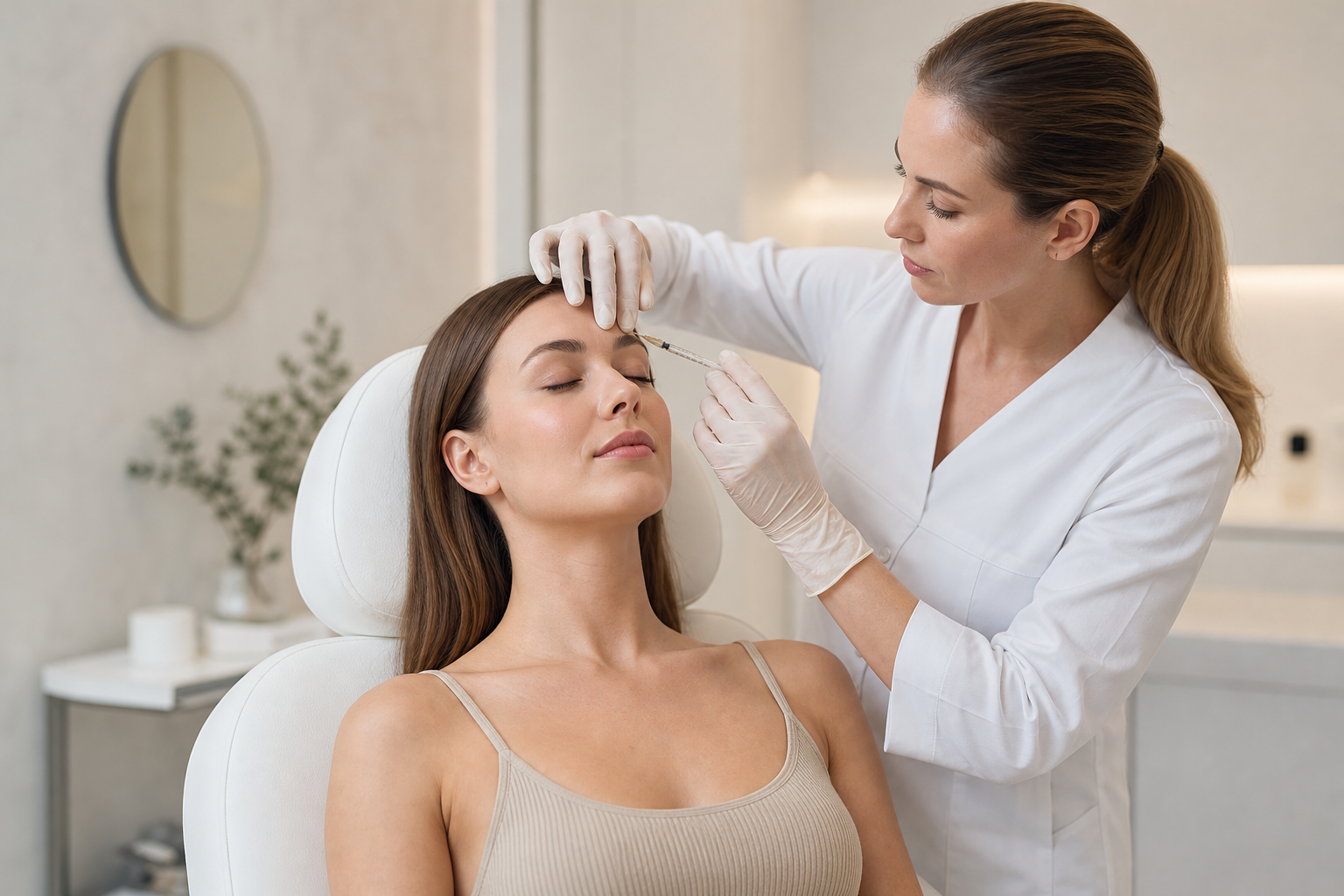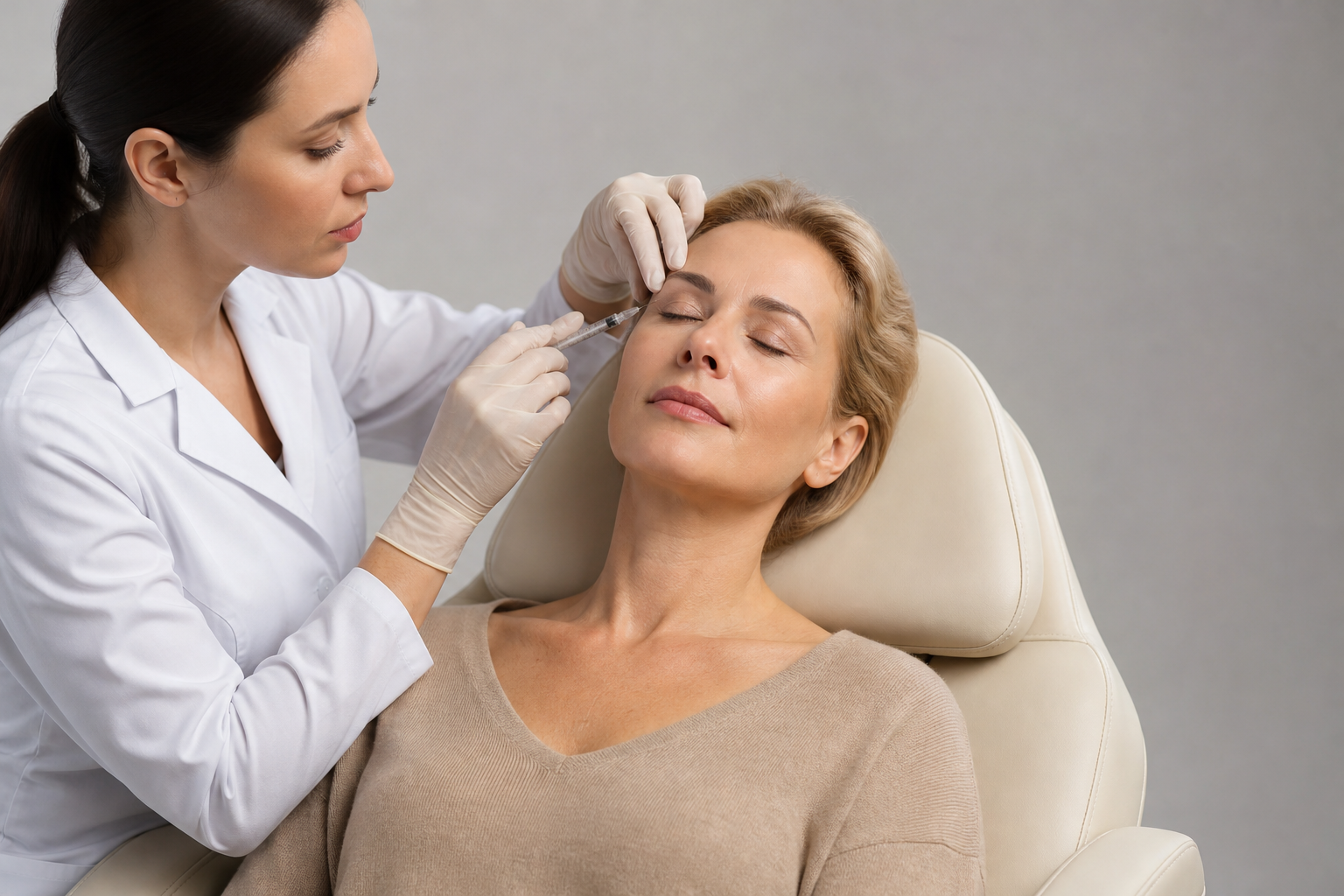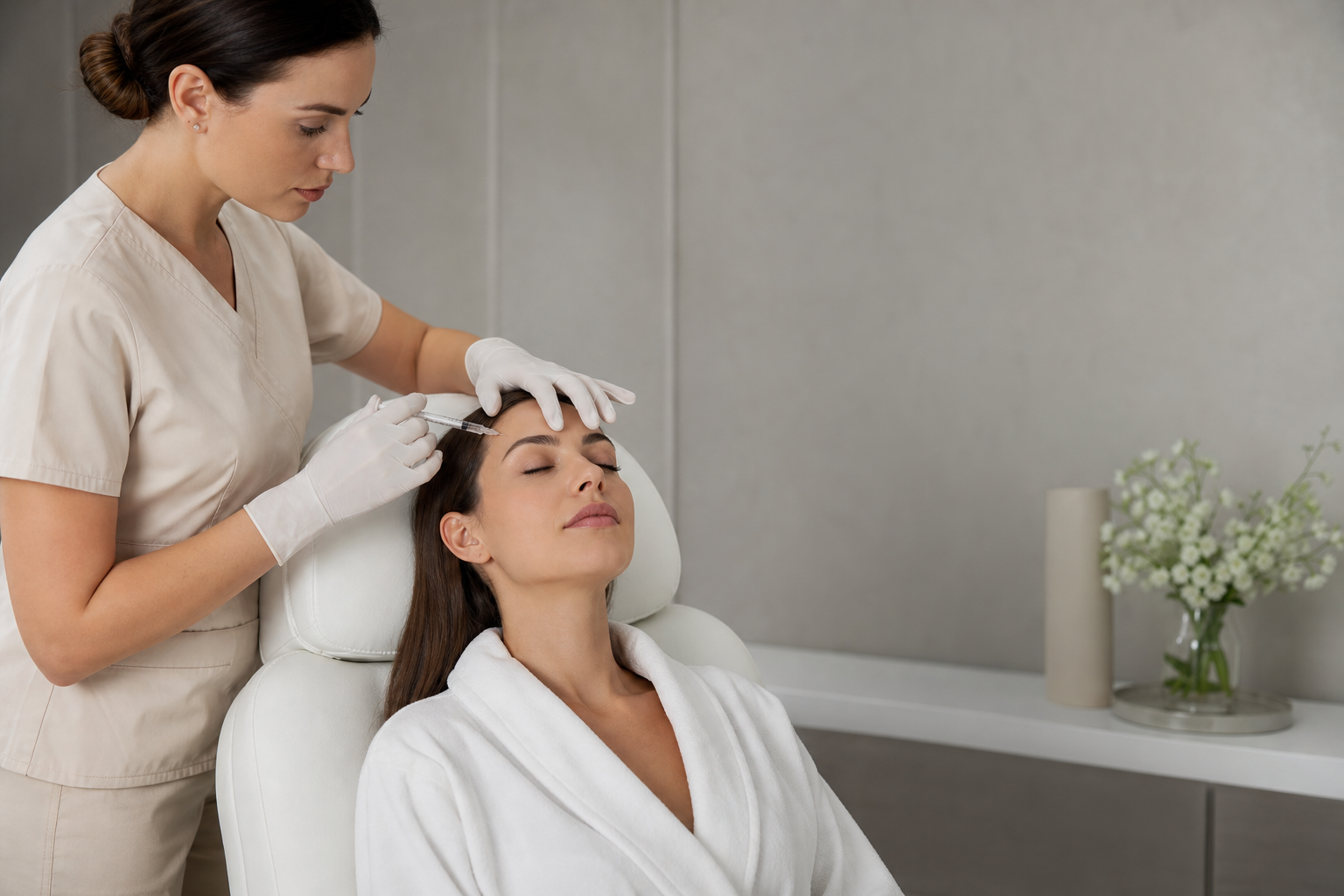
The onset of action and evaluation of results represent pivotal aspects in the field of aesthetic treatments, particularly concerning Botulinum toxin, commonly known as Botox. For individuals considering this widely embraced procedure or those who have recently undergone treatment, understanding when to expect the initial effects and how to assess the final outcomes is essential. This knowledge not only informs patient expectations but also guides healthcare professionals in customizing and optimizing treatment protocols.
Botox has emerged as a cornerstone in aesthetic medicine for its ability to temporarily diminish wrinkles and signs of facial aging. Its mechanism—blocking neuromuscular signals to relax targeted muscles—enables a natural smoothing effect without invasive surgery. Nevertheless, Botox does not deliver immediate results; it follows a biological timeline that varies by treatment area and individual factors. Recognizing these subtleties ensures patients remain informed and confident throughout their aesthetic journey.
The clinical significance of comprehending Botox's action onset and the meticulous process of evaluating treatment efficacy cannot be overstated. An informed perspective fosters realistic expectations, facilitates timely follow-up visits, and allows for the necessary adjustments to achieve optimal and safe outcomes. This article explores these dimensions thoroughly, aiming to equip both patients and clinicians with a clear framework for understanding and monitoring Botox treatments.
Understanding the Time Frame for Botox's Onset in Different Facial Regions
Unlike some dermal fillers or topical treatments that may confer almost immediate visual improvement, Botox exhibits a latent period between injection and observable effect. Patients typically notice subtle changes within 24 to 48 hours; however, the full extent of muscle relaxation and wrinkle reduction commonly unfolds over one to two weeks. This period is essential as the toxin binds to nerve terminals and inhibits acetylcholine release, thereby impairing muscle contraction.
Variation in onset timing is partly owing to the distinct anatomical and functional characteristics across facial regions. For instance, muscular structures of the forehead, with their dense and superficial musculature, may respond somewhat more rapidly to Botox than other areas. Meanwhile, regions such as the periorbital zone, responsible for crow’s feet or “laugh lines,” might display a more gradual progression of effect. This is influenced by muscle fiber composition, thickness of the skin, and even vascular factors that moderate diffusion of the active agent.
Moreover, the intrinsic reactivity of different muscles affects results. Large, sometimes stronger muscles may require more time to become adequately relaxed, and treatment plans consider these nuances by adjusting dosage and injection sites. Consequently, the therapeutic timeline is highly individualized, reflecting both anatomical variability and clinical objectives. This scientific understanding helps prevent premature judgments about treatment success or failure and supports a more nuanced patient-practitioner dialogue.
Systematic Assessment: The Role of Follow-Up in Measuring Treatment Outcomes
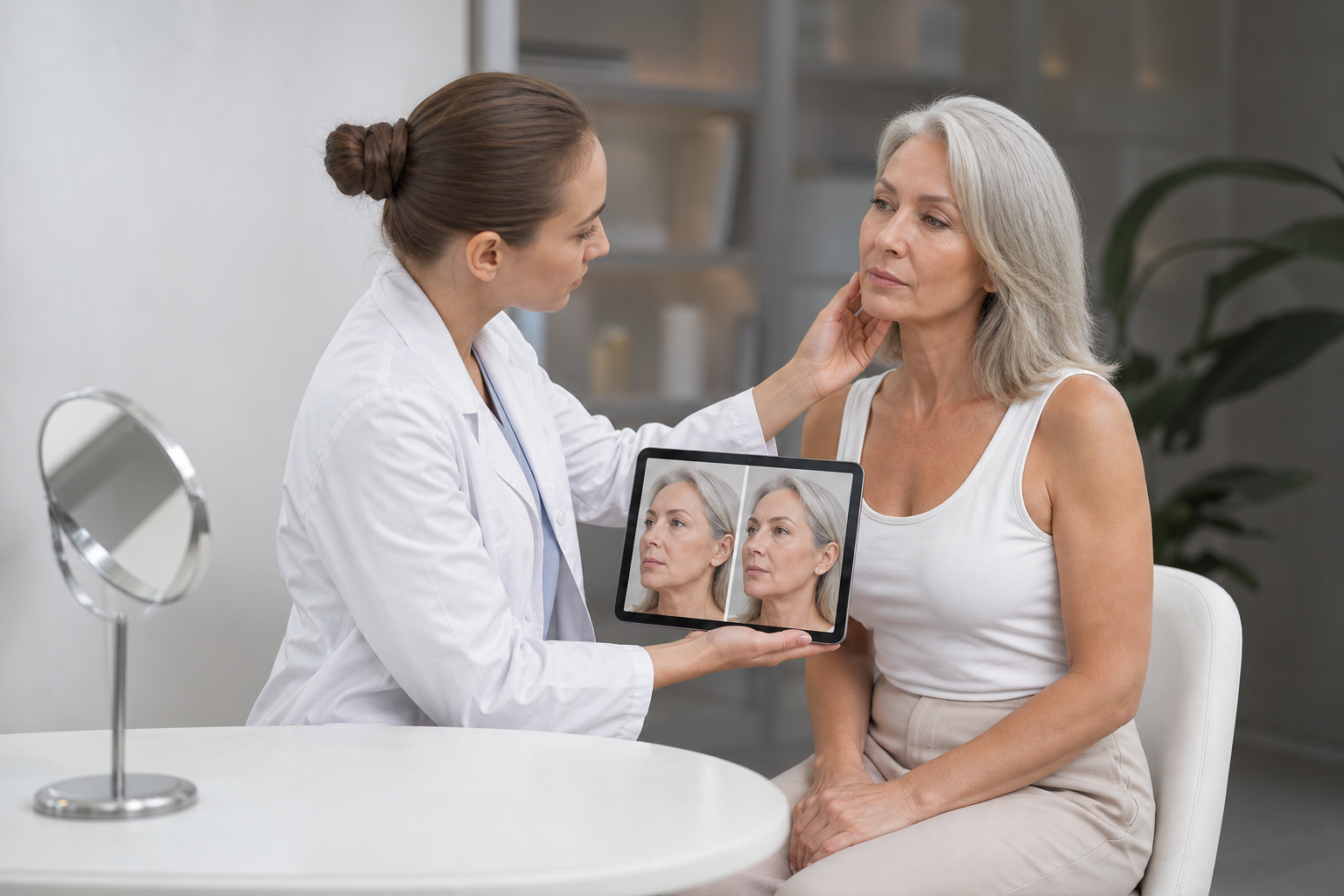
Evaluation after Botox administration is a critical component of effective treatment management. Typically, a follow-up appointment is scheduled approximately 10 to 14 days post-injection, coinciding with the expected peak effect of muscle relaxation. During this visit, the clinician performs a comprehensive examination, observing symmetry, muscle activity reduction, and overall aesthetic improvement relative to baseline.
This assessment extends beyond mere visual inspection; subjective patient feedback concerning changes in appearance and comfort is equally valued. Open communication during follow-ups facilitates shared decision-making and allows for addressing concerns such as uneven effect or perceived overcorrection. Importantly, some degree of regional variation in response may be evident, owing to asymmetrical muscle involvement or differential toxin uptake.
When partial results emerge, supplementary dosing—termed a touch-up or boost—can be administered. This practice is standard and viewed as an enhancement rather than a remedial measure. It ensures refined outcomes and maintains treatment safety by avoiding excessive initial dosing. The timing and pragmatism of this approach underscore how Botox treatment is an evolving, responsive process rather than a one-off event.
Individual Factors Influencing Botox's Performance and Longevity
The variability in Botox’s clinical effect among patients is shaped by multiple individual determinants. Age stands as a prominent factor; younger individuals often exhibit quicker onset and prolonged durability of results due to greater skin elasticity and less pronounced wrinkling. Conversely, advanced skin aging with deeper furrows may necessitate additional sessions or coupling with other aesthetic modalities for comprehensive rejuvenation.
Facial muscle dynamics, including habitual expression patterns and muscle strength, critically influence outcomes. Patients with intense or frequent facial movements might experience shorter-lasting effects, as neuromuscular junctions rebuild more swiftly. Moreover, systemic metabolic rates and enzymatic activities govern how the body metabolizes and clears the toxin, further diversifying response.
Skin condition—including hydration levels, elasticity, and photodamage presence—as well as overall health status also modulate Botox’s performance. For example, compromised skin integrity can alter drug diffusion, and concomitant medications or medical conditions may interfere with toxin action. This intricate interplay reinforces the necessity for a thorough medical evaluation and tailored treatment plans to maximize safety and satisfaction.
Balancing Expectations with Scientific Reality: Recognizing Botox’s Limitations
A crucial aspect of patient education involves setting realistic expectations regarding Botox's capabilities. It is imperative to understand that this treatment does not provide permanent wrinkle eradication or halt all facial aging processes. Rather, its primary contribution lies in attenuating dynamic wrinkles—those caused by muscle movement—and delaying further lines' formation.
Moreover, the cosmetic outcome aims for rejuvenation that preserves natural facial expressions without inducing rigidity or an unnatural appearance. Overenthusiasm or misconceptions regarding immediate, dramatic improvement can lead to disappointment. The perceptible changes require patience as physiological processes take time to manifest visible results.
Premature evaluation risks misguided decisions, such as unnecessary repeat injections or dissatisfaction. Therefore, adherence to recommended post-treatment intervals and acceptance of gradual progress are cornerstones of effective care. In addition, safety considerations preclude the interchangeability of units across different Botox products, emphasizing the importance of brand-specific expertise and patient-specific dosing.
The Critical Importance of Professional Supervision in Botulinum Toxin Treatments
Botox administration is as much an art as a science, demanding rigorous professional expertise. Only qualified clinicians with in-depth knowledge of facial anatomy, pharmacology of neurotoxins, and individual patient characteristics can reliably interpret onset and progression of effects. Such proficiency ensures timely recognition of atypical reactions and supports individualized dose adjustments.
Close monitoring through scheduled follow-ups minimizes risks and mitigates complications such as asymmetry or unintended muscle weakness. Patients benefit from the clinician’s capacity to address concerns and fine-tune treatments to align with evolving goals. Additionally, patient education includes critical instruction to seek urgent medical care if alarming symptoms—such as difficulty breathing or swallowing—occur, although these are rare and medically urgent scenarios.
Professional oversight extends beyond injection to encompass the entire therapeutic continuum, including pre-treatment assessment, procedural execution, and post-treatment evaluation. This holistic approach upholds the highest standards of care and patient safety while optimizing aesthetic outcomes.
Post-Treatment Refinements and the Dynamics of Duration
The transient nature of Botox’s effect necessitates maintenance through repeated sessions typically every three to six months, though this interval can vary. To maximize treatment longevity and enhance aesthetics, practitioners may employ supplementary dosing during follow-ups. Such fine-tuning avoids excessive paralysis and preserves natural facial expressiveness.
Maintaining the treatment effect depends on lifestyle factors including sun exposure, smoking habits, skincare routines, and facial muscle activity levels. Patient adherence to professional advice regarding post-treatment care influences the durability and satisfaction with outcomes. The cyclical administration embodies a collaborative relationship between patient and practitioner to sustain desired rejuvenation.
Understanding that Botox is not a permanent solution but part of an ongoing aesthetic strategy fosters sound decision-making and helps balance expectations with achievable results. This perspective encourages patients to view treatments as personalized, evolving processes rather than one-time fixes.
Innovative Technologies Enhancing the Evaluation of Botox Treatments
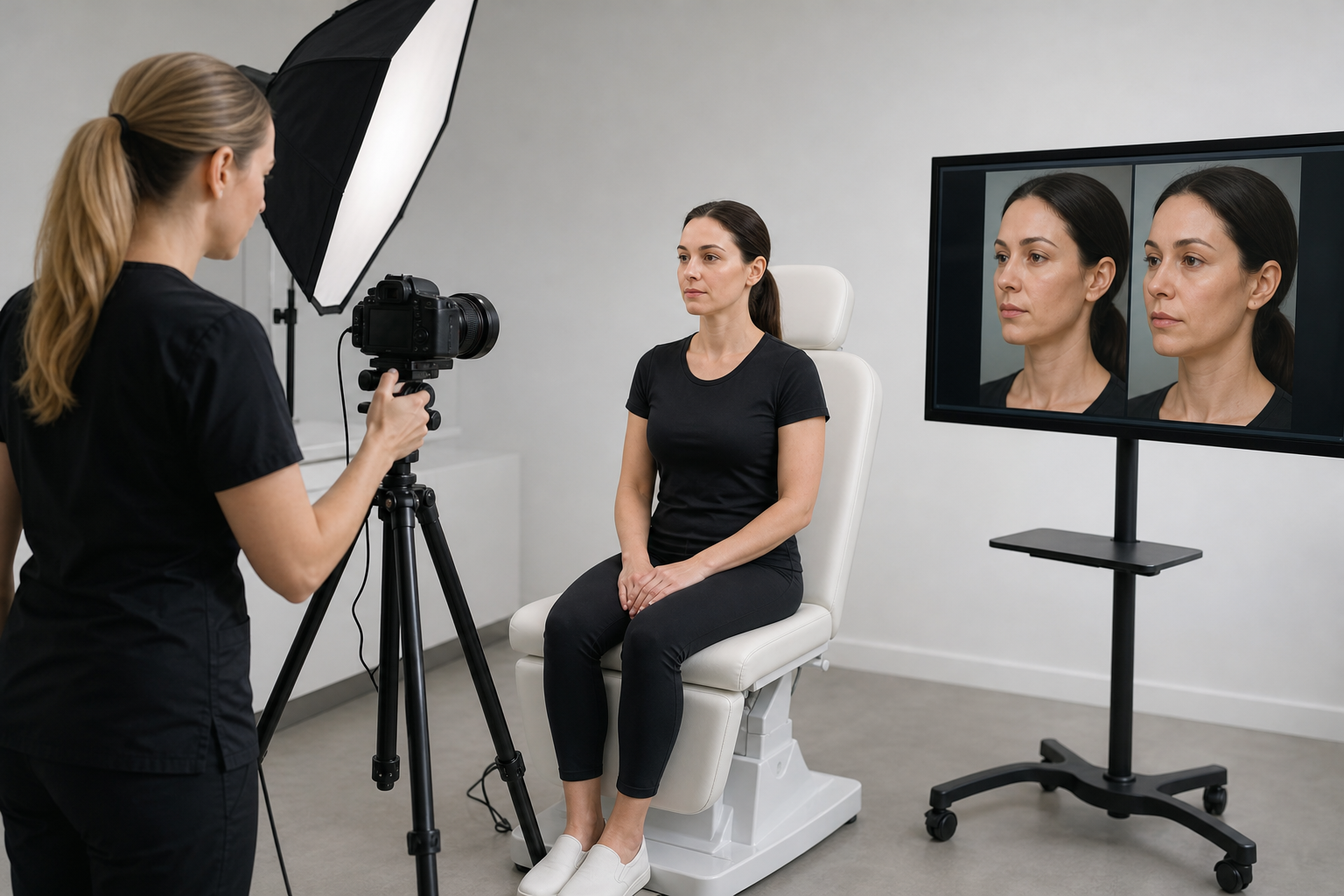
The landscape of aesthetic medicine is witnessing progressive integration of advanced technologies to refine evaluation and management of Botox interventions. Digital facial analysis tools, including three-dimensional imaging and dynamic mimicry assessments, provide objective and precise quantification of muscle activity and wrinkle modulation over time.
Such innovations facilitate personalized treatment planning, enabling clinicians to tailor injection patterns, dosages, and timing with unprecedented accuracy. They also enhance patient engagement by visually communicating progress and setting clear benchmarks. This transparency contributes to enhanced satisfaction and trust in therapeutic processes.
Although technological advancements offer powerful adjuncts, they do not supplant the foundational expertise of the clinician. Rather, they complement clinical judgment, combining empirical measurement with experiential insight to optimize aesthetic outcomes. The future of Botox practice lies in harmonizing these elements within patient-centered care models.