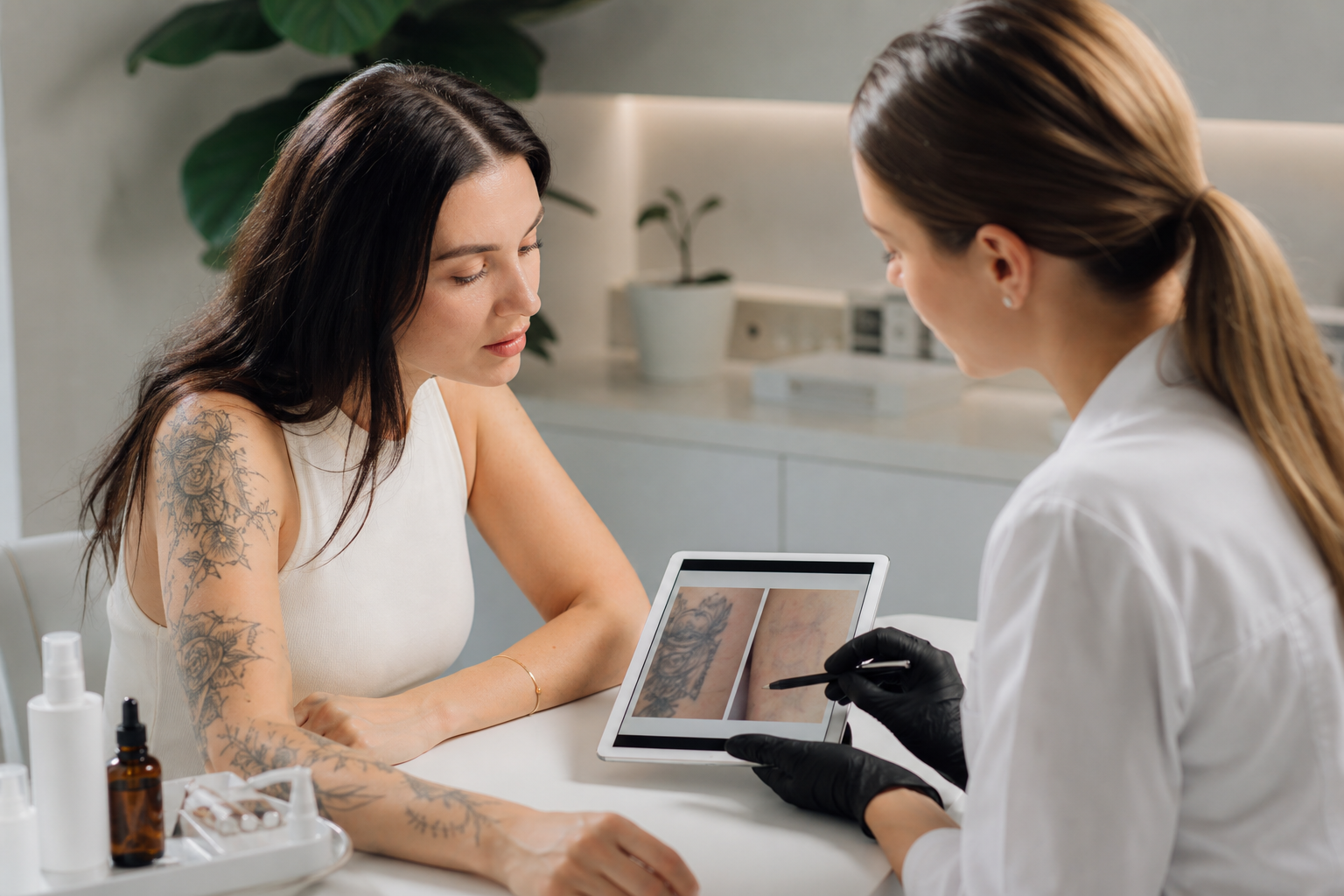
In the realm of advanced aesthetic treatments, clients and practitioners alike often grapple with the question: "When is the next treatment session scheduled?" This query holds special significance in procedures such as permanent makeup application, corrective touch-ups, and laser tattoo removal. Understanding the timing of subsequent treatments is crucial not only for achieving optimal aesthetic results but also for safeguarding skin health and ensuring a smooth recovery. The answer is inherently individualized, shaped by factors ranging from the client's skin condition to the specific treatment protocols employed.
This article aims to provide a comprehensive, medically responsible guide addressing this very question. Whether you are considering permanent makeup to enhance your natural features, undergoing laser procedures to remove an unwanted tattoo, or planning corrective sessions to refine previous treatments, this detailed overview will equip you with insights into scheduling your next session appropriately. Emphasizing the importance of personalized care, test spots, and the risk of pigment color changes, we will navigate the nuanced considerations that inform the timing and safety of follow-up treatments.
Why does when your next treatment session is scheduled matter? Because adherence to individual protocols can mean the difference between a satisfying result and complications such as skin trauma, undesired pigment alteration, or prolonged recovery. Moreover, understanding these factors empowers patients to engage actively with their practitioners, fostering informed decisions and realistic expectations.
What Factors Determine the Timing of Your Next Treatment Session?
Scheduling subsequent treatment sessions is far from arbitrary; it involves a delicate balance of scientific judgment, clinical experience, and patient-specific considerations. Multiple variables influence this decision, including—but not limited to—individual treatment protocols, skin health status, and the type of procedure performed.
Individualized Treatment Protocols: Practitioners typically follow established protocols that define optimal intervals between sessions. These guidelines factor in the nature of the pigment used, the method of application, and the healing kinetics of the skin. For example, some permanent makeup artists recommend a preliminary healing period of 4 to 6 weeks before the first touch-up, while full restoration might take even longer depending on pigment retention.
Patient's Skin Condition and Health: Each person’s skin reacts distinctly to interventions. Sensitive, inflamed, or compromised skin may require extended healing periods. Additionally, clients with systemic conditions or those taking certain medications might experience delayed recovery, necessitating longer intervals between treatments to prevent complications.
Type of Treatment: Different areas of the face and body vary in vascularization, skin thickness, and sensitivity, all of which affect pigment absorption and healing. Permanent makeup applied to the eyebrows demands different follow-up timing compared to that on lips or eyeliner areas. Similarly, laser tattoo removal sessions are spaced based on pigment depth, skin response, and laser type.
Why Is It Crucial to Adhere to Recommended Intervals Between Sessions?
Compliance with the suggested timeframes between treatment sessions is essential to optimize both the aesthetic outcome and skin safety. Premature treatments can exacerbate skin irritation, impede healing, and increase the risk of scarring or infection. Conversely, excessively delayed sessions might result in pigment fading, uneven retention, or diminished precision in corrections.
Additionally, inappropriate timing can precipitate pigment color changes. In permanent makeup, pigment oxidation or interaction with skin biochemistry can cause undesirable hues such as greenish undertones in eyebrow pigments if retouching occurs too early or on unhealed skin. Such alterations often necessitate more complex corrective procedures.
Therefore, maintaining recommended intervals helps in maintaining pigment integrity, reduces adverse reactions, and facilitates a controlled, aesthetically pleasing final result.
How Is Skin Readiness Assessed Before the Next Treatment Session?
Prior to scheduling a subsequent procedure, a meticulous evaluation of the skin’s healing status is mandatory. This evaluation often includes:
Test Spots: Before retreating a full area, practitioners may apply pigment or laser on a small test zone to monitor skin response. This controlled approach detects potential allergic reactions, irritation, or abnormal pigment behavior before committing to comprehensive treatment.
Visual and Tactile Examination: Assessing the skin for redness, swelling, scabbing, or signs of infection provides insights into the healing process. The skin should generally appear stable, with restored elasticity and no active inflammation.
Review of Patient History: Understanding any changes in health status, medication use, or skin routine since the last session allows for risk reassessment.
These assessments collectively inform the practitioner’s recommendation on whether the skin is ready or if additional healing time is warranted, underscoring the personalized nature of treatment scheduling.
What Risks Arise from Deviating from Individualized Protocols and Medical Advice?
Disregard for expert guidance regarding treatment intervals can lead to a spectrum of complications. Chief among these are pigment color distortion, chronic skin irritation, scarring, and increased susceptibility to infections.
Premature retreatment may cause pigments to migrate or fade unpredictably, leading to undesired color outcomes difficult to correct. Furthermore, traumatizing already sensitive or damaged skin can impede the natural healing process, increasing downtime and discomfort.
In laser tattoo removal specifically, too frequent sessions may overwhelm the skin’s regenerative capacity, resulting in prolonged redness, blistering, or even hypo- or hyperpigmentation. Hence, adhering to personalized, medically supervised timelines is vital for the success and safety of these procedures.
When Should You Schedule the Next Laser Tattoo Removal Session?
Laser tattoo removal procedures have their own distinctive scheduling protocols that rely heavily on the skin’s ability to clear fragmented ink particles after each session. Generally, sessions are spaced at intervals of approximately 6 to 8 weeks.
This spacing permits the immune system to absorb and eliminate fragmented pigments effectively while allowing the skin to recuperate fully. Several factors influence the precise timing, including the depth and color of the tattoo ink, the laser type and energy used, the client’s metabolism, and any observed skin reactions such as redness, swelling, or crust formation.
Premature treatment risks incomplete pigment removal and possible skin damage, while protracted intervals may extend total treatment duration unnecessarily.
How Is the Consultation Process Structured Prior to Planning Your Next Session?
The consultation is fundamental in aligning treatment goals with medical realities. During this meeting, practitioners conduct a thorough review of the:current condition of the treated area, noting pigment retention, skin texture, and any signs of adverse reactions.
Clients are encouraged to disclose their full health history, medication use, and lifestyle factors that may impact treatment outcomes.
The practitioner will outline expected healing timelines, care instructions, and tentative scheduling, ensuring the client understands the rationale behind interval choices.
This dialogic approach fosters patient engagement, addresses concerns, and enhances treatment satisfaction, underpinning safe and effective outcomes.
What Are Essential Skin Care Recommendations Between Treatment Sessions?
Caring for the skin between treatments is pivotal in preserving pigment integrity and minimizing adverse effects. Key recommendations include:
Sun Protection: Ultraviolet exposure can degrade pigments and damage healing skin. Application of broad-spectrum sunscreen with high SPF is advised consistently.
Hydration: Maintaining skin moisture supports barrier function and healing processes.
Avoidance of Irritants: Harsh exfoliants, chemical peels, or abrasive scrubs should be avoided to prevent irritation or pigment disturbance.
Regular Monitoring: Noticing and reporting any unusual changes such as increased swelling, discoloration, or pain allows for timely medical intervention.
What Should You Expect After Your Next Treatment Session and How to Monitor Healing?
Post-treatment, mild redness, swelling, and tenderness are common and usually transient. These responses reflect the skin’s natural reaction to intervention and herald the healing phase.
Clients should refrain from scratching or manipulating treated areas to prevent pigment displacement or infection. Using recommended soothing agents and following care instructions supports recovery.
It is also essential to observe for signs of complications—prolonged redness, blistering, increasing pain, or unexpected pigment changes—and communicate promptly with the practitioner.


