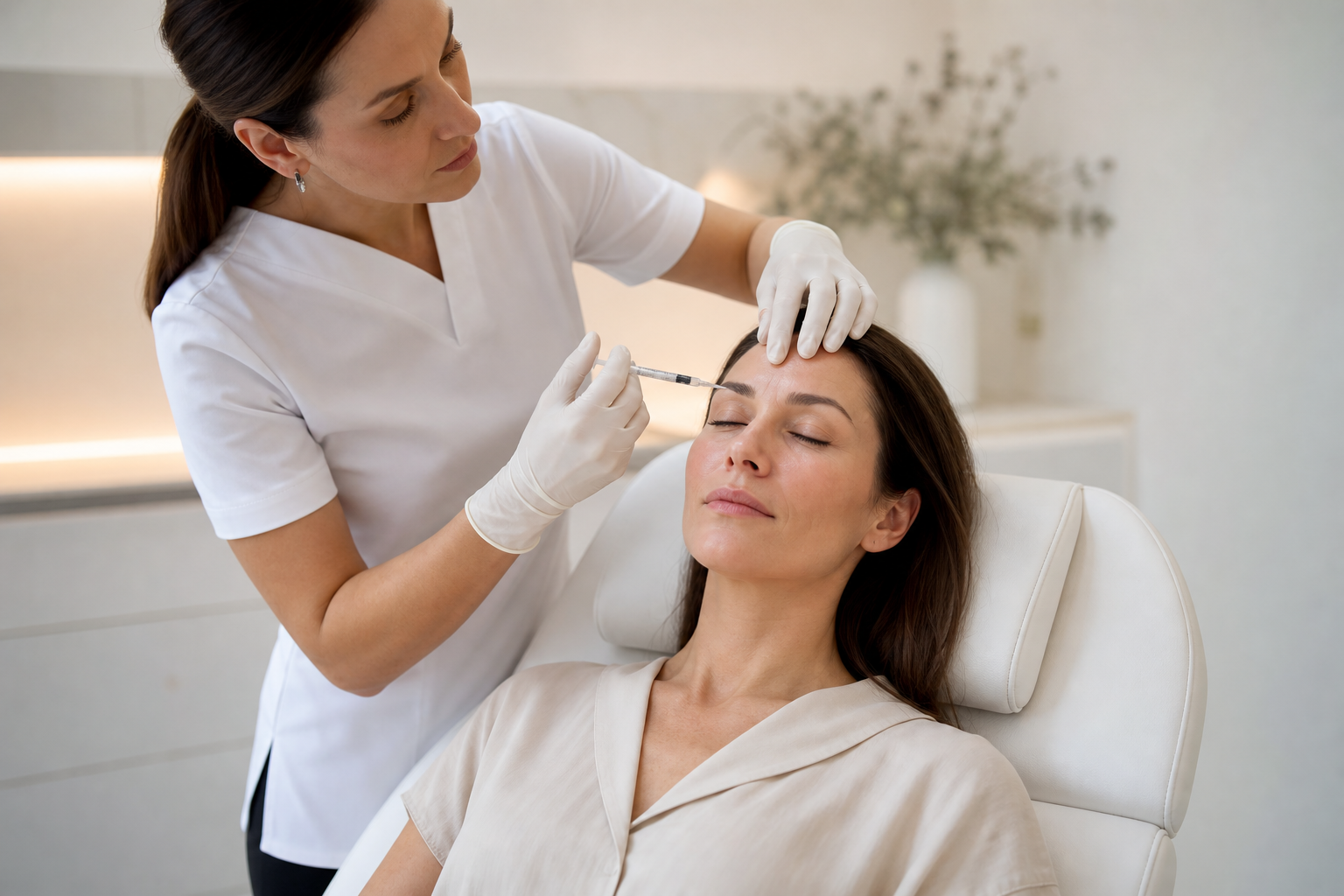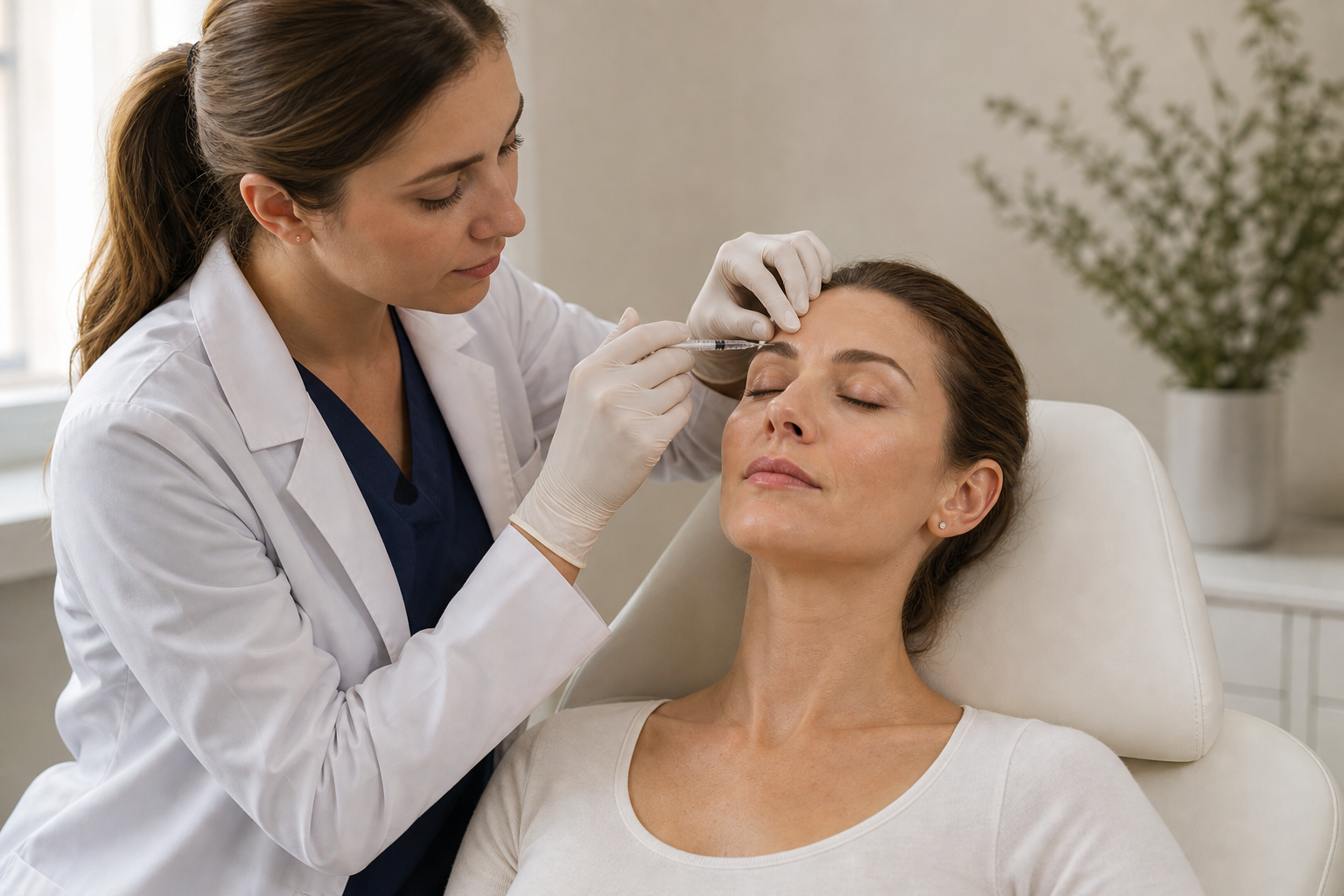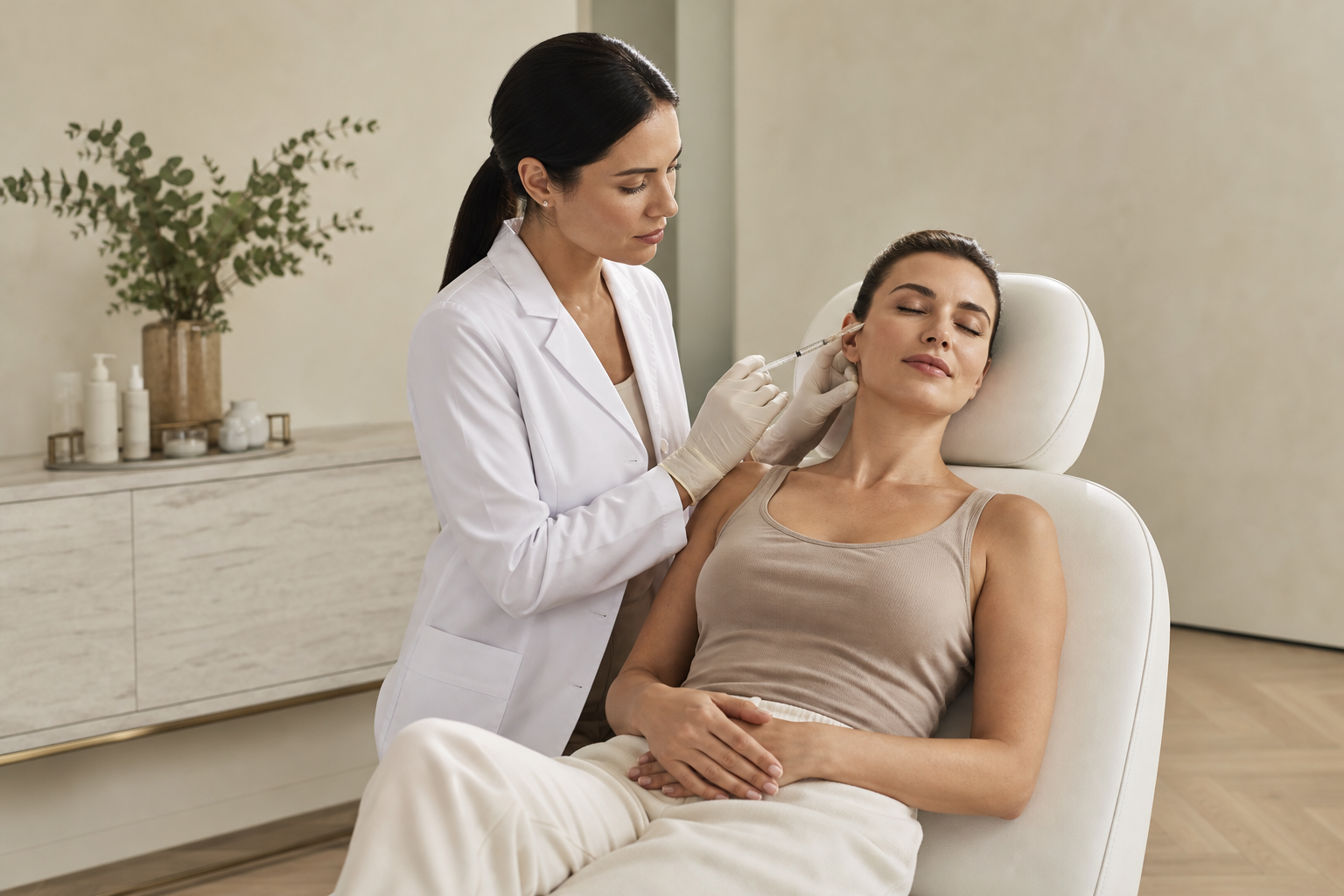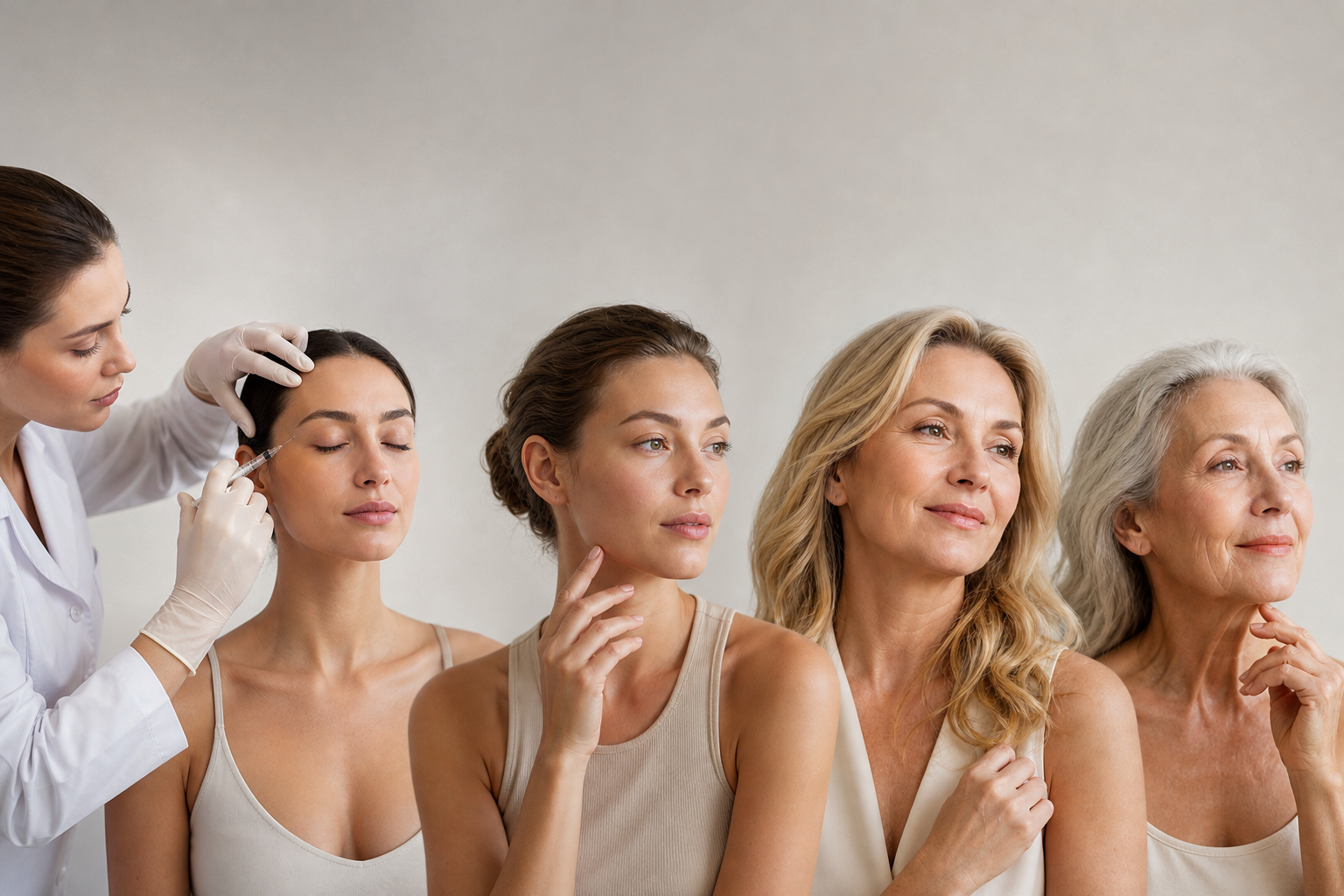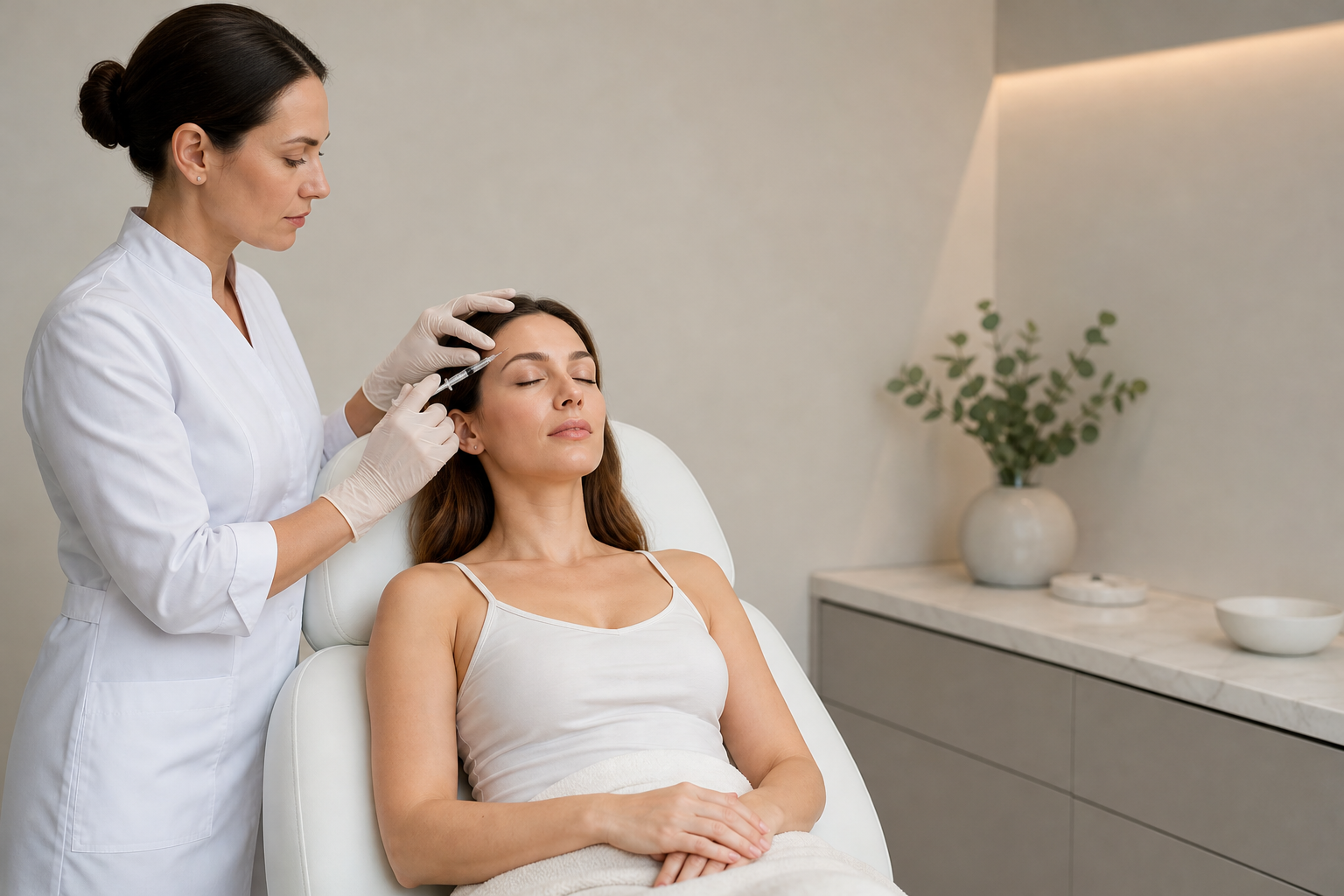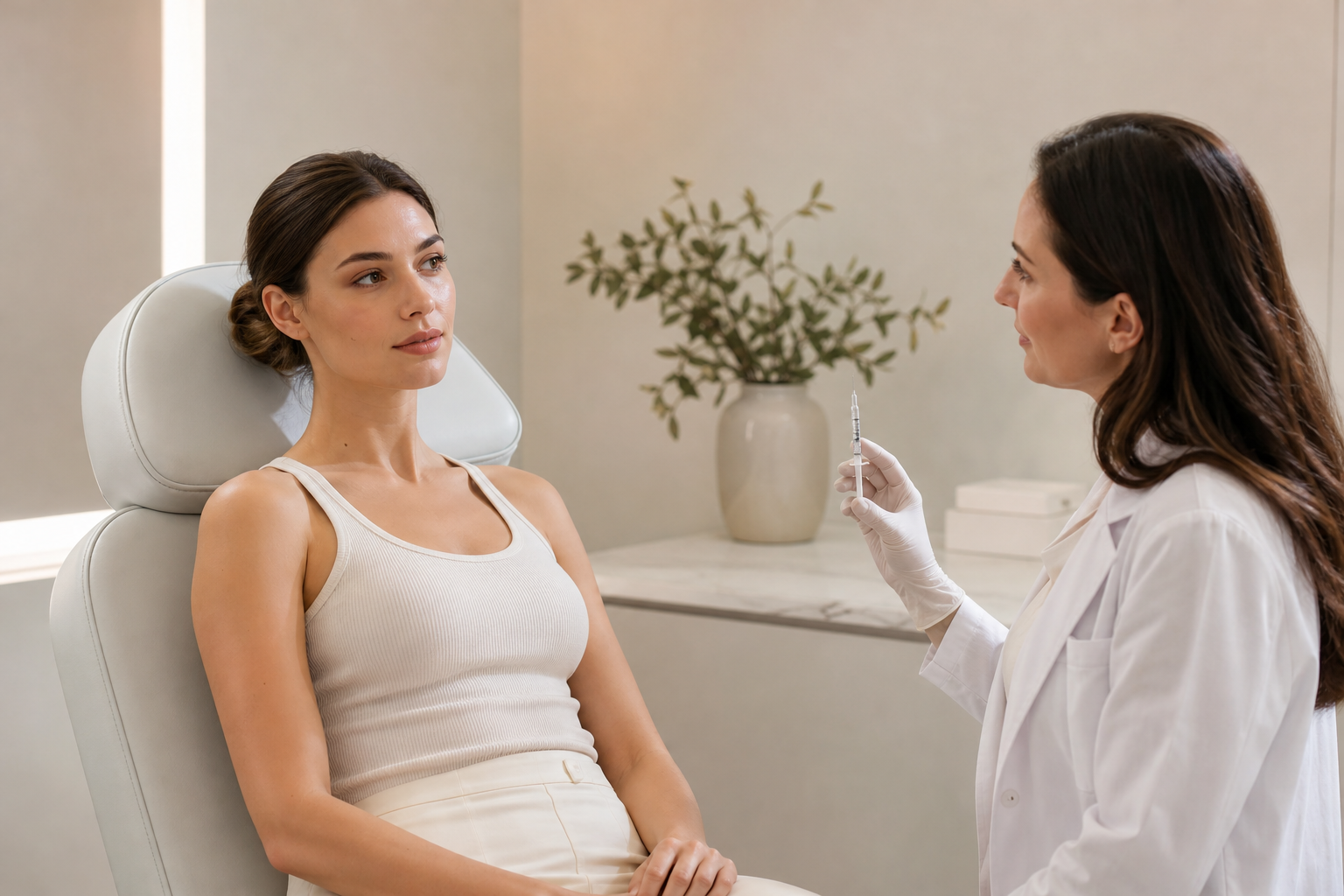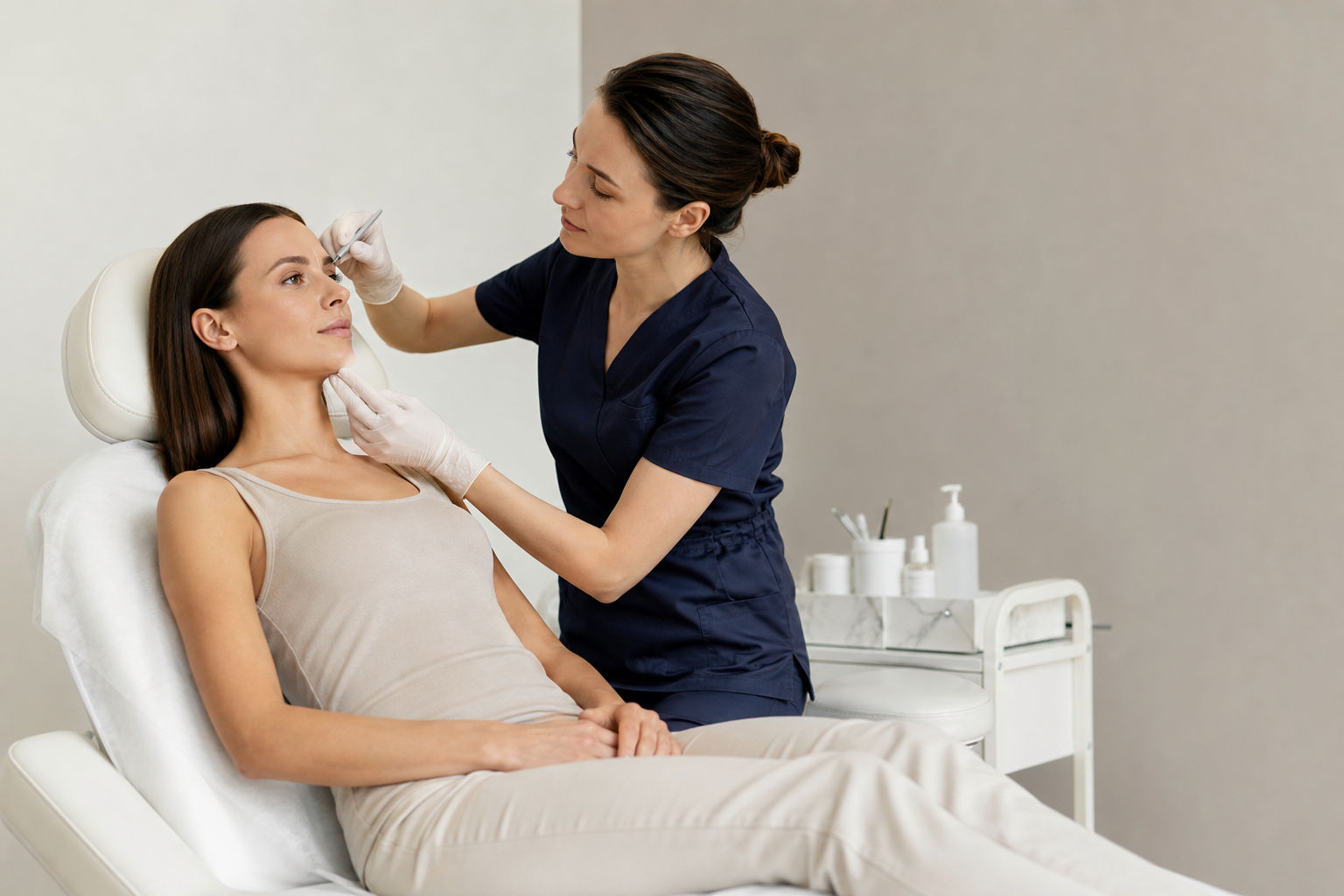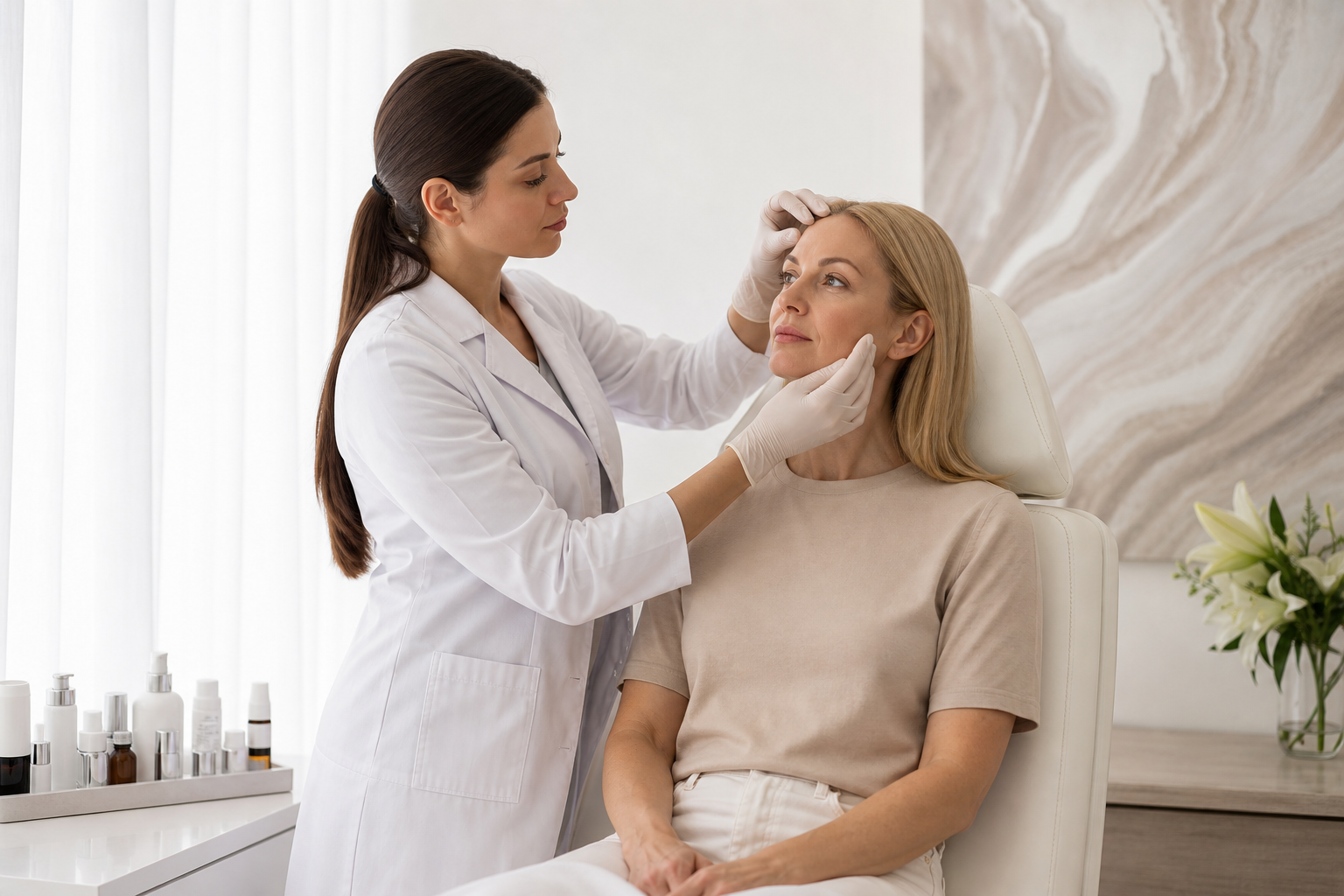
Botox has become a household name in the world of aesthetics and medical treatments, renowned for its remarkable ability to soften wrinkles and slow the visible signs of facial aging. At its core, Botox is a highly purified form of botulinum toxin, a natural neurotoxin used under strict medical supervision to temporarily relax targeted muscles. This relaxation translates into smoother skin in areas prone to dynamic wrinkles—those caused by repeated facial expressions such as frowning, laughing, or raising eyebrows. Whether someone is seeking subtle rejuvenation or a preventive approach to aging, Botox offers a minimally invasive option without the need for surgical intervention and with relatively quick onset results.
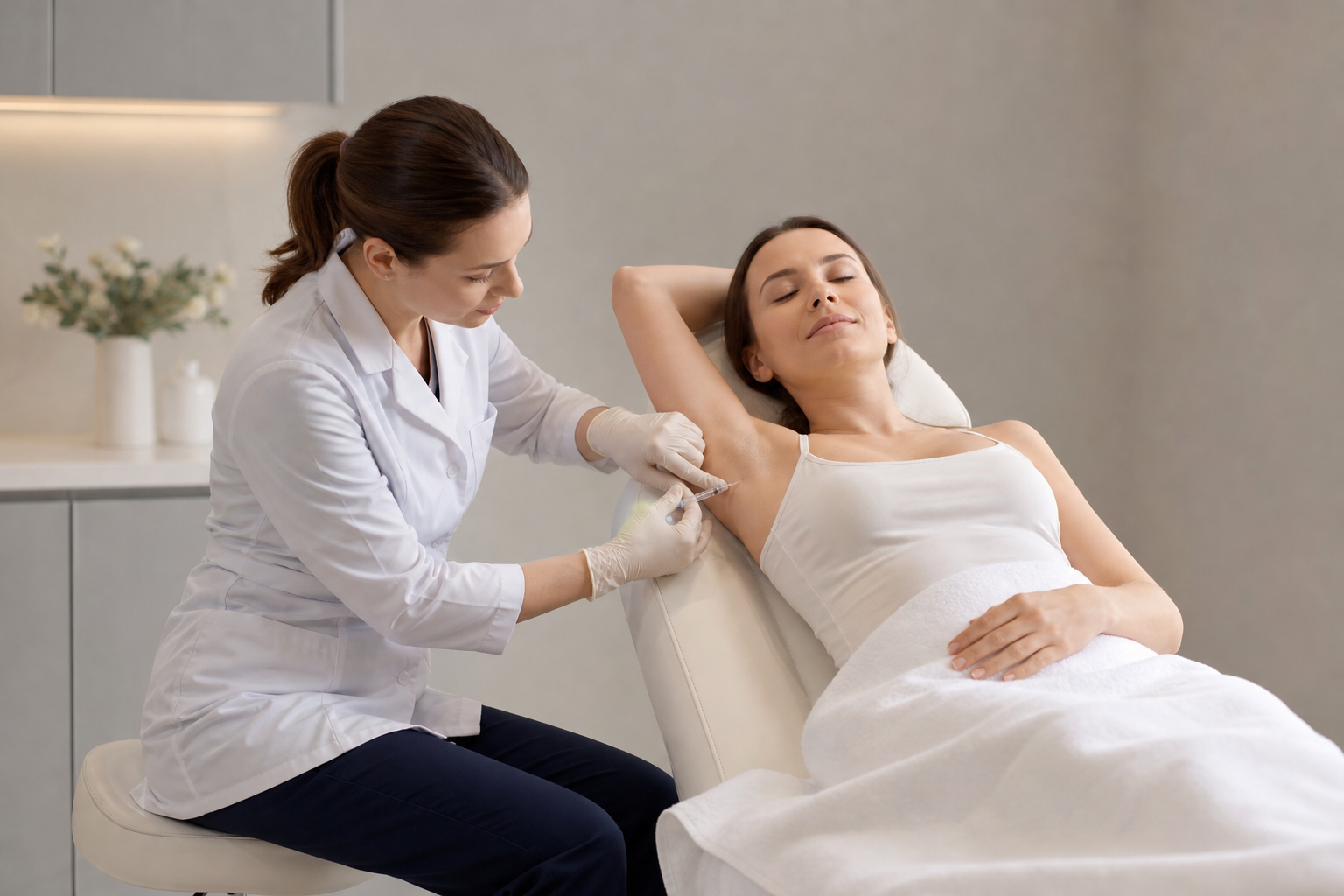
Beyond its cosmetic applications, Botox has earned recognition for treating various medical conditions, including chronic migraines and hyperhidrosis (excessive sweating). However, its role in aesthetic medicine remains a dominant force, helping individuals enhance their confidence and improve quality of life by maintaining a refreshed and youthful appearance. This article serves as a comprehensive guide to understanding Botox’s mechanism of action, suitable candidates, procedure details, expected outcomes, pricing factors, and safety considerations — empowering readers to make well-informed decisions grounded in expert insights and realistic expectations.
The Science Behind Botox: Mechanism of Action in Aesthetic Medicine
Botulinum toxin, the active ingredient in Botox, is produced by the bacterium Clostridium botulinum. When purified and administered in controlled doses, it acts to inhibit the release of acetylcholine at neuromuscular junctions. This prevents nerve impulses from triggering muscle contractions in treated areas. In aesthetic applications, the temporary paralysis of specific facial muscles reduces the skin’s folding and creasing that form dynamic wrinkles.
This process typically begins to take visible effect within three to ten days after injection and generally lasts between three to six months, depending on factors such as the specific product used, treatment area, and individual patient physiology. By carefully selecting injection sites and dosing, practitioners aim to smooth wrinkles while preserving natural facial expressions, avoiding a frozen or unnatural look.
It is important to understand that Botox’s wrinkle-reducing action differs fundamentally from dermal fillers. While Botox relaxes muscles to prevent wrinkle formation from movement, dermal fillers restore lost volume and contour by physically filling in static wrinkles—those present even at rest. Consequently, these treatments often complement each other but are not interchangeable. Units of botulinum toxin products also vary and are not directly comparable, underscoring the necessity for administration by trained medical professionals experienced in facial anatomy.
Target Areas and Typical Applications for Facial Rejuvenation
In the realm of cosmetic enhancement, Botox is most widely used to treat dynamic lines on the upper face. One of the primary zones is the forehead, where horizontal creases develop due to repeated eyebrow elevation. Another common target area lies between the eyebrows, addressing the vertical glabellar lines often called frown lines or “11’s.” These lines can give the face a stern or worried expression.
The periorbital region also frequently benefits from Botox treatment. Crow’s feet—the fine lines radiating outward from the corners of the eyes—form naturally from smiling and other expressions. Botox can significantly soften these wrinkles while maintaining eye expressiveness.
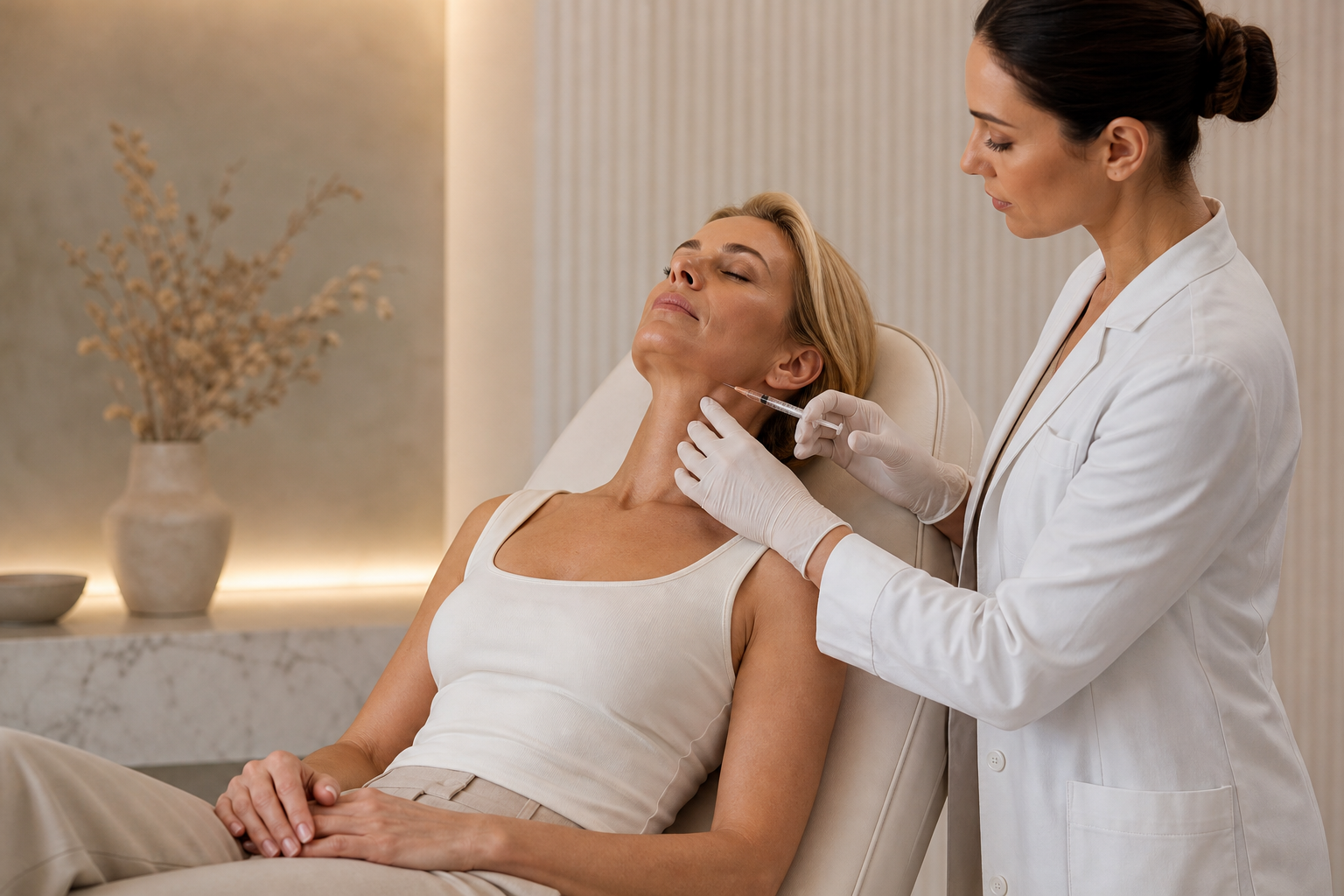
Less frequently, Botox may be applied to areas such as the nose to diminish “bunny lines,” around the mouth to ease smoker’s lines or lip lines, and even the jawline or neck to relax prominent muscle bands and improve skin appearance. These sites require meticulous dosing and patient selection due to the complexity and functional importance of muscles involved.
Identifying Good Candidates and Preparing for the First Botox Experience
Ideal candidates for Botox are individuals starting to notice mild to moderate dynamic wrinkles that affect their desired facial aesthetics. These candidates seek a natural look, wishing to prevent the deepening of wrinkles without undergoing surgical procedures. Those interested in proactive collagen preservation or smoothing expression lines before they become prominent also fit well.
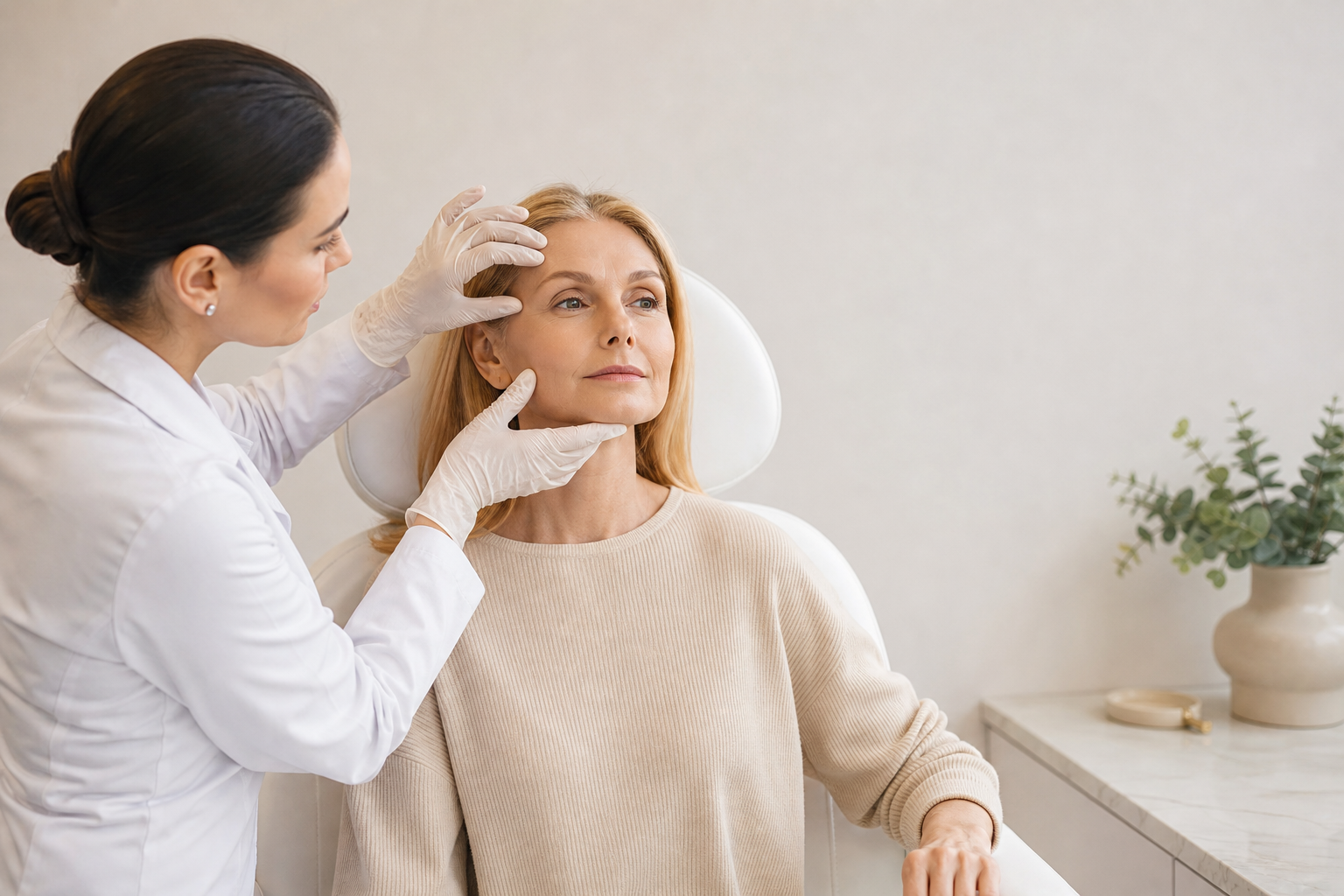
Prior to treatment, an in-person consultation with a qualified physician is essential. The doctor will evaluate the patient’s skin condition, muscle function, medical history, and goals. Certain populations, such as pregnant or nursing women and those with neuromuscular disorders, are generally advised against Botox due to safety concerns.
Preparation guidelines often involve avoiding medications and supplements that affect blood clotting—like aspirin, ibuprofen, vitamin E, or fish oil—a few days before the procedure to minimize bruising risk. On the treatment day, patients arrive without makeup to facilitate proper assessment and sterile technique. Clear communication about expectations helps align treatment outcomes with patient goals.
What Happens During the Botox Procedure and What Results Should Be Anticipated
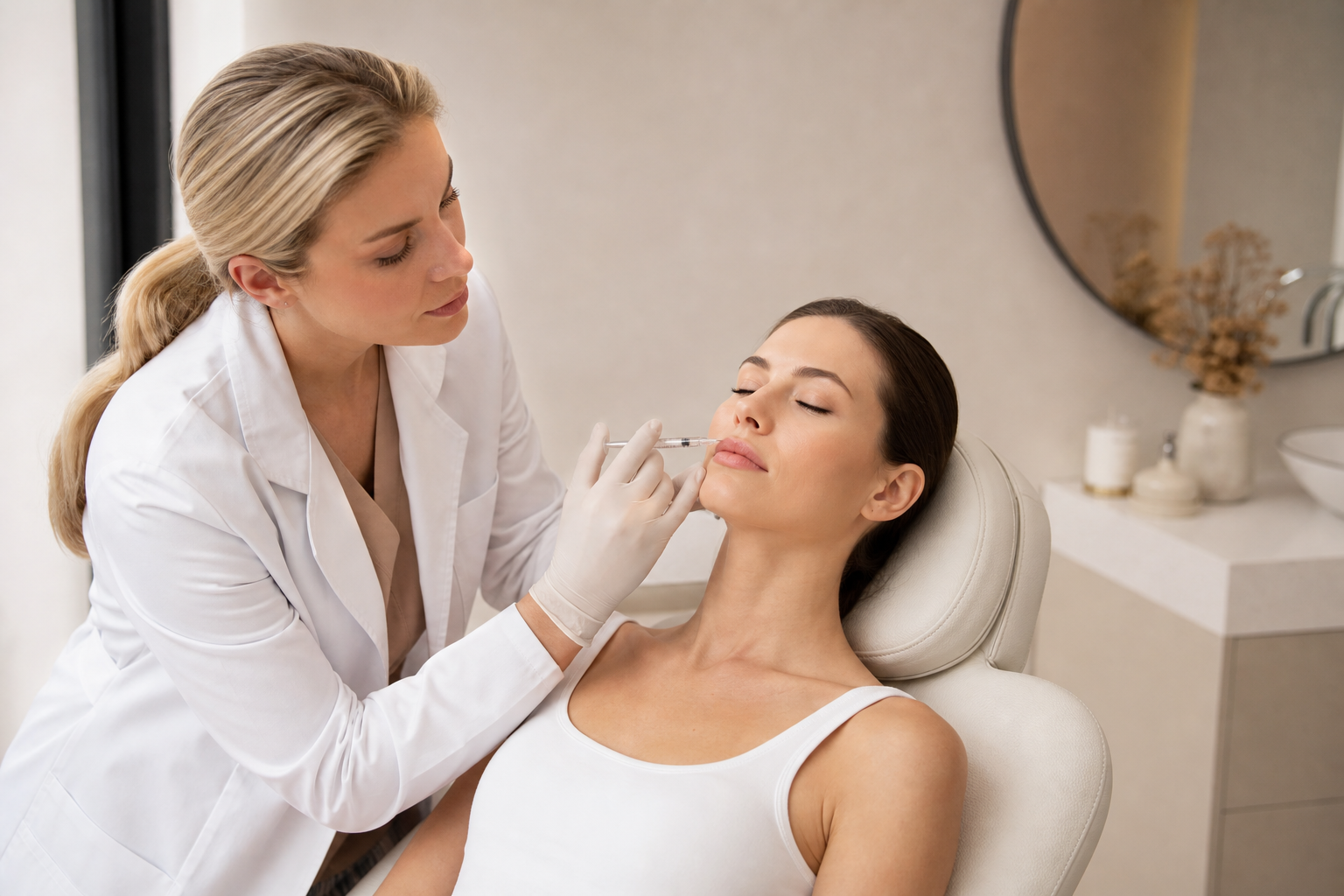
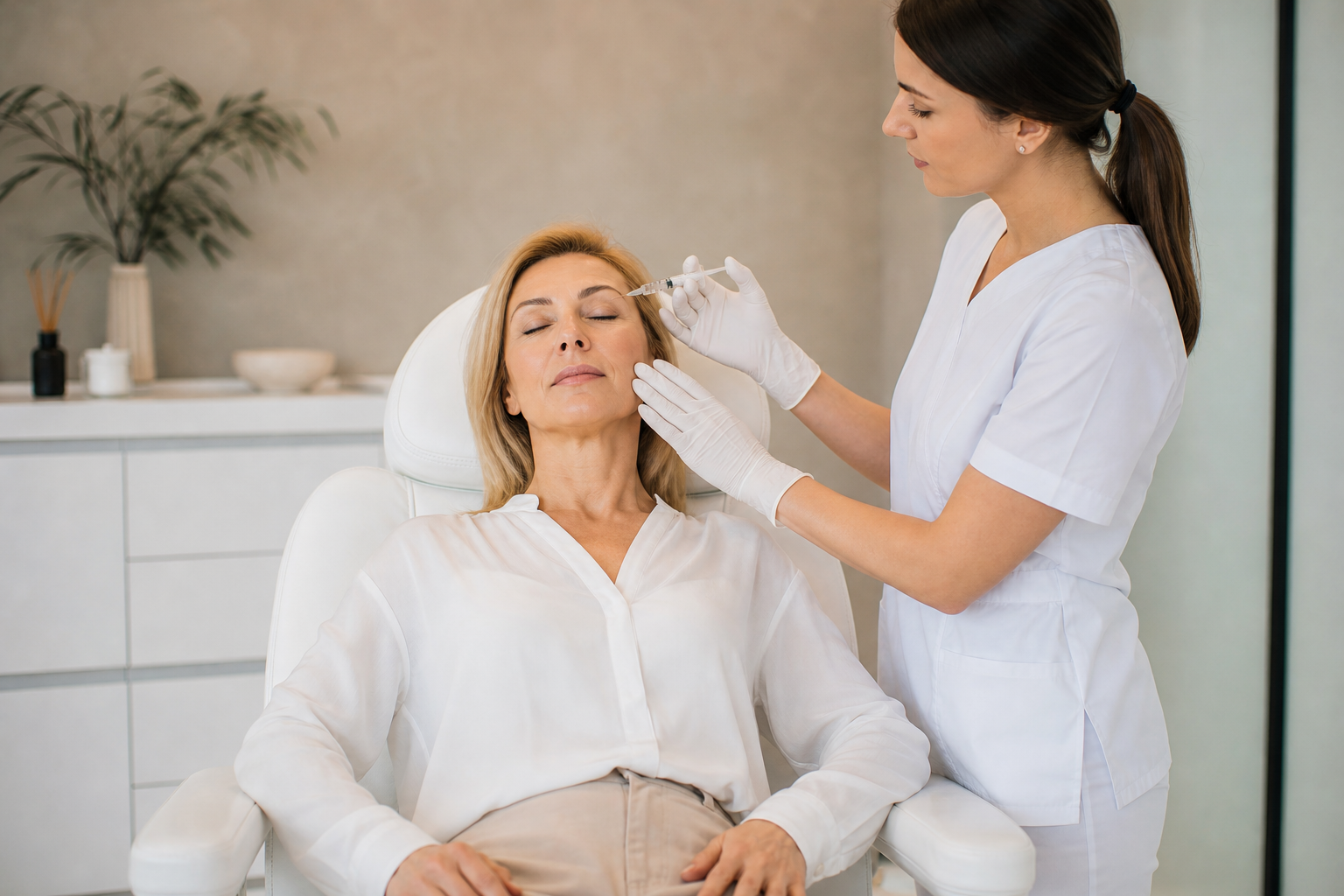
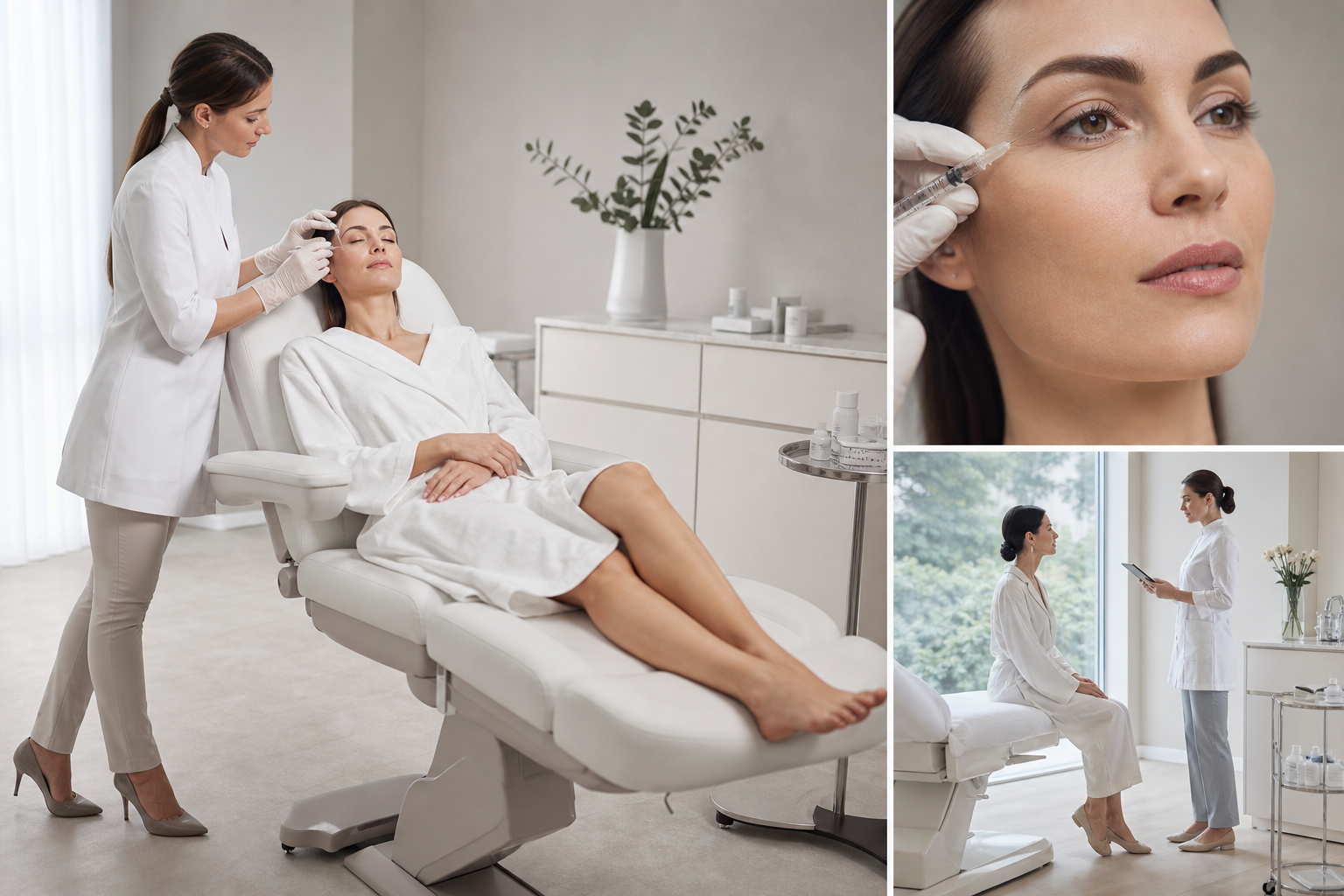
The Botox administration process is straightforward and brief, lasting approximately 10 to 30 minutes, contingent on treatment area size and number of injection sites. Using ultrafine needles, the clinician injects precise amounts of botulinum toxin into predetermined muscle groups. Most patients describe the sensation as mild discomfort rather than pain.
Visible changes emerge gradually. Initial softening of wrinkle appearance may be noticeable within three to four days, with maximal effect typically realized by day ten post-treatment. Skin appears smoother, and dynamic lines are less pronounced, revitalizing the facial expression.
Importantly, Botox does not erase static wrinkles caused by loss of skin elasticity or volume, and it cannot replace surgical tightening or volumizing interventions. Users should maintain realistic expectations, understanding that the effect is temporary and repeat treatments will be necessary to sustain benefits.
Post-treatment care emphasizes avoiding rubbing or massaging the treated regions for at least 24 hours to prevent diffusion of toxin into unintended areas. Patients are also advised to refrain from vigorous exercise and exposure to excessive heat or pressure, such as saunas or facial massages, for short periods. Remaining upright for several hours post-injection minimizes risks.
Current Limitations and Future Innovations in Botox Therapy
While Botox is backed by decades of clinical use and extensive research, it has inherent limitations. It cannot correct deep, static wrinkles, significant skin laxity, or volume loss—issues better addressed through other treatments like surgical lifts or fillers. There is also potential for diminished responsiveness over time due to antibody development in rare cases, sometimes necessitating treatment adjustments.
Safety remains paramount; although adverse effects are uncommon when administered properly, possible complications include localized bruising, temporary muscle weakness, drooping eyelids, or facial asymmetry. These underscore the vital importance of treatment by licensed practitioners with thorough anatomical knowledge and adherence to safety protocols.
Looking ahead, advancements in botulinum toxin formulations and delivery methods aim to extend duration of action and improve precision. Researchers continue exploring combined approaches integrating Botox with other non-invasive techniques to optimize rejuvenation effects with minimal downtime. These innovations promise to broaden applications while maintaining the treatment’s favorable safety and tolerability profile.
Understanding the Costs and Economic Considerations of Botox Treatments
The expense of Botox treatments varies widely due to factors including the product type, quantity of units required, treatment area size, clinic location, and provider expertise. Larger or more complex treatment zones generally incur higher costs, and some clinics offer discounted packages for multiple sessions or combination therapies.
While affordability is important, cost should never overshadow considerations of safety and quality. Selecting highly qualified practitioners who use authentic, approved products ensures optimal results and lowers risk of complications. Insufficient dosing or improper technique can lead to unsatisfactory outcomes or require corrective procedures, potentially increasing overall expense.
Prospective patients are encouraged to obtain detailed cost estimates during their consultation and understand what is included in the fee, such as the toxin product, follow-up visits, or touch-up injections if needed. Being wary of offers that seem unusually inexpensive is prudent, as legitimate Botox preparations involve strict manufacturing and distribution standards influencing price.