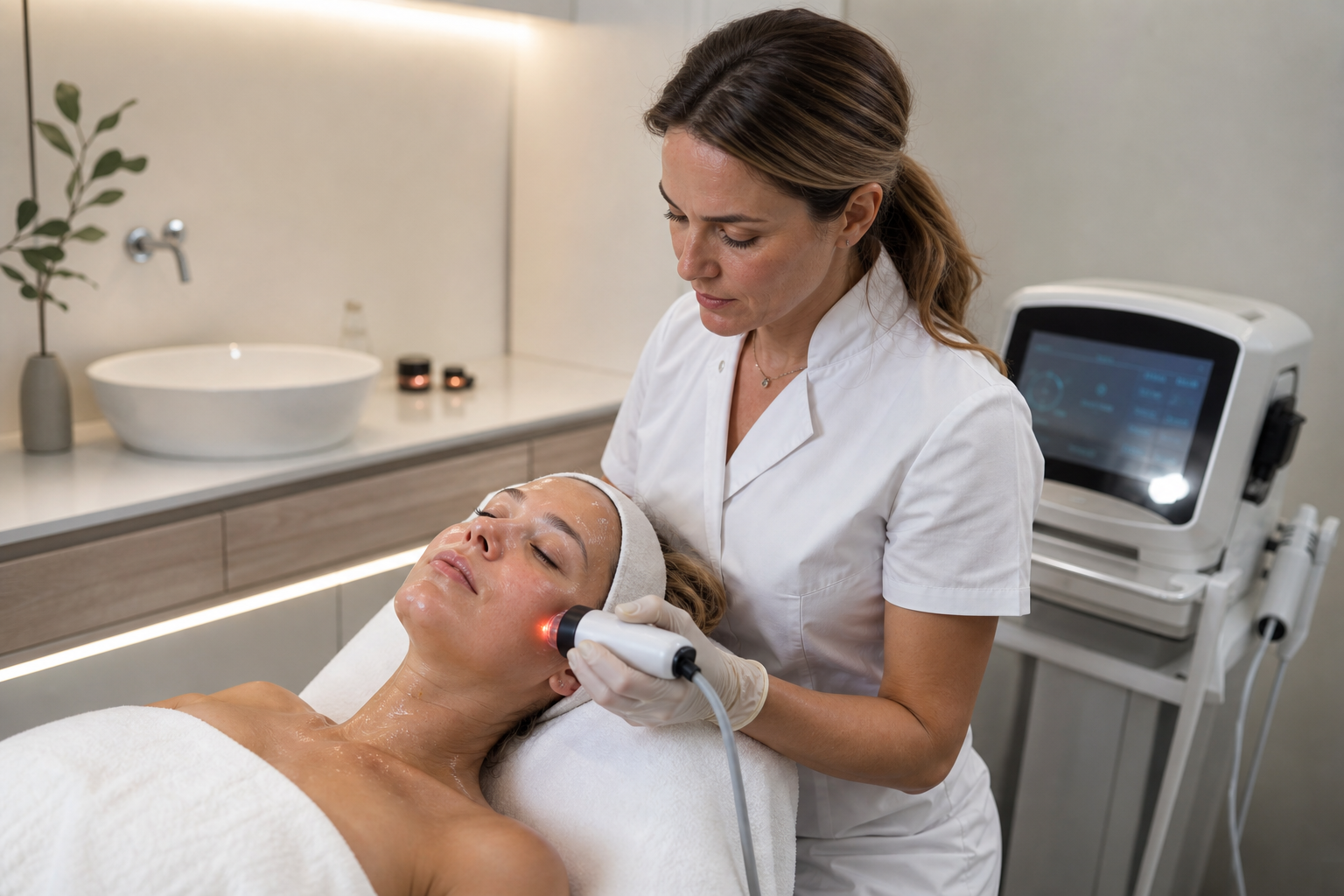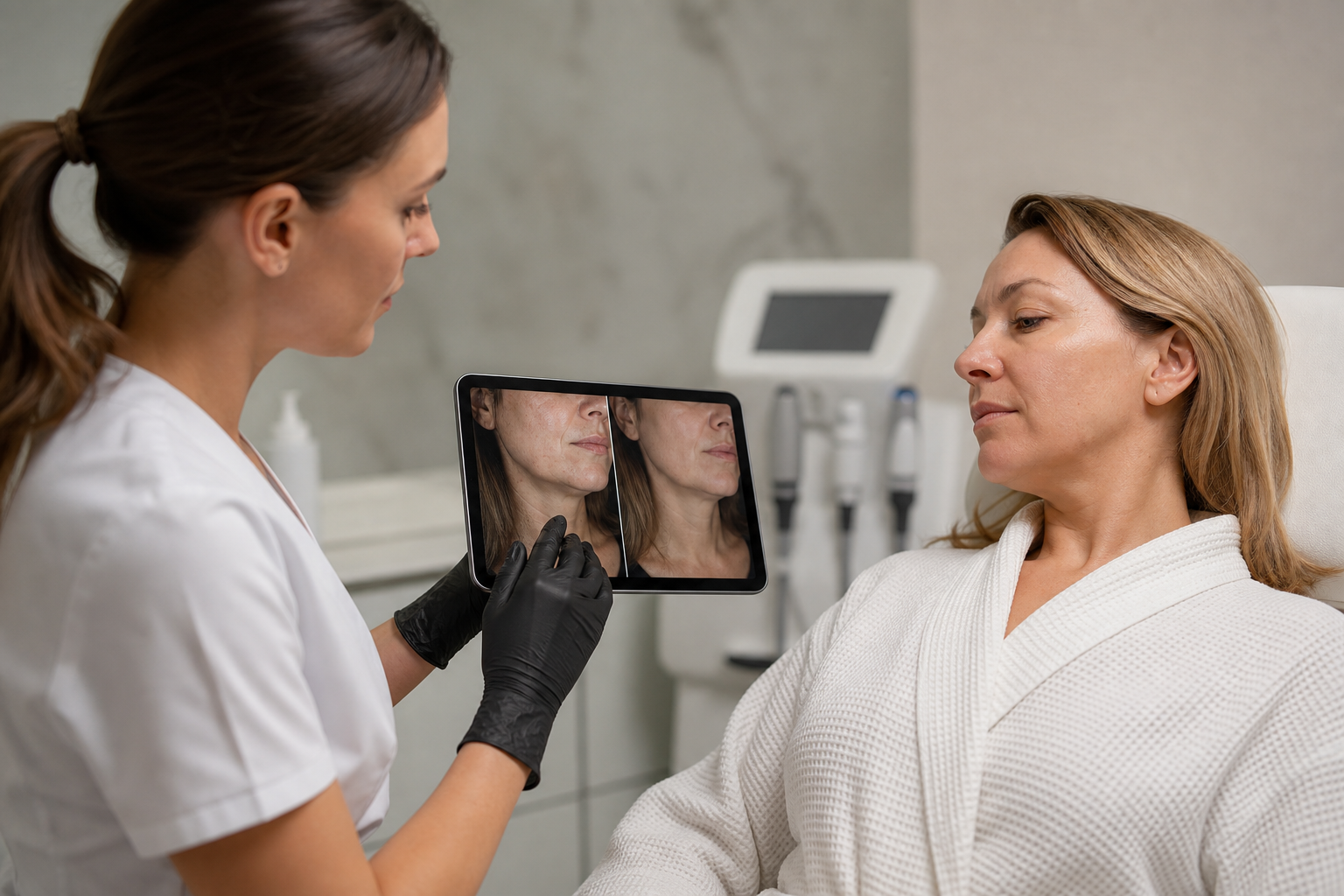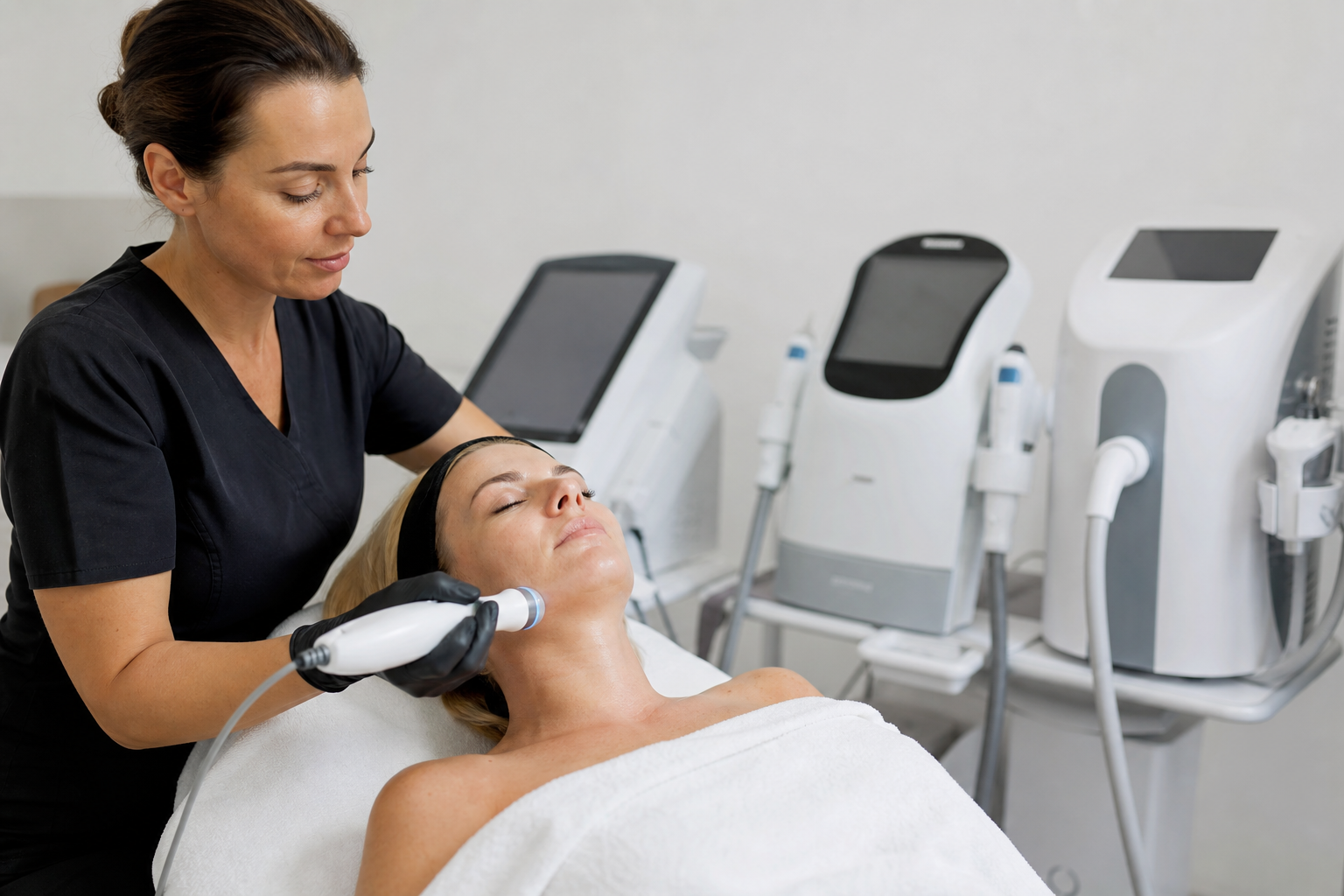
Radiofrequency (RF) treatment, commonly called RF facial lifting or RF skin tightening, has revolutionized the field of non-invasive aesthetic dermatology, offering a scientifically supported method to improve skin texture, firmness, and youthful appearance without surgical intervention. Utilizing controlled radiofrequency energy, these treatments stimulate collagen and elastin production in the deeper layers of the skin, creating a natural rejuvenation process that unfolds gradually over weeks to months.
As appealing as RF treatments are for those wishing to avoid downtime and surgical risks, the journey to optimal and lasting results does not end when the procedure is completed. The period following RF treatment is a critical window where proper skin care can profoundly impact both the speed of recovery and the durability of the treatment's effects. Understanding how to care for your skin after RF treatment is essential for anyone considering or having undergone this therapy.
This detailed editorial aims to elucidate why post-RF treatment skincare matters, what specific steps should be taken, and how these practices tie into broader skin health maintenance. It is intended for individuals new to RF treatment, patients seeking to maximize their outcomes, and anyone interested in advanced skin rejuvenation methodologies. By the end, readers will possess a comprehensive grasp of post-RF aftercare, empowering them to make informed decisions and nurture their skin effectively.
What Exactly is RF Facial Lifting and Why Post-Treatment Care is Vital
Radiofrequency facial lifting encompasses a range of non-surgical procedures that apply electromagnetic waves to the skin, generating heat within the dermis while sparing the epidermis. This focused warming effect triggers a controlled injury response, promoting fibroblast activation, collagen synthesis, and elastin regeneration — the fundamental proteins responsible for skin's structural integrity and elasticity.
Unlike invasive surgical facelifts that require substantial recovery and carry inherent procedural risks, RF treatments offer a gentler alternative suited for mild to moderate skin laxity, wrinkle reduction, and skin texture improvements. Because the process involves thermally stimulating the living tissues beneath the surface, it creates a natural, progressive tightening rather than an immediate mechanical lift.
However, the heat-induced biological responses also mean that the skin undergoes a transient period of sensitivity, increased vascular activity, and regeneration. Proper skincare during this timeframe helps mitigate side effects such as redness, inflammation, mild swelling, and dryness. Neglecting post-treatment care or using inappropriate products can delay healing or even compromise the treatment benefits, underscoring why informed aftercare is indispensable for maximizing outcomes and minimizing discomfort.
Who Should Consider Adopting a Dedicated Post-RF Treatment Skincare Regimen?
Those who undergo any form of RF facial lifting, including non-invasive RF treatments, fractional RF without needles, RF microneedling, or minimally invasive RF techniques, will benefit from tailored skincare routines designed to support their skin's specific recovery needs.
Non-invasive RF treatments, which do not breach the skin barrier, generally require a gentler recovery phase with emphasis on hydration and sun protection. Meanwhile, fractional RF and RF microneedling induce controlled micro-injuries that necessitate more intensive restoration steps such as antiseptic protection, enhanced moisturizing, and temporary avoidance of makeup or exfoliants.
Individuals with sensitive, dry, or mature skin types, who may be more prone to irritation or slower healing, should be especially diligent in post-procedure care. Patients with pre-existing skin conditions or those combining RF with other treatments must also coordinate their aftercare closely with a dermatologist or aesthetic professional.
What Are the Key Objectives of Skin Care After RF Treatment?
Post-RF skin care revolves around four essential goals: protecting and calming the skin, ensuring adequate hydration, guarding against ultraviolet (UV) damage, and preventing trauma from harsh cosmetic procedures.
Protecting and soothing the skin: Since RF treatment temporarily sensitizes skin cells and microcirculation, products with anti-inflammatory and anti-irritant properties help reduce redness, swelling, and discomfort. Avoiding potential irritants such as alcohol-based toners, fragrances, and exfoliating acids is crucial during this phase.
Hydrating deeply and restoring the barrier: The thermal effects of RF can dehydrate the skin and disrupt its natural protective functions. Using emollients and humectants like hyaluronic acid, ceramides, and vitamins helps replenish moisture and fortify the epidermal barrier.
Sun protection: UV exposure exacerbates inflammation and can impair collagen synthesis. High SPF sunscreens combined with physical blockers and actual sun avoidance during peak hours preserve the regenerative process and prevent hyperpigmentation.
Minimizing additional skin trauma: The days following RF treatments should avoid any treatments that might irritate or traumatize the skin, including chemical peels, waxing, microneedling, or aggressive scrubs, to allow restoration to proceed unimpeded.
How Should You Care for Your Skin Specifically After Different Types of RF Treatments?
Each RF procedure has distinct characteristics affecting the recommended care:
Non-invasive RF treatments: Post-procedure, the skin typically exhibits mild warmth or redness resolving within 24 hours. Moisturizing with mild, fragrance-free products and applying broad-spectrum sunscreen daily are adequate. Gentle cleansing with lukewarm water and avoiding extreme temperatures in baths or showers help maintain comfort.
Fractional RF without needles: Since treatments generate controlled thermal segments in the skin without penetration, you may experience transient patchy redness and swelling. Nightly application of calming creams containing ingredients like panthenol and allantoin supports healing. Avoiding makeup for 24-48 hours reduces infection risk and irritation.
RF microneedling: Combining microneedling with RF energy creates microchannels in the skin, heightening the risk of infection and so requiring stringent hygiene. Post-treatment care involves using antiseptic cleansers, refraining from cosmetics for up to 72 hours, and applying nutrient-rich serums and moisturizers. Sun protection is paramount from day one onwards.
Minimally invasive RF procedures: These require the most attentive aftercare and are usually accompanied by specific medical guidance. Healing times are longer, and products used may include specialized ointments prescribed by professionals.
What Practical Steps Should Be Followed To Support Skin Recovery After RF Procedures?
Implementing a step-by-step regimen maximizes the skin's recuperative capacity:
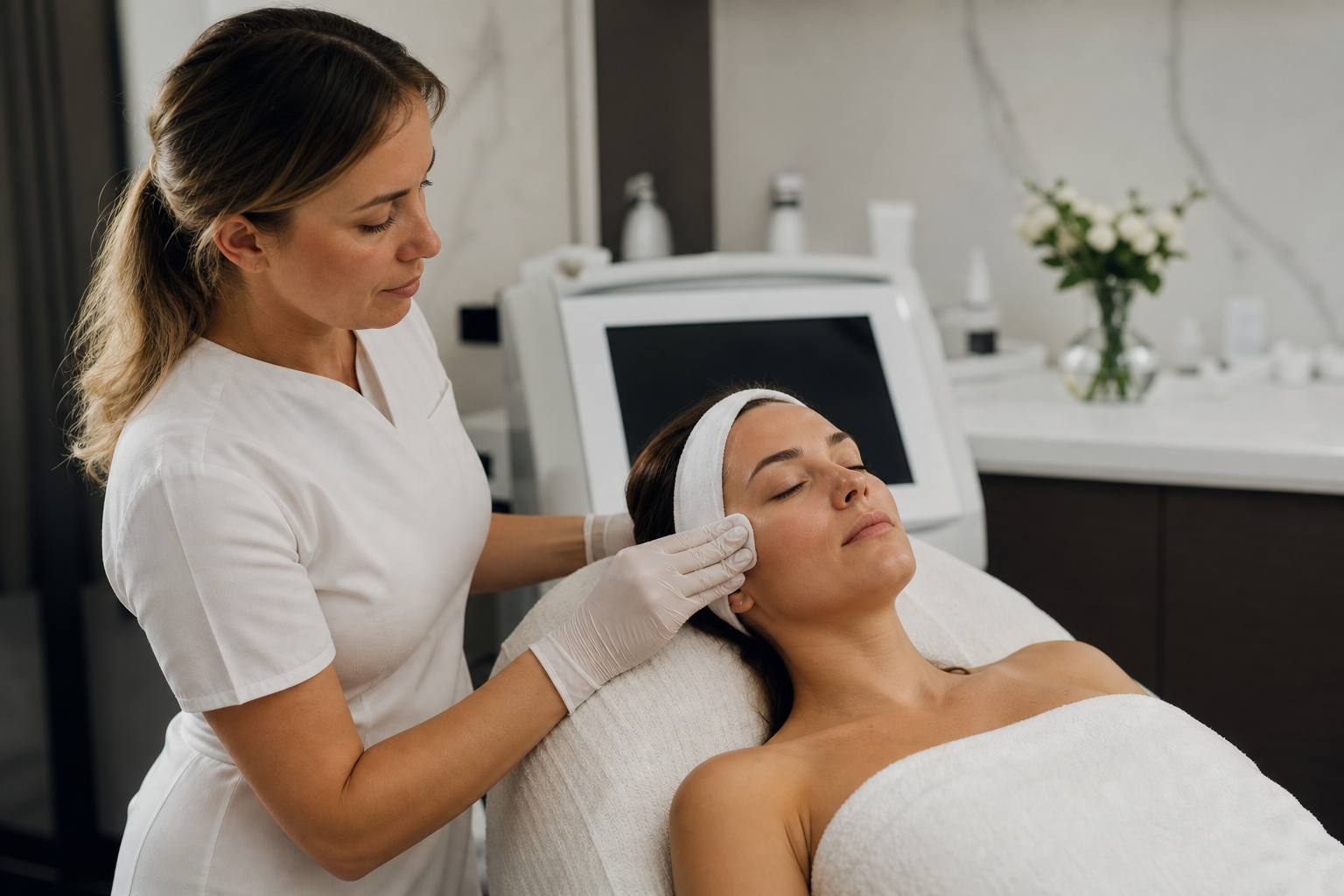
Start with gentle cleansing: Use mild, non-foaming cleansers formulated for sensitive skin, rinsing with lukewarm water to avoid stripping oils.
Apply soothing serums or creams: Look for formulations containing ingredients known for anti-inflammatory and reparative properties such as aloe vera, green tea extract, or chamomile.
Maintain deep hydration: Incorporate hyaluronic acid-based serums and rich moisturizers to restore moisture balance and inhibit dryness.
Protect from UV radiation: Administer sunscreen with an SPF of at least 30 every morning, reapplying if outdoors for extended periods. Complement with physical barriers like wide-brimmed hats and sunglasses.
Avoid makeup and other facial products: Delay the use of foundation, powders, or other products for at least 48 to 72 hours, depending on treatment intensity.
Monitor skin reactions: Observe any prolonged redness, swelling, or discomfort, and consult your provider promptly if severe or unusual symptoms arise.
How Can You Distinguish Between Normal and Problematic Post-Treatment Skin Responses?
Mild transient reactions are expected and form part of the natural healing cascade:
- Low-grade redness lasting up to one day
- Slight tightness or warmth sensation
- Minimal swelling or tenderness
Red flags that necessitate professional attention include:
- Persistent or worsening redness and swelling beyond 48 hours
- Appearance of blisters or sores
- Intense pain or itching unresponsive to home care
- Signs of infection such as pus or unusual discharge
Early consultation aids in preventing complications and ensuring safe recovery.
Understanding the Timeline: How Long Should Skin Care Continue and When Will Results Become Visible?
The skin’s recovery duration depends on treatment modality and individual factors. For mild RF treatments, a primary care phase of up to one week suffices, while microneedling combined with RF may extend care routines to 7-10 days. In all cases, ongoing sun protection is advisable indefinitely to preserve collagen integrity.
Visible improvements in skin firmness and texture begin to emerge gradually within 4 to 8 weeks, coinciding with neocollagenesis, the natural buildup of new collagen fibers. The maximal benefits often manifest around 4 to 6 months post-treatment, particularly when multiple sessions are employed. Consistent post-care amplifies and prolongs these rejuvenating effects.
How Does Post-RF Treatment Skincare Integrate with Overall Skin Health Maintenance?
Engaging in thoughtful post-RF care dovetails with broader strategies to uphold skin vitality throughout the aging process. Adopting routines emphasizing gentle cleansing, sustained hydration, antioxidant protection, and photoprotection bolsters the skin’s resilience to environmental stressors.
Integrating these habits with lifestyle elements such as balanced nutrition, adequate hydration, sleep, and avoiding tobacco furthers the skin’s capacity to respond favorably not only to cosmetic procedures but also everyday aging dynamics. Regular consultations with dermatologists or skin experts ensure adjustments tailored to evolving needs.
How Does Post-RF Treatment Care Connect to Other Innovations in Aesthetic Dermatology?
Radiofrequency treatments often represent one component of multifaceted aesthetic protocols. Effective post-care complements adjunct therapies like laser resurfacing, chemical peels, or injectables by optimizing skin condition, minimizing downtime, and enhancing procedural results.
Moreover, as technology evolves, combination treatments require nuanced aftercare strategies customized to specific energy modalities and skin responses. Thus, staying informed about how to nourish the skin post-intervention remains a cornerstone of contemporary aesthetic practice.