Loss of skin firmness is a natural part of ageing. Over time, the body produces less collagen and elastin—the structural proteins responsible for keeping the skin smooth, resilient and supported. As these proteins decline, the skin may gradually become thinner, looser and less able to retain clearly defined contours.
These changes are commonly visible on the face, jawline, neck and décolletage, but they can also affect the upper arms, abdomen, thighs and the area above the knees. Sun exposure, smoking, hormonal changes, genetics and fluctuations in body weight may accelerate the process.
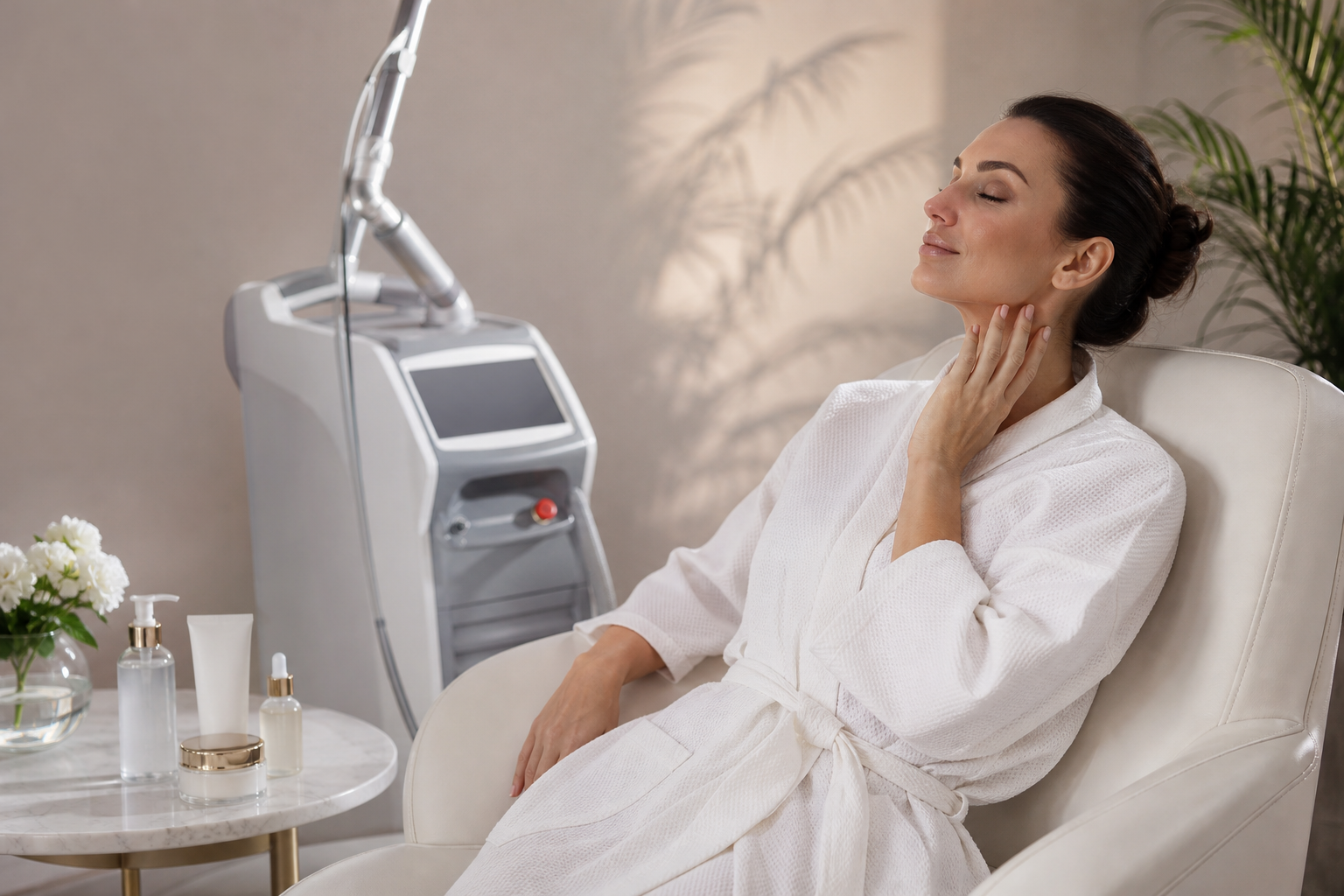
Laser skin tightening refers to a group of aesthetic treatments that use controlled light and thermal energy to stimulate collagen renewal. Depending on the technology used, treatment may target the deeper layers of the skin, improve surface texture or address several concerns at the same time.
Laser treatment cannot produce the same degree of lifting as surgery, but it may noticeably improve mild to moderate skin laxity, soften fine lines and create a firmer, smoother and more refreshed appearance. The quality of the result depends on selecting the right technology, using appropriate treatment parameters and setting realistic expectations from the beginning.
How Does Laser Skin Tightening Work?
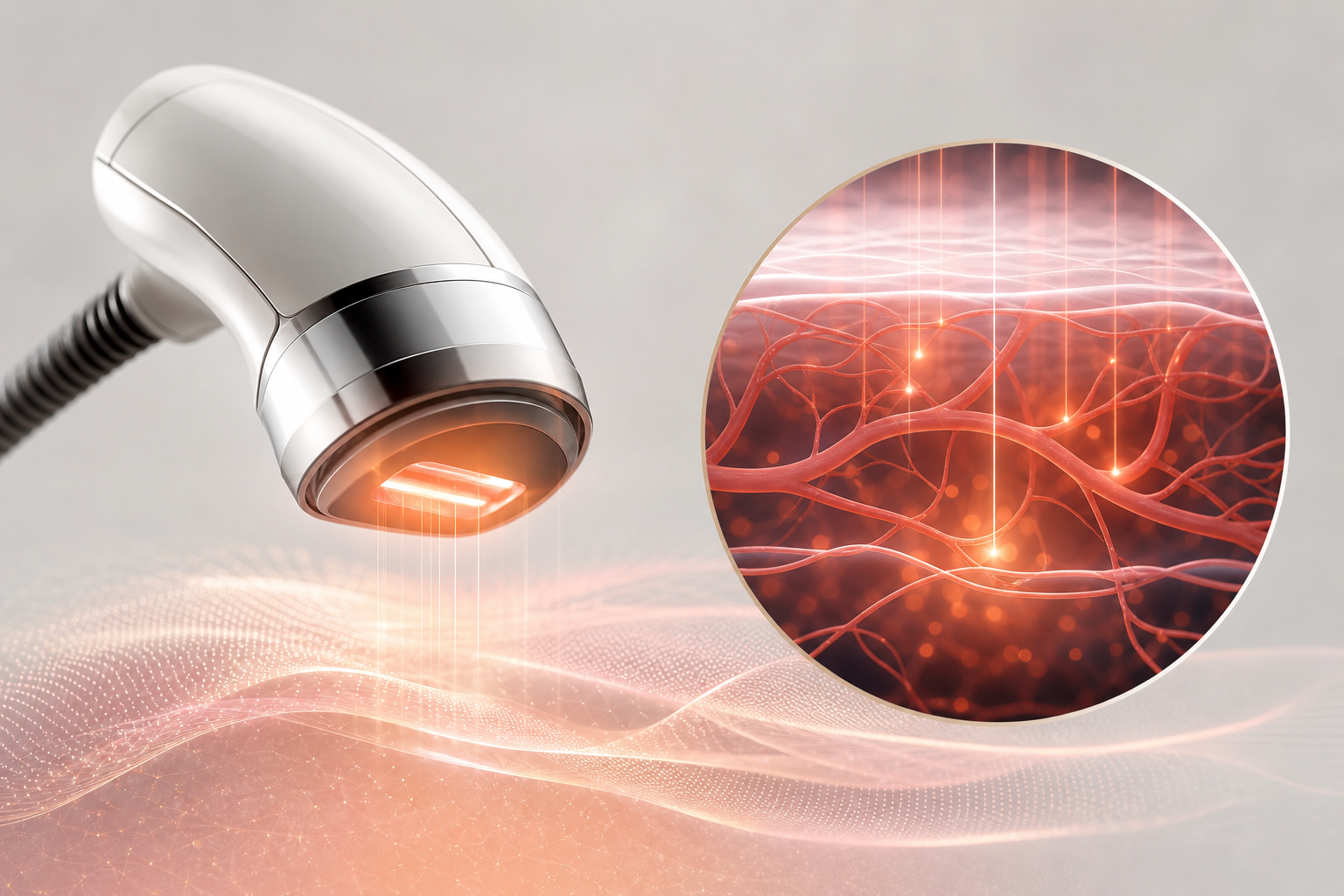
Laser skin tightening works by delivering controlled energy into selected layers of the skin. This energy is converted into heat, creating a carefully managed thermal response without unnecessarily damaging the surrounding tissue.
The heat may produce an initial contraction of existing collagen fibres. More importantly, it activates the skin’s natural repair processes and encourages fibroblasts—the cells responsible for producing collagen and other structural components—to become more active.
Over the following weeks and months, new collagen develops and existing collagen fibres gradually reorganise. As a result, the skin may become firmer, smoother and more elastic.
This process explains why the final outcome is not normally visible immediately after treatment. Some people notice a temporary tightening effect straight away, but the more meaningful improvement develops gradually as collagen remodelling takes place.
The depth and intensity of treatment depend on several factors, including the laser wavelength, energy level, pulse duration and delivery method. More superficial treatments primarily improve texture, fine lines and tone, while technologies that deliver heat into deeper layers may provide a stronger tightening effect.
The aim is not to dramatically alter facial features. Successful treatment should create a naturally refreshed appearance while preserving the person’s individual expression and facial proportions.
Different Types of Laser Skin Tightening
The term “laser skin tightening” is sometimes used broadly, even though the technologies offered under this name can work in very different ways. Understanding the main categories helps explain differences in results, recovery time and suitability.
Non-ablative lasers heat the deeper layers of the skin without significantly removing its surface. They generally involve minimal downtime and are commonly recommended as a course of treatments. Results tend to appear progressively and are usually most appropriate for early signs of skin laxity.
Fractional non-ablative lasers create microscopic columns of thermal stimulation while leaving the surrounding tissue intact. This allows the skin to heal more efficiently. In addition to encouraging collagen production, fractional treatments may improve enlarged pores, fine lines, uneven texture and certain types of scarring.
Fractional ablative lasers remove microscopic sections of the outer skin while also delivering heat into deeper tissue. They can provide more significant improvements in texture, sun damage, wrinkles and overall skin quality. However, they require more careful preparation, a longer recovery period and a structured aftercare routine.
Fully ablative resurfacing is considerably more intensive and is generally reserved for advanced concerns. It involves a more substantial removal of the skin’s surface and should only be performed by an appropriately qualified medical professional.
Radiofrequency and focused ultrasound treatments are also frequently promoted as skin-tightening procedures, but they are not lasers. Radiofrequency uses electrical energy, while ultrasound uses sound waves. Each technology has different advantages, limitations and ideal candidates.
There is no single best device for every person. The most suitable option depends on skin type, the degree of laxity, the presence of pigmentation or scarring, the desired outcome and the amount of recovery time the client can accept.
Which Areas Can Be Treated?
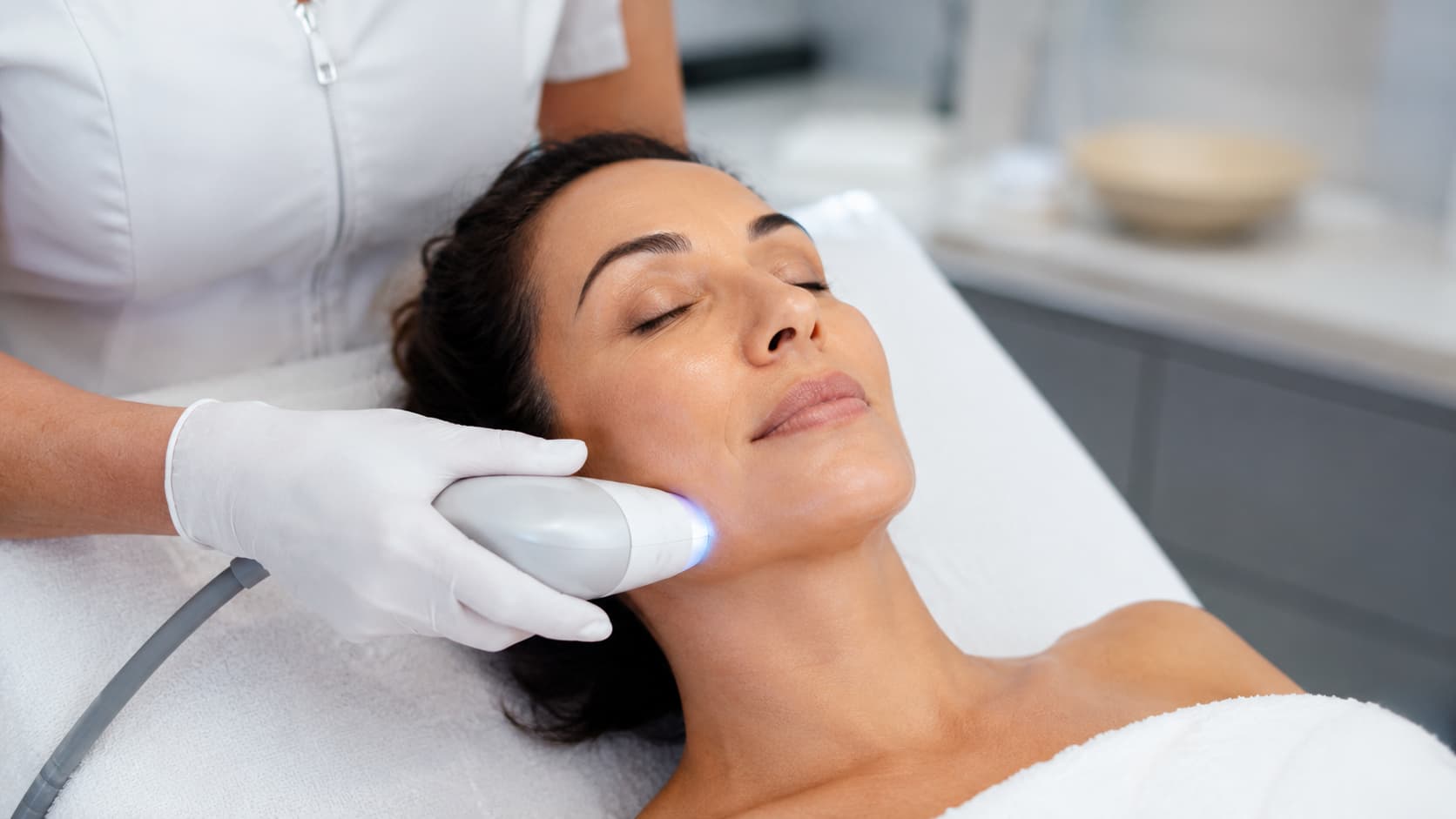
Laser skin tightening is most frequently performed on the face. Particular attention is often given to the cheeks, lower face and jawline, where early loss of firmness may make the contours appear less defined.
The neck and décolletage are also popular treatment areas. The skin in these regions is relatively thin and can show sun damage, lines and reduced elasticity earlier than other areas. Because it is more delicate, treatment must be carefully adjusted.
Other areas that may be suitable include:
the abdomen following pregnancy or weight changes
the inner upper arms
the inner thighs
the area above the knees
the hands
small areas of mildly loose skin on the body
Laser treatment may improve the quality, texture and firmness of the skin, but it cannot remove a substantial amount of excess tissue. When significant loose skin is present—particularly following major weight loss—the improvement from a non-surgical procedure may be limited.
A professional consultation should distinguish between skin that has lost some elasticity and a true excess of skin. This distinction is important because the two concerns do not respond in the same way.
Who Is a Suitable Candidate?
Laser skin tightening is generally best suited to people with mild to moderate loss of firmness who want gradual, natural-looking improvement without surgery.
Treatment may be considered when someone notices:
early sagging around the cheeks or jawline
reduced definition of the lower face
fine lines and crepey texture
decreased elasticity on the neck or décolletage
mild skin laxity on the body
visible signs of sun damage
a general decline in skin quality
Age alone does not determine suitability. Genetics, lifestyle, cumulative sun exposure, smoking, hormonal changes and changes in body weight all influence the condition of the skin. Two people of the same age may therefore require very different treatment plans.
Skin tone is also an important consideration. Certain laser wavelengths and treatment settings carry a higher risk of pigmentation changes in darker skin tones. This does not necessarily mean treatment is unsuitable, but the technology and parameters must be selected by someone with experience in treating different Fitzpatrick skin types.
Treatment may need to be postponed or avoided in the presence of active infections, open wounds, severe inflammation or certain medical conditions. Additional assessment may be required for people with a history of abnormal scarring, pigmentation disorders, cold sores or poor wound healing.
Clients should disclose all medication, supplements, skincare products and previous procedures during the consultation. Some medicines and topical ingredients can increase sensitivity or affect the skin’s ability to recover.
Elective laser procedures are generally postponed during pregnancy. Treatment during breastfeeding should be discussed individually with an appropriately qualified practitioner.
What Happens During the Treatment?
The process should begin with a detailed consultation rather than the treatment itself. The practitioner will assess skin laxity, thickness, texture, pigmentation and overall condition. Medical history, previous aesthetic treatments and any tendency towards scarring or pigmentation changes should also be discussed.
Depending on the technology, skin type and intensity of treatment, a patch test may be recommended before the full procedure.
On the day of treatment, the skin is thoroughly cleansed. A topical anaesthetic may be applied for more intensive procedures, while milder non-ablative treatments may only require a cooling system to maintain comfort.
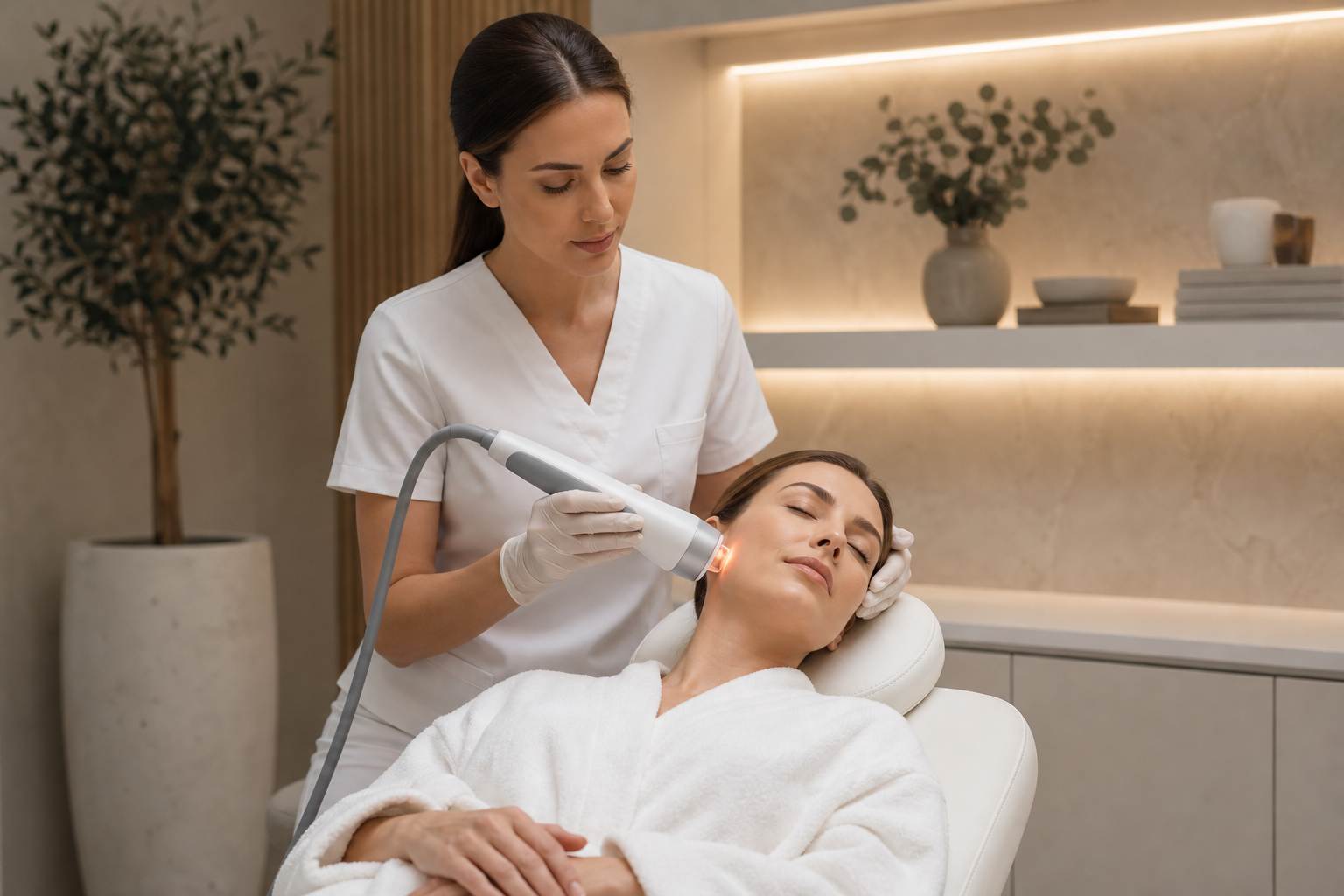
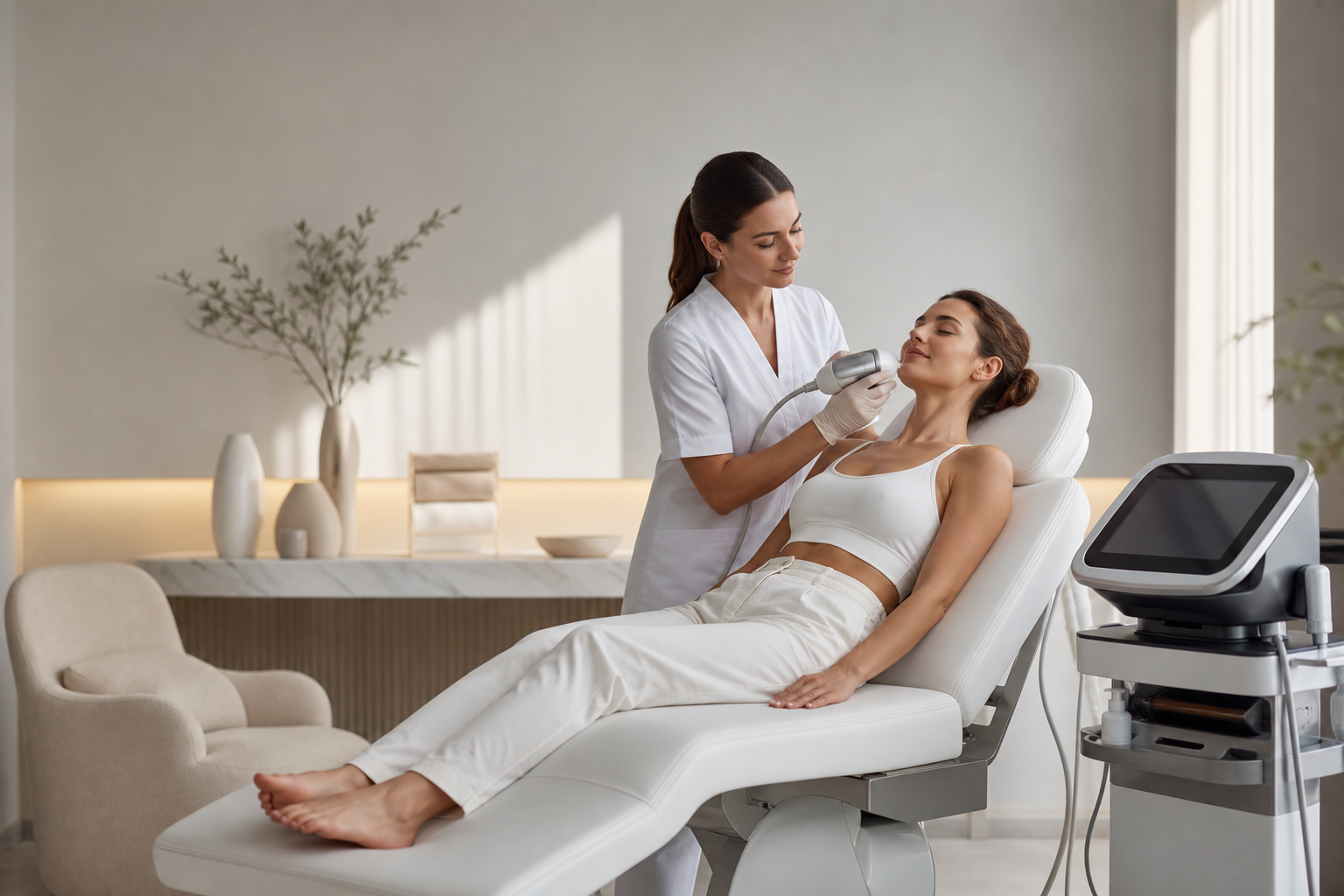
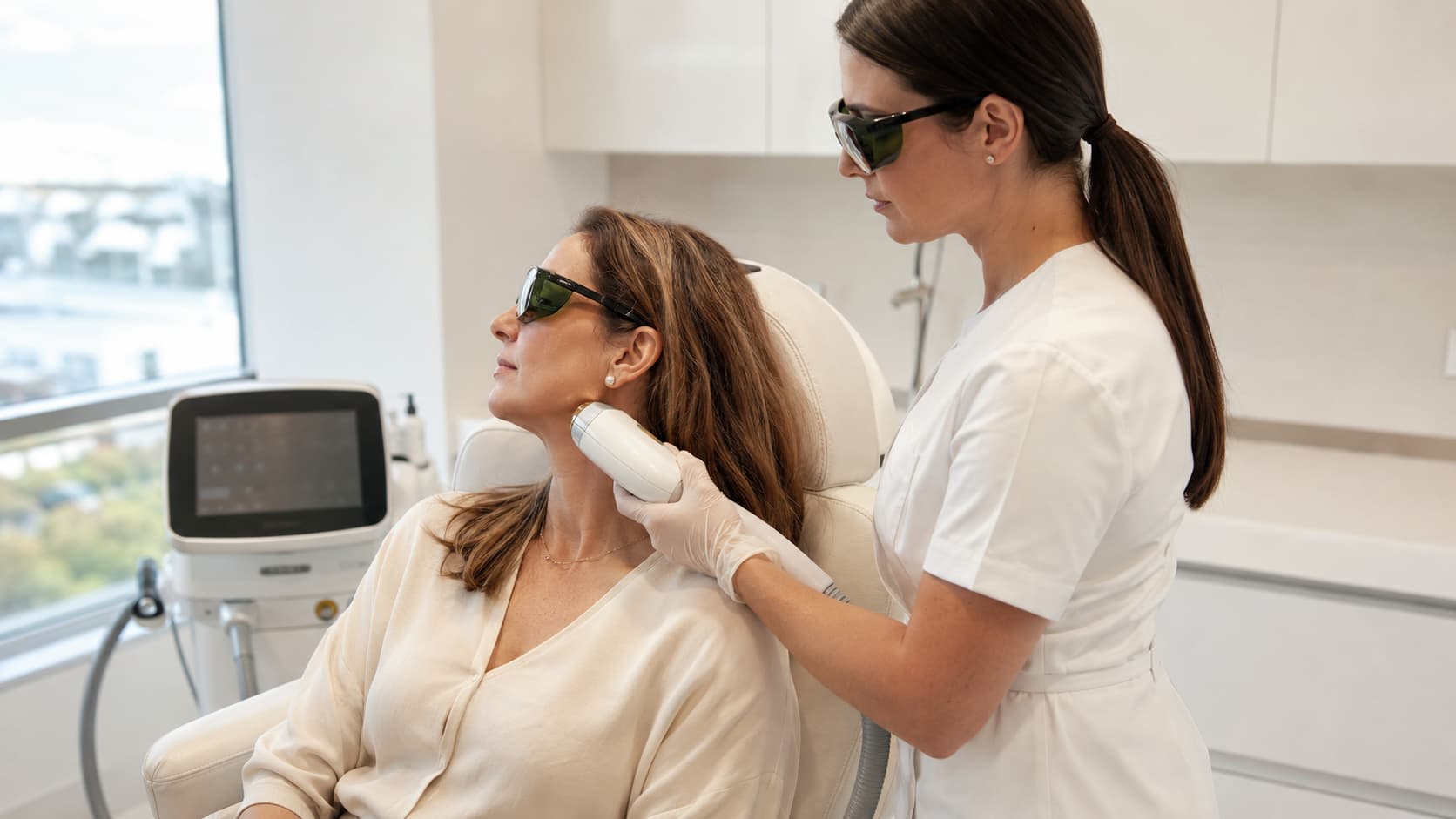
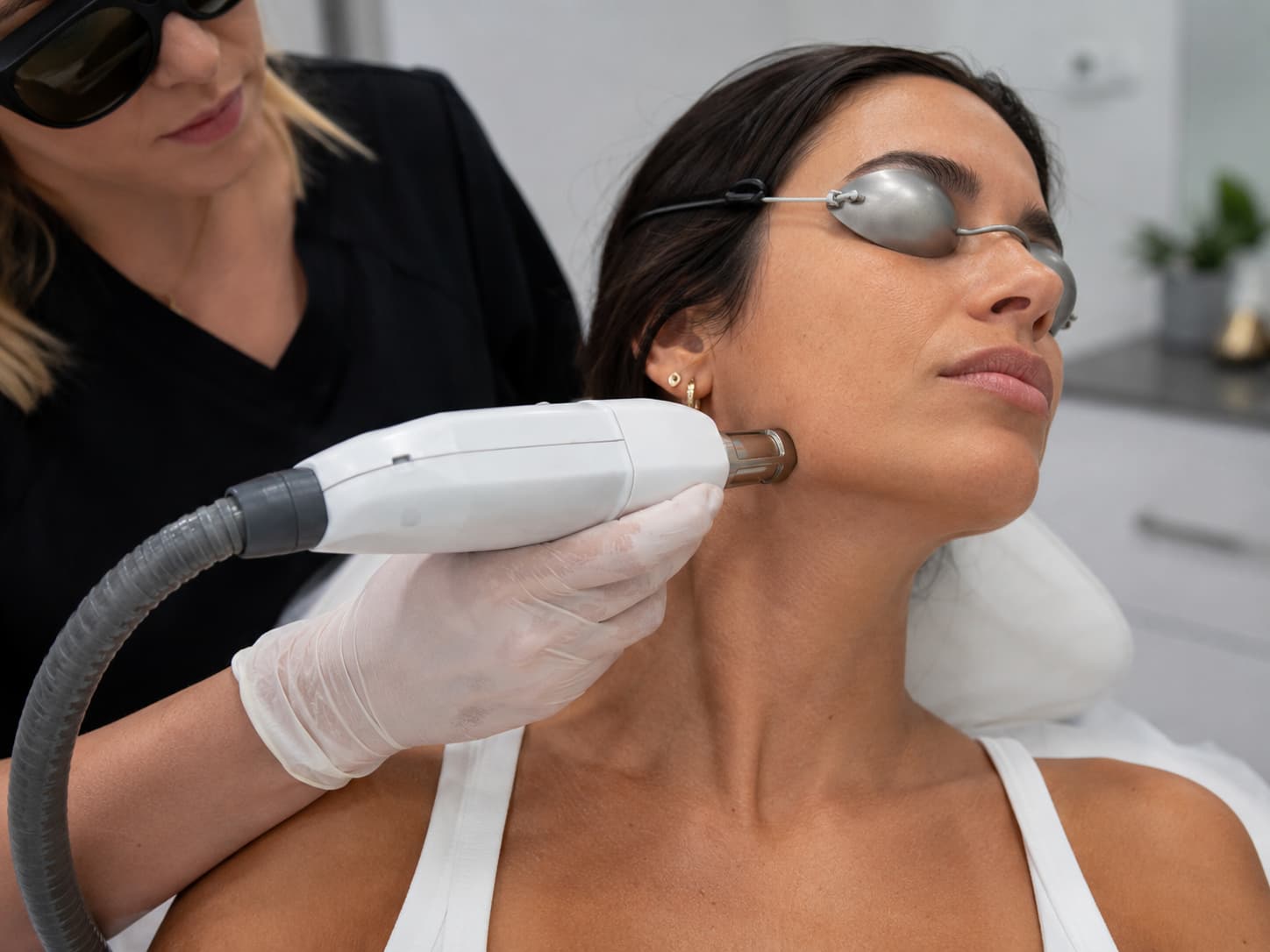
Both the client and practitioner must wear suitable protective eyewear. Laser energy is then delivered across the selected area using a handpiece. The device may use contact cooling, chilled air or another integrated cooling method to protect the skin’s surface.
The sensation varies according to the technology and treatment intensity. Milder procedures may feel like repeated pulses of warmth or brief stinging. More intensive fractional or ablative treatments can be uncomfortable and usually require stronger pain-management measures.
Treatment time depends on the size of the area. A small facial zone may be completed relatively quickly, while the full face, neck or a larger body area will take longer.
Immediately afterwards, the skin may appear red and feel warm, tight or slightly swollen. These effects are usually mild following non-ablative treatment. Fractional and ablative procedures can cause more noticeable redness, swelling, peeling and temporary crusting.
How Many Treatments Are Needed?
The recommended number of sessions depends on the technology, the condition of the skin and the desired level of improvement.
Gentler non-ablative treatments are usually performed as a course, with several appointments spaced apart to allow the skin to respond. More intensive fractional procedures may require fewer sessions but involve a longer recovery period after each one.
Early improvements may become noticeable within several weeks. The skin may begin to look smoother, fresher and slightly more compact. However, collagen formation and remodelling continue for several months, so the final result should not be assessed too soon.
Possible improvements include:
firmer-looking skin
better-defined facial contours
reduced appearance of fine lines
smoother and more even texture
less visible pores
improved overall skin quality
Results vary considerably. Someone with early loss of elasticity may achieve a visible improvement, while a person with substantial skin laxity is likely to experience a more limited change.
Laser skin tightening does not stop the ageing process. Collagen will continue to decline over time, and factors such as sun exposure, smoking and weight fluctuations can affect how long results last.
Daily sun protection, suitable skincare, a stable body weight and healthy lifestyle choices may help preserve the outcome. Maintenance treatments may also be recommended, but their frequency should be determined individually.
Recovery, Aftercare and Possible Side Effects
Recovery time varies according to the intensity of the procedure. Many non-ablative treatments involve little or no significant downtime, while ablative and more intensive fractional treatments require a structured healing period.
Common temporary reactions include:
redness
warmth or mild burning
slight swelling
dryness and tightness
temporary sensitivity
flaking or peeling
mild crusting after more intensive treatments
Aftercare instructions should be tailored to the exact procedure. Clients are generally advised to use gentle cleansing products, maintain hydration and avoid introducing strong active ingredients until the skin barrier has recovered.
During the healing period, it may be necessary to avoid:
direct sun exposure
sunbeds
saunas and steam rooms
very hot showers
strenuous exercise immediately after treatment
retinoids and exfoliating acids
abrasive scrubs
picking or removing peeling skin
strongly fragranced or irritating products
Consistent broad-spectrum sun protection is essential. Treating recently tanned skin may increase the risk of burns and pigmentation changes, while unprotected sun exposure after the procedure can interfere with healing.
More serious complications are uncommon when treatment is performed correctly, but they remain possible. These may include burns, blistering, infection, prolonged redness, post-inflammatory hyperpigmentation, loss of pigment and scarring.
Clients should contact their practitioner or seek medical advice if they experience severe pain, significant blistering, increasing swelling, discharge, spreading redness or any unexpected worsening of the treated area.
How to Choose a Clinic and Treatment Provider
The name of a device alone does not determine the quality of a treatment. The same technology can produce very different results depending on the practitioner’s knowledge, the condition of the equipment and the parameters selected.
A professional consultation should clearly explain:
which device and technology will be used
why it is suitable for the client’s skin type
what level of improvement can realistically be expected
how many treatments may be needed
how much downtime is involved
which reactions are considered normal
what preparation and aftercare are required
who to contact if a complication develops
A trustworthy provider should not promise surgical-level lifting without surgery or guarantee a dramatic transformation after a single session. Instead, the practitioner should explain both the benefits and limitations of the procedure.
Professional qualifications, hygiene standards, eye protection, equipment maintenance and experience with different skin tones are particularly important. The clinic should also keep accurate treatment records so that parameters and reactions can be monitored over time.
More intensive laser procedures should be performed by an appropriately trained and qualified medical professional who can recognise contraindications, manage complications and provide suitable follow-up care.
Price is relevant, but it should not be the only factor. An unusually low price may reflect weaker technology, limited practitioner experience or a treatment protocol that is not properly tailored to the client.
Laser Skin Tightening or Surgical Facelift?
Laser skin tightening and facelift surgery are not interchangeable procedures.
Laser treatment primarily improves skin quality, stimulates collagen and may reduce mild to moderate laxity. It does not reposition deeper facial tissues or remove a large amount of excess skin.
A surgical facelift can reposition underlying structures and remove excess skin, creating a more significant and longer-lasting transformation. However, it also involves incisions, anaesthesia, greater risk and a considerably longer recovery period.
Laser treatment may be a suitable choice for someone who wants:
gradual and natural-looking improvement
firmer and smoother skin
minimal or manageable downtime
no major change to facial features
early intervention before laxity becomes pronounced
Surgery may be more appropriate when there is advanced sagging, substantial excess skin or a desire for a more dramatic lifting effect.
In some cases, laser treatments may complement other aesthetic procedures. However, combining treatments requires careful planning to avoid unnecessary irritation, excessive heat exposure or an unsuitable recovery schedule.