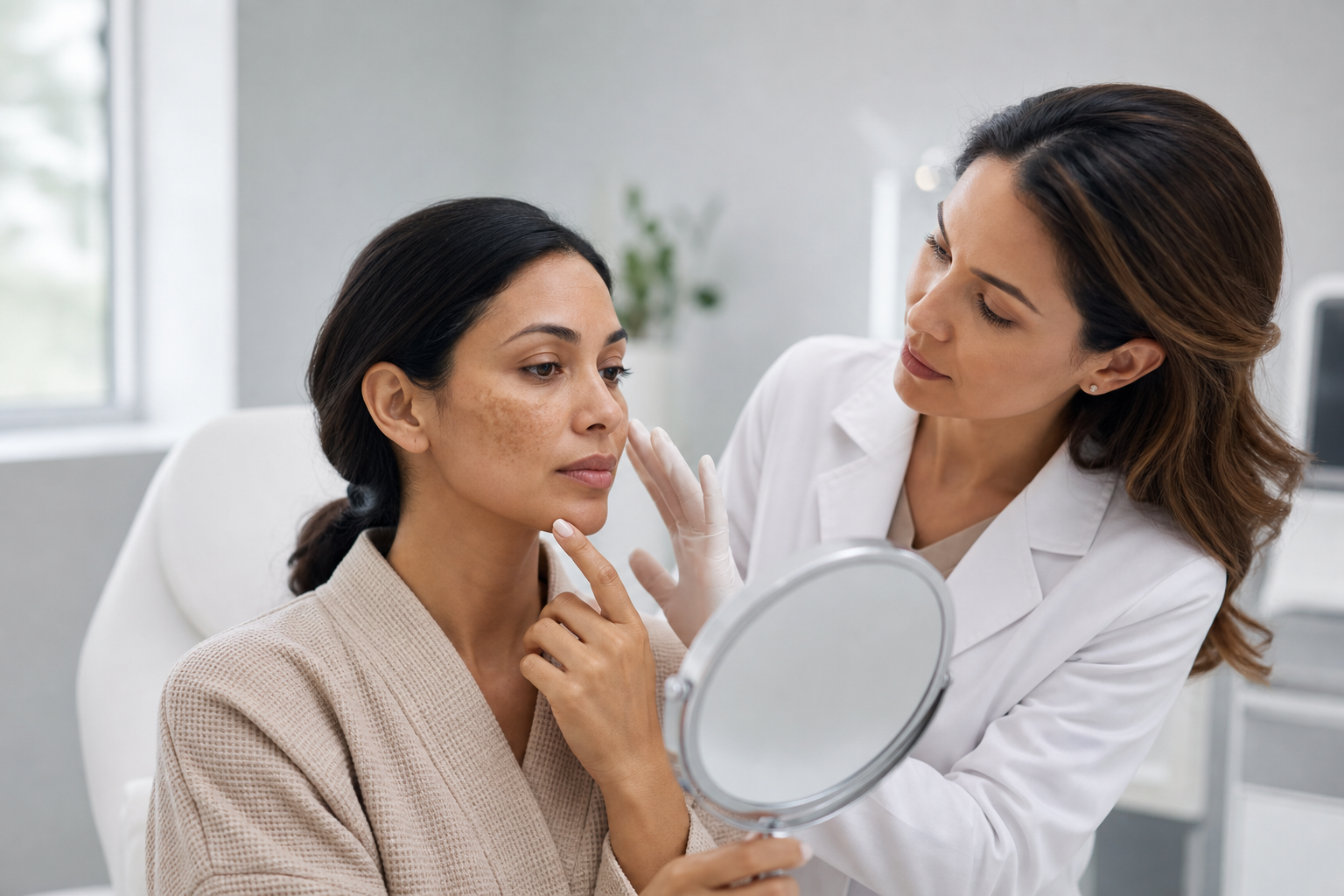
Melasma is a chronic and often distressing skin condition characterized by symmetric, blotchy, brownish facial pigmentation. It primarily affects women, especially those of reproductive age, and can significantly impact self-esteem and quality of life. Managing melasma is complex due to its multifactorial origins and the risk of recurrence despite treatment. Among the therapeutic options, Intense Pulsed Light (IPL) treatments have garnered interest as a potential modality to reduce pigmentation and improve skin tone. However, IPL is not universally suitable for all melasma patients, and its utilization demands a nuanced understanding of who may benefit and who may be at risk for adverse outcomes.
This article explores the role of IPL in treating melasma, emphasizing medical caution, the limitations of current evidence, and the importance of individual patient assessment. We address why strict photoprotection and combination therapy form the cornerstone of effective management. No single treatment, including IPL, offers a permanent cure, underscoring the need for personalized and ongoing care strategies.
Understanding IPL Technology and Its Mechanism in Melasma Treatment
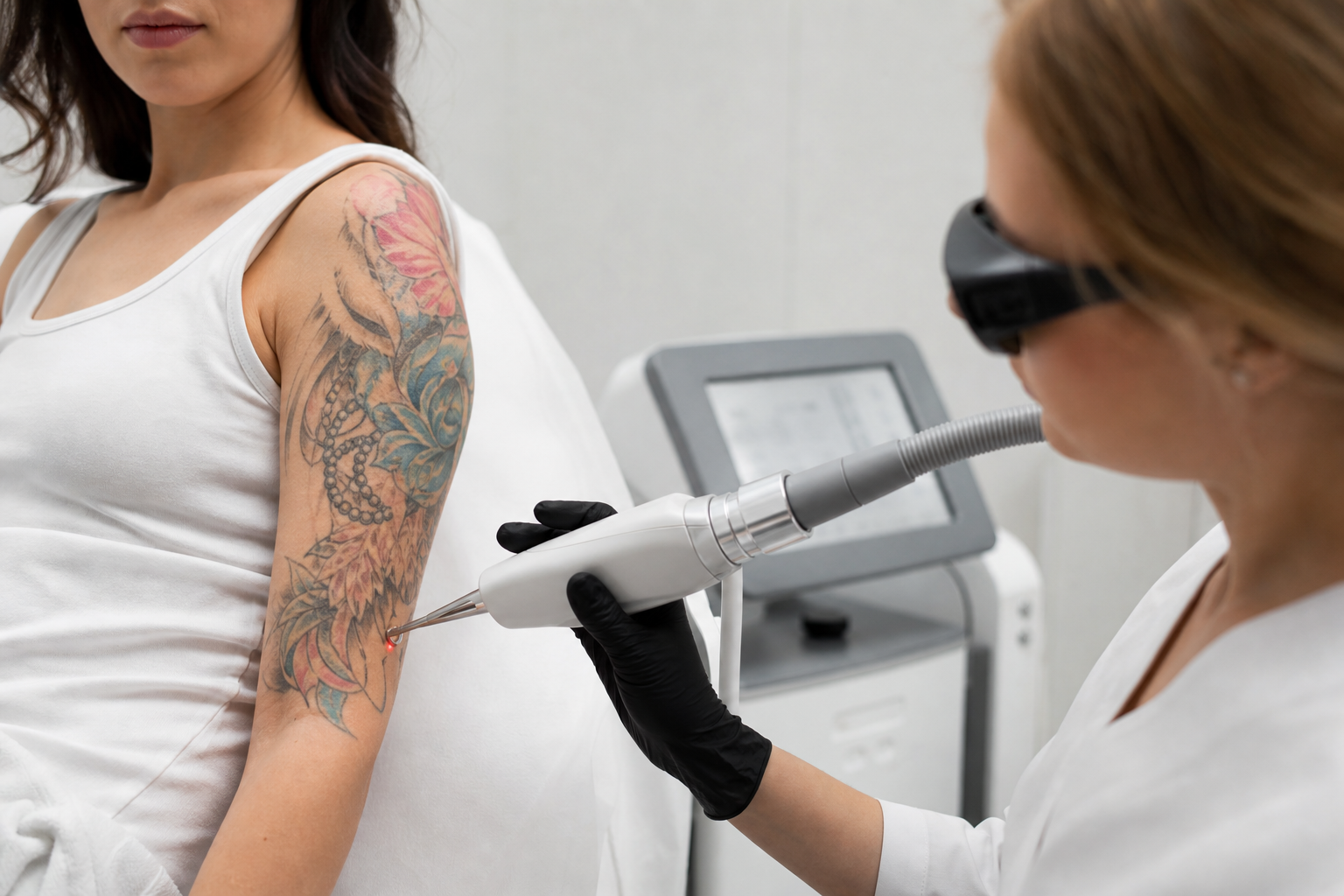
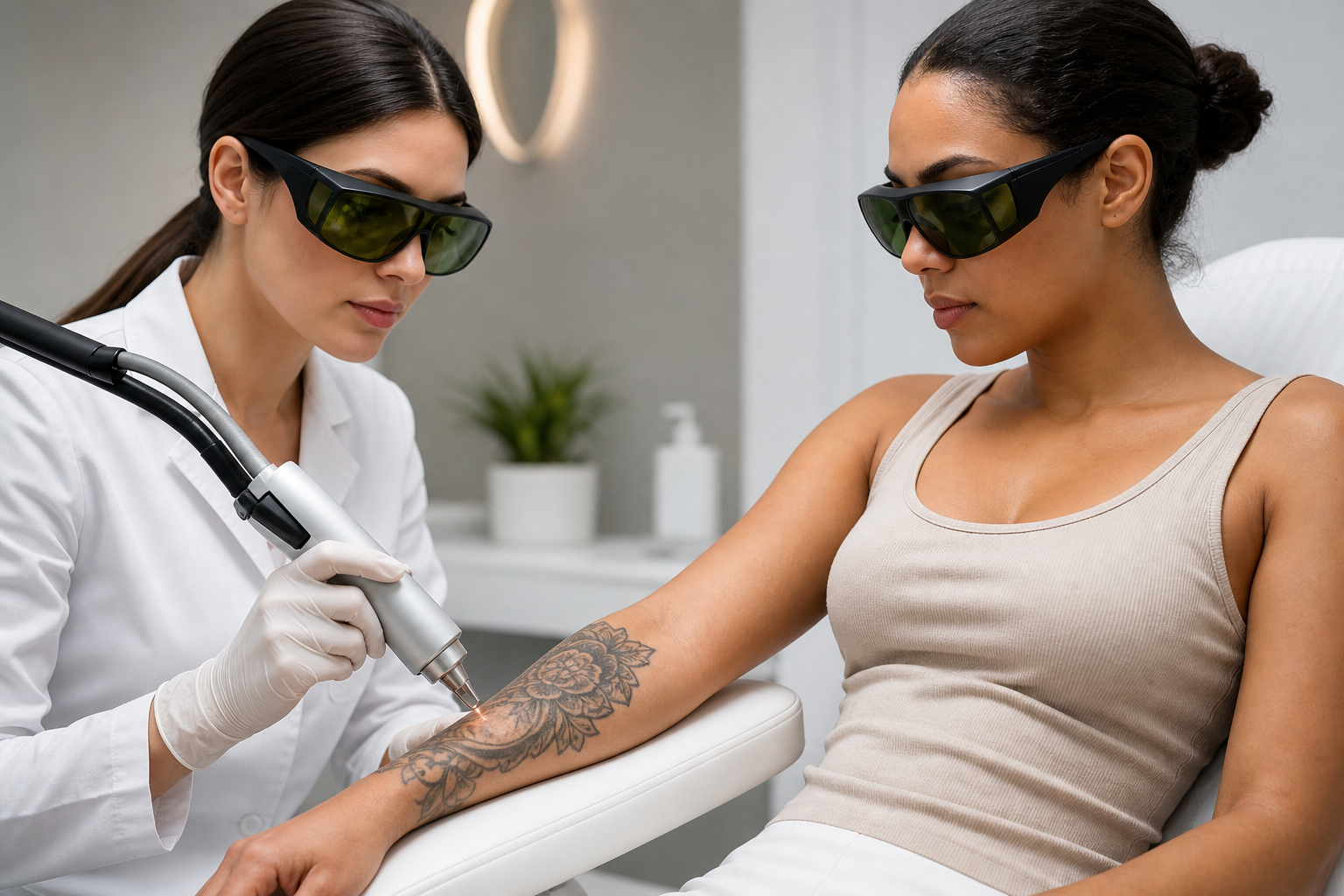
Intense Pulsed Light (IPL) is a non-invasive dermatological treatment that utilizes polychromatic light within a broad wavelength spectrum. Unlike lasers, which emit a monochromatic light beam, IPL delivers multiple wavelengths that can be selectively absorbed by pigmented or vascular skin components. This versatility enables IPL to target various skin issues, including pigmentary disorders like melasma.
In melasma, IPL aims to disrupt melanocytes and melanin granules within the skin layers by controlled photothermolysis—light-induced heating that fragments the pigment particles. This process facilitates gradual clearance of hyperpigmentation, promoting a more uniform complexion. Moreover, IPL's thermal effect may stimulate collagen remodeling and skin rejuvenation, potentially enhancing overall skin texture.
Despite these benefits, IPL treatment requires careful calibration to avoid overt skin irritation, which can exacerbate pigmentation. The complexity of melasma’s pathogenesis mandates cautious application of IPL to balance efficacy with safety.
Which Patients Are Most Likely to Benefit From IPL for Melasma?
IPL is primarily suited for individuals with mild to moderate melasma, especially when pigmentations are superficial rather than deeply dermal. Patients with Fitzpatrick skin types I to III—commonly lighter skin tones—tend to respond better to IPL, as their lower melanin content reduces the risk of post-inflammatory hyperpigmentation (PIH), a potential complication where skin darkens further following treatment.
Those who have previously tried topical depigmenting agents such as hydroquinone or retinoids without satisfactory improvement may consider IPL as an adjunctive modality. It can complement topical therapy by accelerating melanin dispersion and skin turnover.
Equally important is the patient’s commitment to rigorous sun protection during and after treatment. The success of IPL hinges on minimizing UV exposure, which can trigger melasma flare-ups and undermine therapeutic gains. Patients willing to adopt comprehensive photoprotection regimens—using broad-spectrum sunscreens with high SPF and protective clothing—are better candidates for IPL.
Who Should Avoid IPL Treatment for Melasma and Why?
IPL is generally not recommended for individuals with darker skin tones, classified as Fitzpatrick types IV to VI. Their higher baseline melanin levels increase the risk of post-inflammatory hyperpigmentation after IPL, potentially worsening existing melasma or creating new pigmentation marks.
Pregnant or menstruating women, patients with active skin inflammation, autoimmune disorders, or a history of photosensitive reactions are also advised to avoid IPL. The hormonal fluctuations and immune factors in these groups may heighten skin sensitivity and unpredictability in response to light-based interventions.
Additionally, melasma in which pigment deposits extend deep into the dermis may not respond well to IPL treatment. In such cases, the superficial light energy might fail to adequately reach or break down these pigment reservoirs, limiting efficacy and increasing risks of adverse reactions.
Patients unable or unwilling to strictly avoid sun exposure post-treatment should also refrain from IPL therapy, as insufficient photoprotection can trigger pigment rebound or aggravate melasma.
Risks and Limitations Associated With IPL in Melasma Management
While IPL can produce notable pigmentation improvement in select cases, results are not permanent and melasma often recurs. The chronic nature of the condition, combined with persistent triggers such as UV radiation and hormonal changes, undermine long-term remission.
The most significant risk of IPL is post-inflammatory hyperpigmentation (PIH), which may arise from excessive thermal injury or inflammation. PIH can be stubborn, lasting months, and at times proving more challenging to treat than the original melasma.
Other potential side effects include skin redness, blistering, irritation, and transient sensitivity, all of which may exacerbate pigmentary disorders if not managed properly. These risks necessitate that IPL treatments be performed by qualified dermatologists with expertise in pigmentary diseases and light-device settings.
The Critical Role of Sun Protection During and After IPL Therapy
Sunlight—particularly ultraviolet (UV) and visible light—remains a primary catalyst for melasma onset and recurrence. IPL, by temporarily increasing skin sensitivity, mandates scrupulous photoprotection to preserve treatment benefits and avoid triggering pigment rebounds.
Utilizing sunscreens with a minimum SPF of 50+ containing physical blockers like zinc oxide or titanium dioxide is essential. Protective measures including wide-brimmed hats and seeking shade further reduce harmful exposure. Patients must maintain these precautions indefinitely, as cessation often results in rapid relapse.
Failure to adhere to sun safety can negate IPL-induced pigment improvements, leading to frustrating cycles of treatment and recurrence.
Combining IPL With Topical Treatments: A Synergistic Approach
IPL rarely acts as a standalone definitive treatment for melasma. Instead, it serves best within an integrated strategy that includes topical agents targeting melanogenesis—the process of melanin production. Ingredients such as hydroquinone, azelaic acid, and tretinoin, used before and after IPL sessions, enhance pigment lightening and reduce relapse risk.
This combinatorial regimen allows for deeper modulation of melanocyte activity and sustained pigment control. Local therapies also help prepare the skin for IPL, improving tolerance and outcomes. Multimodal treatment tailored to individual patient profiles has become the cornerstone of contemporary melasma management.
What to Expect Throughout the IPL Treatment Process
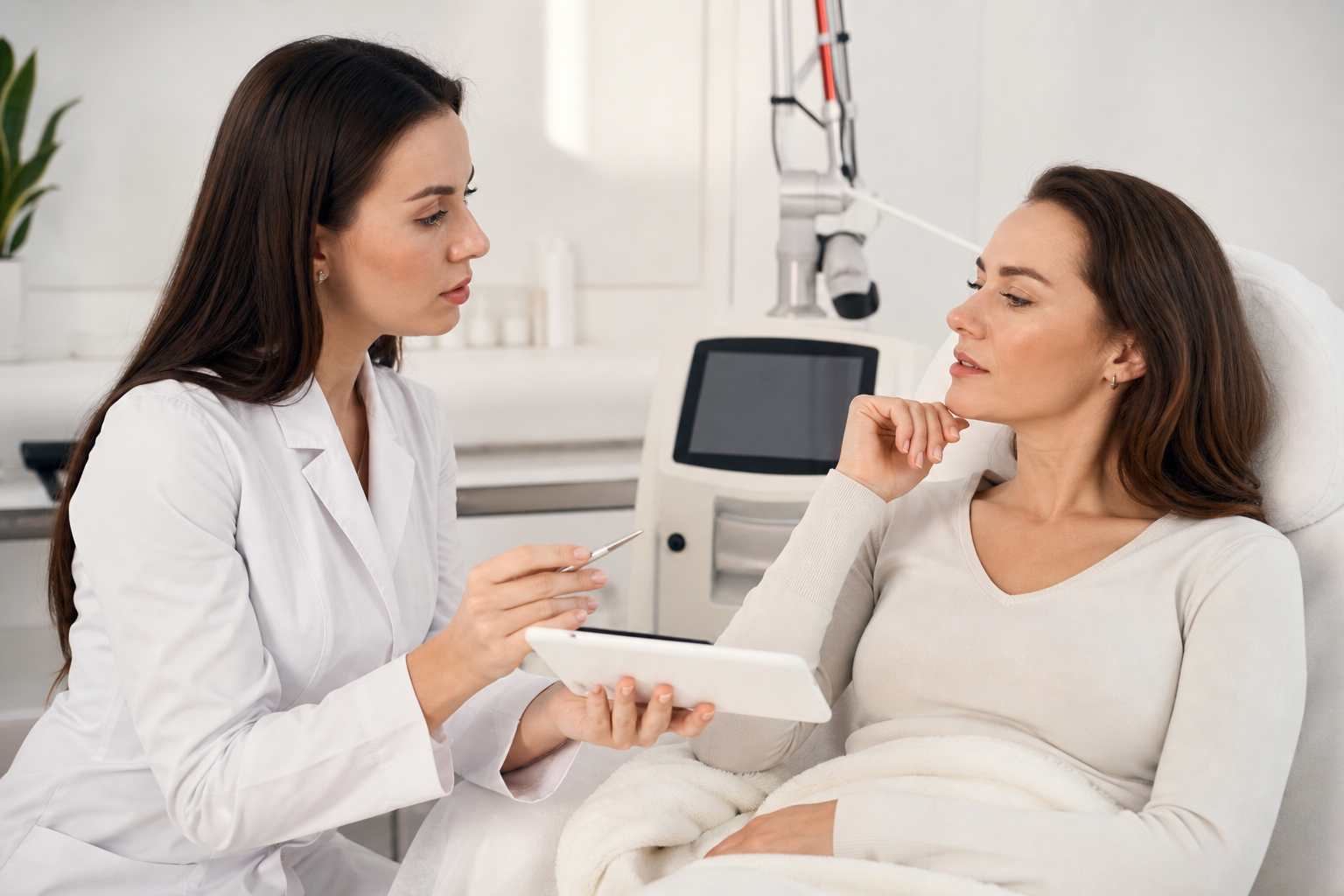
Before IPL treatment, patients undergo a thorough dermatological evaluation to assess skin type, pigmentation depth, and overall suitability. Test patches may be conducted to gauge skin response and optimize device settings.
During the session, patients typically experience mild sensations akin to a rubber band snapping against the skin. Treatments last about 20 to 30 minutes depending on affected areas.
Following therapy, transient erythema, tenderness, and darkening of pigmented spots are common, typically resolving within days. Visible fading of melasma usually occurs gradually over several weeks.
A typical course includes three to six treatments spaced four to six weeks apart, allowing for recovery and skin remodeling.
Frequently Asked Questions on IPL and Melasma
Can IPL permanently cure melasma? Currently, no treatment—including IPL—offers a permanent cure. Instead, IPL may significantly reduce pigment and improve skin appearance temporarily. Maintenance therapy and ongoing sun protection are essential to manage this chronic condition.
Why might melasma worsen after IPL or laser therapy? Thermal and photic stimulation can induce skin inflammation and melanocyte hyperactivity, leading to post-inflammatory hyperpigmentation or aggravation of existing melasma, particularly when treatments are improperly dosed or photoprotection is inadequate.
Are there safer laser alternatives for melasma? Other light-based technologies like laser toning or picosecond lasers, which deliver lower energy pulses or different wavelengths, may offer safer profiles for some patients. Dermatological consultation is key to selecting the most appropriate modality.
The Necessity of Individualized Assessment Prior to IPL Treatment
Given melasma’s heterogeneity, each patient’s treatment plan must be individualized. Comprehensive evaluation accounts for skin phototype, melasma depth, hormonal influences, prior therapies, and lifestyle factors.
Dermatologists evaluate risks versus benefits and tailor IPL parameters accordingly. Patient education on expectations, photoprotection, and adjunctive treatments is fundamental to optimizing success and minimizing adverse events.