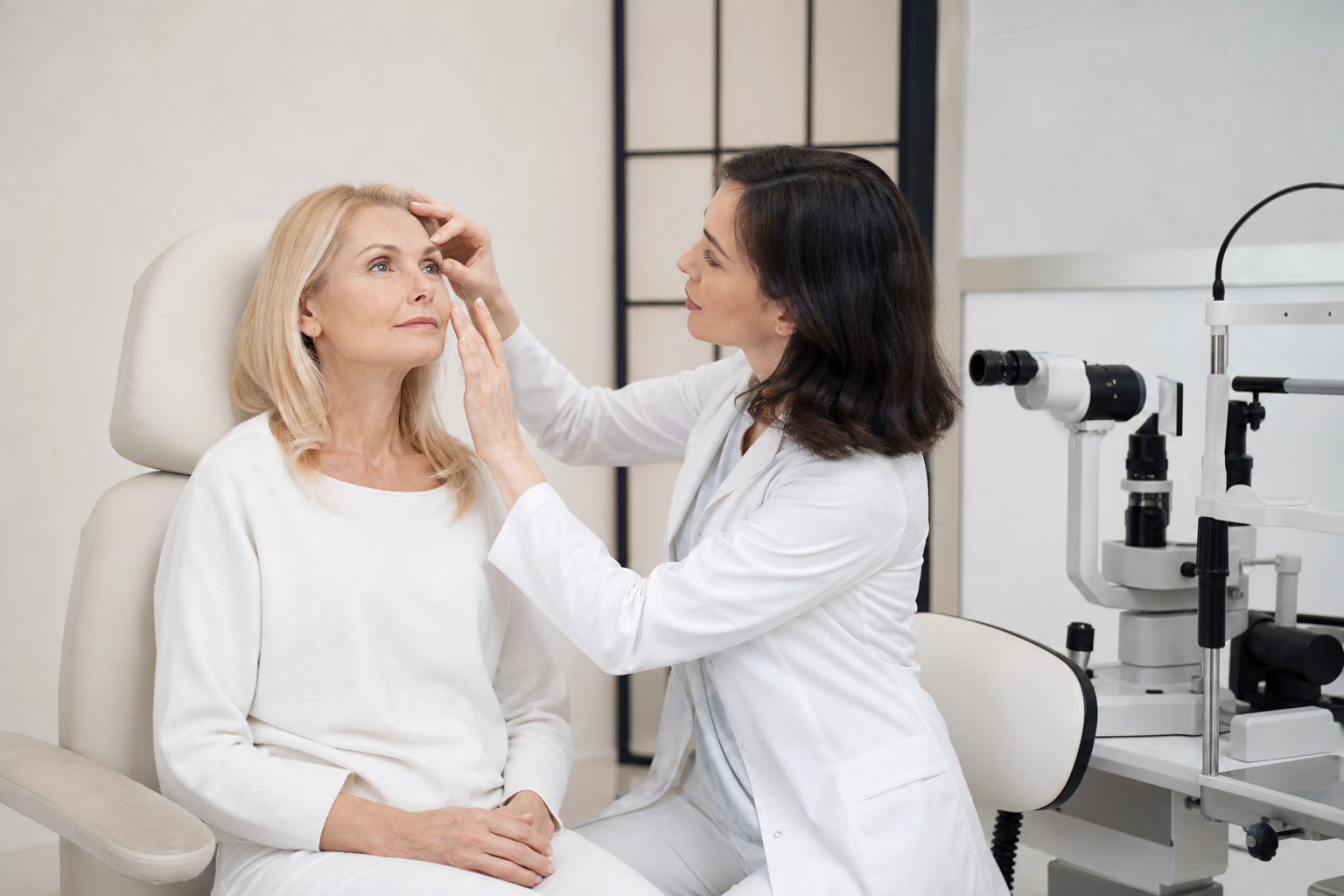
In the realm of aesthetic medicine, botox stands out as one of the most sought-after treatments aimed at smoothing wrinkles and revitalizing facial appearance. Its remarkable efficacy around the eyes and eyebrows, zones where facial lines are often most pronounced, has made it a preferred choice for many seeking a youthful glow. However, as with any medical procedure, especially those involving delicate facial regions, meticulous assessment and expert guidance are indispensable before proceeding. This necessity becomes even more compelling when considering the intricate anatomy and critical function of the eyes, making a pre-treatment ophthalmologist examination not just a recommendation but an essential medical safeguard.
Understanding when such an ophthalmologic evaluation is crucial is pivotal for anyone contemplating botox treatments in the periocular area. This article is crafted to provide an in-depth, professional, and practical perspective on the importance of ophthalmologist consultations prior to aesthetic injections near the eyes and eyebrows. It contextualizes botox application within the scope of ocular anatomy, functional muscle dynamics, and safety considerations, ensuring informed expectations and minimizing risks.
By exploring the mechanisms of botox, the unique aspects of its application around the eyes and brows, the realistic outcomes, and the critical safety checkpoints, this editorial aims to clarify why integrated care involving both an aesthetic practitioner and an ophthalmologist forms the cornerstone of safe and effective cosmetic enhancement in these sensitive regions.
The Critical Role of Ophthalmological Evaluation in Botox Treatments Around the Eyes
The eyes are complex sensory organs surrounded by a network of muscles essential for both vision and facial expression. When botox is employed to address wrinkles near the eyes and eyebrows, its intervention targets delicate muscle groups tightly interwoven with ocular function. Without an expert ophthalmologic assessment, there is a heightened risk of adverse outcomes that may not only compromise aesthetic results but also impact eye health and visual capability.
Ophthalmological evaluation before treatment serves multiple purposes. It identifies any pre-existing ocular conditions that could be exacerbated by botox, such as dry eye syndrome, blepharitis, or specific disorders affecting eyelid function. It also assesses the dynamic performance of muscles controlling eyelid movement and eyebrow position, which are critical for both function and facial harmony.
Moreover, individuals with underlying neuromuscular conditions require careful consideration because botox influences nerve signals to muscles. An ophthalmologist’s expertise ensures a tailored approach that avoids complications such as ptosis (drooping eyelid), lagophthalmos (inability to close the eyelids fully), or impaired blinking, which could threaten eye surface health and patient comfort.
Mechanistic Insights into Botox Action in the Periocular Region
Botox, a purified form of botulinum toxin, achieves its anti-wrinkle effect by selectively inhibiting the release of acetylcholine at neuromuscular junctions. This blocks nerve impulses, leading to temporary muscle relaxation. The strategic paralysis of targeted muscles softens dynamic wrinkles formed by repeated facial expressions without affecting overall facial mobility.
Specifically, around the eyes and brows, the orbicularis oculi muscle governs eyelid closure, and its precise modulation is essential. Botox injections into this muscle reduce the appearance of expression lines, commonly called crow’s feet or smile lines. Additionally, muscles like the corrugator supercilii and procerus, involved in frowning and brow furrowing, are addressed to smooth glabellar lines.
However, these muscles are integral not only to expression but also to eyelid positioning and blink reflexes, which protect and lubricate the eye. Hence, the exact dosing and placement of botox must be meticulously planned, underscoring the importance of pre-treatment anatomical and functional evaluation. An ophthalmologist contributes critical insights into muscle functionality and ocular health status, guiding the aesthetic practitioner in customizing the intervention safely.
Setting Realistic Expectations: Efficacy and Boundaries of Botox Near the Eyes
While botox delivers notable improvements in wrinkle appearance and facial rejuvenation, it is essential to maintain realistic expectations about its scope and duration, particularly in the eye region. Results typically manifest within days to a week and sustain for three to six months before muscle activity gradually returns.
Not all wrinkles respond equally. Dynamic rhytides caused by muscle contraction are well-managed with botox, whereas static wrinkles, stemming from skin laxity or volume loss, may require complementary treatments like dermal fillers. Furthermore, photoaging-related lines caused by sun damage do not resolve solely with muscle relaxation.
For patients with specific eye-related health issues or neuromuscular diseases, botox may be contraindicated or demand tailored protocols to mitigate risk. An ophthalmologist’s pre-treatment assessment is the gold standard for identifying such limitations and defining safe, individualized treatment plans.
Ensuring Patient Safety: Preventing Adverse Effects Through Collaborative Care
Safety in periocular botox application relies on the combined expertise of aesthetic clinicians and ophthalmologists. Misplacement or excessive doses may induce ptosis, impaired blinking, or ocular irritation. These complications can affect vision quality and eye comfort, sometimes necessitating further medical intervention.
A thorough ophthalmologic examination prior to treatment highlights any predispositions like dry eye syndrome or compromised eyelid closure, allowing for preventive strategies. Adjustments in botox dosing, injection sites, or informed deferral of treatment safeguard patient well-being.
Post-procedure, the ophthalmologist’s guidance helps monitor early signs of complications and advises on appropriate eye care measures. This interdisciplinary vigilance markedly enhances the therapeutic safety profile and patient satisfaction.
The Synergy Between Aesthetic Practitioners and Ophthalmologists for Optimal Outcomes
Achieving excellent aesthetic results while preserving ocular health demands seamless communication between the cosmetic injector and the ophthalmologist. This partnership fosters comprehensive patient evaluation and treatment planning based on detailed ocular anatomy, muscle function, and individual risk factors.
Through collaborative consultation, practitioners can delineate treatment goals, select appropriate botox dosages and injection patterns, and anticipate potential complications. Such integrated care supports individualized therapy, aligning aesthetic objectives with functional safety constraints.
Besides procedural benefits, this cooperative model enhances patient education, ensuring clients understand the importance of medical evaluation, the nature of the treatment, and attentive post-injection care.
Regulatory and Professional Standards Governing Botox Application Near the Eyes
Worldwide, administering botox in the periocular region is tightly regulated to ensure patient safety and treatment efficacy. Professional standards require that only qualified medical practitioners, often with specific training in aesthetic procedures and ophthalmology, perform these injections.
Many jurisdictions mandate a formal ophthalmological consultation before introducing botox near the eyes, especially in patients with known or suspected ocular conditions. Compliance with these regulations not only protects patients but also upholds the credibility and quality of cosmetic medical services.
Patients considering botox treatments should confirm that their providers adhere to these standards and maintain transparent professional credentials. Choosing clinics with multidisciplinary teams and clear protocols for ophthalmological evaluation reflects best practice in the field.
Preparing for Botox Treatment Around the Eyes: Steps to a Safe Procedure
The pathway to a successful botox treatment near the eyes begins with an informed consultation. During this initial phase, the practitioner gathers a comprehensive health and ocular history and discusses the patient's aesthetic goals and concerns.
Following this, the ophthalmologist conducts a detailed eye examination assessing visual acuity, eyelid function, tear film adequacy, and muscular dynamics. This information informs the aesthetic professional’s injection strategy.
Preparation also includes advising patients to avoid medications that increase bleeding risk, such as aspirin, shortly before the procedure. Hygiene protocols and protective measures around the eyes are emphasized to reduce infection and irritation risk.
Marking injection points thoughtfully, considering anatomical landmarks and muscle activity identified during the ophthalmologic exam, optimizes both safety and effectiveness.
Post-Treatment Expectations and Care for Botox Around the Eyes
Post-injection, patients can expect to see improvement in fine lines surrounding the eyes and on the brow within a few days, with peak effects around two weeks. These changes foster a rejuvenated, less fatigued facial expression.
Because botox effects diminish over time, maintaining results requires treatment repetition approximately every 3 to 6 months. Patients are guided to avoid strenuous activity, facial massages, or exposure to extreme heat immediately after injection to preserve toxin placement and minimize side effects.
Regular follow-up appointments, ideally involving input from both the aesthetic specialist and ophthalmologist, monitor treatment outcomes and address any emerging concerns promptly, ensuring continued safety and satisfaction.


