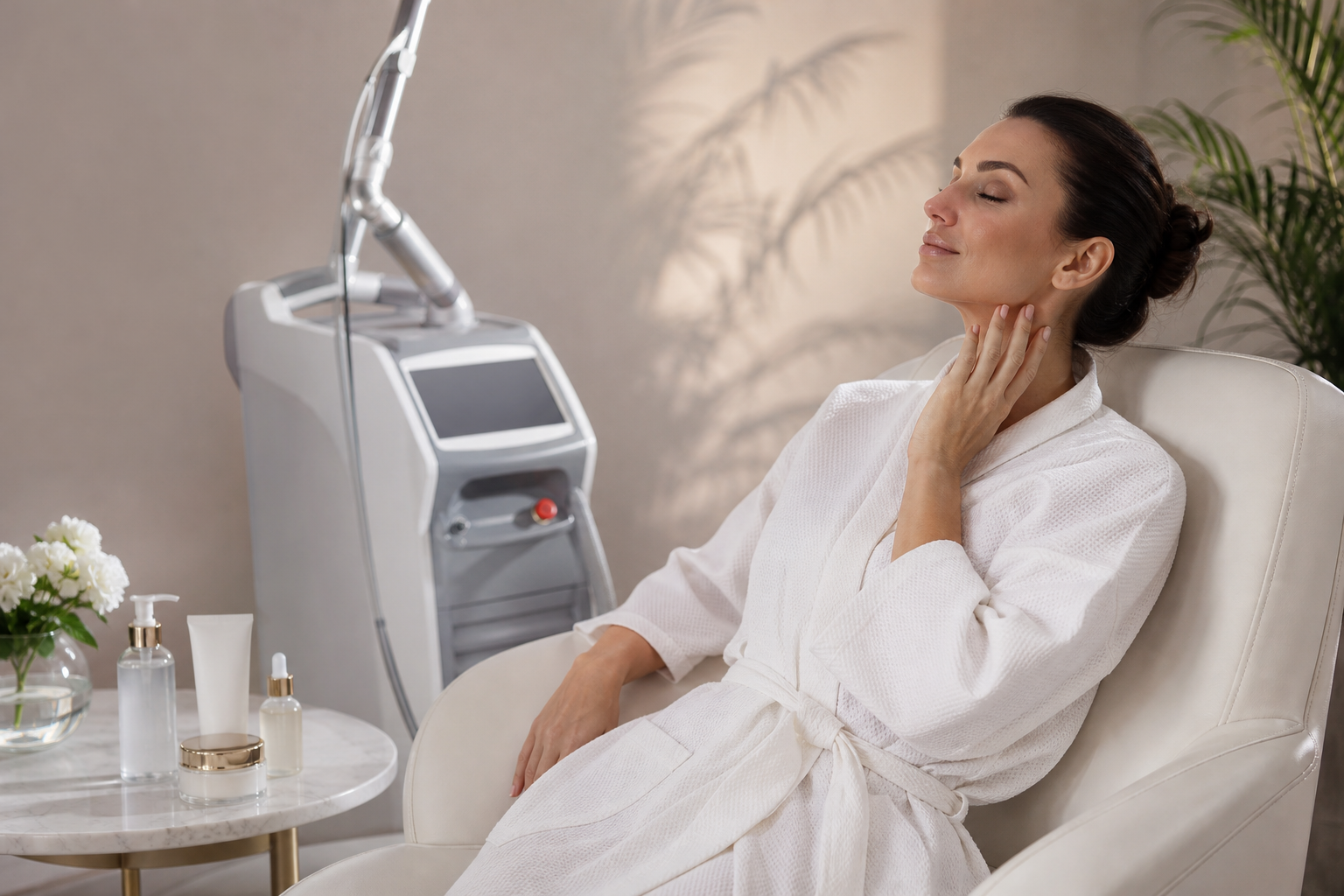
Laser skin tightening is a popular, non-invasive aesthetic procedure designed to rejuvenate the skin by stimulating collagen production and improving skin elasticity. This treatment utilizes targeted laser energy to gently heat the underlying layers of the skin, promoting natural tightening and a more youthful appearance without the need for surgery. For individuals seeking an effective alternative to invasive facelifts or skin lifts, laser skin tightening offers a promising solution that requires minimal downtime.
Understanding what to expect during the recovery phase is essential for anyone considering laser skin tightening. Recovery encompasses the process your skin undergoes after treatment, including any temporary changes, how to care for your skin properly, and the timeline for seeing results. Whether you are a first-time patient or someone exploring options to maintain skin firmness, having realistic expectations about recovery helps maximize treatment benefits and ensures a smooth healing journey.
Given the rise in popularity of laser procedures in the aesthetic treatments landscape, particularly for skin rejuvenation, it is crucial to explore the recovery process comprehensively. This article aims to provide an in-depth overview of what patients can expect after laser skin tightening, addressing common concerns and offering practical advice based on the latest advancements in laser technology and clinical practice.
What Happens to Your Skin Immediately After Laser Skin Tightening?
Immediately following a laser skin tightening procedure, it is common for patients to experience mild redness and a sensation similar to a sunburn. The laser energy heats the deep layers of the skin, triggering an inflammatory response intended to stimulate collagen remodeling but also causing temporary superficial irritation. This initial reaction varies depending on the specific laser technology used, treatment intensity, and individual skin sensitivity.
Some people may notice slight swelling, tenderness, and warmth in the treated areas, which typically resolve within a few hours to a couple of days. In general, there is little to no open wound or visible damage since the epidermis remains largely intact during most laser skin tightening treatments. This distinguishes it from ablative laser procedures that remove layers of skin and require longer recovery.
It is also common to experience some dryness or mild flakiness as the skin begins its natural healing process. While such effects can be alarming for first-time patients, they are usually temporary and signal that the skin’s collagen fibers are undergoing beneficial restructuring.
Who Is Best Suited for Laser Skin Tightening Recovery?
Laser skin tightening is appropriate for a wide range of individuals, especially those in their 30s to 60s seeking non-surgical methods to combat early signs of sagging, loss of elasticity, or mild wrinkles. The recovery profile is generally favorable compared to invasive surgical options, making it attractive to people who cannot afford extended downtime or those who prefer gradual, natural improvements rather than immediate dramatic changes.
Moreover, this treatment suits patients with overall good skin health and without significant skin disorders or active infections. Those with realistic expectations and willingness to follow post-treatment care instructions typically experience smoother recovery and better outcomes. It is also important to consider that recovery experience may differ among various skin types, with some individuals prone to higher sensitivity potentially needing extra caution and tailored aftercare.
Patients with darker skin tones should seek clinics experienced in laser skin tightening to minimize risks like hyperpigmentation or uneven skin tone during recovery. A qualified practitioner will adjust laser settings accordingly and provide comprehensive guidance to ensure a safe and effective healing process.
How Does Laser Skin Tightening Work to Promote Recovery and Rejuvenation?
The laser devices used for skin tightening deliver controlled thermal energy beneath the surface layers of the skin, sparing the outer epidermis from substantial injury. This process induces a mild inflammatory cascade, stimulating fibroblast activity responsible for producing collagen and elastin—crucial proteins that maintain skin strength and elasticity.
As collagen regenerates over the weeks following treatment, the skin gradually becomes firmer and smoother, reducing the appearance of sagging or fine lines. The recovery is not only about healing; it encompasses the biologic remodeling that leads to improved skin texture and tightness.
This mechanism underpins why laser skin tightening often requires a series of sessions spaced several weeks apart. The cumulative effect supports long-lasting rejuvenation without provoking excessive trauma that could complicate recovery.
What Are the Typical Recovery Timelines Following Laser Skin Tightening?
Recovery duration varies based on treatment intensity, device type, and individual healing response. Generally, mild redness and swelling subside within 24 to 48 hours post-treatment. Some patients may resume normal activities on the same day, while others might prefer to take a day or two for resting depending on their comfort.
Within the first week, any peeling or dryness should resolve with proper moisturizing and skin care. The visible skin may appear more radiant and tighter gradually over the subsequent 2 to 4 weeks as collagen remodeling progresses beneath the surface.
Clinics often recommend multiple sessions spaced about 4 to 6 weeks apart to achieve optimal results. Between treatments, maintaining a good skincare routine and protecting the skin from sun exposure is important to support recovery and enhance outcomes.
What Skin Care Practices Support Recovery After Laser Skin Tightening?
Post-procedure skin care is paramount to ensure optimal recovery and prolong the benefits of laser skin tightening. Immediately after treatment, avoiding harsh cleansers, exfoliants, and irritating products helps prevent additional stress on the skin. Gentle cleansing with lukewarm water and a mild, fragrance-free cleanser is advisable.
Hydrating the skin with soothing, non-comedogenic moisturizers aids in minimizing dryness and flakiness. Ingredients such as hyaluronic acid can support skin hydration without clogging pores.
Sun protection is critical during recovery since the skin’s sensitivity to UV rays increases after laser treatment. Broad-spectrum sunscreens with high SPF values should be applied daily, alongside physical barriers like hats and avoiding peak sun hours to prevent pigmentation changes.
Patients are generally advised to refrain from applying makeup for at least 24 hours post-treatment or until any irritation subsides. Additionally, avoiding strenuous activities that cause excessive sweating may help reduce the risk of inflammation during early recovery.
What Are Potential Side Effects and How Are They Managed During Recovery?
While laser skin tightening is considered safe, some side effects may arise, usually mild and transient. The most common include redness, swelling, temporary tenderness, dryness, and slight peeling. These effects typically resolve within days and are manageable with appropriate care.
Rarely, patients might experience more persistent hyperpigmentation or uneven skin tone, especially if sun protection is neglected during recovery. In such cases, dermatological advice is recommended to address pigmentation issues.
More severe complications like burns, blistering, or scarring are uncommon when treatments are performed by skilled professionals using modern laser systems. Prompt communication with your practitioner about any unusual symptoms during recovery helps ensure timely interventions.
How Should Patients Prepare for the Recovery Period Before Undergoing Laser Skin Tightening?
Proper preparation enhances both the treatment experience and recovery quality. Patients should avoid sun exposure and tanning beds for at least two weeks prior to laser skin tightening to reduce the risk of side effects. Discontinuing retinoids, exfoliants, or other potentially irritating skin products as advised by your provider also minimizes skin sensitivity on the day of treatment.
It is equally important to discuss all medications and medical history with your practitioner. Certain conditions or drugs may affect healing, requiring adjustments in treatment plans or post-care strategies.
Following pre-treatment instructions diligently sets the stage for a smoother recovery, lower complication risks, and better aesthetic results.
When Can Patients Expect to See Noticeable Results Post-Recovery?
Visible improvements from laser skin tightening tend to emerge gradually as new collagen forms and strengthens the dermal matrix. Most patients begin to notice subtle skin firmness and enhanced texture within 2 to 4 weeks after the initial session.
The cumulative effect of a series of treatments results in more pronounced tightening and wrinkle reduction over 2 to 3 months. Since this is a biological remodeling process, patience and adherence to follow-up schedules are key to achieving satisfying outcomes.
Regular maintenance sessions or complementary procedures, such as mild chemical peels or professional skin care regimens, may be recommended to sustain and enhance results long term.
What Are Common Questions Patients Have About Recovery From Laser Skin Tightening?
Is the recovery painful? Recovery is usually associated with mild discomfort resembling a sunburn sensation. Most patients tolerate it well with minimal need for pain relief.
Can I wear makeup right after treatment? It's best to wait at least 24 hours or until any redness diminishes before applying makeup to avoid irritation.
When can I resume regular physical activity? Light activities can often be resumed immediately, but strenuous workouts causing excessive heat or sweating should be avoided for a couple of days.
Will the treatment leave scars or marks? When performed correctly, laser skin tightening does not cause scarring or lasting marks.
How do I protect my skin after the procedure? Use gentle skincare, avoid sun exposure, and apply broad-spectrum sunscreen daily during recovery and beyond.


