Laser rejuvenation stands as a transformative approach within the realm of aesthetic dermatology, designed to revitalize aging skin and restore a fresher, more youthful complexion. By employing precise bursts of light energy, this treatment stimulates collagen production and aids in repairing surface damage, thereby enhancing skin texture, tone, and overall vitality. Yet, despite its growing popularity and technological advancement, one consistent observation remains: laser rejuvenation results differ markedly between individuals.
This variability in outcomes is not merely an anecdotal curiosity but a crucial consideration for anyone contemplating laser skin treatments. Understanding the factors that influence these differences is essential for setting realistic expectations, ensuring appropriate treatment selection, and optimizing results. This article addresses the nuanced question behind the title "Why Do Laser Rejuvenation Results Differ Between People?" providing a clear, evidence-based exploration tailored to prospective patients, dermatologists, and aesthetic professionals alike.
Addressing this topic holds significant clinical and practical importance. While laser rejuvenation encompasses a spectrum of technologies ranging from ablative to non-ablative lasers, their distinct mechanisms and applications inherently lead to variability in efficacy and recovery timelines. Moreover, individual skin characteristics, treatment parameters, and post-procedure care collectively shape the treatment response. This comprehensive analysis aims to dissect these components, furnishing readers with an informed perspective to guide their decisions and discussions surrounding laser skin rejuvenation.
What Is Laser Rejuvenation and How Do Ablative and Non-Ablative Procedures Differ?
Laser skin rejuvenation encompasses procedures employing focused light energy to target skin layers with the intent of inducing controlled dermal injury. This controlled injury stimulates the body's natural repair mechanisms, primarily through increased collagen synthesis, ultimately improving skin elasticity, reducing fine lines, pigmentation irregularities, and scars.
Two principal categories exist within laser skin rejuvenation treatments: ablative and non-ablative lasers. Ablative lasers work by removing (ablating) the outermost layers of the skin—namely the epidermis—and part of the dermis. This approach causes more substantial disruption and requires a longer recovery period but typically yields more dramatic results, particularly for pronounced skin irregularities such as deep wrinkles, significant sun damage, and scarring.
Conversely, non-ablative lasers penetrate the skin without destroying its surface, targeting deeper dermal layers to stimulate collagen production while preserving the epidermis intact. These treatments tend to have shorter downtime and pose lower risks but usually produce more subtle and gradual improvements. Understanding this fundamental distinction elucidates why patients undergoing these different methods experience diverse outcomes, both in visual results and recovery trajectories.
How Do Individual Skin Characteristics Influence Laser Rejuvenation Outcomes?
Each person’s skin possesses unique attributes shaped by genetics, environmental exposure, age, and lifestyle, all of which affect how skin responds to laser treatment. Skin type, color, and thickness play pivotal roles in determining the risk-benefit profile of various laser modalities and, ultimately, the effectiveness of the procedure.
For instance, individuals with lighter skin tones generally tolerate ablative procedures better due to lower melanin concentrations, which reduces the risk of post-inflammatory pigmentation changes. In contrast, those with darker skin types are more susceptible to complications like hyperpigmentation or hypopigmentation, and thus often require more conservative settings or non-ablative alternatives.
Beyond pigmentation, skin hydration, elasticity, and prior damage from sun exposure or trauma also influence laser energy absorption and tissue remodeling. Skin that is extensively photoaged or with significant collagen breakdown may exhibit a less robust regenerative response, rendering the improvement from laser treatment comparatively less pronounced or slower to manifest.
Furthermore, the skin’s ability to heal—affected by factors such as autoimmune conditions, smoking, nutritional status, and overall health—affects both the quality and duration of results. Consequently, personalized assessment before treatment is paramount to tailor laser parameters appropriately and set realistic expectations.
Why Is Choosing Between Ablative and Non-Ablative Lasers Fundamental to Treatment Results?
The decision to utilize an ablative versus a non-ablative laser hinges on a delicate balance of desired outcomes, patient candidacy, and tolerance for downtime and risk. Ablative lasers, by virtue of removing the skin’s surface layer, can achieve more substantial remodeling. They are often recommended for patients presenting with deeper wrinkles, significant scarring, or pronounced sun damage requiring intensive rejuvenation.
However, these benefits come with a notable recovery phase characterized by redness, peeling, and sensitivity, requiring vigilant wound care and sun protection. Patients unwilling or unable to accommodate this healing interval may find ablative treatments less suitable.
Non-ablative lasers provide a gentler alternative emphasizing gradual improvement and minimal downtime. They are appropriate for patients with milder signs of aging, those seeking maintenance treatments, or individuals who prioritize a rapid return to daily activities.
Given these factors, the choice between ablative and non-ablative lasers inherently influences treatment results, with ablative procedures typically yielding more dramatic initial effects but carrying greater risks, while non-ablative treatments deliver subtler benefits with higher safety and convenience profiles.
What Additional Factors Contribute to Variability in Laser Rejuvenation Success?
Besides individual skin characteristics and laser type, several interrelated factors contribute to the heterogeneity of outcomes in laser rejuvenation therapy. Notably, the expertise and technique employed by the treating clinician strongly affect safety and efficacy. Proper calibration of laser settings, understanding of skin response, and meticulous procedure execution are essential to maximize benefits while minimizing complications.
Post-treatment care also plays a critical role. Effective post-procedure management—including adequate skin hydration, meticulous sun protection, and avoidance of irritants—can profoundly influence both healing quality and longevity of results. Inadequate care can lead to delayed recovery, increased inflammation, and suboptimal appearance outcomes.
Furthermore, intrinsic biologic factors such as metabolic rate, immune function, and genetic predispositions determine how rapidly and effectively a person’s skin repairs itself after laser-induced injury. These are largely beyond modification but represent important variables explaining why two people undergoing the same treatment may have divergent experiences.
When and Why Should Patients Temper Expectations Regarding Laser Rejuvenation Outcomes?
It is imperative to recognize that laser rejuvenation is not a panacea capable of erasing all signs of aging or skin damage. The depth and nature of skin imperfections—ranging from fine lines to deep wrinkles, from surface discoloration to three-dimensional scarring—dictate the extent of achievable improvement through laser therapy.
Some patients may harbor expectations shaped by anecdotes or marketing that do not align with clinical realities. Those with more advanced aging or specific skin conditions might require adjunctive or alternative modalities, including surgical options or combined treatments, to achieve their aesthetic goals.
Clear communication between clinician and patient regarding realistic outcomes, potential risks, and the necessity for maintenance treatments is fundamental to satisfaction. Recognizing that laser therapy induces gradual changes and may necessitate multiple sessions further helps to moderate expectations and avoid disappointment.
How Does The Recovery Period Influence the Final Appearance After Laser Treatments?
The phase following laser rejuvenation is not merely recuperative time but constitutes an active period in which the skin remodels and repairs itself, profoundly affecting the ultimate result. Ablative laser recovery involves a more extensive healing process, marked by skin peeling, redness, and vulnerability to environmental factors, necessitating strict adherence to care protocols for optimal outcomes.
Improper management during this phase can prolong inflammation, increase scarring risk, and blur the precision of rejuvenation. Conversely, well-managed recovery maximizes collagen synthesis, promotes even skin texture, and enhances color uniformity.
Non-ablative lasers typically require shorter, more tolerable recovery periods, yet careful post-care remains essential to sustain results and prevent complications like pigmentation shifts.
What Steps Can Patients Take to Improve the Predictability and Success of Laser Skin Rejuvenation?
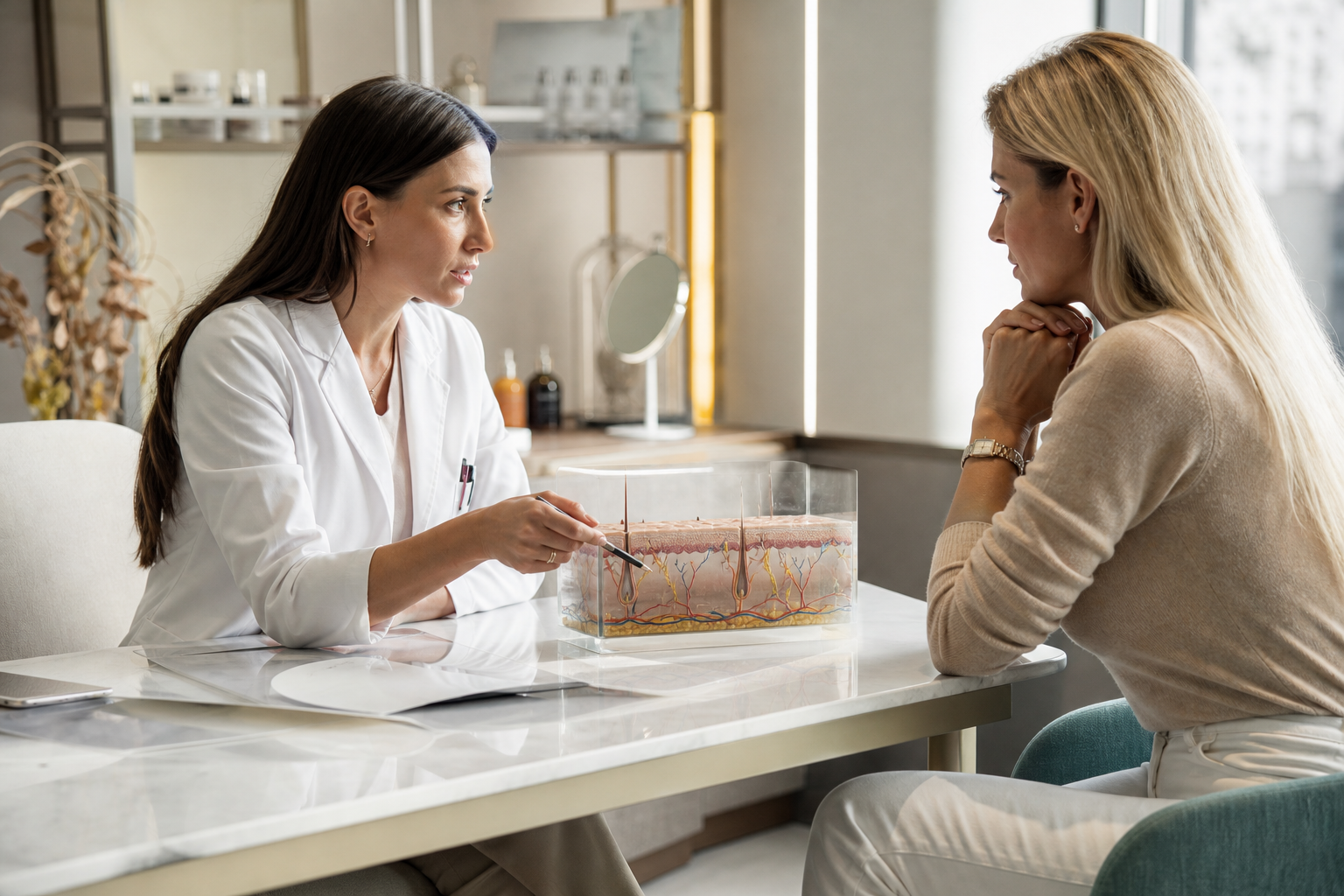
Successful laser skin rejuvenation begins with comprehensive consultation and skin evaluation by an experienced dermatology or aesthetic specialist. Detailed assessment allows for identifying the skin type, degree of photodamage, and suitability for various laser options.
Open dialogue about individual goals, lifestyle, and tolerance for downtime ensures treatment plans align with patient needs and produces more satisfactory outcomes. Discussing the anticipated number of sessions, gradual appearance of results, and maintenance strategies fortifies understanding and commitment.
Patients benefit from educating themselves using reputable sources and links to detailed guides such as Laser Skin Rejuvenation – A Complete Guide to Treatments, Results and Recovery and related literature that clarifies procedural nuances and post-treatment expectations. This knowledge equips them to engage proactively in their care.


