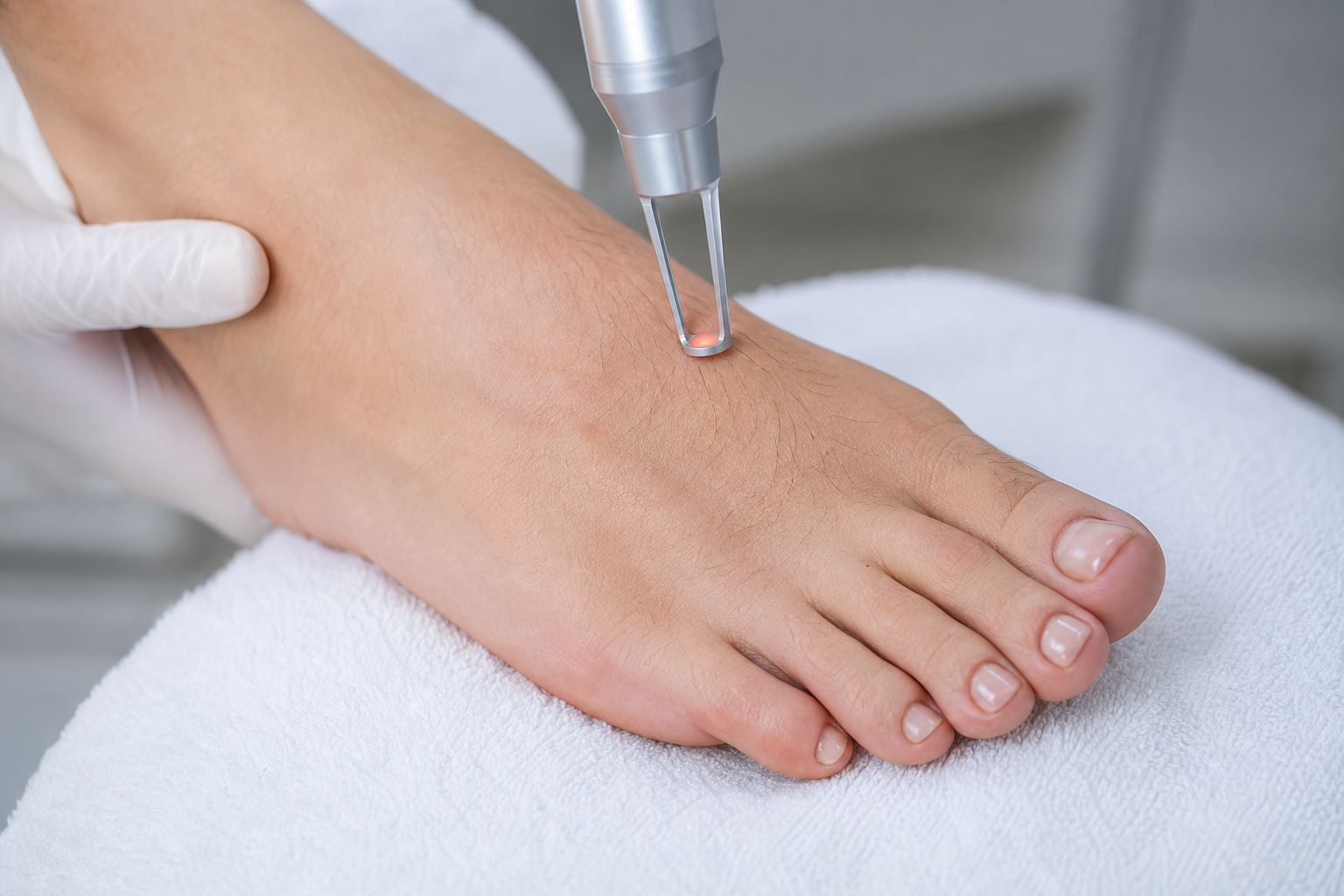
Foot and toe laser hair removal is a specialized subset of the broader laser hair removal treatments that focuses specifically on eliminating unwanted hair from the tops of the feet and toes. While laser hair removal is commonly associated with larger and more exposed areas such as underarms, legs, or arms, the feet and toes often require dedicated attention due to their unique anatomical characteristics. This area features a small, irregular surface, with hair follicles situated close to bony structures and thin skin, which makes the application of laser therapy both technically demanding and delicately nuanced.
This treatment is particularly suited for individuals who experience discomfort or dissatisfaction with hair on their feet—issues that can affect aesthetics, hygiene, and comfort, especially during warmer months when sandals or open shoes are worn. Foot and toe laser hair removal offers a pathway to long-lasting smoothness by addressing a frequently overlooked area, improving both appearance and tactile sensation when barefoot or in light footwear.
Understanding the intricacies of foot and toe laser hair removal is important for prospective patients who seek effective, safe, and comfortable treatments. This comprehensive exploration will elucidate the specifics of hair type and skin surface in this region, preparation guidelines, the laser apparatus and technique employed, post-treatment care, and realistic results one can anticipate. Furthermore, we will naturally reference related areas such as laser hair removal of the legs and arms to present a holistic view of body-specific laser treatments and to reinforce the relevance of foot and toe procedures within a wider regimen.
What Distinguishes Foot and Toe Laser Hair Removal from Other Body Areas?
Laser hair removal on the feet and toes diverges from treatments on larger, more uniform skin surfaces due to several anatomical and physiological aspects. The small, irregular contours of the foot require precision targeting to ensure each follicle is effectively reached without affecting the surrounding skin or sensitive bony prominences.
The skin on the dorsal foot and toes is often thinner and more delicate compared to limbs or underarms, and the proximity of underlying bones makes it imperative to apply the correct laser parameters. A practitioner must balance sufficient energy to disable hair follicles without transmitting excessive heat that could cause discomfort or injury, especially over areas where soft tissue coverage is minimal.
Hair characteristics in this region also vary. Typically, foot hair is finer and lighter than the coarse hair found on legs or arms. Since laser hair removal efficacy largely depends on the contrast between hair pigment and skin tone, finer and lighter hairs can present a greater challenge — necessitating the use of advanced laser devices capable of adjusting wavelength and energy settings tailored to these subtleties.
Furthermore, the functional aspect of foot hair removal cannot be underestimated. Hair can cause friction inside footwear, potentially leading to irritation and unpleasant sensations during walking, especially if the individual wears open-toed shoes or goes barefoot frequently. Eliminating hair in this region can enhance comfort and contribute to overall skin health by reducing irritation and sweat retention, key factors for this often overlooked but high-contact area.
Who Should Consider Laser Hair Removal for the Feet and Toes?
While foot and toe laser hair removal can be beneficial for many, it is particularly recommendable for individuals experiencing specific issues or desires:
1. Aesthetic Concerns: Some people feel self-conscious about visible hair on the feet and toes, especially when wearing sandals or open footwear. For such individuals, laser hair removal provides a clean, smooth look without the need for regular shaving or waxing.
2. Skin Sensitivity and Irritation from Traditional Methods: The feet are prone to irritation from razors, waxing strips, or depilatory creams due to sensitive skin and proximity to bone. Laser hair removal minimizes these issues by targeting follicles without physical abrasion.
3. Desire for Convenience and Longevity: Managing hair growth on toes can be tedious and inconvenient. Laser hair removal offers a long-term reduction, reducing the frequency and discomfort of hair maintenance routines.
4. Experience with Ingrown Hairs or Folliculitis: Waxing or shaving can provoke ingrown hairs on the feet, leading to inflammation or infection. Laser treatments reduce such risks by gradually diminishing hair growth without damaging the skin barrier.
Overall, candidates with darker hair and lighter skin tones often experience the best outcomes, but modern laser devices can accommodate a broad range of skin types with careful calibration. Consultation with a certified laser specialist is crucial to assess suitability and customize treatment plans accordingly.
How Does Foot and Toe Laser Hair Removal Work?
Laser hair removal operates on the principle of selective photothermolysis, where concentrated light energy targets melanin pigment in hair follicles. The laser light is absorbed by this pigment, converting into heat that disables the follicle’s ability to produce hair effectively.
In the context of the feet and toes, this process requires a highly precise approach due to the uneven surface and close proximity of bones. The laser applicator must be maneuvered carefully, targeting hairs without overheating surrounding tissue.
Advanced devices incorporate cooling systems to protect the epidermis and enhance patient comfort, particularly important over thin skin and bony areas. Additionally, pulsed laser settings allow energy delivery in controlled bursts to further safeguard sensitive structures.
Notably, the hair growth cycle plays a pivotal role: laser treatment only affects follicles in the anagen (active) phase. Since foot hair grows asymmetrically and more slowly than hair elsewhere, multiple sessions are necessary to capture all follicles during their active phases to maximize efficacy.
The typical protocol involves six to eight sessions spaced several weeks apart, during which patient feedback and follicle response are monitored to adjust treatment intensity and frequency as needed. Each session progressively reduces hair density, thickness, and growth rate, ultimately achieving long-lasting smoothness.
What Preparations Are Needed Before Undergoing Laser Hair Removal on the Feet and Toes?
Proper preparation is vital to ensure safety, minimize side effects, and enhance the treatment's effectiveness. Key steps include:
1. Avoid Waxing or Plucking Hair: Since these methods remove hair roots, it is essential to refrain from waxing or plucking at least four to six weeks before the procedure. Follicles need to be present for the laser to target.
2. Shaving Is Recommended: Patients should shave the target area 24 to 48 hours before the session, creating a smooth surface while preserving follicle integrity for laser penetration.
3. Skin Condition Requirements: The skin on the feet and toes must be free of wounds, inflammation, sunburn, or infections. Any skin issues should be addressed beforehand to reduce risks.
4. Sun Exposure: Exposure to UV rays should be avoided two to three weeks before treatment to prevent hyperpigmentation and reduce sensitivity. Use of broad-spectrum sunscreen is advised if sunlight exposure is unavoidable.
5. Clean Skin: On the day of treatment, the feet should be clean and devoid of lotions, oils, or perfumes, which can interfere with laser efficacy and increase the risk of complications.
Patients should also inform the practitioner about any medications they are taking, as certain drugs can increase photosensitivity. Furthermore, a brief consultation will assess skin type, hair characteristics, and medical history to tailor the session accordingly.
How Should One Care for Their Feet and Toes After Laser Hair Removal?
Post-treatment care is critical to support healing and optimize results. Since the skin may be sensitive and mildly inflamed after a session, consider the following guidelines:
1. Wear Comfortable, Breathable Footwear: Choosing open sandals or shoes made of natural materials helps minimize friction and allows the skin to breathe, reducing irritation.
2. Avoid Tight or Closed Shoes Initially: Wearing snug or enclosed footwear immediately after treatment can exacerbate redness and swelling due to heat and sweat buildup.
3. Keep the Area Clean and Hydrated: Gentle cleansing with mild soap and applying soothing, fragrance-free moisturizers or aloe vera gel can alleviate discomfort.
4. Refrain from Exfoliating or Using Harsh Products: Avoid scrubs, acids, or retinoids on the treated areas for at least one to two weeks to prevent aggravating the skin.
5. Limit Sun Exposure: The treated skin is vulnerable to UV damage; use sun protection or cover the feet when outdoors for several weeks post-treatment.
6. Postpone Intense Activities: Avoid excessive sweating from vigorous exercise or hot baths for 48 hours to prevent irritation or follicular infection.
Adhering to these recommendations not only preserves skin health but also enhances the longevity of hair reduction effects. Should any unusual symptoms such as excessive redness, blistering, or prolonged discomfort occur, prompt consultation with the treatment provider is advised.
What Realistic Outcomes Can One Expect from Laser Hair Removal on the Feet and Toes?
Understanding achievable results helps set appropriate expectations and fosters satisfaction with the process. Typically:
1. Gradual Reduction in Hair Density: With successive sessions, patients observe fewer hairs sprouting, and previously dense areas becoming sparser.
2. Finer and Lighter Hair Growth: Some hair that remains after treatment tends to be thinner and lighter, making it less noticeable.
3. Long-Lasting Smoothness: Many experience significant and lasting slowdown of hair regrowth, decreasing the need for frequent shaving or waxing.
4. Individual Variability: Responses can vary based on genetics, hair color, skin type, and adherence to treatment schedules. Darker, coarser hair and lighter skin typically produce the most pronounced results.
5. Maintenance Sessions: Occasional touch-up treatments may be necessary to sustain hair reduction effects over time.
Unlike transient methods such as shaving, laser hair removal offers a sustained and less labor-intensive approach, contributing to comfort and improved cosmetic appearance. However, it is important to note that a single session will not suffice; a multi-treatment regimen is essential to target hair at differing growth cycles effectively.
How Does Foot and Toe Laser Hair Removal Integrate with Treatments on Other Areas?
Laser hair removal is often approached as a comprehensive solution addressing multiple body parts. Integrating foot and toe treatment with procedures on legs, arms, or other areas can enhance overall grooming and skin care outcomes.
For instance, pairing foot laser hair removal with leg or arm treatments ensures uniform smoothness and aesthetic harmony, especially beneficial for individuals who prefer full limb grooming. Techniques and protocols for these regions align well; the practitioner can adjust device settings to different skin and hair types accordingly.
Additionally, understanding the similarities and differences in skin texture, hair distribution, and sensitivity across these regions helps customize patient care plans. Proper consultation and planning encourage efficient scheduling, reducing total treatment time and optimizing results across multiple zones.
Moreover, the lessons learned during foot and toe treatment—regarding skin sensitivity, preparation, and aftercare—are valuable when managing other anatomical sites subjected to laser hair removal, fostering a consistent and confident patient experience.
Addressing Common Questions About Foot and Toe Laser Hair Removal
Does the Laser Treatment Hurt on the Feet and Toes?
Most patients report mild discomfort described as a slight warming or tingling sensation. Due to the thin skin and underlying bone, certain areas may feel more sensitive; however, modern laser systems with cooling mechanisms usually ensure the procedure remains tolerable.
Can I Wear Closed Footwear Immediately After the Session?
It is advisable to avoid tight or closed shoes straight after the treatment to minimize irritation. Opting for open, breathable footwear allows the skin to recover more comfortably. If closed shoes are necessary, wearing them minimally and ensuring good hygiene can mitigate potential discomfort.
Is Laser Hair Removal Effective on All Skin and Hair Types?
Laser technology typically targets melanin, making it most effective on darker hair and lighter skin. Advances have enabled treatment of a wider range of skin tones, but very light hair (blonde, gray, or red) may respond less optimally. Consulting professionals will help determine the best approach.
How Long Is the Recovery Time?
Recovery is swift, usually within a few days to a week, during which transient redness or swelling may subside. Follow post-care instructions carefully to avoid complications.
How Often Should Treatments Be Scheduled?
Sessions are usually spaced four to eight weeks apart to align with hair growth cycles. A course of six to eight sessions is common for substantial results with possible maintenance visits thereafter.


