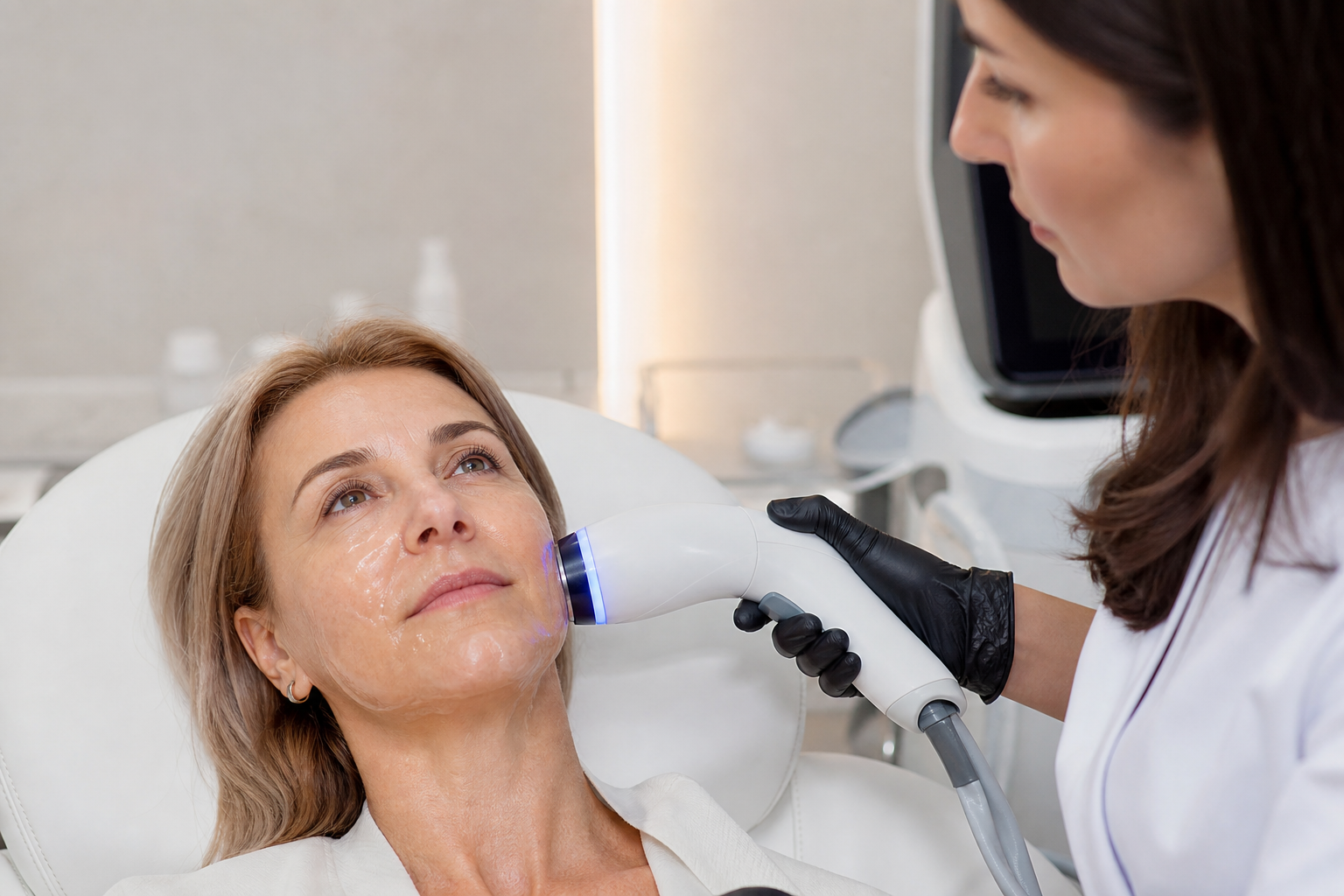
In the realm of modern aesthetic technologies, Radiofrequency (RF) treatment for mild facial skin laxity has emerged as a highly sought-after non-surgical method for facial rejuvenation. Targeting those who notice the initial signs of skin sagging, decreased firmness, or the earliest wrinkles, RF treatment offers a gentle yet effective solution to restore youthful tone without the need for invasive surgery. Unlike traditional facelifts, which require incisions, downtime, and recovery, RF skin tightening leverages radiofrequency waves to stimulate the skin’s natural regenerative processes. This approach allows patients to achieve subtle, natural-looking improvements that refresh and tighten the skin gradually.
Understanding the science and variety of RF treatments is essential for anyone considering this option. The technology works by gently heating the deeper layers of the skin, prompting fibroblasts to increase collagen and elastin production—key proteins responsible for elasticity and structure. With aging, these proteins diminish, leading to sagging and fine lines. RF therapy aims to counteract this decline by fostering skin remodeling and renewal.
This comprehensive editorial explores the mechanisms behind RF skin tightening, the different types of RF procedures available, the areas of the face best suited for treatment, expected outcomes, and the realistic benefits and limitations of this method. For individuals looking for a safe, non-invasive alternative to surgical facial rejuvenation, a detailed understanding of RF treatment for mild facial laxity is both practical and empowering.
What Is RF Treatment and How Does Radiofrequency Skin Tightening Work?
RF treatment, also known as radiofrequency skin tightening, is a non-surgical procedure that utilizes electromagnetic waves in the radiofrequency spectrum to generate controlled heat beneath the skin’s surface. This heat penetrates the dermis and sometimes the subdermal layers to stimulate the skin’s repair mechanisms.
Specifically, the heat activates fibroblast cells, which are responsible for collagen and elastin synthesis. Collagen provides structural integrity to the skin, while elastin ensures elasticity. As the natural production of these proteins wanes with age, skin loses its firmness, resulting in laxity and wrinkles.
During the RF procedure, devices emit radiofrequency energy through specially designed applicators placed on the skin’s surface. The temperature in targeted layers is carefully controlled to avoid damage while promoting collagen contraction and new synthesis. Existing collagen fibers contract instantly due to heat, leading to immediate skin tightening effects. More importantly, over subsequent weeks and months, the stimulation leads to remodeling of collagen, enhancing skin density, tone, and elasticity.
It is important to note that RF treatment is fundamentally different from surgical facelifts. While surgical methods physically lift and reposition skin through incisions, RF therapy encourages the skin to tighten naturally over time without cutting or removing tissue. The result is a subtle, gradual rejuvenation that preserves natural facial expressions and avoids the risks associated with surgery.
What Are the Various Types of RF Treatments and How Do They Differ?
RF technology has diversified into several procedural variations to accommodate different patient needs, skin conditions, and aesthetic goals. Understanding these variants helps identify the most appropriate treatment option for mild facial laxity.
Noninvasive RF Treatments: These are the least invasive RF procedures, utilizing applicators that move across the skin’s surface without penetrating it. The radiofrequency waves gently heat the skin layers without causing tissue injury. These treatments are often painless and require no downtime. They are ideal for patients seeking mild improvement or preventive skin tightening.
Fractional RF without Needles: This approach delivers targeted RF energy to microscopic zones within the dermis but does not breach the epidermis with needles. The energy concentrates in small pockets, creating microthermal zones that stimulate collagen renewal more intensively than fully noninvasive methods, yet spare the surface skin, minimizing recovery.
RF Microneedling: This minimally invasive procedure combines mechanical micro-injury via ultra-fine needles with concurrent RF energy delivery. The needles penetrate the skin to precise depths, transmitting RF energy into the dermis directly. This method enhances collagen induction and is effective for improving skin texture, firmness, and scars. It typically involves mild discomfort and short-term redness or swelling as the skin heals.
Minimal Invasive RF Procedures: These treatments utilize thicker needles or specialized probes to deliver RF energy into deeper layers, including subcutaneous fat and fibrous compartments. They can effectively target more significant laxity, such as in the jawline or double chin areas. Local anesthesia is commonly used to manage discomfort. Though not surgical facelifts, they require clinical expertise and provide more dramatic skin tightening than purely superficial treatments.
The choice among these RF methods depends on the degree of skin laxity, patient tolerance, targeted facial regions, and desired results. A skilled clinician evaluates each individual’s skin and aesthetic objectives to recommend the suitable approach.
Which Facial Areas Can Be Effectively Treated with RF Lifting?
RF treatments have versatile applications across several facial zones where mild to moderate laxity commonly appears. Understanding the target areas helps prospective patients align expectations with achievable outcomes.
Jawline and Lower Third of the Face: The jawline often becomes less defined due to skin sagging and fat accumulation. RF treatment can firm this area, enhancing contour and providing a more sculpted appearance without surgery.
Double Chin (Submental Area): Mild sagging or fatty deposits under the chin respond well to RF therapies. Noninvasive and minimal invasive RF treatments can reduce submental fat and tighten overlying skin, diminishing the “double chin” effect.
Neck and Décolletage: The delicate skin of the neck and chest is prone to early signs of aging, including looseness and fine lines. RF lifting in these regions stimulates collagen, restoring elasticity and smoothness.
Fine Lines and Wrinkles Around Eyes and Mouth Areas: RF treatments help reduce the appearance of small wrinkles by promoting dermal remodelling, supporting a refreshed and youthful look.
Skin Above the Lip: This area can benefit from RF procedures that promote skin tightening and reduce perioral lines.
With its ability to treat diverse facial zones gently, RF technology is adaptable to each patient’s unique anatomy and aging patterns.
Why Do Patients Opt for RF Lifting? The Main Benefits Explained
Patients considering skin rejuvenation often face choices between invasive surgery, injectables, lasers, and RF treatments. RF lifting offers a distinct combination of advantages attractive to those with mild skin laxity.
Non-Invasiveness and Low Risk: Since most RF treatments do not involve incisions or tissue removal, they present minimal risks of scarring or infection. This safety profile appeals to individuals wary of surgery.
Comfort and Convenience: Treatments are generally well tolerated, with mild sensations of warmth rather than pain. Additionally, no downtime means patients can resume normal activities immediately, a huge plus for busy lifestyles.
Natural and Gradual Results: Instead of dramatic, instant changes, RF technologies promote the skin’s own repair mechanisms for progressive improvement. This can avoid the artificial “overdone” look some fear with aggressive facelifts.
Improved Skin Texture and Tone: Beyond tightening, RF therapy enhances skin quality by promoting hydration, smoothness, and even pigmentation.
Versatility: Suitable for a wide range of skin types and ages, RF treatments can be adapted for face and body, making them flexible aesthetic solutions.
These benefits position RF lifting as a compelling, modern alternative for patients seeking subtle rejuvenation without the commitment of surgery or long recovery.
What Happens During an RF Treatment? Patient Experience and Procedure Details
An RF session is typically brief, lasting between 30 to 60 minutes depending on the area treated. Before starting, the practitioner cleans the skin and may apply a conductive gel to optimize energy delivery.
The device’s applicator is gently moved across the treatment area, emitting radiofrequency waves that generate controlled heat within the dermis. Patients usually feel a warm, soothing sensation; discomfort is minimal, especially with noninvasive treatments. For RF microneedling or minimal invasive variants, local anesthesia may be administered to enhance comfort.
Post-treatment effects are generally mild. Some patients experience slight redness, swelling, or a warm sensation lasting hours to a day or two, particularly with microneedling types. Importantly, no significant downtime is required, and normal daily activities can continue immediately.
Visible improvements develop gradually following sessions as collagen remodeling progresses. Multiple treatments spaced weeks apart enhance and sustain results.
Who Is the Ideal Candidate for RF Facial Skin Tightening?
RF treatments are best suited for individuals who notice early signs of aging that involve mild to moderate skin looseness and fine lines but do not have extensive sagging requiring surgery. Typical candidates:
- Adults experiencing decreased skin firmness along the jawline, neck, or mid-face.
- Those seeking to reduce early wrinkles especially around eyes and mouth.
- Individuals reluctant to undergo surgical facelifts for personal or health reasons.
- Patients who desire gradual, natural improvements without recovery downtime.
However, RF treatment is not appropriate for everyone. Patients with active skin infections, certain chronic conditions, or implanted electronic devices such as pacemakers should avoid RF therapies. Careful professional consultation is critical to assess suitability.
What Realistic Results Can Patients Expect from RF Treatment?
While RF therapy offers compelling rejuvenation benefits, it’s important to maintain realistic expectations. RF lifting does not replicate the dramatic, immediate effects of a surgical facelift. Instead, it delivers more subtle, progressive improvements:
- Enhanced skin firmness and elasticity, reducing mild sagging.
- Smoother skin texture with diminished fine lines and wrinkles.
- Improved facial contour, especially jawline definition and reduction of minor double chin.
These results vary based on individual factors such as age, skin condition, number of treatments, and post-treatment care. Typically, a series of 3-6 procedures spaced several weeks apart provide optimal outcome. To maintain benefits, patients are encouraged to continue skin health practices and periodic RF maintenance sessions.
Common Questions About RF Facial Lifting
Does RF treatment hurt? Most patients report only a warm, comfortable sensation. Minimal invasive versions may cause slight discomfort manageable with local anesthesia.
How many sessions are needed? Usually, 3 to 6 treatments are recommended for noticeable effects, though some notice improvements sooner.
Is there any downtime? Noninvasive treatments require no downtime. Mild redness or swelling after microneedling RF fades within a few days.
Is RF safe for all skin types? Generally yes, RF therapies are safe across skin types and seasons, but individual consultation is necessary to exclude contraindications.


