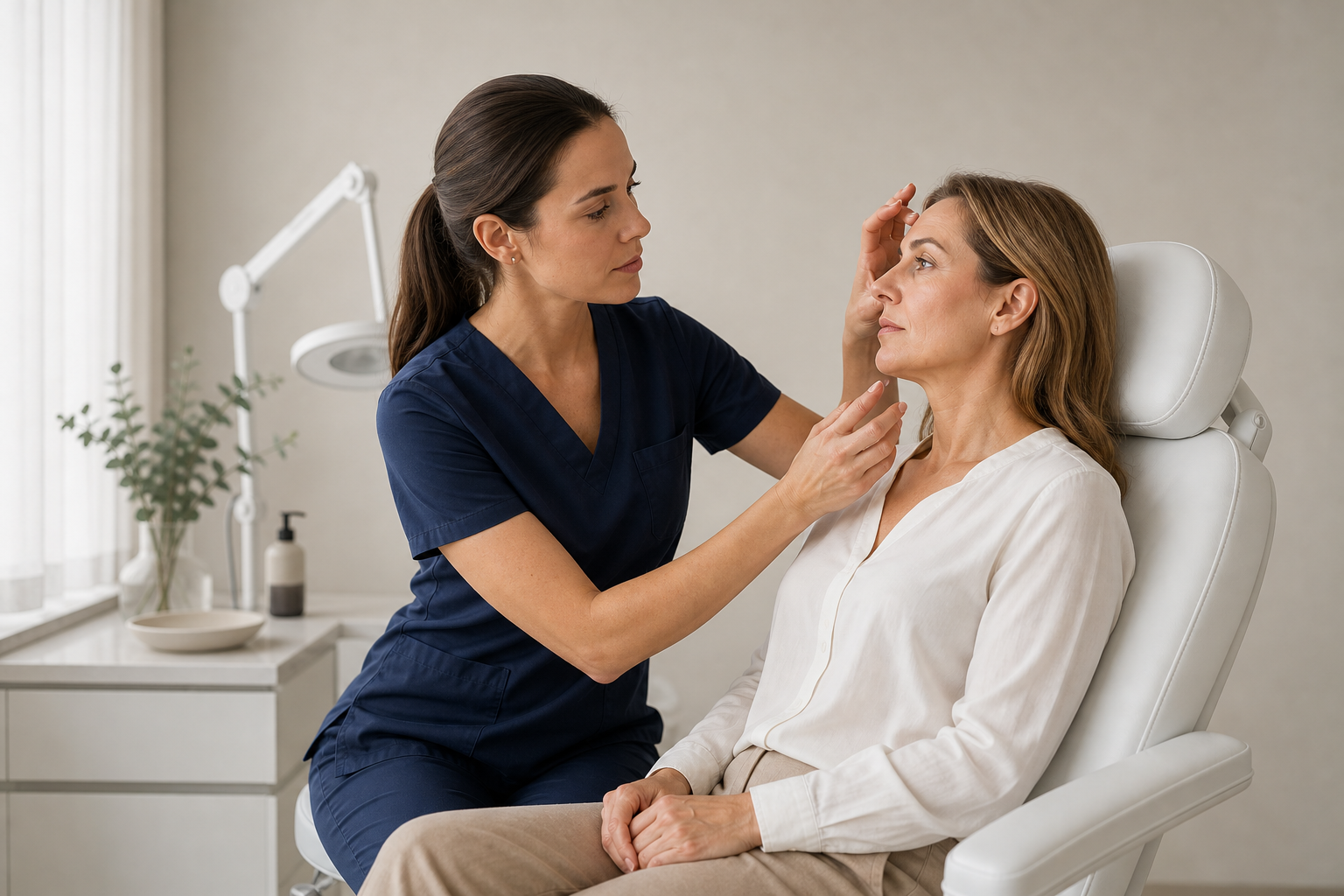
In recent years, Botox treatments have surged in popularity as a non-surgical solution to improve facial aesthetics and address signs of aging. Among its most sought-after applications are Botox injections around the eyes and eyebrows, areas prone to fine lines, wrinkles, and expression-related creases. These delicate zones not only reveal the passage of time but also significantly influence the overall facial expression, making Botox a favored choice for rejuvenation.
However, as with any medical procedure, understanding the potential side effects and complications is crucial. One concern that has gained attention is the relationship between Botox injections near the eyes and the development or exacerbation of dry eye symptoms. For individuals considering Botox for the eye and brow area, or for those who have experienced ocular discomfort following treatment, grasping this connection is essential for safety and satisfaction.
This article delves into the nuanced intersection of dry eye conditions and Botox treatments concentrated around the eyes and eyebrows. We explore how Botox functions in periorbital regions, why some patients might experience dry eye symptoms post-treatment, the safety considerations involved, and importantly, when it becomes necessary to consult a medical professional. By detailing these aspects, we aim to empower readers with expert information to make informed decisions regarding Botox and eye health.
The Mechanism of Botox in Periorbital Treatments and Its Impact on Tear Film Dynamics
Botox, scientifically known as botulinum toxin, is a neurotoxin that temporarily inhibits the transmission of nerve impulses to targeted muscles. By blocking acetylcholine release at the neuromuscular junction, it prevents muscle contraction, leading to relaxation of treated muscles. In cosmetic dermatology, Botox is primarily used to soften dynamic wrinkles—those formed by repeated facial movements.
When applied around the eyes, Botox targets muscles such as the orbicularis oculi, which controls eyelid closure and blinking. Relaxing this muscle can diminish crow’s feet wrinkles and contribute to “lifting” the brows, giving a refreshed appearance. However, blinking is also vital for maintaining ocular surface integrity by spreading the tear film evenly across the cornea and conjunctiva.
A reduced or altered blink pattern due to Botox may compromise tear film distribution, leading to localized evaporation of tears and dryness. Additionally, since Botox may influence muscles involved in lacrimal gland function, albeit indirectly, it can affect tear production volume. The delicate balance of tear production and distribution is therefore susceptible to disturbance after Botox treatments near the eyes, potentially resulting in symptoms characteristic of dry eye syndrome.
Recognizing Dry Eye Symptoms After Botox Around the Eyes
Dry eye disease encompasses a range of symptoms that can vary greatly in severity. Post-Botox, some patients might notice subtle alterations, whereas others could experience pronounced discomfort. Common early symptoms linked to dry eye include:
• Burning or stinging sensations: Frequently described as a gritty or sandy feeling, patients might feel as if something is lodged under their eyelids.
• Redness and irritation: A compromised tear film can cause mild to moderate inflammation of the ocular surface, visible as redness.
• Photophobia: Reduced tear protection leads to increased light sensitivity, making bright environments uncomfortable.
• Blurred or fluctuating vision: Inconsistent tear coverage on the cornea affects visual clarity, particularly noticeable during prolonged visual tasks.
Importantly, these symptoms can mimic or overlap with other ocular conditions and may not be solely caused by Botox. Environmental factors, preexisting dry eye disease, contact lens use, or systemic medications also contribute significantly and must be considered when evaluating post-treatment changes.
Patient Selection and Risk Assessment Prior to Periorbital Botox Treatment
Safety and efficacy of Botox injections depend heavily on careful patient selection and thorough pre-treatment evaluation. Providers should conduct a detailed medical and ocular history to identify risk factors that might predispose an individual to dry eye symptoms or other complications.
Key considerations include:
Previous adverse reactions to Botox: History of ocular irritation or dryness following prior treatments warrants cautious approach and tailored dosing.
Existing ocular surface diseases: Patients with chronic dry eye syndrome, blepharitis, or lacrimal gland dysfunction are at greater risk and may require alternative management plans or pre-treatment optimization.
Contact lens wearers: Since lenses can exacerbate dryness and irritation, these individuals should be advised about potential symptom intensification and possible temporary cessation around treatment.
Environmental and medicinal factors: Exposure to dry, air-conditioned, or polluted environments, as well as systemic medications like antihistamines or antidepressants that reduce tear production, influence risk profiles.
Such comprehensive assessment supports individualized treatment planning, mitigating risks while maximizing cosmetic outcomes.
Ensuring Safety Through Technique and Expertise in Botox Delivery Around the Eyes
The precision of Botox administration in the periocular region is paramount. Experienced clinicians are adept at identifying anatomical landmarks critical to avoiding diffusion of the toxin into sensitive areas that regulate tear dynamics and eyelid function.
Proper injection depth, dosing, and exact placement decrease the likelihood of affecting muscles involved in blinking or lacrimal gland stimulation. For example, injections placed too close to the lacrimal gland or in excessive quantities can disrupt tear production or distribution.
Furthermore, scheduling treatments in accredited facilities by board-certified dermatologists or ophthalmologists trained in aesthetic procedures ensures higher standards of care. Patient education regarding possible side effects and post-injection behaviors, such as avoiding rubbing the eyes, complements safe practice.
Identifying When to Seek Medical Evaluation Post-Botox
Most patients experience minimal or transient side effects after Botox, but vigilant monitoring is essential to detect and address problematic symptoms promptly. Medical consultation is recommended if symptoms persist beyond a few days or worsen, including:
Severe or continuous eye irritation: Discomfort that disrupts daily activities and is unresponsive to over-the-counter remedies.
Marked redness or swelling: Signs suggest potential inflammatory or infectious processes requiring professional intervention.
Visual disturbances: Blurred vision, double vision, or other changes in sight must be promptly evaluated to rule out ocular complications.
Poor eyelid function: Difficulty in proper eyelid closure or abnormal blinking can contribute to dry eye and needs timely management.
When these signs occur, an ophthalmologic assessment is vital to design an appropriate therapeutic strategy, which may include artificial tears, anti-inflammatory medications, or, rarely, modification of further Botox treatments.
Integrating Dry Eye Management With Cosmetic Botox Treatments for Optimal Patient Outcomes
For patients who desire both aesthetic enhancement and maintenance of ocular comfort, an integrated approach is ideal. Early identification and management of dry eye symptoms can prevent progression to more severe conditions, helping maintain both eye health and cosmetic benefits.
Recommendations include:
Routine use of lubricating eye drops: Preservative-free artificial tears can alleviate dryness, especially during the initial post-treatment period.
Optimized eyelid hygiene: Gentle cleansing routines minimize debris and inflammation contributing to tear film instability.
Adjustment of contact lens usage: Taking breaks or switching to glasses temporarily can reduce irritation.
Regular follow-up visits: Monitoring tear production and ocular surface status informs any necessary treatment adjustments.
This collaborative care model, involving both aesthetic practitioners and eye care specialists, fosters satisfaction and minimizes unpleasant experiences.
Patient Experiences and Realistic Expectations of Botox Impact on Dry Eye Symptoms
Patient feedback reveals that while some experience fleeting mild dryness after Botox near the eyes, most find symptoms manageable and temporary. A small subset may notice more pronounced discomfort, but with proper treatment and follow-up, significant problems are uncommon.
It remains essential for patients to hold realistic expectations: Botox is not without risks, and no cosmetic treatment is entirely free from side effects. Open communication with healthcare providers, informed consent, and understanding of potential ocular effects contribute to better outcomes.
Ultimately, many patients report satisfaction with improvements in appearance accompanied by minimal functional disturbances, lending confidence to ongoing utilization of Botox for eye wrinkle smoothing and brow lifting.


