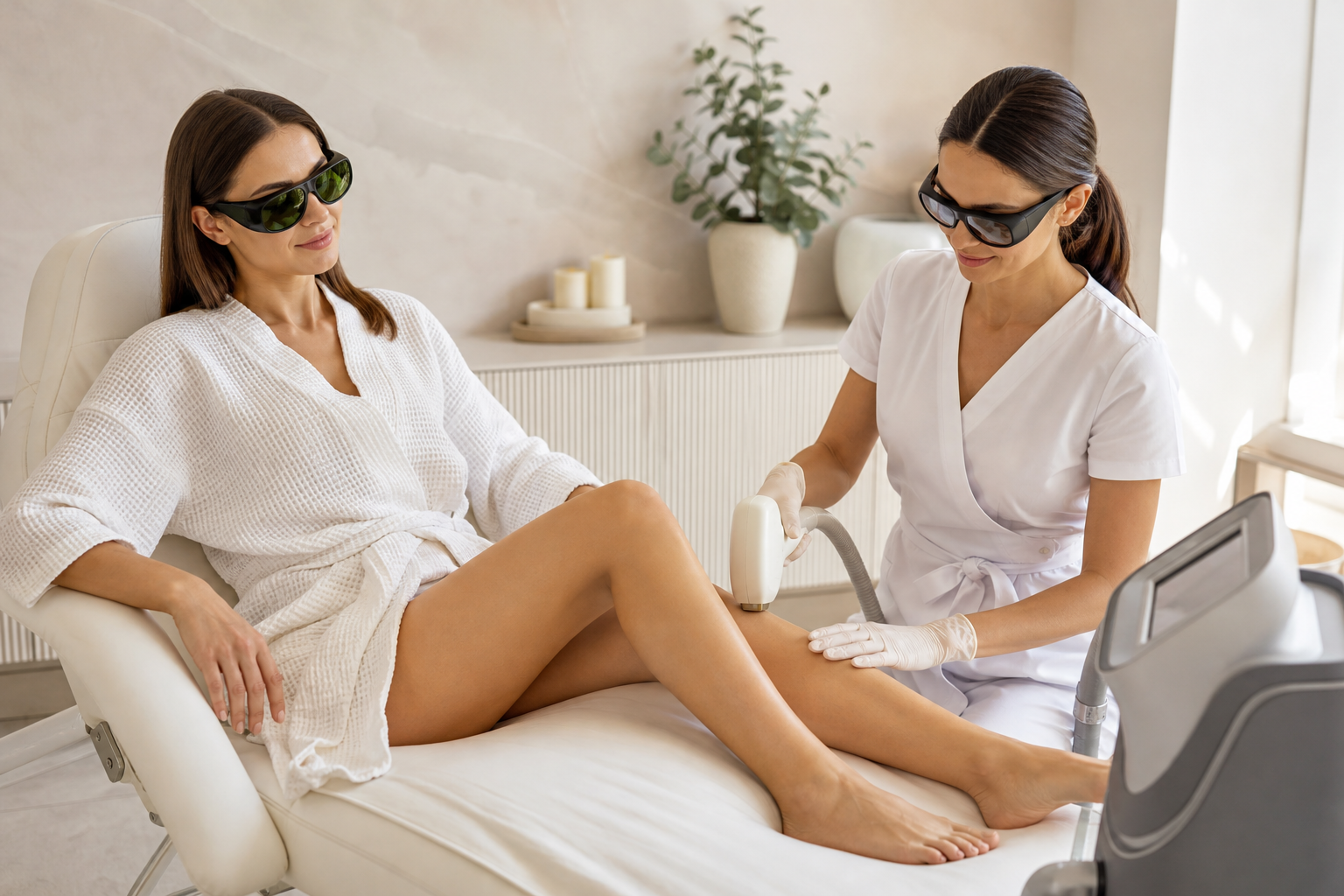
Laser hair removal represents a revolutionary approach in the realm of aesthetic treatments, offering a long-term solution for those seeking smooth, hair-free skin. As one of the most effective methods for reducing unwanted hair, it harnesses the power of concentrated light energy to target hair follicles. But what exactly happens to hair after laser hair removal? This question is essential for anyone considering the procedure, as understanding the process and its outcomes can help set realistic expectations and ensure optimal results.
Individuals ranging from those frustrated with traditional hair removal methods like shaving and waxing to those with sensitive skin prone to irritation often explore laser hair removal. Beyond its convenience, it promises a more lasting reduction in hair growth, enhancing skin's appearance and boosting confidence. This aesthetic treatment holds particular appeal for areas such as the legs, underarms, bikini line, and facial regions, where hair regrowth can be persistent and problematic.
Understanding what happens after laser hair removal is not only critical for choosing the right treatment plan but also for appreciating the bodily changes that occur post-procedure. This article delves deeply into the journey hair undergoes following laser sessions, the science behind hair follicle disruption, the timeline of hair reduction, and the expected sensations as the skin adjusts. Through a comprehensive exploration, readers will discover why laser hair removal stands out among cosmetic solutions and how it results in smoother, more radiant skin over time.
How Does Laser Hair Removal Affect the Hair Follicles?
To grasp what happens to the hair after laser hair removal, one must first understand the procedure's mechanism. Laser hair removal uses beams of highly concentrated light, which are absorbed by the melanin pigment in hair follicles. This absorption converts light energy into heat, which damages the follicle enough to inhibit or delay future hair growth while leaving surrounding skin unharmed.
The targeted destruction focuses primarily on hair follicles in the active growth phase, known as the anagen phase. At this stage, the hair contains the highest amount of melanin, making it most susceptible to the laser's effects. As a result, not all hair follicles can be treated effectively in one session since hair grows in cycles, necessitating multiple appointments for comprehensive coverage.
Post-treatment, the damaged follicles enter a resting phase and eventually shed the treated hair, leading to reduced hair density and finer regrowth. The precision of this method minimizes skin trauma and offers a progressive path toward long-term reduction or even permanent hair removal depending on various factors such as skin type, hair color, and hormonal influences.
What Is the Hair Shedding Process Like After Treatment?
Following a laser hair removal session, patients often notice a process called "shedding" or "dandruffing" of the treated hairs. Contrary to immediate hair loss, shedding unfolds gradually over one to three weeks. During this period, the hair within the treated follicles falls out naturally, pushed out by the damaged follicle.
This shedding phase is a sign of treatment efficacy rather than hair regrowth. It can sometimes be mistaken for hairs growing back; however, these hairs are loosening and exiting the follicle rather than emerging anew. Many report the sensation of stubble or hair appearing to grow before it sheds, which can be confusing but is a normal part of the process.
Understanding the timing and nature of shedding helps manage expectations and guides care strategies post-treatment. Avoiding waxing or plucking before sessions ensures the follicle remains intact for optimal laser absorption, while gentle exfoliation and moisturizing after sessions can support healthy skin and aid in comfortable shedding.
How Many Sessions Are Needed for Significant Hair Reduction?
The lifecycle of hair follicles means that multiple laser hair removal sessions are essential for best results. Typically, a series of 6 to 8 sessions spaced about 4 to 6 weeks apart is recommended. This spacing allows new hairs entering the active growth phase to be targeted effectively during subsequent treatments.
Factors influencing the number and frequency of sessions include hair color, density, skin tone, and the specific body area treated. Coarser, darker hairs absorb laser energy more efficiently, often responding more successfully. Conversely, finer or lighter hairs may require additional treatments or adjunctive methods for significant reduction.
Consistency in attending sessions and following advised intervals is crucial to disabling follicles during their active phases and achieving smooth skin. Patience is vital, as noticeable changes accrue cumulatively, and premature conclusions may overlook the full benefits laser hair removal offers over time.
What Changes Occur in Hair Texture and Density After Treatment?
One of the notable outcomes of laser hair removal is the transformation in hair texture and density. After several sessions, many individuals observe that regrowing hair becomes finer, lighter, and less abundant. This alteration results from partial follicle damage, which weakens the follicles’ ability to produce thick, robust hair strands.
Over the course of treatment, the cumulative effects often lead to a reduced total number of active follicles. This not only lessens hair density but also slows hair growth velocity, meaning hair takes longer to reappear post-treatment. The combination of softer, thinner hair and slower regrowth contributes to the feeling of smoother, hair-free skin in the treated areas.
It is important to recognize that complete hair eradication does not guarantee uniformity for all clients. Hormonal changes, genetic predispositions, and individual skin responses can influence outcomes. Nevertheless, laser hair removal significantly enhances hair management by diminishing the prominence and frequency of painful or unsightly hair growth.
Are There Any Skin Reactions or Sensations Linked to Hair Changes Post-Laser?
Following laser hair removal, the skin might exhibit certain reactions connected to the changes in hair follicles. Commonly reported sensations include mild redness, warmth, swelling, and sometimes a tingling or prickling feeling across the treated area. These effects generally resolve within a few hours to a couple of days as skin cells recover.
As hair follicles degrade, microscopic inflammation can occur, which is a typical physiological response during the healing process. Some patients may experience temporary folliculitis, where follicles become slightly inflamed, appearing as small bumps resembling razor bumps. Proper post-care, including avoiding sun exposure and using soothing creams, helps ease these symptoms.
The transition of hair shedding can sometimes cause mild itchiness or dryness; thus, hydration and gentle skincare routines are recommended to maintain skin comfort. Monitoring skin reactions ensures that any unusual or prolonged symptoms are promptly addressed by a qualified laser technician or dermatologist.
How Does Individual Skin and Hair Type Influence Post-Treatment Results?
The diversity of skin tones and hair types plays a significant role in the laser hair removal process and its aftermath. Darker skin tones contain more melanin, which can absorb laser energy not only in hair follicles but also in surrounding skin, demanding precision and specialized laser systems tuned to maximize safety and effectiveness.
Light-colored hair—such as blonde, red, or grey—has less melanin, making it less responsive to standard lasers designed primarily for darker hair pigmentation. Recent advancements, however, have introduced technologies and wavelengths better suited for these hair types, although achieving results might still require additional treatment considerations.
Individual variations in growth cycles also impact the timeline and extent of hair reduction. For example, vellus hairs (fine, peach fuzz-type hairs) respond differently from terminal hairs (thicker, pigmented hairs), influencing both the visual outcome and the perceived smoothness after treatment. Personalized consultation is key to tailoring expectations and treatment strategies according to these unique attributes.
What Should Patients Expect Immediately and Weeks After Laser Hair Removal?
Immediately following treatment, patients may notice mild erythema (redness) and a sensation akin to a mild sunburn. This is due to the laser’s heat effect on skin tissues and generally subsides quickly. Applying cold compresses and avoiding irritants can help ease discomfort during this initial phase.
In the days to weeks that follow, the treated hairs will begin their natural shedding, which is a central part of the hair removal mechanism. During this period, skin texture might feel slightly rough where hairs are loosening but will gradually smooth out as shedding completes. It is advisable to refrain from sun exposure, intense physical activity that induces sweating, or abrasive skin treatments to promote optimal healing.
Subsequent sessions should be scheduled as advised by the practitioner to target new hair growth effectively. Regular follow-up ensures that dormant follicles are addressed and that the progression toward desired hair reduction continues steadily.
How Does Laser Hair Removal Compare with Other Hair Removal Methods Post-Treatment?
Unlike shaving or waxing, which only remove hair temporarily and can provoke ingrown hairs or irritation, laser hair removal offers a reduction in the quantity and quality of hair over time. After laser treatments, the reduction in hair density and slowing of growth provide enhanced convenience and less frequent maintenance.
Traditional methods often cause trauma to the skin’s surface, whereas laser hair removal, when performed properly, targets hair at its root with minimal epidermal disruption. This leads to smoother skin and fewer complications such as bumps, redness, or follicle infections.
Although laser hair removal requires an investment in multiple sessions, the cumulative benefits surpass the inconveniences of daily or weekly hair removal routines, delivering a more permanent and aesthetically pleasing outcome for many.
How Can Patients Support Optimal Hair Reduction Results After Treatment?
Post-laser hair removal care plays a vital role in the success and comfort of the treatment. Patients are encouraged to avoid sun exposure and apply broad-spectrum sunscreen consistently to protect sensitive skin from ultraviolet damage. Hydrating the treated area with gentle, fragrance-free moisturizers aids in maintaining skin barrier integrity and soothing irritation.
Additionally, avoiding exfoliation or waxing in treated areas between sessions preserves hair follicles for laser targeting and prevents unintended skin trauma. Following the laser specialist's guidance regarding timing and skincare products ensures that each session builds effectively on the previous one for sustained hair reduction.
Patience and commitment to the treatment plan, combined with appropriate aftercare, maximize the likelihood of achieving smooth, long-lasting results that improve not only appearance but also skin health.
Can Hair Fully Regrow After Laser Hair Removal, and Why?
While laser hair removal offers substantial long-term hair reduction, it does not guarantee absolute permanent hairlessness in all cases. Hair regrowth might occur due to several factors, including incomplete follicle destruction, hormonal changes, and genetic predisposition. Some follicles may survive the treatment or regenerate over time, leading to new hair growth.
Hormonal influences, particularly in regions like the face or bikini line, can stimulate dormant follicles to restart hair production even after treatment. Age, medications, and medical conditions may also affect hair growth patterns, making occasional touch-up treatments advisable to maintain desired results.
Understanding this dynamic helps patients adopt realistic expectations and view laser hair removal as a highly effective hair management strategy rather than an absolute eradication method for everyone.


