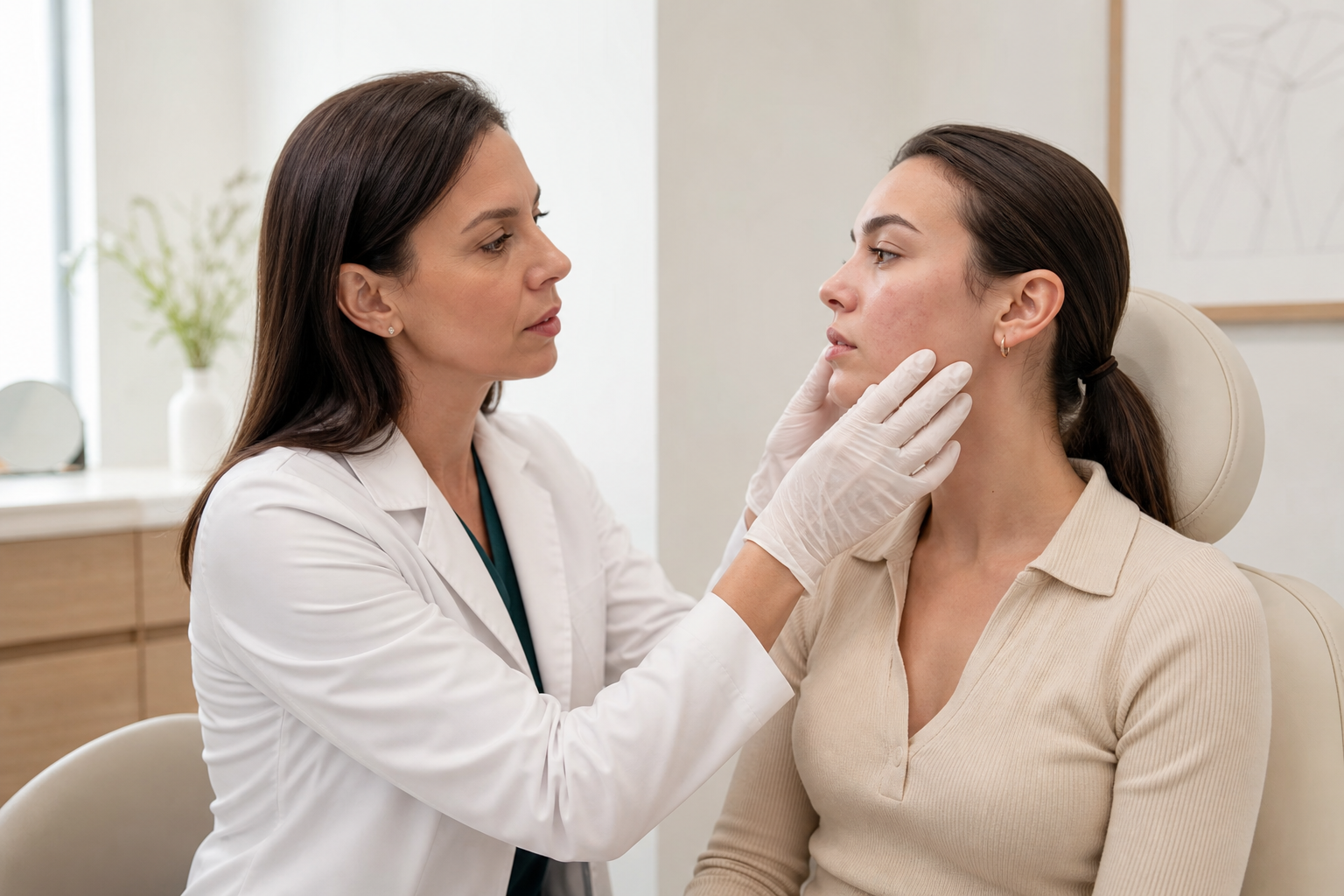
Facial redness is a common and often distressing skin concern that affects individuals across different ages and skin types. This redness manifests in two primary forms: temporary and permanent. Understanding the key differences between these types is essential not only for accurately identifying the underlying causes but also for determining the most effective management and treatment options.
Temporary facial redness may occur as a fleeting response to external stimuli or internal bodily reactions, often resolving on its own without lasting effects. In contrast, permanent or chronic redness usually indicates a deeper, more persistent condition, such as rosacea, dermatitis, or vascular damage, necessitating comprehensive dermatological care. Distinguishing between these forms is crucial for individuals experiencing facial redness, dermatologists formulating treatment plans, and anyone seeking to maintain or improve their skin's health and appearance.
This article aims to clarify the nuances of permanent versus temporary facial redness, exploring their causes, characteristics, treatment possibilities, and realistic expectations, particularly in the context of advanced laser and vascular treatments. It addresses why certain redness recurs even after interventions, and it emphasizes holistic approaches for skin care and management. This knowledge is valuable for readers wishing to make informed decisions about their skin health and for professionals aiming to educate patients accurately.
What Constitutes Temporary Facial Redness and Who Experiences It?
Temporary facial redness typically occurs as a transient physiological reaction, reflecting the skin's immediate response to various environmental, emotional, or physical triggers. It often presents as a diffuse or localized flush that appears suddenly and dissipates relatively quickly once the trigger subsides.
Common causes include exposure to extreme temperatures—such as a rush of warm air or cold wind—intense physical exertion, emotional stimuli like stress or embarrassment, and consumption of certain foods and beverages known to dilate blood vessels, such as spicy dishes or alcohol. Furthermore, allergic reactions or irritant contact dermatitis can induce temporary redness by provoking skin inflammation.
This form of redness is frequently observed in individuals with sensitive skin types who are more reactive to environmental factors or topical products. Although temporary redness is benign and resolves without intervention, it can still cause discomfort or self-consciousness, leading those affected to seek soothing skincare or lifestyle modifications to minimize flare-ups.
Key features of temporary redness include its sudden onset, confined duration, and lack of associated chronic vascular or inflammatory changes. The skin may feel warm, tight, or even slightly prickly during these episodes, but there are no persistent structural alterations beneath the surface.
Characteristics and Underlying Causes of Permanent Facial Redness
Permanent facial redness differs markedly from its transient counterpart. It signals the presence of chronic dermatological conditions that alter the skin's vascular system or inflammatory status over time. This redness is persistent, often accompanied by visible capillary dilation (telangiectasia), texture changes, and intermittent exacerbations.
The most emblematic cause of permanent facial redness is rosacea, a chronic inflammatory dermatosis predominantly affecting the central face, characterized by persistent erythema, flushing, papules, pustules, and visible blood vessels. Rosacea pathogenesis is complex, involving vascular dysregulation, immune system aberrations, microbial factors, and environmental triggers.
Other causes include various forms of dermatitis, notably seborrheic and contact dermatitis, which can maintain prolonged redness through ongoing inflammation and barrier disruption. Additionally, residual redness following inflammatory acne lesions—referred to as post-inflammatory erythema—can persist for months or longer, representing vascular damage in the dermis.
Individuals with permanent redness may experience symptoms such as burning, itching, or aching sensations in addition to the visual changes, emphasizing the inflammatory nature of the condition. Accurate diagnosis is pivotal to differentiate among these etiologies, as the therapeutic approaches diverge accordingly.
Demystifying Rosacea: Common Misconceptions and Realities
Rosacea is frequently misunderstood, leading to misconceptions about treatment outcomes and disease management. A prevalent myth is that laser treatments can provide a permanent cure for rosacea. While these procedures effectively reduce visible redness and telangiectasia by targeting superficial blood vessels, they do not address the fundamental inflammatory and immunological mechanisms driving the disease.
In reality, laser therapy serves as a valuable adjunct to a comprehensive management plan, which typically includes medical treatments such as topical metronidazole or azelaic acid, oral antibiotics, lifestyle modifications, and trigger avoidance. Rosacea is a relapsing condition, and even after successful laser interventions, redness may recur due to ongoing inflammatory activity and new vascular proliferation.
It is essential for patients and clinicians to recognize that rosacea management requires a long-term, multidisciplinary approach focused on symptom control, rather than eradication. Individualized care plans tailored to the severity and subtype of rosacea optimize outcomes and patient satisfaction.
Impact of Sensitive Skin and Dermatitis on Facial Redness
Sensitive skin is characterized by heightened reactivity to environmental, chemical, or physical insult, often presenting with episodic or chronic redness. Such skin is vulnerable to irritants, which provoke inflammation and subsequent redness that can range from fleeting to persistent.
Dermatitis, encompassing various forms such as atopic, seborrheic, and contact dermatitis, represents inflammatory processes that damage the skin barrier and elicit prolonged redness accompanied by scaling, itching, and sometimes discomfort. The chronicity of these conditions means that redness may remain visible over extended periods, blurring the distinction between temporary and permanent erythema.
Management involves identifying and avoiding triggers, using gentle skin care products designed specifically for sensitive skin, and, when necessary, applying anti-inflammatory medications prescribed by dermatologists. Unlike rosacea, dermatitis-related redness often responds well to restoring the skin’s barrier function and minimizing inflammation.
The Challenge of Post-Inflammatory Erythema Following Acne
Post-inflammatory erythema (PIE) occurs when the inflammatory lesions of acne damage underlying capillaries, causing persistent red marks on the skin long after the acne has healed. This condition creates aesthetic concerns and may contribute to psychological distress.
PIE differs from post-inflammatory hyperpigmentation in that it results from vascular changes rather than melanin deposition. The redness can vary in intensity and duration, often exacerbated by sun exposure and skin trauma.
Effective management can include topical agents to reduce inflammation, photoprotection, and vascular laser therapies designed to selectively target and diminish dilated blood vessels. However, patients must be counseled on realistic expectations since complete resolution can be slow and, in some cases, incomplete.
Role and Limitations of Laser Treatments for Facial Redness
Advancements in laser technologies have expanded treatment options for vascular-related facial redness. These treatments operate by delivering specific wavelengths of light absorbed preferentially by hemoglobin in blood vessels, causing targeted photocoagulation and vessel closure.
Common laser modalities include pulsed dye laser (PDL) and intense pulsed light (IPL), albeit IPL is a broad-spectrum light source rather than a true laser. These interventions can markedly improve the appearance of visible capillaries and diffuse redness, contributing to a more even skin tone and texture.
Nevertheless, it is critical to recognize the inherent limitations. Laser treatment does not cure the underlying disease processes such as rosacea or dermatitis. There is also a potential for recurrence as new vessels form or inflammation persists. Multiple sessions are often required, and the treatment course should be individualized based on skin type, condition severity, and response.
Post-treatment care, including sun protection and skincare adjustments, plays a significant role in prolonging the beneficial effects of laser therapy.
Understanding Why Facial Redness Can Return After Treatment and Prevention Strategies
The recurrence of redness following laser or other treatments can be perplexing and frustrating. Several factors contribute to this phenomenon:
First, failure to address the root cause of redness, such as underlying rosacea or skin barrier impairment, means that treating only the visible symptoms is insufficient to prevent relapse.
Second, ongoing or renewed exposure to aggravating factors—UV radiation, harsh skincare products, temperature fluctuations, certain foods, and stress—can reignite inflammation or vascular dilation.
Third, the natural aging process affects skin elasticity and vascular integrity, potentially facilitating the development of new redness over time.
To mitigate recurrence, a multifaceted approach is necessary. This includes medical therapies tailored to diagnosis, consistent daily skin care routines with gentle, barrier-supporting products, diligent sun protection, lifestyle modifications to avoid triggers, and periodic dermatological evaluations to guide maintenance treatments.
Setting Realistic Expectations: Coping with Facial Redness in Daily Life
Facial redness, whether temporary or permanent, can influence self-esteem and social interactions. It is important for affected individuals to cultivate a balanced perspective on treatment outcomes.
Complete elimination of redness is not always achievable, especially in chronic conditions. The goal should be to achieve substantial improvement in appearance and comfort while maintaining skin health.
Patient education about the nature of redness, trigger management, and treatment possibilities empowers individuals to participate proactively in their care. Supportive measures, including makeup techniques to camouflage redness and psychological support, may enhance quality of life.
Patience, commitment to ongoing care, and collaboration with dermatology professionals foster the best chances for sustained improvement.


