Laser hair removal has become an increasingly popular solution for those seeking a long-term reduction in unwanted hair growth. With its precise targeting of hair follicles using laser light, this method offers a more permanent alternative to traditional hair removal techniques such as shaving, waxing, or depilatory creams. However, the question often arises: how does the changing of the seasons affect the planning and safety of laser hair removal treatments? The calendar season itself—be it summer, winter, spring, or autumn—is not inherently a factor determining when to undergo laser hair removal. Instead, a host of other considerations come into play, including current skin tanning, recent UV exposure, the ability to protect treated areas from the sun, individual skin phototype, choice of laser device and settings, treated body area, travel plans, and adherence to clinic-specific instructions.
This comprehensive editorial guide aims to clarify what laser hair removal through the seasons entails, address common concerns, debunk misconceptions, and assist individuals in optimizing their treatment plans. Whether you are contemplating starting your laser hair removal journey or currently undergoing sessions and wondering how the changes in weather and daylight affect your progress, this article provides crucial insights grounded in scientific understanding and professional recommendations.
Recognizing that each individual’s skin type and lifestyle differ, and that no single season dictates a universal rule for laser hair removal, underscores the necessity of an individualized and informed approach. By delving into the nuances of seasonal influences—from the intensity of sun exposure in summer to the skin’s response to colder, drier winter air—this article will help you make deliberate decisions that align with both safety and efficacy, ensuring optimal results regardless of the time of year.
Understanding Laser Hair Removal and Its Sensitivity to Seasonal Factors
Laser hair removal operates by emitting concentrated light beams that are absorbed by the pigment (melanin) within hair follicles. This absorption converts light energy into heat, which damages the follicle and impairs its ability to produce new hair. The procedure’s effectiveness largely depends on the contrast between the color of hair and skin; dark hair on light skin usually yields the most favorable outcomes. The intricacies of this process, including laser wavelength, device specification, and settings, must be finely tuned according to individual characteristics.
While laser hair removal itself is not season-dependent, the skin’s condition significantly influences treatment safety and performance. Seasonal changes may affect skin hydration, sensitivity, and melanin levels, all of which interact with laser energy. For instance, excessive skin tanning or sunburn—common in summer—can increase the risk of adverse reactions such as burns, pigmentation changes, or irritation. Conversely, winter’s cold and dry conditions can lead to skin dryness and sensitivity, requiring careful moisturization and aftercare.
Therefore, the laser hair removal journey requires a dynamic approach that integrates seasonal skin responses with technical and clinical expertise, rather than an oversimplified calendar-based framework.
How Does Sun Exposure Impact Laser Hair Removal at Different Times of the Year?
Sun exposure is a pivotal factor in planning laser hair removal treatments. Ultraviolet (UV) radiation from the sun increases melanin production as the skin tans, gradually changing the optical properties of the epidermis. Since laser energy targets melanin, tanned skin absorbs more laser light, which might inadvertently affect the surrounding tissue, elevating risks of burns or unwanted pigmentation alterations.
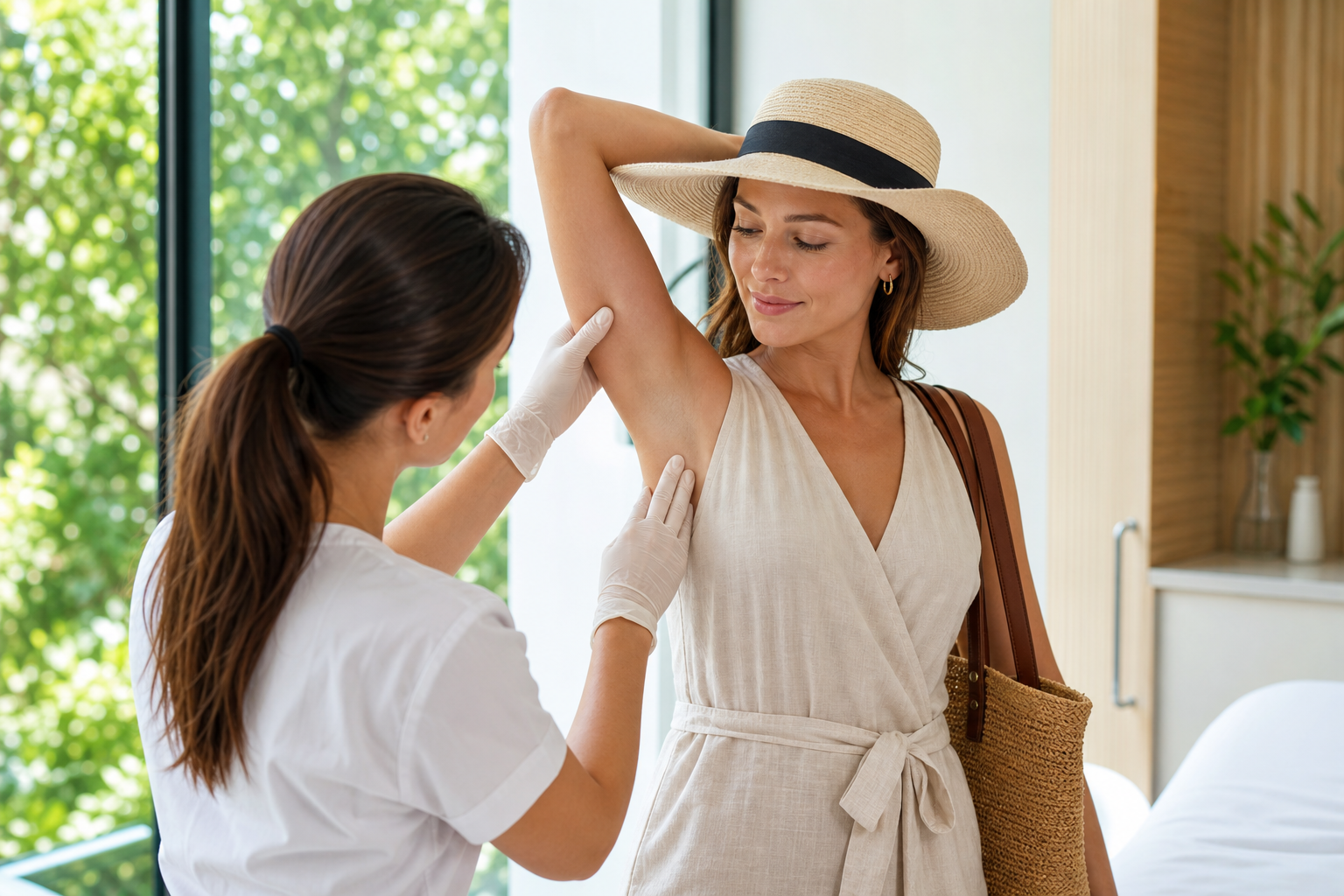
In the summer months—known for prolonged daylight and intense sun—skin is more prone to tanning and sun damage. Patients may need to pause or postpone treatments if their skin is too dark or recently sunburned. Dermatologists often recommend avoiding direct sun exposure for at least two to four weeks before and after each treatment session, and advise rigorous use of broad-spectrum sunscreen with high sun protection factors (SPF). Protective clothing and shade are also integral to minimizing UV impact on treated areas.
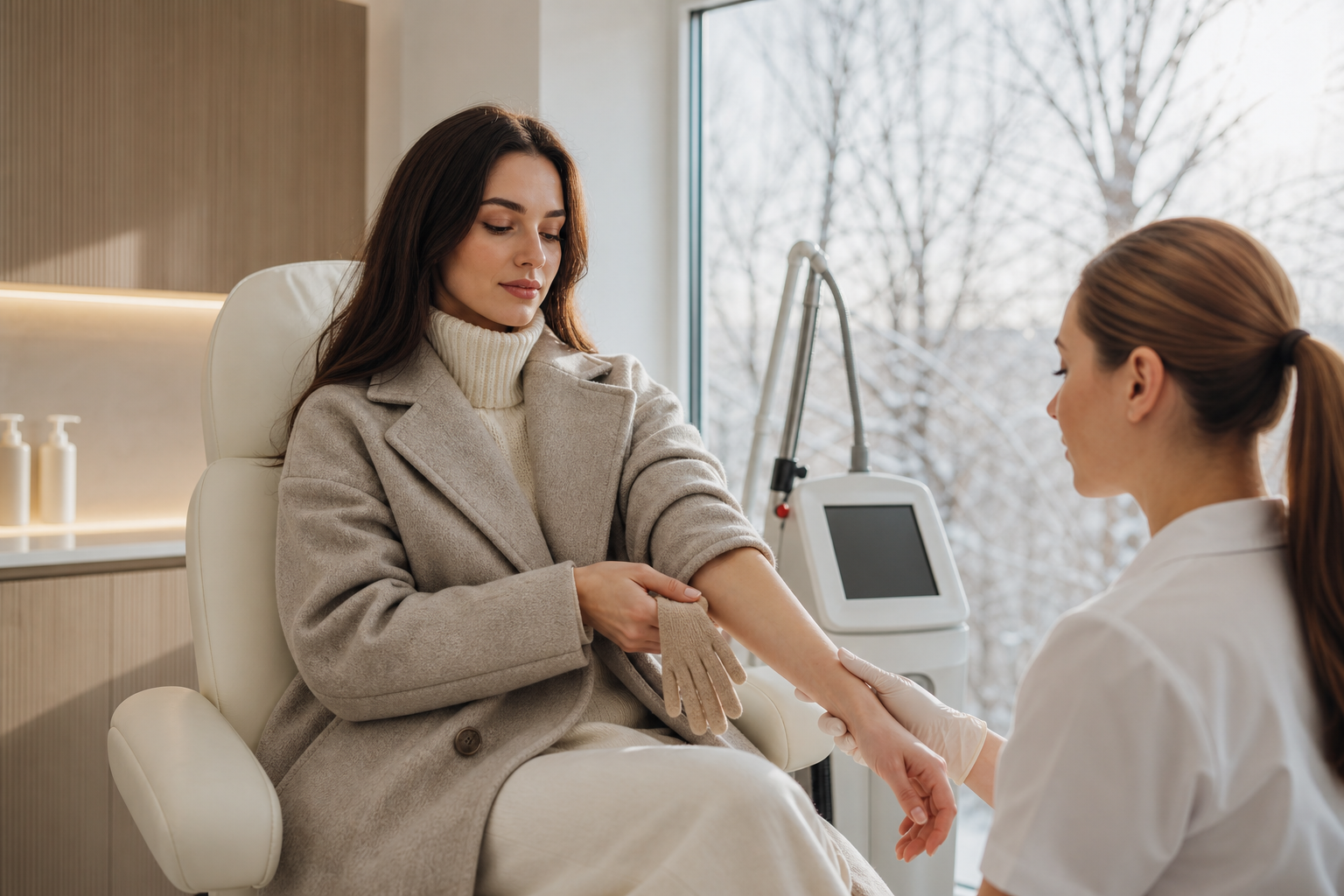
In contrast, winter typically offers natural respite from frequent sun exposure. Clothing tends to cover more skin, reducing UV exposure, which can make it easier to undergo laser sessions without the complications linked to tanning. Nevertheless, the winter’s lower humidity levels can challenge skin integrity, making hydration and gentle skincare essential for post-laser recovery.
Failing to account for sun exposure—regardless of season—can compromise laser treatment outcomes and skin health, emphasizing the necessity of personalized protective strategies and scheduling adapted to individual lifestyles and environments.
Are Tanning Beds and Artificial UV Sources Safe Before or After Laser Treatments?
The use of tanning beds and other artificial UV sources prior to or after laser hair removal is generally discouraged by experts in the field. These devices emit concentrated UV radiation, typically more intense than natural sunlight, and can dramatically increase skin melanin levels. Exposure from tanning beds complicates laser treatments by increasing the risk of skin damage, burns, and pigmentation irregularities.
Clinics typically recommend abstaining from tanning beds for at least four weeks before initiating laser hair removal and during the entire course of treatment. The goal is to maintain stable and untanned skin conditions to allow the laser to safely and accurately target hair follicles without unnecessary harm to the surrounding skin.
Post-treatment, the skin remains particularly sensitive, rendering it more vulnerable to UV-induced injury. Patients are advised to avoid tanning beds indefinitely for a period advised by their clinic. Instead, embracing sun-safe habits and skincare routines fortify the healing process and optimize treatment results.
Planning Laser Hair Removal Treatments Around Water Activities and Climate Variations
Swimming in the sea or using chlorinated pools are popular leisure activities, especially during warmer months. However, the skin’s interaction with saltwater, chlorine, and other pool chemicals post-laser hair removal requires careful consideration. Saltwater can exacerbate dryness and irritation in freshly treated skin, while chlorine, used as a disinfectant in pools, might provoke allergic reactions or aggravate existing sensitivities.
Further complicating matters is exposure to sunlight reflected off water surfaces, which intensifies UV radiation exposure and heightens risk. Clinics often recommend waiting several days after treatment before swimming or prolonged water exposure to allow the skin to recover and reduce inflammatory reactions.
Climate variations also influence aftercare: the summer heat can cause sweating and friction from clothing, potentially irritating treated areas, while cold winter air can dehydrate skin, necessitating vigilant moisturization. Understanding these seasonal environmental factors and following specific care guidelines are integral to ensuring skin health and maximizing laser hair removal efficacy.
Is There an Optimal Season to Start or Continue Laser Hair Removal Treatments?
The concept of an 'ideal season' to begin laser hair removal is often oversimplified. While many believe winter is the safest period due to lower sun exposure, this is not an absolute rule. Patients can successfully start or continue treatments in any season, provided individual skin conditions and precautions are addressed.
Starting treatment in cooler months may offer advantages such as easier sun protection and less risk of tanning-related complications. That said, beginning during spring or even summer is feasible if the skin is untanned and well-protected, and the clinical team provides tailored guidance.
Importantly, laser hair removal requires a series of sessions spaced over weeks to months to target hair growth cycles effectively. Therefore, patients should plan their treatment course well in advance of major events or vacations, regardless of the season. Effective scheduling must consider factors such as travel plans, outdoor activities, and anticipated sun exposure to facilitate uninterrupted treatment progression and optimal results.
How Does Skin Phototype Influence Seasonal Laser Hair Removal Safety and Outcomes?
Skin phototype, classified according to the Fitzpatrick scale, describes the skin's response to UV radiation and inherent pigmentation levels. Phototypes range from very light, often burning easily (Type I), to very dark, rarely burning (Type VI). This classification is essential in laser hair removal for calibrating laser parameters and anticipating skin reactions.
Individuals with lighter phototypes generally have lower baseline melanin and may tolerate laser energy differently than those with darker skin tones. Those with darker skin require lasers with longer wavelengths designed to bypass epidermal melanin and selectively target hair follicles while minimizing epidermal damage.
Seasonal factors interact with phototype by influencing skin tanning behavior. For example, light skin that tans poorly may remain relatively consistent year-round, while medium to darker phototypes may experience significant melanin fluctuations with seasonal sun exposure. This dynamic necessitates careful assessment before each treatment session to adjust laser settings accordingly and determine treatment feasibility.
What Are the Essential Aftercare Considerations Following Laser Hair Removal Through Different Seasons?
The period following laser hair removal is critical for skin recovery and safeguarding the treatment benefits. Aftercare protocols vary subtly depending on seasonal environmental factors but share core principles aimed at protecting the skin and promoting healing.
Immediately after treatment, the skin may exhibit redness, mild swelling, or sensitivity. Cool compresses and gentle moisturizing can alleviate discomfort. Avoiding hot baths, saunas, and activities that induce excessive sweating helps prevent irritation and infection risk.
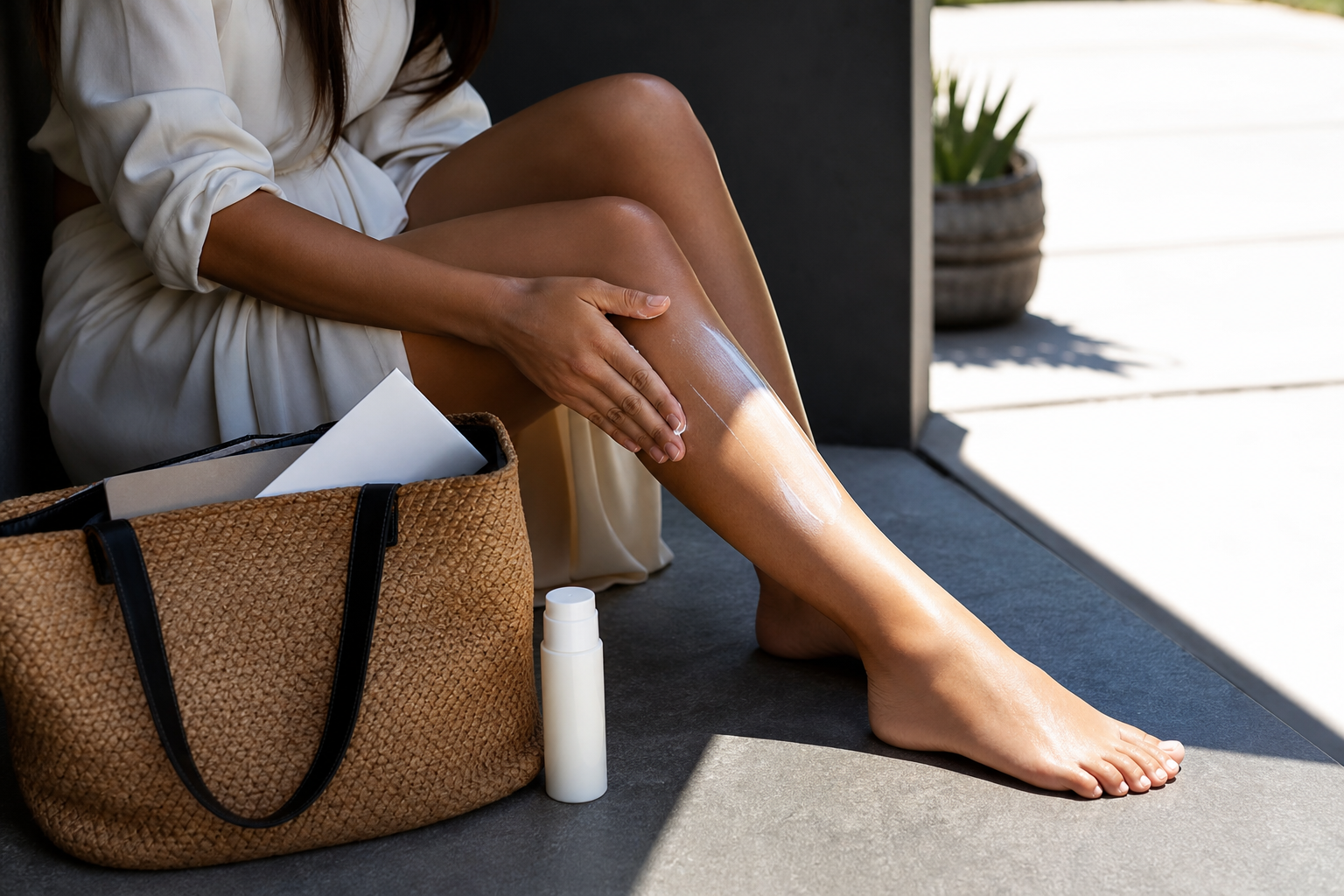
During warmer months, diligent sun protection is paramount. Patients should use high-SPF sunscreens, wear protective clothing, and limit direct sun exposure, especially between 10 a.m. and 4 p.m. to minimize UV-related complications. Hydrating the skin is also critical to compensate for moisture loss caused by heat and sunlight.
In colder months, skin hydration becomes even more essential due to dryer air. Using emollients, avoiding harsh soaps, and maintaining indoor humidity support skin barrier function and comfort post-laser. Additionally, minimizing friction from heavy fabrics or tight clothing prevents mechanical irritation of treated areas.
Should Seasonal Travel Plans Influence Laser Hair Removal Scheduling?
Travel considerations are a practical element in laser hair removal planning, as varying climates, sun exposure levels, and activities can affect treatment safety and effectiveness. Those traveling to sunny destinations may face heightened UV radiation, necessitating postponement or modification of treatments. Similarly, trips involving swimming or exposure to saltwater or chlorinated pools require coordination with aftercare protocols.
Communicating travel intentions with your laser technician or clinic is vital. Many clinics will tailor treatment intervals, advise on protective measures, and, if needed, recommend suspending sessions to prevent adverse effects during travel periods. Thoughtful planning helps maintain continuity in treatment while minimizing risk and ensuring patient comfort.
Are There Risks Associated with Ignoring Seasonal and Skin Condition Factors During Laser Hair Removal?
Neglecting to consider current skin conditions, sun exposure history, or seasonal environmental factors can significantly increase risks during laser hair removal. Tanned or sunburned skin exposed to laser energy is vulnerable to burns, blistering, hyperpigmentation (dark spots), or hypopigmentation (light spots). Inadequate skin hydration or exposure to friction and heat post-treatment may exacerbate sensitivity, delay healing, or cause infections.
Furthermore, inappropriate laser settings applied without considering phototype, tanning status, or body area can lead to suboptimal results and increase downtime. This highlights the importance of receiving treatments from certified professionals who perform thorough consultations, adjust parameters accordingly, and provide individualized aftercare instructions.
How Can Patients Maximize the Effectiveness of Laser Hair Removal Throughout the Year?
Maximizing laser hair removal outcomes throughout the seasons involves a holistic approach centered on personalized treatment plans, adherence to protective measures, and consistent communication with healthcare providers. Key strategies include:
1. Pre-treatment preparation: Avoid sun exposure, tanning beds, and harsh skincare products for the recommended period before sessions.
2. Scheduling: Plan treatments well in advance to accommodate intervals between sessions and lifestyle activities.
3. Sun protection: Employ broad-spectrum sunscreens and physical barriers to minimize UV impact throughout the laser course.
4. Aftercare: Use soothing and hydrating products, avoid irritants, maintain hydration, and heed clinic instructions diligently.
5. Monitoring skin response: Report any unusual side effects or skin changes promptly to professionals for timely intervention.
By embracing these guidelines, patients can navigate seasonal challenges confidently while improving the probability of achieving smooth, hair-reduced skin.