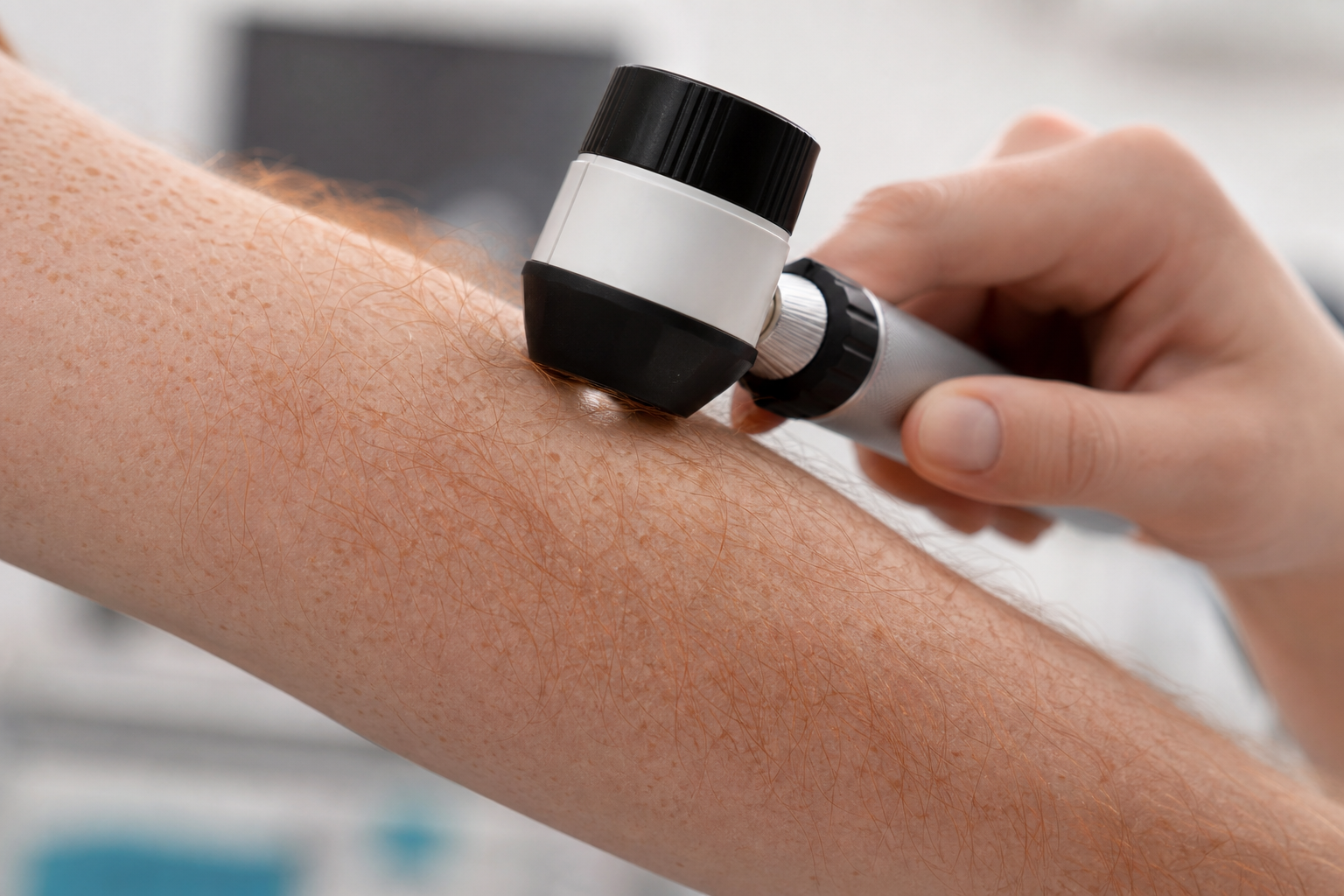
Laser hair removal is widely regarded as one of the most effective and enduring methods for reducing unwanted hair. It works by targeting hair follicles with concentrated light energy, ultimately impairing their ability to produce new hairs. While this technology has revolutionized aesthetic treatments, its efficacy is not uniform across all hair types and colors. One of the more challenging hair colors to treat with laser technology is red hair, characterized by a distinctive pigmentation that influences the way laser energy interacts with the follicle.
For individuals with red hair—ranging from deep auburns to lighter strawberry hues—understanding the nuances of laser hair removal is crucial. This topic is significant not only for those considering treatment but also for clinicians and aesthetic professionals who aim to deliver customized, safe, and effective hair removal solutions. The variability in response rates and occasional unpredictability tied to red hair requires a deeper look into the underlying biological factors that influence treatment outcomes.
This editorial will illuminate the science behind why red hair often responds poorly or inconsistently to conventional laser hair removal, focusing particularly on its pigment composition, specifically the role of pheomelanin. We will also examine why device names or even wavelength variations don't guarantee results, stressing the importance of expert assessment, judicious use of test treatment areas, and exploring viable alternatives like electrolysis. Our goal is to equip readers with a comprehensive understanding to make informed decisions tailored to their unique hair removal needs.
What Distinguishes Red Hair’s Pigmentation and Its Impact on Laser Hair Removal?
To grasp why red hair presents unique challenges in laser hair removal, one must first understand the biology of hair pigmentation. Hair color primarily depends on the type and concentration of melanin within the hair shaft. Melanin, the natural pigment responsible for coloration in human hair, skin, and eyes, exists mainly in two forms: eumelanin and pheomelanin.
Eumelanin is the dark pigment prevalent in black and brown hair, characterized by its efficient absorption of laser wavelengths commonly used in hair removal. This absorption is critical as it enables the laser energy to convert into heat, damaging the hair follicle to prevent regrowth.
On the other hand, red hair primarily contains pheomelanin, a lighter pigment that imparts shades from fiery red to auburn. Pheomelanin has distinct optical properties—it absorbs laser light much less effectively at the wavelengths typically employed in laser hair removal. This characteristic means that when lasers target red hair, much of the energy passes through without generating sufficient heat to disable the follicle.
In addition, the spectrum of ‘red hair’ is broad. Variations from a pale, golden red to vibrant copper or deep auburn hues reflect different balances and concentrations of pheomelanin and eumelanin. This heterogeneity contributes to inconsistent treatment results as laser devices may only be partially compatible with the specific pigment profile in the hair.
How Does Laser Hair Removal Mechanistically Interact with Hair Pigment?
Laser hair removal devices emit light at specific wavelengths designed to be selectively absorbed by melanin within the hair shaft and follicle. This absorption generates thermal energy that heats and disrupts the follicle’s ability to support hair growth. The principle of selective photothermolysis underpins this approach, meaning the laser selectively targets pigmented structures while minimizing damage to surrounding skin.
Lasers such as the Alexandrite (typically 755 nm) and the Nd:YAG (1064 nm) are commonly used. They rely on high absorption of eumelanin within the hair for effectiveness. Since red hair contains a reduced concentration of eumelanin and a predominance of pheomelanin, these wavelengths are less absorbed. As a result, insufficient heat is produced to reliably destroy the follicles associated with red hair, leading to suboptimal or unpredictable clearance.
This photophysical discrepancy explains why individuals with red hair often require more laser sessions or adjunctive treatment approaches. The subtlety here is that while laser hair removal can sometimes diminish red hair density, complete or permanent removal is less predictable and may necessitate alternative strategies.
Why Relying Solely on Laser Device Names or Wavelength Counts Is Insufficient
The market offers a wide variety of laser devices, often branded with impressive-sounding names and featuring multiple wavelengths. It might appear intuitive that higher numbers or more wavelengths ensure better results, particularly for challenging hair colors like red. However, this assumption does not hold when scrutinized critically.
Multiple wavelengths can increase versatility, but they do not guarantee compatibility with pheomelanin or guarantee improved absorption in red hair follicles. The efficacy of a laser system is intricately tied to how its emitted wavelengths correspond with the hair pigment’s absorption spectrum and how the energy delivery is controlled and adjusted for individual patients. A technology that excels in treating dark hair types may not automatically translate this success to red-haired individuals.
Moreover, two devices of the same type can perform differently based on operator experience, skin and hair type assessment, energy settings, and treatment protocols. This nuanced approach, grounded in individualized patient evaluation, surpasses any simplistic metric of device naming or wavelength count.
When and Why Should a Test Treatment Area Be Employed?
A test area, generally a small patch of skin and hair treated with the designated laser settings, serves as a practical step to ascertain how well the hair responds to treatment and to gauge potential adverse reactions. For individuals with red hair, the use of a test area becomes especially pertinent due to the particular unpredictability of results.
This assessment helps determine whether the selected laser parameters can generate sufficient follicular damage to reduce hair growth effectively without causing skin irritation or other side effects. Not every patient with red hair needs a test area; expert professionals evaluate each case based on hair shade, density, skin type, and prior treatment history to decide on its necessity.
Importantly, this procedure is a safety and efficacy safeguard rather than a routine step, to prevent inefficient treatments and reduce patient inconvenience or potential harm.
Electrolysis as a Viable Alternative for Red Hair Removal
Given the challenges posed by pheomelanin-rich hair in laser treatments, electrolysis stands out as a reliable alternative for permanent hair removal independent of hair color. Unlike lasers that target pigment, electrolysis works by inserting a very fine probe into the hair follicle and applying electrical current to destroy it directly.
Because electrolysis relies on electrical energy rather than light absorption, it circumvents the difficulties of pheomelanin’s low light absorption. This method is highly effective for red, blonde, gray, and even white hairs, which are typically laser-resistant. However, electrolysis is time-intensive, often requiring more sessions and treating smaller areas compared to laser hair removal.
Patients considering electrolysis should weigh the benefits of definitive hair removal against the longer procedural commitment. In some treatment plans, a hybrid approach may be considered; using laser hair removal where effective and supplementing with electrolysis for persistent or lighter pigmented hairs.
Integrating Professional Evaluation and Individualized Treatment Planning
The complexity surrounding laser hair removal for red hair underscores the essential role of professional assessment before proceeding with any treatment. This evaluation includes precise determination of hair color, density, skin type, and potential contraindications.
Experienced practitioners combine this assessment with a knowledge of laser physics, device capabilities, and practical experience to design a tailored treatment plan. They provide patients with realistic expectations, potential need for multiple techniques, and guide them on safety precautions.
This approach maximizes patient satisfaction and minimizes disappointing outcomes or adverse effects often associated with indiscriminate or poorly informed laser use on red hair.


