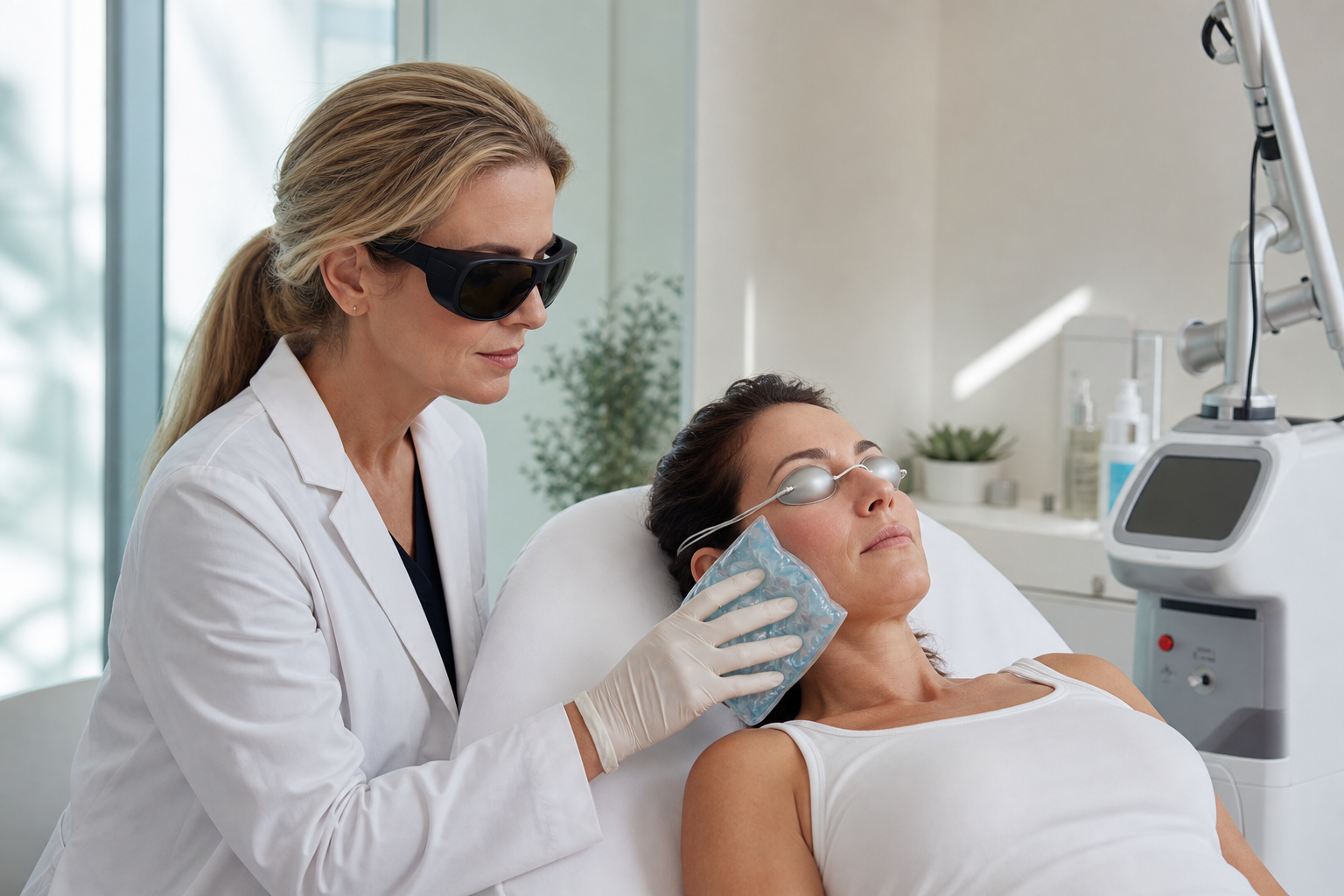
When individuals consider treatments for visible capillaries and facial redness, one of the most effective options is laser therapy designed specifically to target and diminish these vascular irregularities. While such treatments can significantly enhance the complexion by reducing redness and the appearance of unwanted blood vessels, they also render the skin especially sensitive in the ensuing days and weeks. This sensitivity necessitates vigilant aftercare to protect the skin, prevent complications, and ensure the durability of results.
Central to this aftercare is the use of sun protection factor (SPF). Individuals who have undergone capillary laser treatments often question the extent to which SPF is necessary following the procedure, how long they should maintain vigilant sun protection, and what specific products or routines are advisable. This discussion is critical not only for patients themselves but also for dermatologists and skincare professionals guiding post-treatment care.
Understanding the importance of SPF after capillary treatment is vital because sun exposure can compromise the healing process, cause pigmentation changes, and even potentially reverse some benefits of the laser intervention. This article aims to provide an in-depth exploration of why SPF is indispensable in post-treatment care, what to expect during recovery, and how best to incorporate sun protection into one’s skincare regimen to safeguard both skin health and aesthetic outcomes.
What is SPF and How Does It Protect Skin After Capillary Treatments?
SPF, or Sun Protection Factor, is a measurement that indicates the level of protection a sunscreen provides against ultraviolet B (UVB) radiation, the primary cause of sunburn and skin damage. In addition to UVB, broad-spectrum sunscreens also protect against ultraviolet A (UVA) radiation, which penetrates deeper into the skin and contributes to premature aging and cellular DNA damage.
Following capillary laser treatment, the skin has undergone a controlled injury wherein energy is used to close off damaged blood vessels. This process temporarily compromises the skin’s natural barrier, making it more vulnerable to UV damage. Exposure to sunlight without adequate protection can induce inflammation, trigger hyperpigmentation (darkened spots or uneven coloring), and slow the healing process.
Therefore, SPF acts as a crucial shield that absorbs or reflects harmful UV rays, reducing their capacity to aggravate the treated skin and helping maintain the delicate balance necessary for optimal recovery and enhanced appearance.
Why is SPF Absolutely Essential After Laser Treatment for Capillaries and Visible Redness?
Laser treatment for visible vessels is highly targeted, aiming at the affected blood vessels beneath the skin’s surface. While effective, this method creates a period of susceptibility where the skin's defense mechanisms are diminished. UV exposure during this time amplifies the risk of adverse effects, including prolonged redness, pigmentary changes, and even the formation of new visible capillaries.
Protection with SPF is not simply a matter of comfort but is a clinical necessity to prevent complications. Without such protection, UV rays can exacerbate inflammatory reactions and trigger melanocyte activity, leading to unwanted discoloration known as post-inflammatory hyperpigmentation, which is challenging to treat and may undermine cosmetic improvements.
Moreover, wearing sunscreen helps preserve the integrity of the vascular treatment by allowing the targeted vessels to heal without interference from environmental factors. Because both UVA and UVB rays contribute to skin damage, using a broad-spectrum sunscreen with a minimum SPF of 30, often recommended to be 50 in sensitive cases, is advised.
How Long Should SPF be Used After Capillary Laser Treatments?
One of the more frequent questions concerns the duration for which SPF protection should be maintained after the procedure. The answer lies in understanding the skin’s healing timeline. Although the most intense sensitivity may be confined to the initial days or weeks, the skin's vulnerability extends longer as it reforms and strengthens its barrier function.
Dermatologists generally recommend consistent daily application of SPF for several months post-treatment. The exact length depends on individual factors such as skin type, the extent and location of treatment, the laser technology used, and environmental exposure. For facial treatments especially, where sun exposure can be unavoidable, integrating SPF into everyday skincare routines becomes a critical, long-term commitment.
Continuous use of sunscreen not only facilitates proper healing but also prevents the reappearance or worsening of vascular issues triggered by UV-related skin stress.
What Additional Skin Care Practices Support Recovery After Capillary Laser Treatment?
In addition to diligent use of SPF, several other measures contribute to improved post-treatment outcomes:
Avoid Direct Sunlight: Where possible, patients should minimize time spent under direct sun exposure during peak hours, typically 10 a.m. to 4 p.m., to reduce UV radiation impact. Protective clothing like wide-brimmed hats and UV-blocking sunglasses can also serve as secondary defenses.
Steer Clear of Heat Exposure: Heat from saunas, hot baths, or intense physical exertion can cause vasodilation, potentially negating the laser’s efforts and prolonging inflammation or redness.
Opt for Gentle Skincare Products: Post-laser, the skin’s barrier is compromised, making it susceptible to irritation. Using fragrance-free, hypoallergenic, and soothing formulations helps avoid further damage and supports repair.
Follow Professional Guidance: Each vascular treatment plan may differ in depth and response. Adhering strictly to instructions provided by a dermatologist or laser specialist ensures personalized care and optimal healing.
What is the Typical Recovery Experience After Laser Capillary Removal on the Face?
Patients undergoing laser treatment for capillaries on the face can expect an initial period marked by redness, mild swelling, and a sensation of warmth or tingling. These symptoms indicate the skin’s inflammatory response, part of the healing and vessel closure process.
Some individuals may notice slight crusting or pigmentation changes, which generally resolve gradually. The redness usually diminishes within days, though minor residual discoloration can persist longer depending on skin sensitivity and care.
Importantly, throughout this period, protecting the skin with SPF is imperative. Unprotected exposure could lead to complications such as prolonged erythema or uneven tone, undermining the benefits of the treatment and potentially necessitating corrective interventions.
How Does SPF Use After Capillary Treatment Differ During Different Seasons?
There is a common misconception that SPF application is only necessary during sunny, warmer months. However, ultraviolet radiation is present throughout the year, including winter when snow can intensify UV reflection, increasing exposure.
Especially after capillary laser treatment, maintaining sun protection irrespective of the season is advisable. Clouds do not block all UV rays, and indoor lighting with large windows may also contribute to low-level UV exposure. Therefore, daily SPF application is a year-round requirement to ensure consistent protection of the recovering skin.
Is Laser Treatment for Capillaries Safe During Summer, Provided SPF is Used?
Undergoing laser vascular treatments during summer presents challenges due to heightened UV exposure. While it is not contraindicated to have such procedures during these months, patients must be exceptionally diligent about post-treatment sun protection.
Strict adherence to high-SPF sunscreen use, minimizing sun exposure, and utilizing physical barriers like hats and protective clothing become even more critical. Conversely, scheduling treatments outside of peak sun intensity periods might reduce associated risks and facilitate more comfortable recovery.
What Are Common Misconceptions About SPF After Capillary Laser Treatment?
One common misunderstanding is that the skin only needs protection from UVB rays, which are primarily responsible for sunburn, ignoring the damaging effects of UVA radiation on treated skin. Only broad-spectrum sunscreens offer protection against both.
Another error is applying insufficient quantities of sunscreen or neglecting to reapply every two hours during sun exposure, which diminishes the protective benefits. Proper application amounts and frequency are necessary to maintain an effective defense.
Finally, some patients believe that makeup with SPF negates the need for dedicated sunblock, but cosmetic products with SPF generally offer lower and less reliable protection compared to dedicated sunscreen formulations.
Can Proper Use of SPF Enhance the Longevity of Laser Treatment Results for Capillaries?
Absolutely. The beneficial effects of vascular laser treatment can be compromised if the skin is repeatedly exposed to damaging UV rays without adequate protection. By minimizing additional inflammation, preventing pigmentary alterations, and avoiding new capillary damage, consistent use of SPF helps maintain the clarity and even tone achieved by the laser procedure.
Incorporating daily sun protection into one’s skincare routine following treatment supports not only immediate healing but also the long-term health and aesthetics of the skin.


