Facial laser treatment has emerged as a cornerstone of contemporary dermatology and aesthetic medicine, offering a sophisticated approach to skin rejuvenation and correction. Utilizing precise laser technology, these treatments target various skin conditions such as fine lines, wrinkles, pigmentation irregularities, vascular lesions, and textural imperfections. Through controlled photothermal stimulation or ablation, laser procedures can promote collagen synthesis, improve skin tone, diminish scars, and restore a youthful luminosity that non-invasive treatments often cannot achieve. This article explores the comprehensive journey of facial laser treatments—from the essential preparatory phase and the nuances of the procedure itself to the critical recovery period. It aims to guide individuals considering laser therapy by providing detailed insights into what to expect, tailored approaches for different skin types, and post-treatment care strategies to optimize outcomes.
Facial laser treatment is suited for a diverse audience, encompassing individuals seeking anti-aging solutions, those looking to treat sun-damaged or hyperpigmented skin, as well as patients with acne scarring or other dermatologic concerns. Whether one is a first-time candidate or has undergone prior aesthetic interventions, understanding the mechanisms, benefits, and potential side effects is vital. With the proliferation of laser technologies—from ablative to non-ablative, fractional to full-field lasers—personalized treatment planning has become paramount. Hence, this article emphasizes the importance of individualized consultation, preparation protocols, and recovery management to ensure safety and efficacy.
The significance of facial laser treatment lies not only in its ability to deliver visible improvements but also in its role in advancing a tailored approach to skin health, marrying technological precision with patient-specific factors. As such, readers will discover an in-depth exposition of preparatory steps, a clear depiction of procedural dynamics, a thoughtful comparison of recovery variations across laser modalities, and practical advice for post-care—equipping them with the knowledge required to make informed decisions and achieve lasting skin rejuvenation.
What Is Facial Laser Treatment and Who Can Benefit From It?
Facial laser treatment refers to a spectrum of procedures utilizing concentrated light energy emitted by lasers to treat various skin maladies and aesthetic concerns. These lasers operate at specific wavelengths and pulse durations to either remove epidermal layers (ablative lasers) or stimulate dermal processes without breaking the skin barrier (non-ablative lasers). Fractional laser technology, which partitions the laser beam into multiple microscopic treatment zones, allows for enhanced safety and quicker recovery by sparing surrounding tissue.
Individuals with signs of photoaging—such as fine lines, wrinkles, irregular pigmentation, and rough texture—are common candidates. Additionally, those suffering from acne scars, melasma, spider veins, or overall skin laxity may find significant benefit. Importantly, candidates are evaluated for skin phototype, medical history including prior dermatologic treatments, and susceptibility to viral outbreaks like herpes simplex, which can influence laser outcomes and safety measures.
This treatment is distinct from more superficial cosmetic procedures because it can stimulate deeper remodeling of skin architecture, encouraging the production of new collagen and elastin fibers. Consequently, facial laser treatment appeals to patients seeking more durable and substantive skin improvements compared to topical or minimal interventions, while providing options ranging from mild enhancement to aggressive resurfacing depending on individual needs and tolerance.
How Should One Prepare for a Facial Laser Treatment?
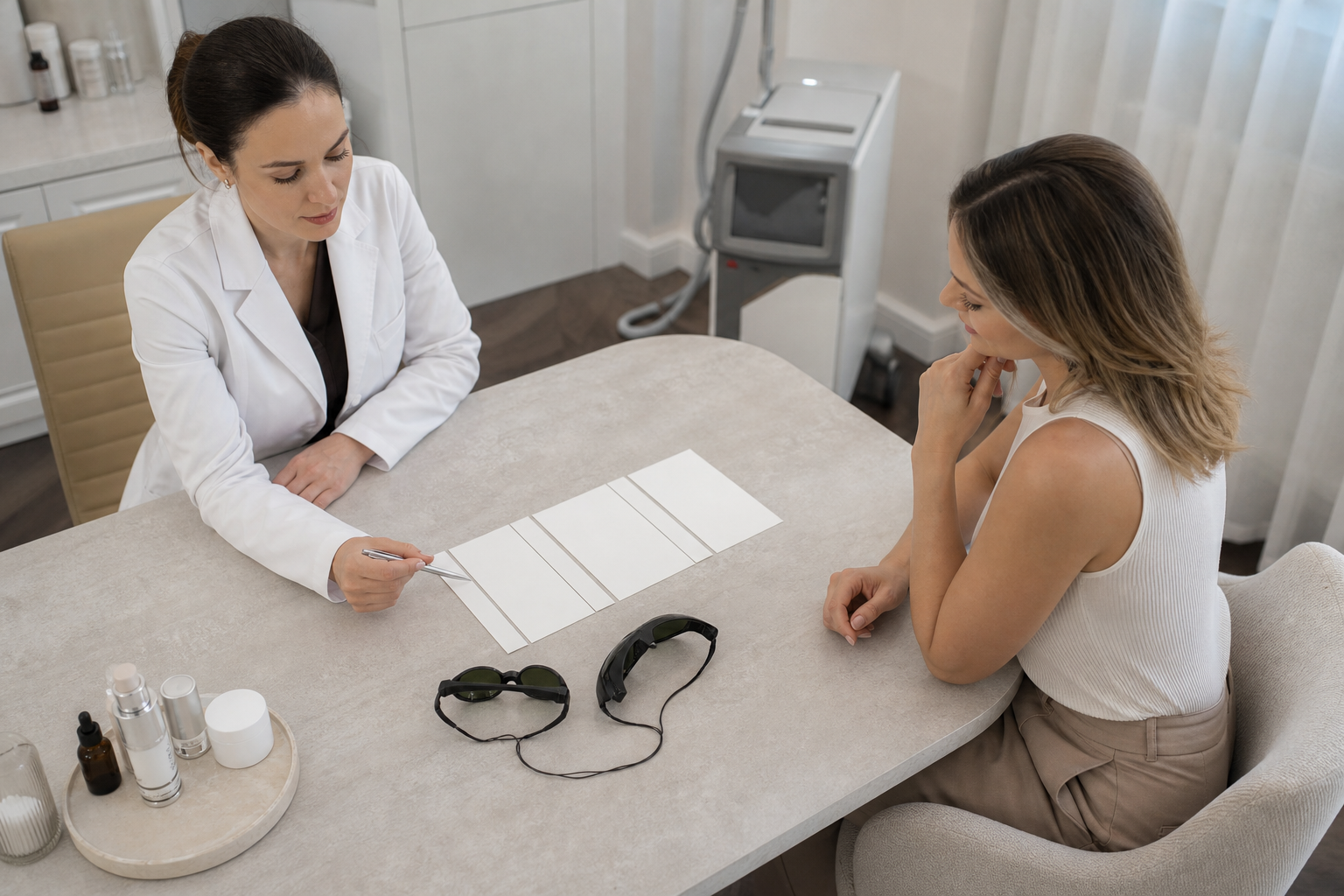
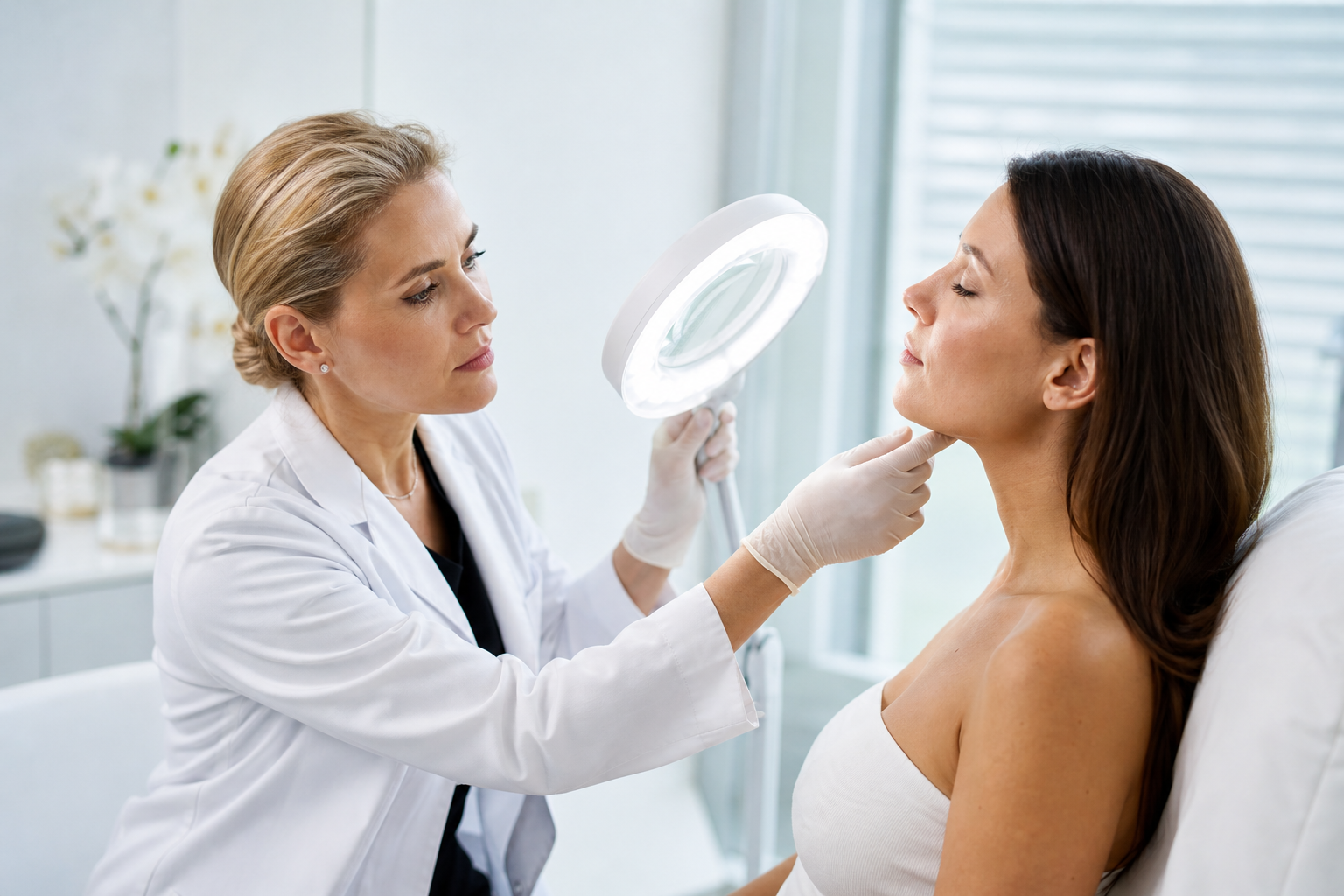
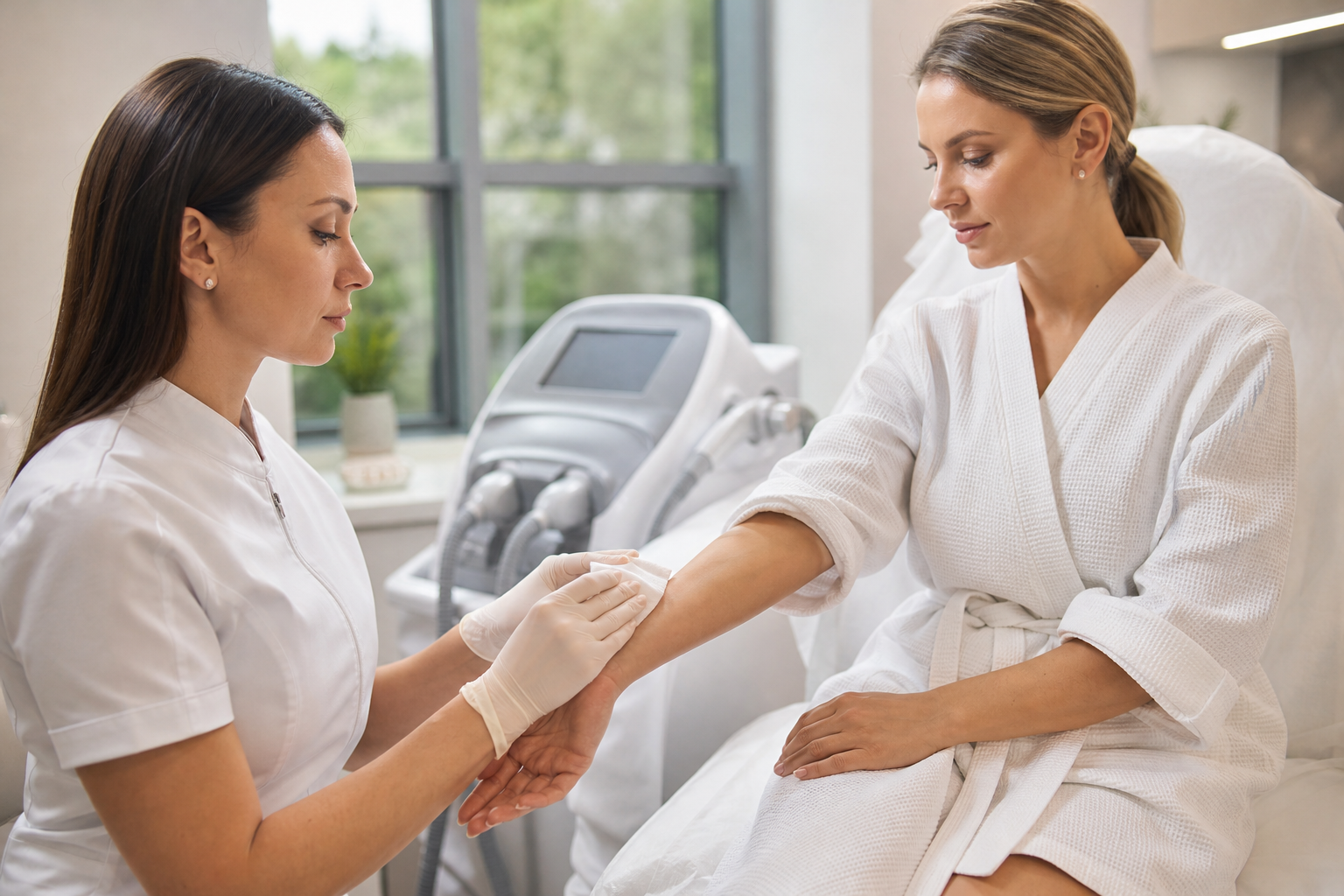
Preparation is a critical determinant of treatment success and minimizing adverse effects. Prior to undergoing facial laser treatment, a thorough clinical consultation is indispensable. During this visit, the practitioner assesses the patient's skin phototype classification, history of sun exposure, previous skin procedures, and current or past medications, particularly photosensitizing drugs or retinoids. Additionally, screening for active or recurrent herpes simplex virus is conducted since laser energy can trigger viral reactivation.
Patients are advised to avoid direct sunlight and tanning for a minimum of one to two weeks before treatment and to apply broad-spectrum sunscreens vigilantly. The use of abrasive skincare products such as glycolic acid, salicylic acid, and retinoids should be suspended about one to two weeks beforehand to prevent increased skin sensitivity. For individuals with a history of cold sores, prophylactic antiviral medications may be prescribed by the clinician to reduce the risk of outbreak.
It is also recommended to avoid waxing, chemical peels, or other aggressive treatments to the face for at least two weeks before the session. On the day of treatment, the skin should be cleansed and free from makeup, lotions, or oils. Communicating openly with the healthcare provider about any changes in health status or medications ensures individualized modifications to the plan, safeguarding patient safety and efficacy of the procedure.
What Happens During the Facial Laser Treatment Procedure?
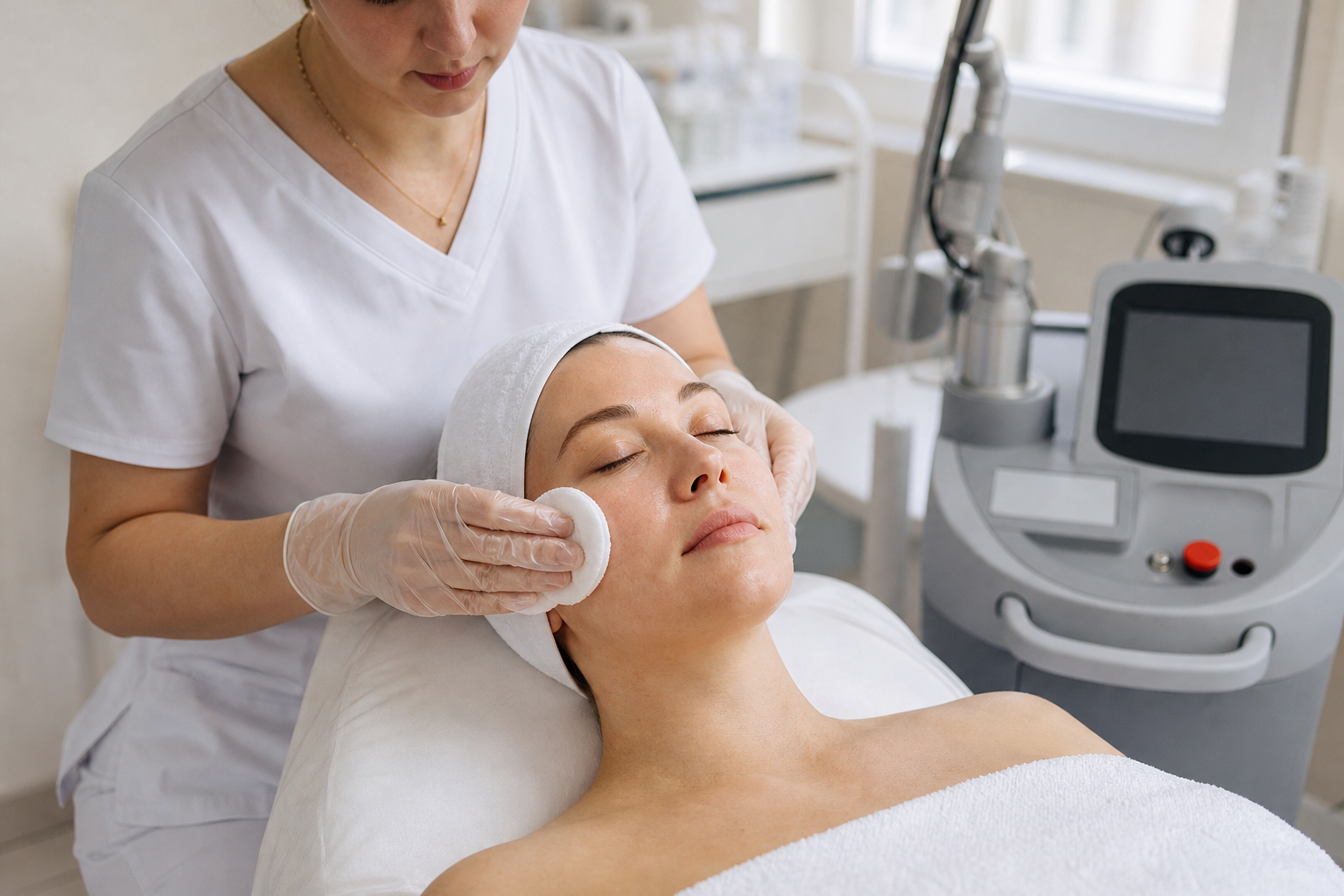
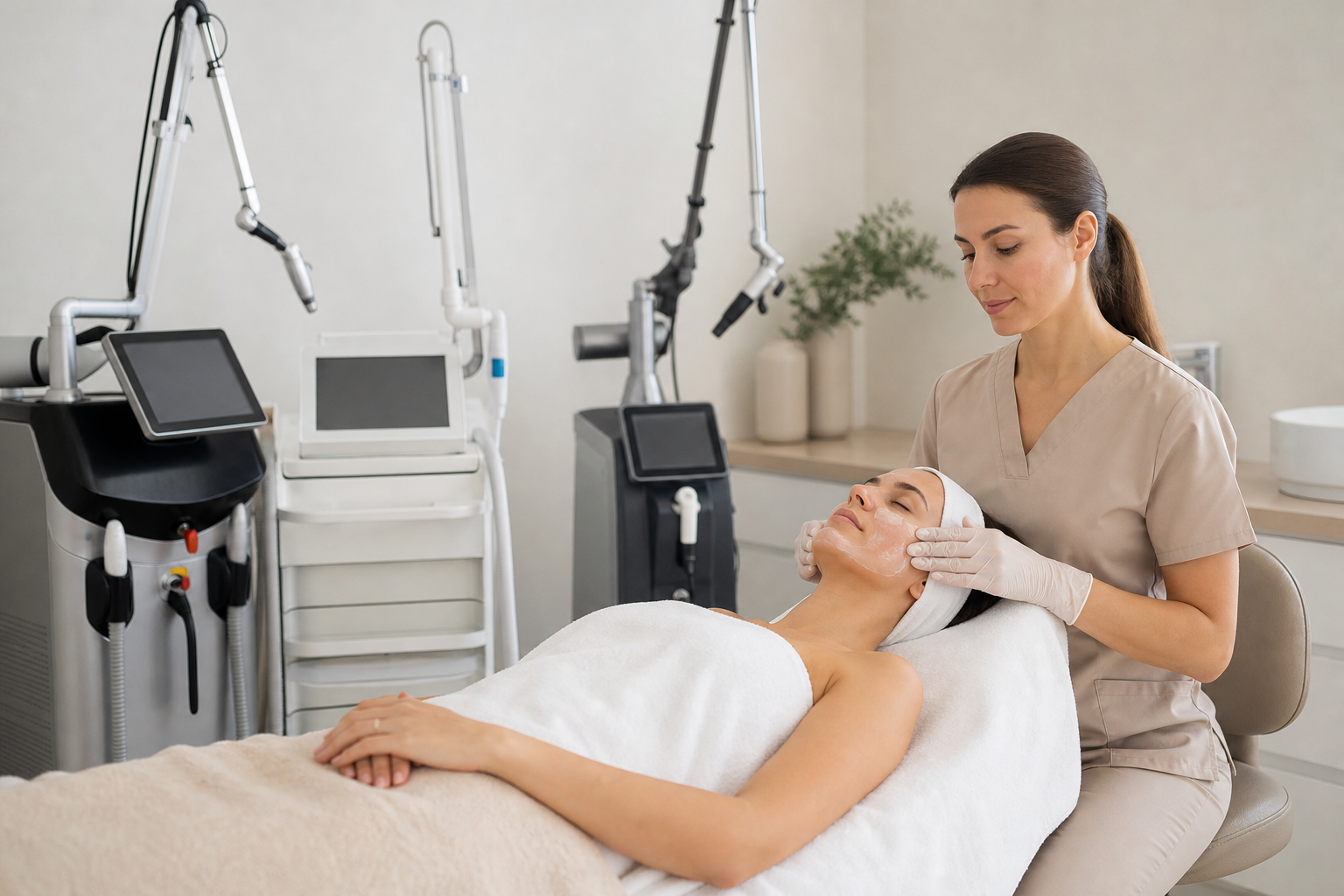
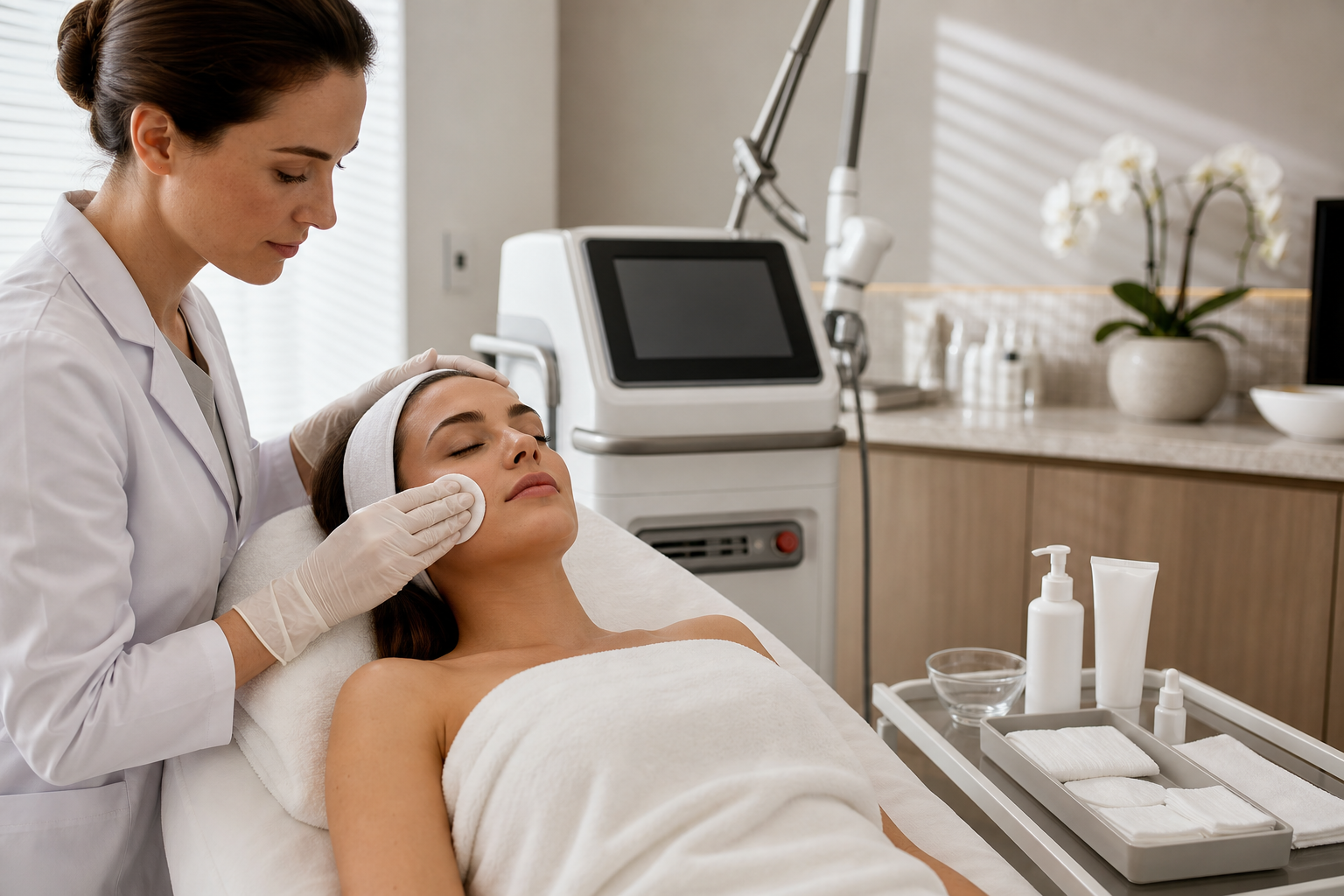
The facial laser treatment commences with thorough cleansing of the skin to remove debris and oil, facilitating optimal laser penetration. Depending on the type of laser and treatment depth, local anesthesia or topical numbing agents may be applied to enhance patient comfort. Cooling devices, such as chilled air or contact cooling, are commonly utilized throughout the procedure to mitigate thermal discomfort and protect the epidermis.
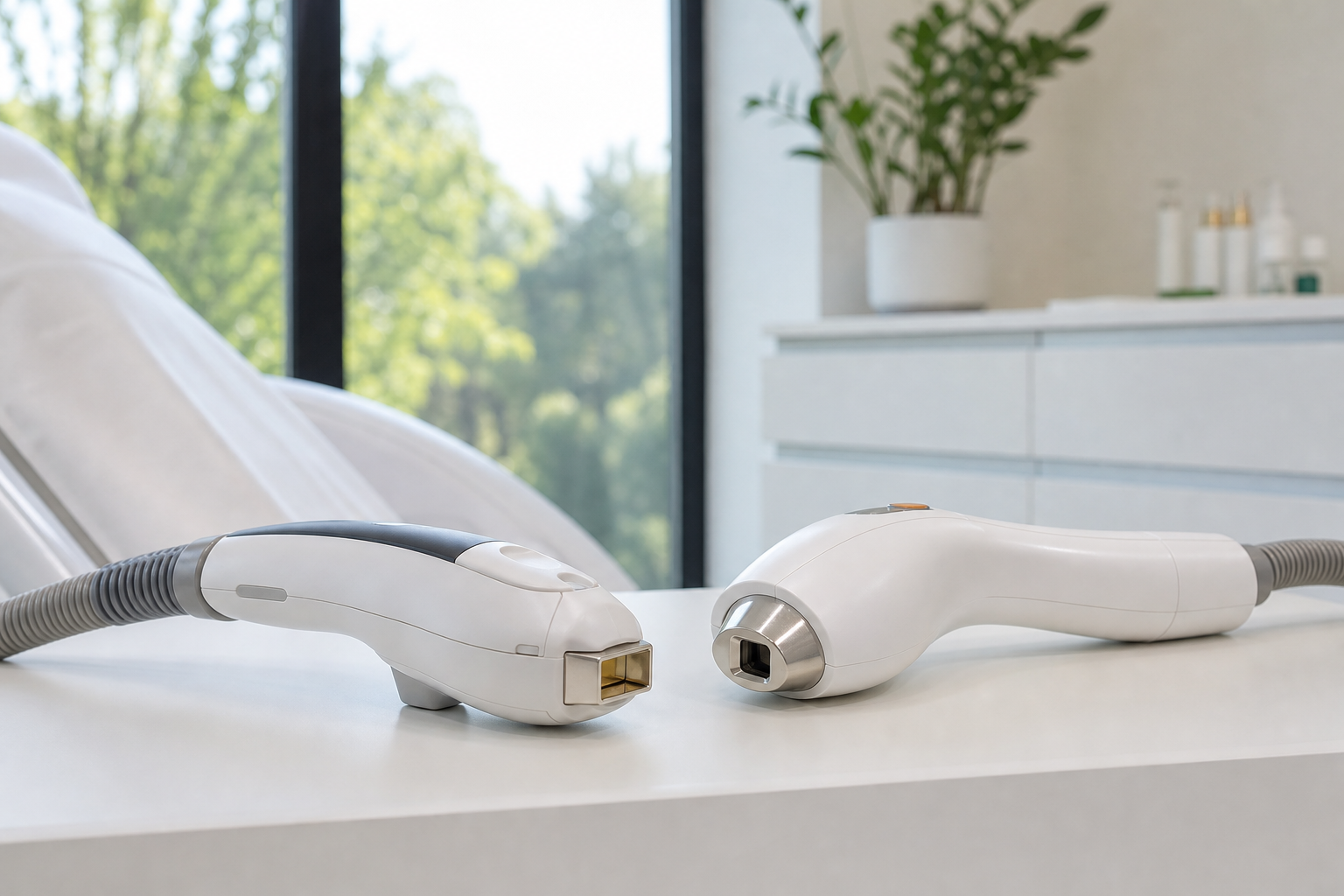
Ablative lasers, such as CO2 or erbium:YAG, carefully vaporize the epidermis and a portion of the dermis, effectively removing damaged skin layers. These treatments provide dramatic rejuvenation results but require more downtime due to the extent of skin injury. Non-ablative lasers, including Nd:YAG or diode lasers, penetrate the skin to stimulate collagen remodeling without epidermal removal, resulting in less discomfort and faster recovery, albeit with subtler immediate effects.
The duration of the treatment varies based on the size of the area and the specific laser used, typically ranging between 15 to 60 minutes. The practitioner adjusts parameters such as fluence (energy density), pulse duration, and spot size in real-time, tailoring the treatment intensity to the patient's skin response and desired outcomes. Patients may experience sensations akin to a warm prickling or mild stinging, which usually subsides rapidly.
What Immediate Skin Responses Occur After the Procedure?
Immediately following the treatment, the skin may appear red and swollen, akin to a moderate sunburn. This acute inflammatory response represents normal tissue reaction to laser-induced injury or stimulation. Ablative procedures often lead to more pronounced erythema, edema, and formation of crusts or superficial scabs that gradually resolve during the recovery phase. Conversely, non-ablative treatments typically induce milder redness and swelling with minimal to no surface disruption.
Some patients might notice a transient tightness, dryness, or flaking of the skin as part of the healing cascade. These manifestations vary widely depending on laser settings, skin type, and preexisting conditions. It is essential to understand that these effects are temporary and signify the commencement of skin regeneration processes.
How Does Recovery Differ Between Ablative and Non-Ablative Laser Treatments?
Recovery experience is largely dictated by the invasiveness of the laser modality employed. Ablative laser resurfacing, while offering more significant correction, necessitates a longer healing period characterized by a series of phases—initial erythema and edema lasting several days, followed by crusting and peeling over one to two weeks. During this time, the skin is especially vulnerable to infection and UV damage, requiring diligent care and sun avoidance.
In contrast, non-ablative laser treatments cause minimal visible disruption and thus confer a considerably abbreviated recovery timeline. Patients can often resume normal activities within 24 hours with only mild erythema and tenderness. This makes non-ablative procedures favorable for those with lifestyle constraints or reluctance towards extended downtime.
Regardless of the type, it is paramount to maintain the post-treatment skincare regimen prescribed by the clinician, which may include frequent application of soothing and hydrating agents, avoidance of irritants, and the use of high-SPF sunscreens.
What Are the Essential Components of Post-Treatment Home Care?
Following facial laser treatment, appropriate home care plays a pivotal role in supporting skin healing and optimizing outcomes. Gentle cleansing routines should be followed to avoid disturbing the delicate reparative surfaces. The use of fragrance-free, non-irritating moisturizers helps maintain hydration and barrier function.
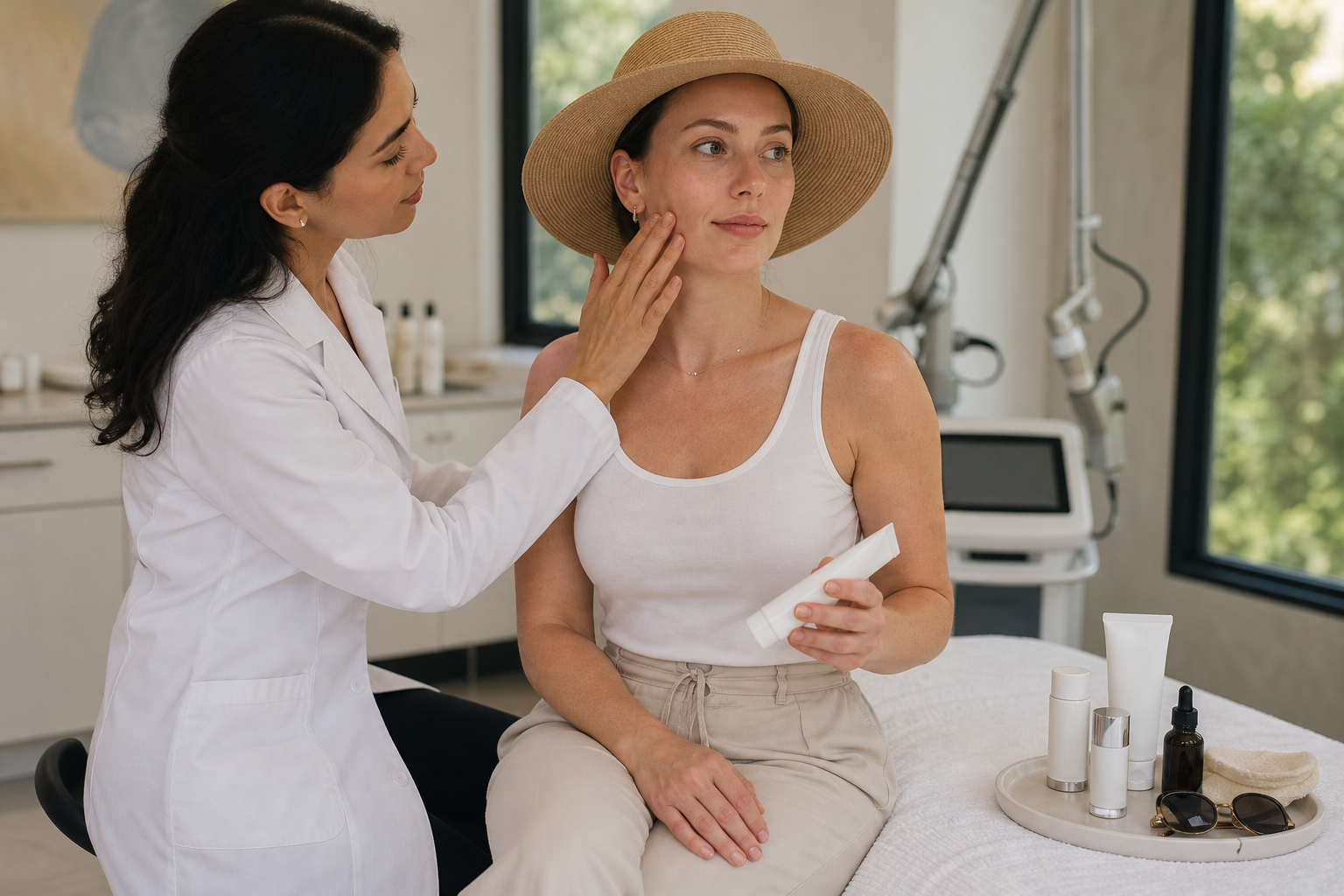
Sun protection is arguably the most significant element of aftercare; patients must apply broad-spectrum sunscreens with high SPF regularly and avoid sun exposure during peak hours. Infrared and UVA/UVB rays can exacerbate hyperpigmentation and delay healing.
Application of makeup is generally contraindicated until re-epithelialization is confirmed by the treating physician. Resuming use of active skincare ingredients, like retinoids or exfoliants, should only be undertaken with professional guidance, timed to skin recovery milestones. Follow-up visits enable monitoring of healing progress and timely intervention if complications arise.
How Soon Can Patients Return to Normal Activities After Laser Treatment?
The timing of return to regular activities depends on the laser type and individual's healing response. Non-ablative laser recipients often resume daily routines, including makeup application and outdoor activities, within 24 to 48 hours. Ablative laser patients might require a convalescence period from one to two weeks during which physical exertion, swimming, and exposure to harsh environments are discouraged to prevent infection and promote optimal regeneration.
It is equally critical to heed personalized clinician instructions regarding when to reintroduce skincare products, makeup, and sun exposure. Adhering to these recommendations safeguards treatment gains and reduces the risk of pigmentation alterations or scarring.
What Questions Should Patients Ask Before Undergoing Facial Laser Treatment?
Prospective patients should engage in candid dialogues with their dermatology or aesthetic specialists. Inquiries about the practitioner’s experience with specific laser systems, treatment expectations, potential risks, and recovery timelines are vital. Clarification on the suitability of laser treatment for one's skin type, as well as the difference between ablative and non-ablative options, empowers informed decision-making.
Further questions might revolve around pain management during the procedure, the number of sessions required to achieve goals, costs, and contraindications related to medical history or concurrent medications. Understanding these facets mitigates anxiety and aligns expectations with achievable results.