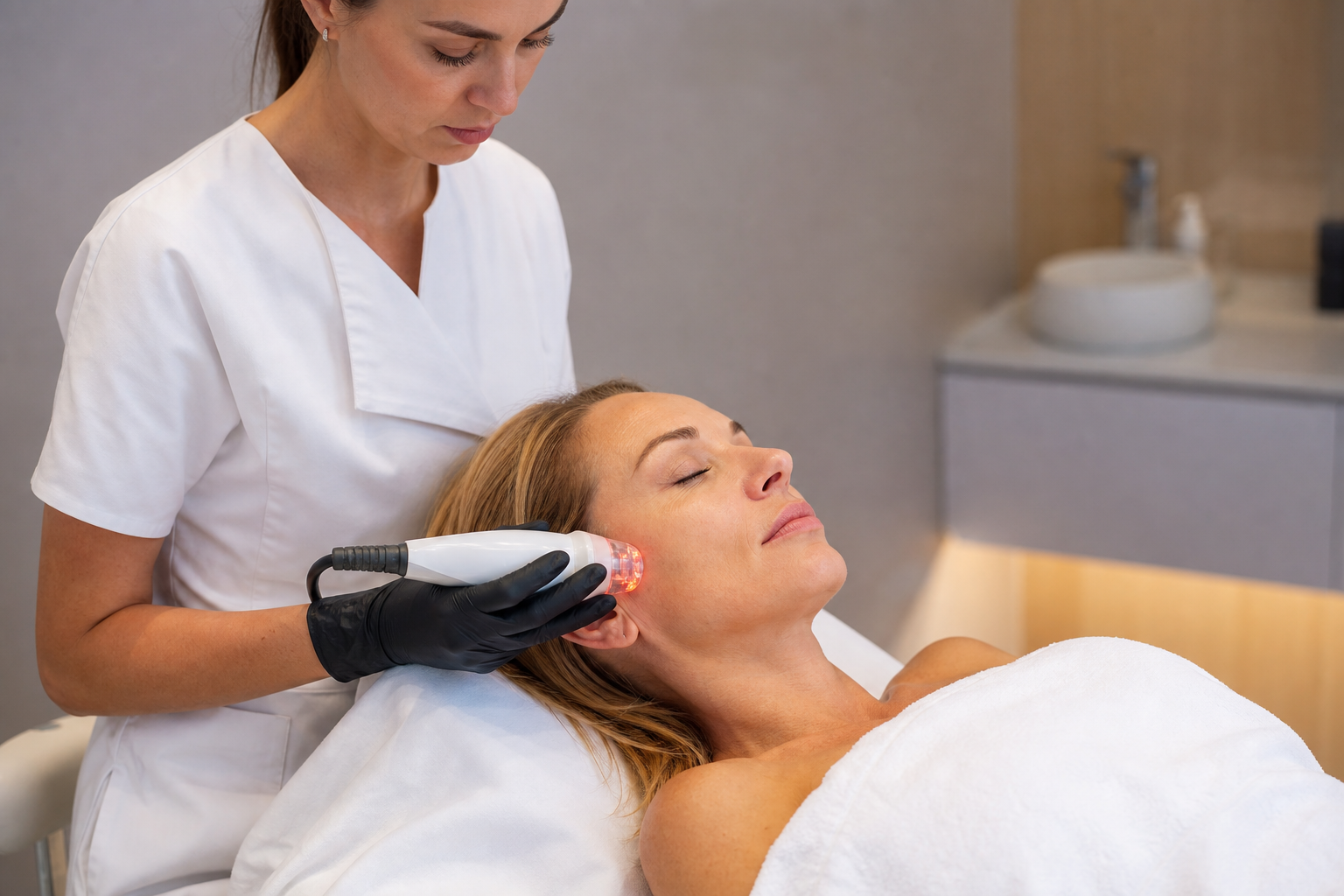
RF lifting, or radiofrequency skin tightening, represents a significant advancement in non-surgical aesthetic treatments designed to improve skin firmness and elasticity. Targeting individuals seeking skin rejuvenation without the invasiveness of traditional surgery, RF lifting harnesses the power of radiofrequency waves to stimulate collagen and elastin production deep within the dermis. The gradual and natural enhancement in skin texture and tightness makes this procedure popular among those encountering early signs of skin aging or who desire subtle improvements without downtime.
The question "How long do RF lifting results last?" is crucial for prospective patients considering this treatment. Understanding the longevity of results, influencing factors, and maintenance requirements helps individuals make informed decisions aligned with their aesthetic goals. This comprehensive article explores the mechanisms behind RF lifting, differentiates treatment types, examines factors impacting result durability, and offers realistic expectations about outcomes and upkeep.
By delving into the nuances of radiofrequency technology and its effects on skin biology, readers will learn how RF lifting fits into modern skincare regimens and why a consistent maintenance approach is key for sustained benefits.
What Is RF Lifting and Who Benefits From It?
RF lifting, short for radiofrequency lifting, is a method of non-invasive or minimally invasive skin treatment that uses targeted electromagnetic waves to heat the dermal layers of the skin. Operating at specific frequencies, radio waves penetrate below the surface without damaging it, inducing controlled thermal stimulation. This heat activates fibroblasts, cells responsible for producing collagen and elastin—proteins essential to skin's structure, resilience, and youthful appearance.
As these proteins regenerate and reorganize, the skin undergoes tightening, improved texture, and increased elasticity. RF lifting is especially suitable for individuals noticing early to moderate signs of skin laxity, such as mild sagging, fine lines, or less radiant skin. It can address issues related to aging, sun damage, or post-weight loss skin laxity.
Patients of diverse ages—typically adults from their mid-30s to 60s—seek RF lifting to refresh their facial contour, neck, or body areas like the abdomen and arms. Importantly, it appeals to those wanting subtle enhancement without surgical scars, anesthesia, or significant recovery time.
What Are the Different Types of RF Treatments and How Do They Affect Results?
Understanding the variety of RF technologies is essential when considering treatment options, as the invasiveness and depth of skin penetration influence both results and their longevity.
Non-invasive RF: The most common form, non-invasive RF utilizes external applicators that deliver controlled heat through the skin surface. This heats the mid to deep dermis, prompting collagen remodeling. Its benefits include safety, no recovery time, and suitability for mild to moderate skin laxity.
Fractional RF (needle-free): This intermediate approach targets microscopic skin fractions with radiofrequency energy, stimulating more intense regeneration without skin puncture. It is often chosen for treating specific concerns like scars and textural irregularities.
RF Microneedling: Combining micro-needling with RF energy, this method employs fine needles that penetrate the skin, delivering RF energy within targeted layers. The minimally invasive nature produces more robust collagen stimulation and is indicated for moderate to pronounced skin rejuvenation needs.
Minimal invasive RF procedures: These involve inserting probes or needles deep into the skin’s subcutaneous layers, producing intensive collagen induction and skin tightening effect. Although results tend to be more noticeable and longer-lasting, they require longer recovery and carry increased risks.
It is important to recognize that while RF treatments can significantly improve appearance, they do not equate to surgical facelifts, which restructure deep facial tissues. RF lifting serves as an effective non-surgical alternative with temporary and gradual outcomes.
How Does RF Lifting Work to Tighten and Rejuvenate Skin?
The scientific core of RF lifting lies in precise dermal heating. When radiofrequency waves penetrate the skin, they cause molecular vibration, generating heat usually between 39°C and 45°C. This controlled hyperthermia triggers a biological response where fibroblasts accelerate collagen and elastin synthesis.
This collagen boost strengthens the skin matrix, thickens dermal layers, and restores skin’s tensile strength. Over time—typically several months—the newly produced fibers organize and crosslink, resulting in visibly firmer and smoother skin.
In addition to collagen remodeling, radiofrequency energy improves microcirculation, enhancing nutrient delivery and cellular metabolism. This comprehensive skin renewal effect contributes to a healthier, more vibrant complexion.
When Do You Typically See Results from RF Facial Lifting?
Initial effects following RF lifting procedures can be subtle, often observable shortly after treatment as mild skin tightening or a freshened appearance. However, the hallmark collagen remodeling process evolves gradually, so optimal results generally manifest between two and six months after completing a series of treatments.
The progressive renewal means patients should have realistic expectations, understanding that improvement deepens as fibroblast activity peaks and new collagen fibers mature. Visible benefits include reduced fine lines, enhanced skin tone, diminished laxity, and an overall rejuvenated aura.
Results vary based on individual factors like skin condition, age, and the specific RF technology used. It is also common for patients to receive multiple sessions spaced weeks apart to maximize benefits and stimulate sustained collagen growth.
What Factors Determine the Longevity of RF Lifting Results?
The duration that RF lifting effects last depends on several interconnected elements:
Skin type and quality: Individuals with denser, more elastic skin may experience more durable outcomes than those with extensively sun-damaged or naturally thin skin.
Age and biological response: Younger patients tend to regenerate collagen more quickly and robustly, while older skin may need additional maintenance treatment to sustain effects.
Treatment protocol and technology: The number of sessions, RF device type, and operator skill significantly influence result intensity and persistence.
Lifestyle choices: Smoking, excessive sun exposure, poor nutrition, and inadequate skincare can accelerate collagen breakdown, shortening RF lifting results.
Post-treatment care: Consistent use of sun protection, moisturizers, and skin-nourishing practices helps prolong skin improvements.
Typically, visible results last between six months and up to two years, after which collagen naturally degrades, and skin aging continues. Regular maintenance treatments are recommended to extend and reinforce the rejuvenation process.
How Many RF Treatments Are Needed and How Can You Maintain Results?
Most practitioners suggest an initial series of three to six treatments spaced about four to six weeks apart to establish a collagen foundation and optimal skin tightening. The exact number depends on the individual’s skin condition, age, and desired outcome.
Following the primary series, periodic maintenance — usually one or two sessions annually — helps stimulate ongoing collagen production to sustain youthful skin appearance and delay recurrent sagging or wrinkling.
Complementing treatments with a comprehensive skincare regimen that includes antioxidants, moisturizers, and sun protection further stabilizes results. Lifestyle modifications such as quitting smoking, maintaining a balanced diet, and limiting UV exposure also contribute significantly.
What Are Realistic Expectations and Limitations of RF Lifting?
RF lifting is highly effective for mild to moderate skin laxity and texture improvement but presents limitations for severe sagging or deep wrinkles. Candidates with significant volume loss or advanced aging signs may benefit more from surgical or combined approaches.
While RF treatments can yield natural-looking skin renewal without downtime, they do not produce immediate or permanent changes akin to invasive facelifts. Results are incremental and require patience and commitment to multiple sessions.
Moreover, the degree of enhancement varies among individuals due to biological and environmental factors, reinforcing the importance of thorough consultation and realistic goal-setting before starting treatment.


