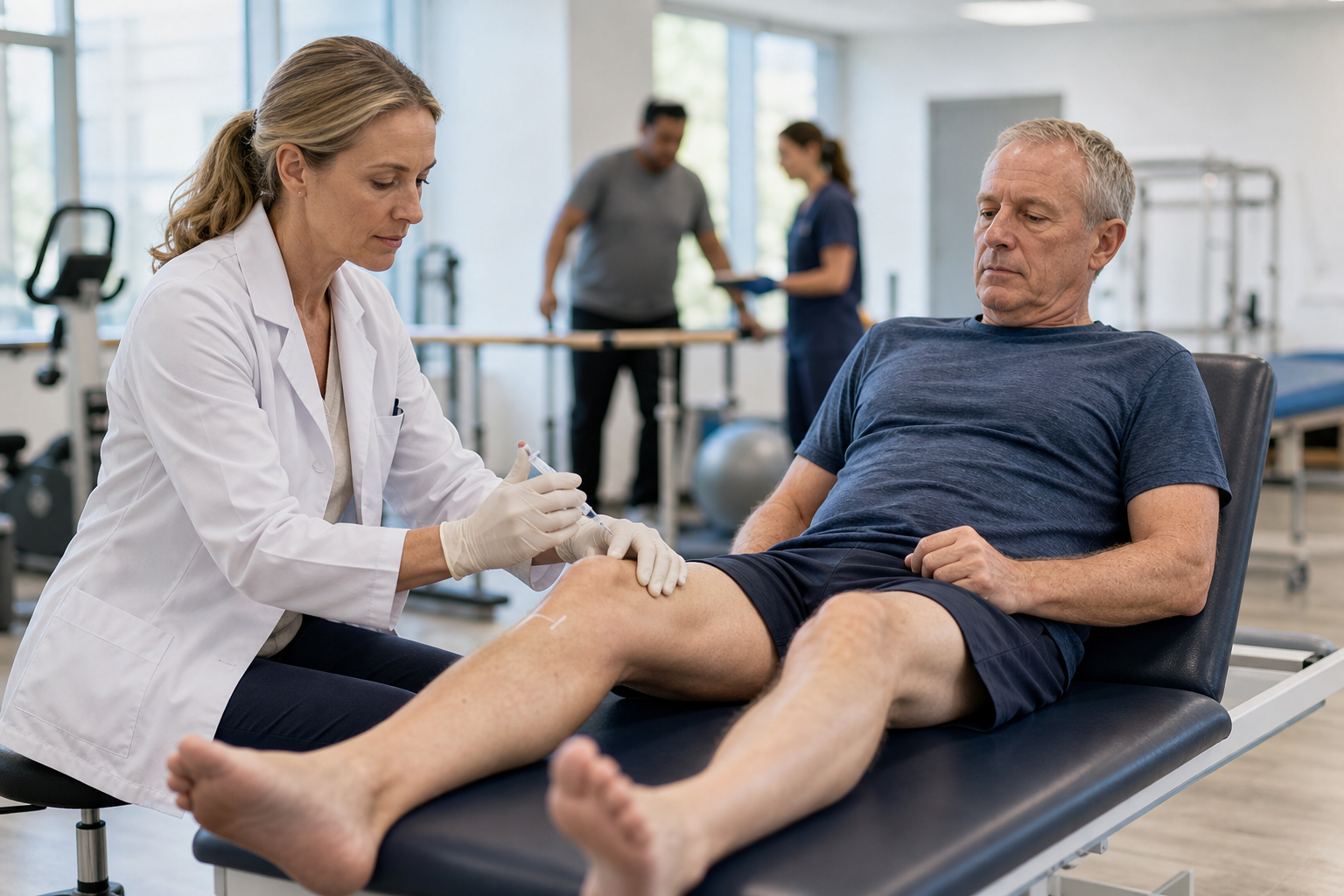
Neuromuscular diseases encompass a diverse group of disorders that impair the communication between nerves and muscles or directly affect muscle function. These conditions often lead to muscle weakness, involuntary spasms, and diminished motor control, significantly impacting a person's quality of life. Among the array of therapeutic options available, botulinum toxin, commonly known as Botox, has emerged as a valuable tool in managing specific symptoms associated with these diseases. Originally renowned for its aesthetic applications, Botox now plays a crucial role in medical treatments related to spasticity and muscle hyperactivity, offering new hope to patients struggling with neuromuscular challenges.
This article aims to provide an in-depth understanding of the use of botulinum toxin in the context of neuromuscular diseases. It is crafted for healthcare professionals familiar with neurological and muscular disorders, patients seeking clarity on their treatment options, and anyone interested in the practical, safe application of Botox beyond cosmetic use. Understanding Botox's mechanism in modulating nerve-muscle interactions, realistic therapeutic expectations, potential limitations, and safety considerations is essential for optimizing outcomes in this complex arena.
What makes the topic particularly relevant is the nuanced nature of neuromuscular diseases themselves. These conditions are rarely straightforward; they necessitate tailored, multidisciplinary care. Botox is not a panacea but a strategic component within a broader therapeutic framework aimed at improving functionality and reducing discomfort. Exploring its role attentively ensures that interventions are both effective and aligned with patient needs and safety standards.
The Complex Landscape of Neuromuscular Diseases
Neuromuscular diseases represent an extensive category of disorders that disrupt the essential link between nervous system commands and muscle activity. This group includes conditions like amyotrophic lateral sclerosis (ALS), myasthenia gravis, muscular dystrophies, motor neuron diseases, and spasticity disorders arising from cerebral palsy or stroke. Each disorder affects patients differently, with varied patterns of muscle weakness, fatigue, involuntary contractions, and impaired movement.
The complexity is compounded by the origin of impairment. Some neuromuscular diseases predominantly affect the motor neurons, others the muscle fibers, and some interfere at the neuromuscular junction where nerves interface with muscles. This heterogeneity influences symptom presentation and the choice of therapeutic interventions. For example, muscle spasticity—a symptom characterized by heightened muscle tone and stiffness—is commonly observed in upper motor neuron lesions and may be substantially burdensome.
Given these intricacies, management focuses mainly on symptom alleviation and functional preservation rather than curative approaches, as many neuromuscular conditions remain incurable. Interdisciplinary strategies integrating pharmacological treatments, physical rehabilitation, assistive technologies, and sometimes surgical interventions form the foundation of care. Botulinum toxin has gained recognition within this framework as a precise method for controlling focal symptoms like spasticity and dystonia.
Mechanism of Botulinum Toxin in Neuromuscular Symptom Management
Botulinum toxin is a neurotoxin produced by the bacterium Clostridium botulinum. Its therapeutic action hinges on the ability to inhibit acetylcholine release at the neuromuscular junction, effectively blocking the transmission of nerve signals that prompt muscle contraction. When administered in controlled doses directly into targeted muscles, Botox induces a localized and temporary muscle relaxation.
This mechanism is especially beneficial when faced with abnormal muscle overactivity, such as spasticity, muscle cramps, or involuntary contractions. By reducing excessive muscle tone, Botox can mitigate pain, improve limb mobility, and facilitate better performance of daily activities. Moreover, relaxed muscles enhance the efficacy of concurrent physical therapies, often leading to improved rehabilitation outcomes.
It is important to recognize that Botox's effect is symptomatic—it does not alter the underlying disease process. The toxin’s impact is transient, typically lasting between three and six months, necessitating repeated treatments to maintain benefits. Dosage and injection sites must be meticulously determined by experienced clinicians to maximize therapeutic gains while minimizing adverse effects.
Setting Realistic Expectations and Understanding Limitations
While Botox offers notable benefits for managing particular neuromuscular symptoms, it does not restore lost motor function or halt disease progression. Patients and caregivers must approach treatment with informed and pragmatic expectations. Reductions in spasticity or muscle stiffness can improve comfort and facilitate tasks but do not equate to a cure.
The temporary nature of Botox’s effect implies ongoing intervention. Some patients experience gradual return of symptoms requiring maintenance injections at intervals tailored to their clinical response. Furthermore, the therapeutic window varies depending on the condition’s severity, muscle groups involved, and individual patient factors.
Technically, administration can be challenging. Precise localization of injection sites is critical; inadvertent diffusion into adjacent muscles may cause unwanted weakness or functional impairment. For example, injection near muscles involved in swallowing or speech requires cautious dosing to avoid complications such as dysphagia or dysphonia.
Patients may also encounter partial or suboptimal responses due to factors like antibody development against botulinum toxin or disease dynamics. Such limitations underscore the importance of comprehensive assessment and individualized treatment planning.
Safety Profiles and Contraindications Specific to Neuromuscular Conditions
Safety is paramount when employing botulinum toxin, especially in patients with complex neuromuscular diagnoses who may have heightened vulnerability. Prior to treatment, a thorough medical evaluation is essential to identify contraindications and assess risk-benefit ratios uniquely.
Contraindications include active infection at injection sites, known hypersensitivity to toxin components, and certain neurological conditions where further muscle weakness could exacerbate dysfunction. Particular caution is warranted in patients with generalized neuromuscular junction disorders, such as myasthenia gravis, where the blockade of acetylcholine release might aggravate symptoms.
Additionally, considerations extend to women who are pregnant or breastfeeding. Although data are limited, conservative approaches generally advise against use during these periods unless absolutely necessary and under strict medical supervision.
Drug interactions must also be considered. For example, concomitant use of aminoglycoside antibiotics or agents that interfere with neuromuscular transmission can potentiate the effects of Botox, increasing the risk of systemic toxicity or profound weakness. Continuous monitoring and transparent communication about all medications and supplements taken by the patient are crucial for safe administration.
The Crucial Role of Experienced Specialists in Botox Therapy
Given the intricacies involved in treating neuromuscular diseases with botulinum toxin, the expertise of qualified healthcare professionals cannot be overstated. Experienced neurologists, physiatrists, and rehabilitation specialists collaboratively ensure optimal patient selection, precise injection techniques, and ongoing care adjustments.
These specialists utilize electromyography (EMG) or ultrasound guidance to localize muscles accurately, enhancing the precision and efficacy of each injection. Such approaches minimize side effects and maximize symptom control, leading to better functional improvement.
Moreover, specialists provide essential education to patients and caregivers about what to expect from treatment, including timelines, potential adverse effects, and the importance of adherence to follow-up schedules. They also conduct vigilant monitoring for any complications and modify therapeutic regimens responsive to patient progress or emerging needs.
Integrating Botulinum Toxin Within Comprehensive Neuromuscular Care
Botox should be viewed as one element within an integrated treatment strategy for neuromuscular disorders. Pharmacologic agents addressing symptom control or disease modification, physical and occupational therapy fostering strength and coordination, and supportive devices all play vital roles.
Botulinum toxin injections often complement physiotherapy by reducing muscle spasticity and enabling greater participation in stretching and strengthening exercises. In some cases, this collaborative approach can reduce contracture risk and further enhance mobility.
Care plans must be individualized, with realistic goal setting that encompasses patient priorities and functional capacities. Periodic reassessments help tailor treatment trajectories and optimize long-term outcomes. Such holistic management demands active communication among multidisciplinary teams and patient involvement.


