Radiofrequency (RF) treatments have emerged as a revolutionary non-surgical method for skin tightening and rejuvenation, offering a sophisticated alternative to invasive procedures. These treatments utilize radiofrequency energy to heat the deeper layers of skin, stimulating collagen and elastin production, essential components for maintaining skin firmness and elasticity. As aesthetic medicine continues to evolve, RF treatments have become increasingly popular among individuals seeking subtle but noticeable improvements in skin tone and texture without the risks and downtime associated with surgery.
This editorial explores the landscape of RF treatments, delving into the various modalities available—from non-invasive applications to minimally invasive techniques such as RF microneedling. Particularly, it addresses a crucial aspect often overlooked in conversations about RF treatments: their interaction with implanted electronic devices. For people with pacemakers, neurostimulators, or other implantable electronic equipment, understanding the safety considerations of RF therapies is vital. This article intends to clarify these concerns, provide a comprehensive overview of RF skin tightening technologies, and highlight the latest medical guidance and contraindications.
Given the broad appeal of RF treatments among individuals aiming to reduce sagging skin and fine lines without surgery, and considering the frequent occurrence of implanted devices in aging populations, this topic is significant for both patients and healthcare professionals. It bridges the realms of cosmetic innovation and patient safety, ensuring informed choices in aesthetic treatment plans.
What Are Radiofrequency (RF) Treatments and How Do They Function?
RF treatments employ radiofrequency energy—a form of electromagnetic waves—to deliver controlled thermal energy beneath the skin's surface. This targeted heating affects the dermis, the middle skin layer responsible for structural integrity, without damaging the outer epidermis. The thermal effect stimulates fibroblasts, the cells that synthesize collagen and elastin, proteins essential for skin strength and elasticity.
As humans age, the natural production of collagen slows, resulting in skin laxity, wrinkles, and loss of youthful contour. By inducing a mild heat injury, RF treatments prompt the body’s healing response, encouraging the formation of new collagen fibers. This process leads to immediate collagen contraction, offering a short-term tightening effect, and fosters long-term tissue remodeling, enhancing firmness and elasticity over subsequent weeks and months.
One distinction to recognize is that RF skin tightening is not equivalent to a surgical facelift. While surgical interventions re-drape and remove excess skin, RF treatments work by improving underlying skin architecture and have subtler visual outcomes. They are well-suited for individuals seeking moderate improvements with minimal risks, no scarring, and negligible downtime.
Who Are Good Candidates for RF Skin Tightening, and Who Should Avoid It?
RF treatments appeal to a wide range of individuals concerned with early to moderate signs of aging, including loss of skin tone, fine lines, and mild to moderate sagging. Ideal candidates typically have mild to moderate skin laxity and prefer non-surgical approaches. People aged 30 and above, who wish to proactively maintain skin quality or delay invasive procedures, often find RF therapies beneficial.
However, RF skin tightening is not suitable for everyone. Contraindications include pregnancy, active infections in or near the treatment area, open wounds, and specific medical conditions that impair healing. Importantly, individuals with implanted electronic devices such as pacemakers, defibrillators, cochlear implants, or neurostimulators merit special caution because RF energy can interfere with device function.
Patients with such devices should consult their cardiologists or relevant specialists before undertaking RF treatments. In many cases, the risk of electromagnetic interference necessitates avoiding certain RF modalities or modifying treatment parameters. A thorough medical assessment is essential to weigh potential benefits against safety considerations.
Understanding Different Types of RF Treatments: From Non-Invasive to Minimally Invasive Techniques
RF technology has diversified considerably to cater to various skin conditions and patient preferences. The key distinctions lie in the depth of energy penetration and the method of delivery.
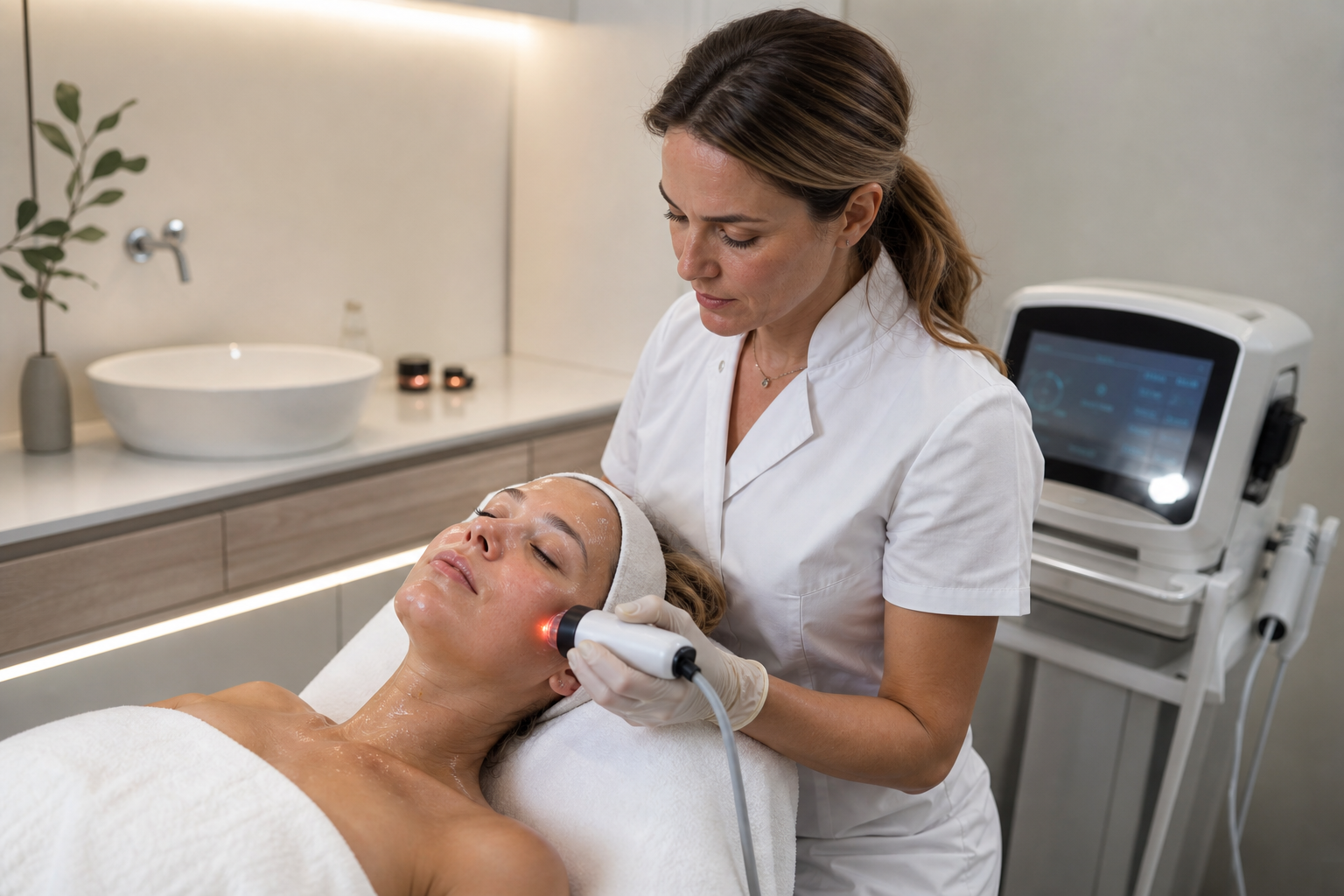
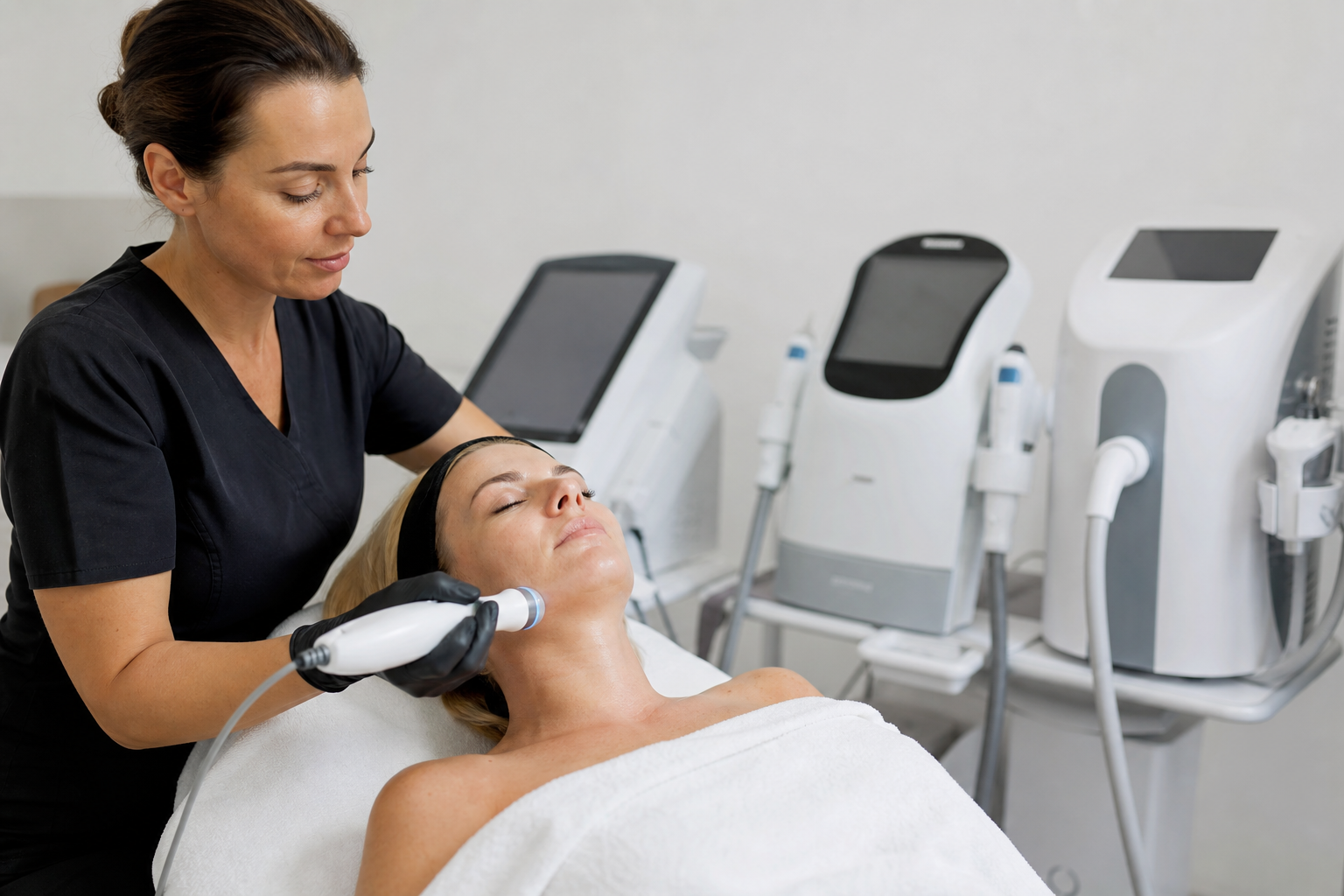
Non-Invasive RF Treatments: These treatments deliver radiofrequency energy through handheld applicators placed on the skin surface. No needles or skin penetration are involved, making the procedure painless and free of significant recovery time. Non-invasive RF is optimal for individuals seeking gentle skin tightening and texture enhancement, especially in areas like the face, neck, and décolletage. Sessions typically last between 20 and 60 minutes, with multiple treatments enhancing results.
Fractional RF Without Needles: This modality combines radiofrequency energy with fractional delivery patterns, creating zones of controlled thermal injury within the dermis. Though it spares the epidermis from direct damage, fractional RF stimulates more substantial collagen remodeling than conventional non-invasive methods. The procedure may induce mild redness and swelling, but downtime remains minimal.
RF Microneedling: This minimally invasive approach employs fine needles to puncture the skin in a controlled pattern, simultaneously delivering RF energy into the dermis. The microinjuries created activate a robust healing response while the radiofrequency heat accelerates collagen synthesis, presenting dramatic improvements in firmness, scar appearance, and skin texture. Patients can expect some redness, swelling, and tenderness for a few days post-treatment.
Minimal Invasive RF Procedures: In select cases, RF energy may be delivered via electrodes placed beneath the skin surface, often during surgical or subcutaneous procedures. Such interventions typically require local or general anesthesia but provide profound tissue tightening, sometimes rivaling surgical results.
What Are the Safety Concerns of RF Treatments with Implanted Electronic Devices?
Implanted electronic devices serve critical therapeutic functions, regulating heart rhythm, neurological activity, or sensing physiological parameters. Exposure to external electromagnetic interference (EMI) can disrupt their operation, potentially leading to life-threatening complications.
Radiofrequency treatments generate electromagnetic fields capable of producing unwanted currents or signals within these devices. Possible risks include temporary malfunction, changes in pacing thresholds, or permanent damage to the device circuitry. Although modern implants incorporate shielding and EMI resistance, no device is completely immune.
Given the lack of extensive formal studies on RF aesthetic procedures in patients with implants, a conservative approach is advocated. Many RF device manufacturers contraindicate treatment over or near the implanted device site. The decision to perform RF skin tightening should involve multidisciplinary consultation, considering the type, location, and dependency on the electronic device, as well as the RF system’s technical specifications.
What Are FDA and Medical Recommendations Regarding RF Microneedling and Device Safety?
RF microneedling has gained FDA clearance for aesthetic indications related to skin texture improvement. However, the regulatory body and professional societies emphasize contraindications for patients with implanted electronic devices. Updated safety communications remind practitioners to exercise caution and obtain thorough medical histories.
Clinicians are advised to avoid applying RF microneedling over areas containing implants or leads. Some recommend alternative non-electromagnetic modalities for such patients, ensuring therapeutic goals are met without compromising safety. Additionally, continuous device monitoring during treatment is prudent if therapy is unavoidable.
Potential Complications and How to Mitigate Them in Patients with Implants
Complications from radiofrequency treatments generally include mild erythema, edema, transient hyperpigmentation, or rare burns. In patients with electronic implants, the additional concern is device-related interference, which is not visually apparent but can have severe health implications.
To mitigate these risks, practitioners must perform a detailed pre-treatment assessment, including interrogation of the implanted device by qualified technicians when appropriate. Treatment protocols should avoid the implant site and, if necessary, use lower energy settings with careful patient monitoring. Selection of RF devices with precise energy delivery and advanced safety features can further reduce hazards.
Patient education is critical: individuals should understand the signs of device malfunction and be instructed to report symptoms such as palpitations, dizziness, or neurological changes immediately. Post-procedure follow-up with the cardiologist or implanting specialist ensures prompt management if complications arise.
How to Choose Appropriate RF Treatments When You Have an Implanted Electronic Device
For patients with pacemakers or similar implants, choosing an RF treatment requires balancing aesthetic desires with uncompromising safety. Non-RF-based skin tightening alternatives or purely mechanical therapies might be preferable first-line options.
If RF treatment is strongly desired, collaboration among the aesthetic practitioner, the patient’s cardiologist or neurologist, and device manufacturer representatives is essential. They can assess the implant type, location, and individual risk profile before proceeding.
In some cases, non-invasive RF treatments applied at safe distances from the implant may be permissible, ensuring the electromagnetic field does not encompass the device. Newer RF technologies with focused energy delivery may offer enhanced safety margins, although evidence remains limited.
What Can Patients Expect After RF Skin Tightening? Results and Recovery
For most patients, RF treatments are well-tolerated with minimal discomfort during the procedure. Patients often experience mild warmth or tingling sensations. Post-treatment effects might include slight redness or puffiness, typically resolving within hours to a few days.
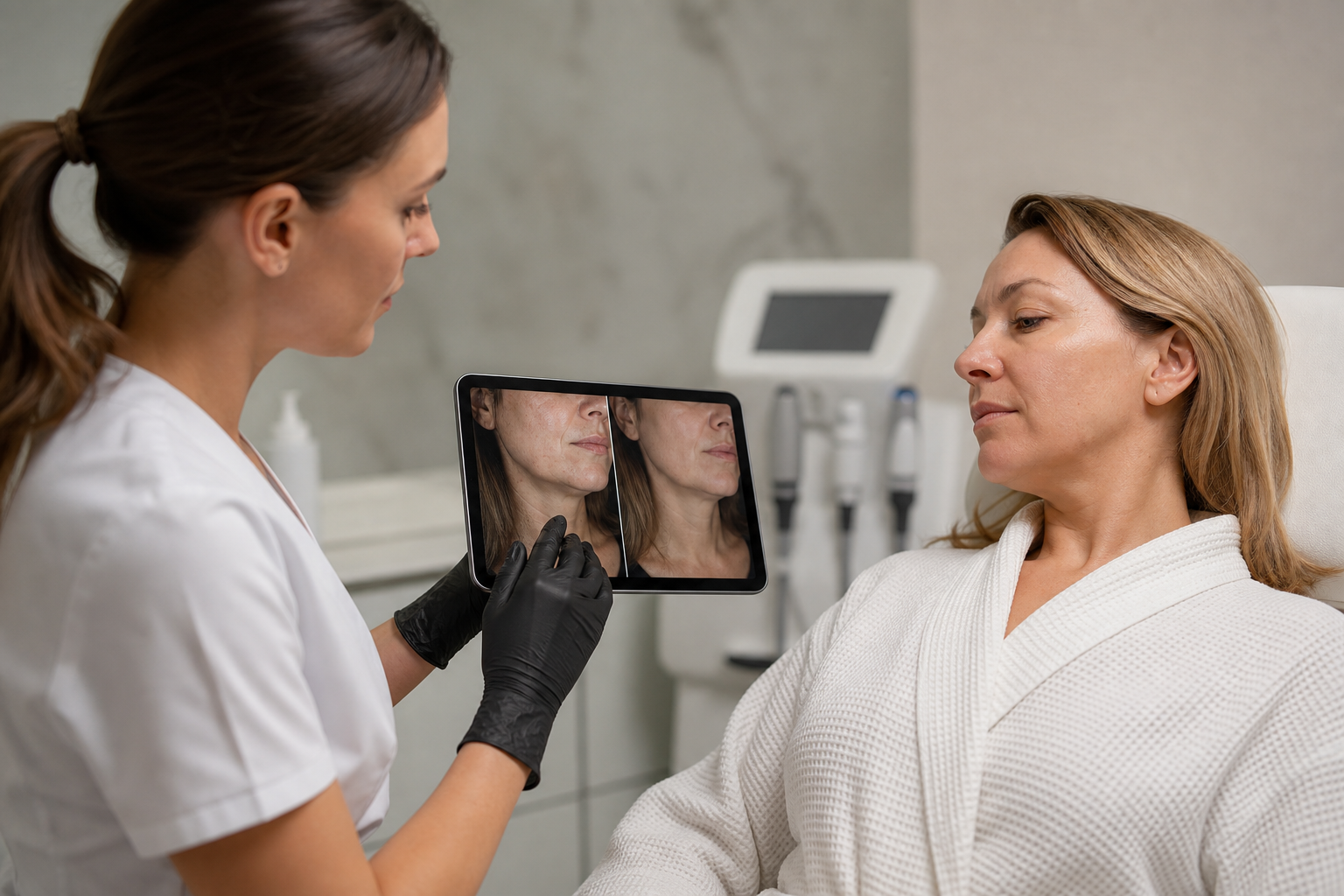
Visible improvements in skin firmness and texture usually emerge gradually over several weeks as collagen remodeling occurs. Multiple sessions spaced weeks apart can optimize results. Maintenance treatments may be recommended to sustain benefits.
Individuals with implanted devices who have undergone carefully tailored RF treatments should expect careful monitoring but similar recovery timelines, provided safety measures are followed. Patient compliance with aftercare and prompt reporting of any concerns improve outcomes substantially.