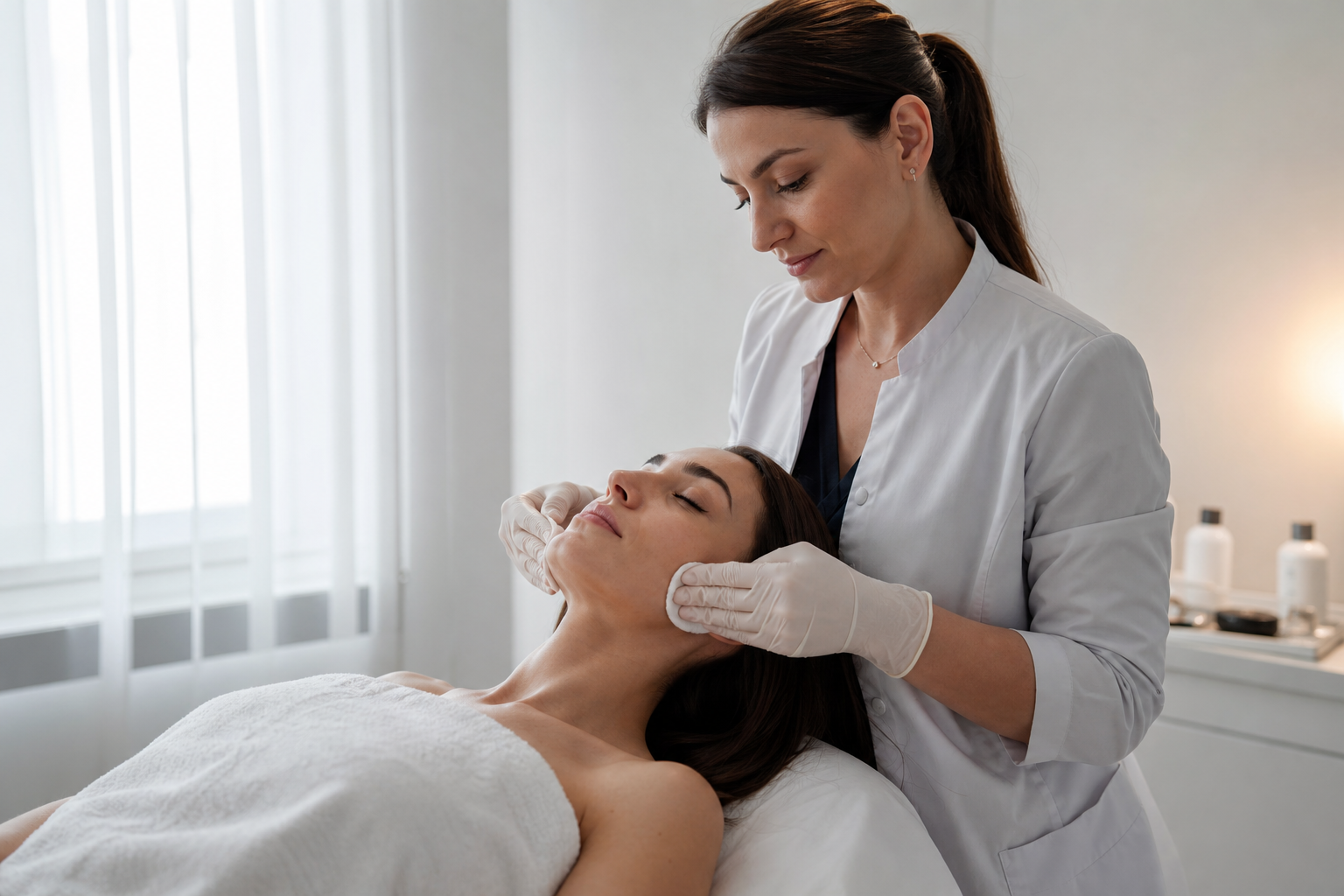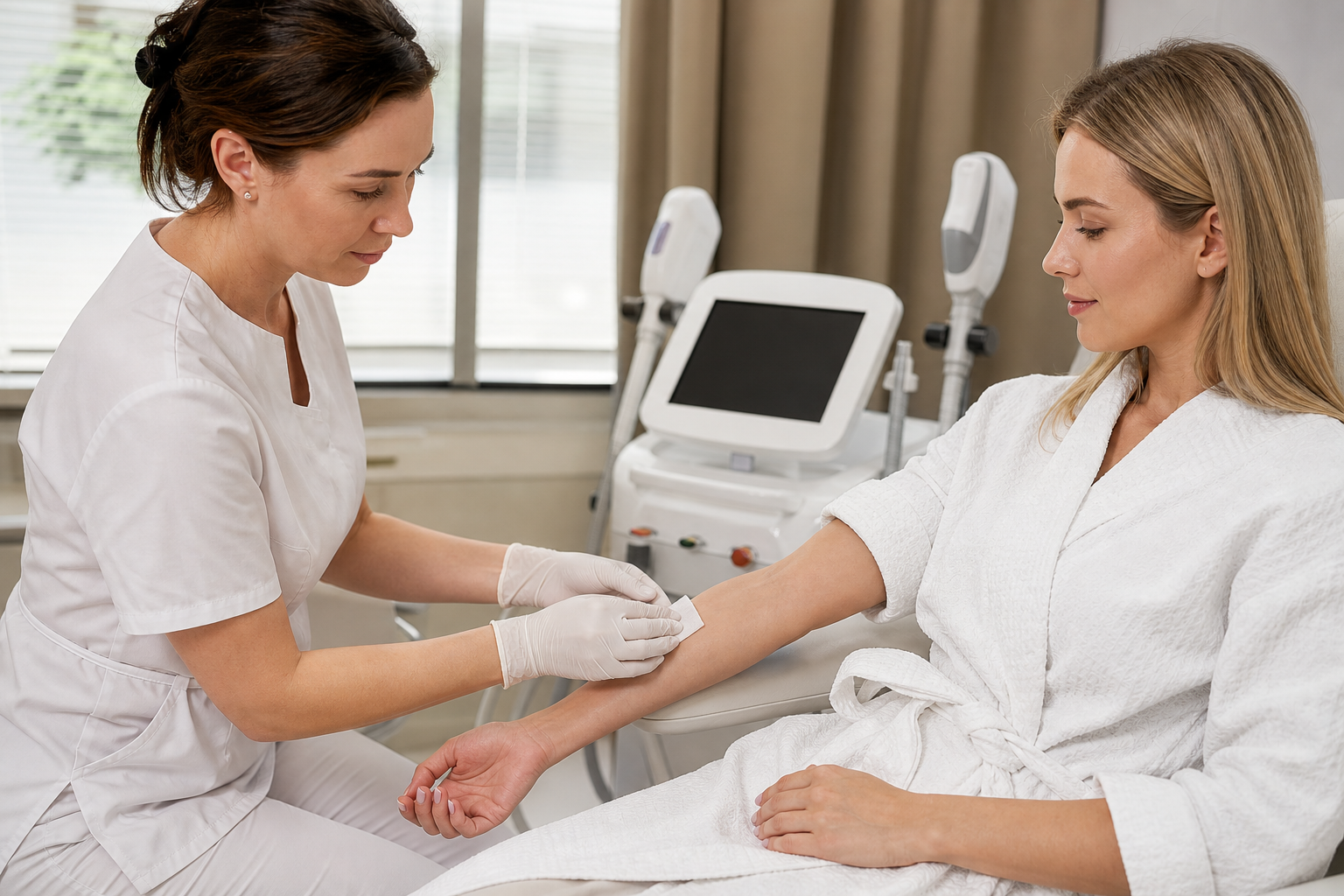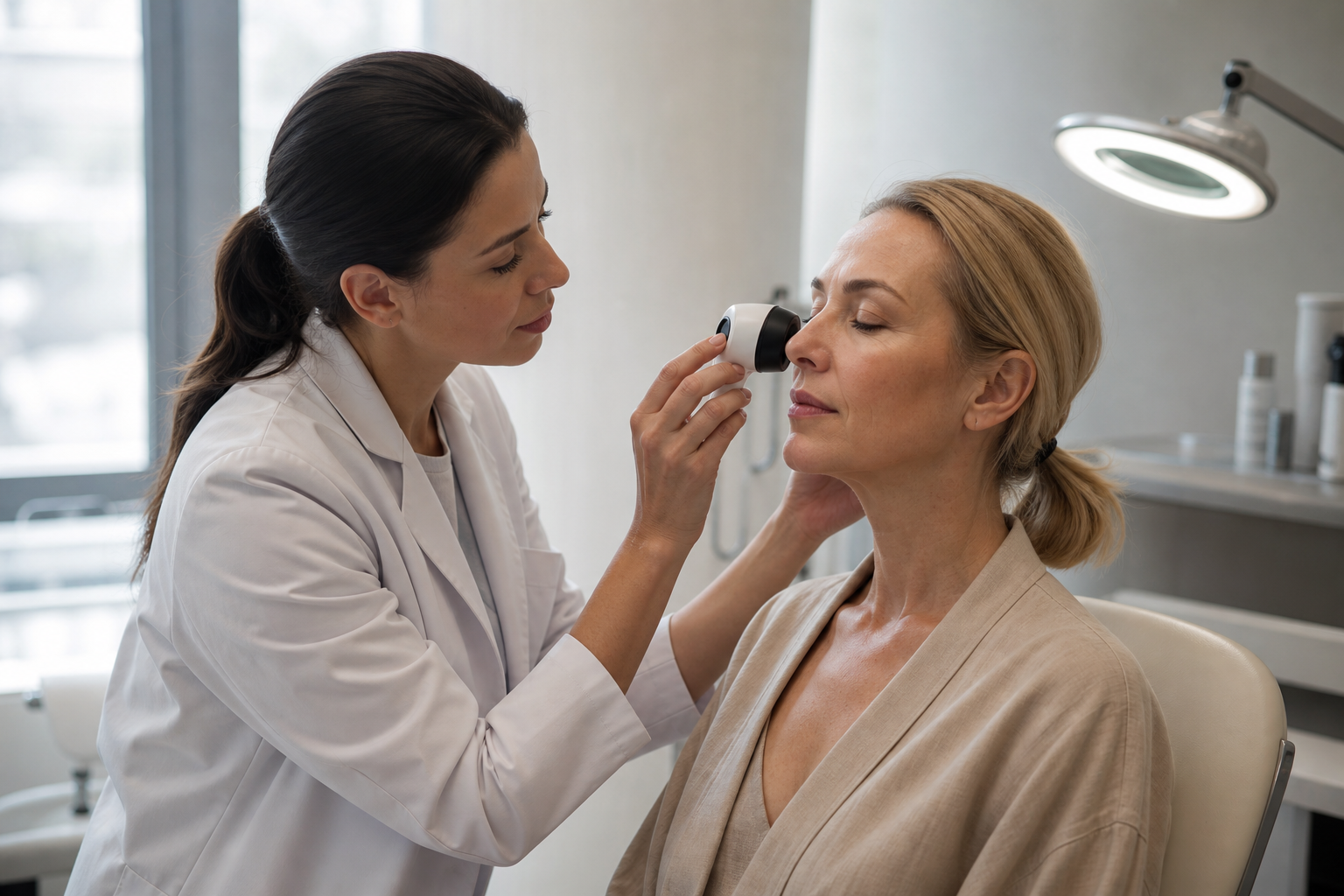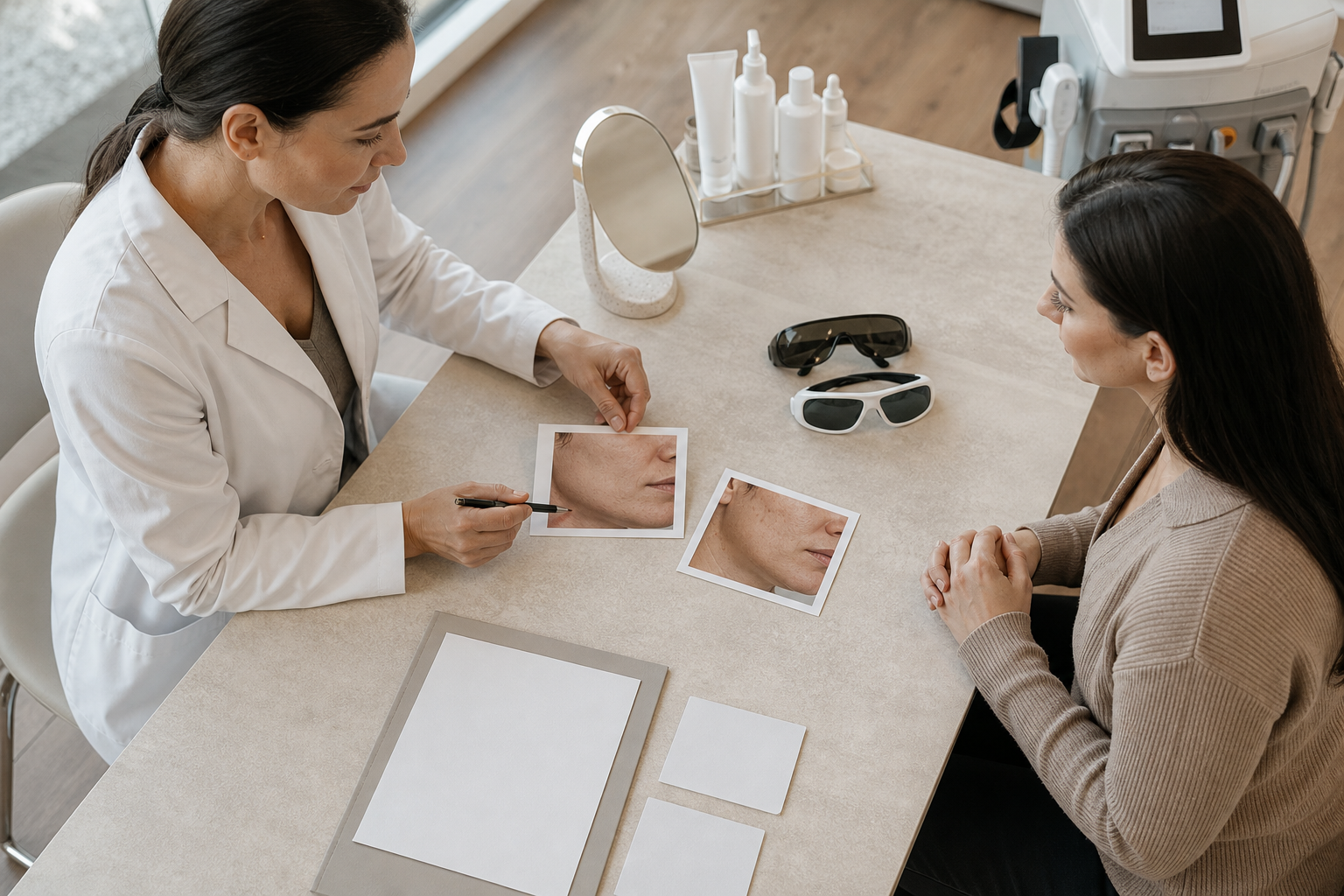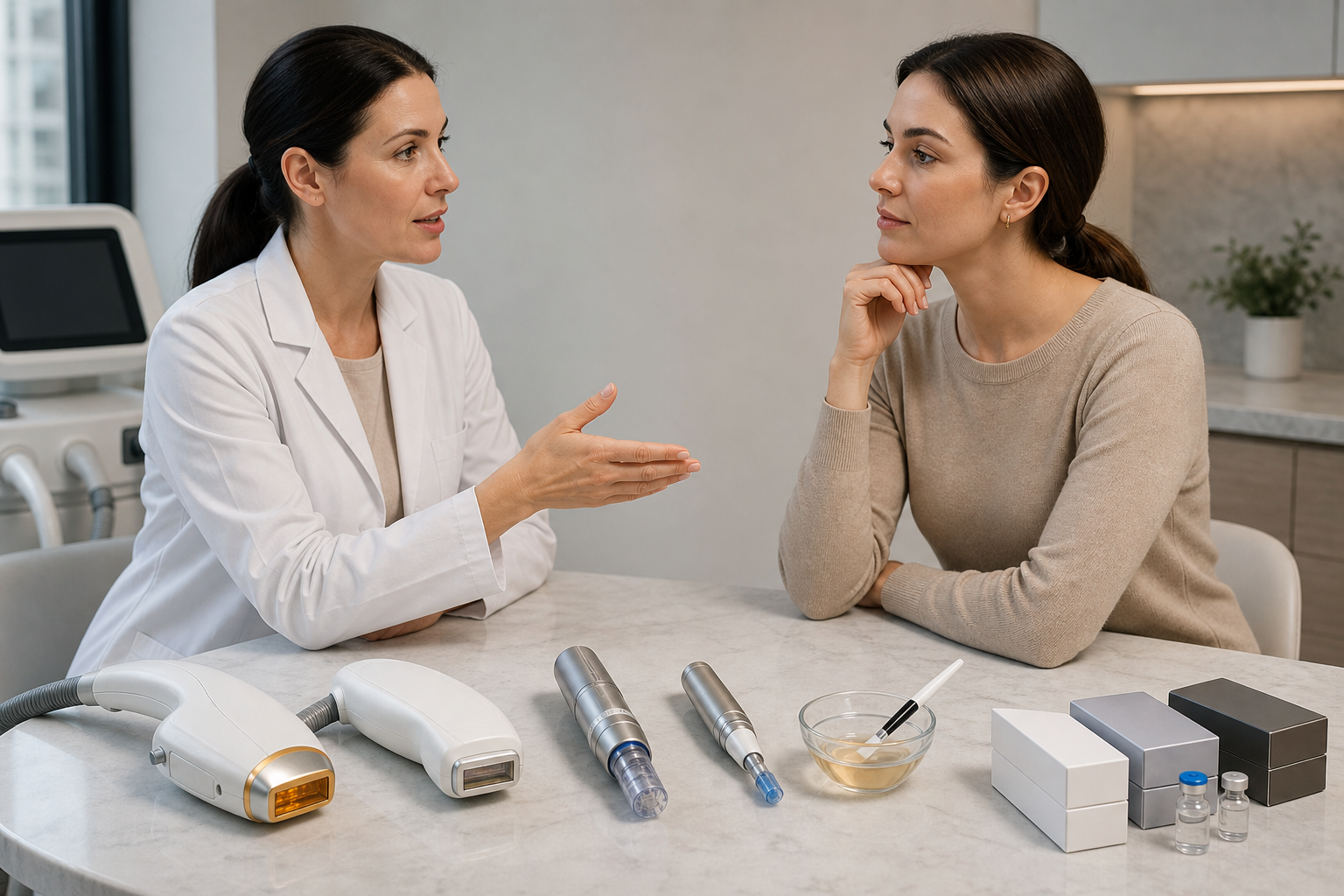
In the ever-evolving landscape of aesthetic dermatology, skin rejuvenation treatments stand as a testament to the remarkable advancements in technology and medical science. From the nuanced depths of laser resurfacing to the versatile breadth of Intense Pulsed Light (IPL), and the innovative realms of radiofrequency (RF) and microneedling, the options available to those seeking skin revitalization are plentiful and varied. Understanding these modalities—their mechanisms, suitable candidates, anticipated benefits, and associated risks—is essential for anyone considering skin rejuvenation, whether you are a prospective patient, dermatologist, or skincare professional.
This editorial seeks to illuminate the distinctions and intersections among laser therapies, IPL, RF treatments including RF microneedling, conventional microneedling, and complementary procedures such as chemical peels and biorevitalization. By dissecting their mechanisms, target concerns, downtime, and safety profiles, it offers a comprehensive guide for informed decision-making tailored to individual skin types, concerns, and lifestyle considerations.
Why does this matter? Skin health and appearance play a pivotal role not only in aesthetic satisfaction but also in one’s psychological well-being and social confidence. With no universal “best” treatment and increasing complexity in options, clarifying these modalities helps optimize outcomes and reduce adverse events. This is particularly crucial in light of recent safety advisories—such as the FDA's 2025 warning regarding RF microneedling complications—which underscore the importance of expertise and prudent selection in treatment administration.
Understanding the Fundamental Differences: What Are Lasers and IPL in Skin Rejuvenation?
A foundational clarity in skin light therapies begins with distinguishing between lasers and IPL. Despite frequent conflation, they operate on distinct physical principles and clinical targets.
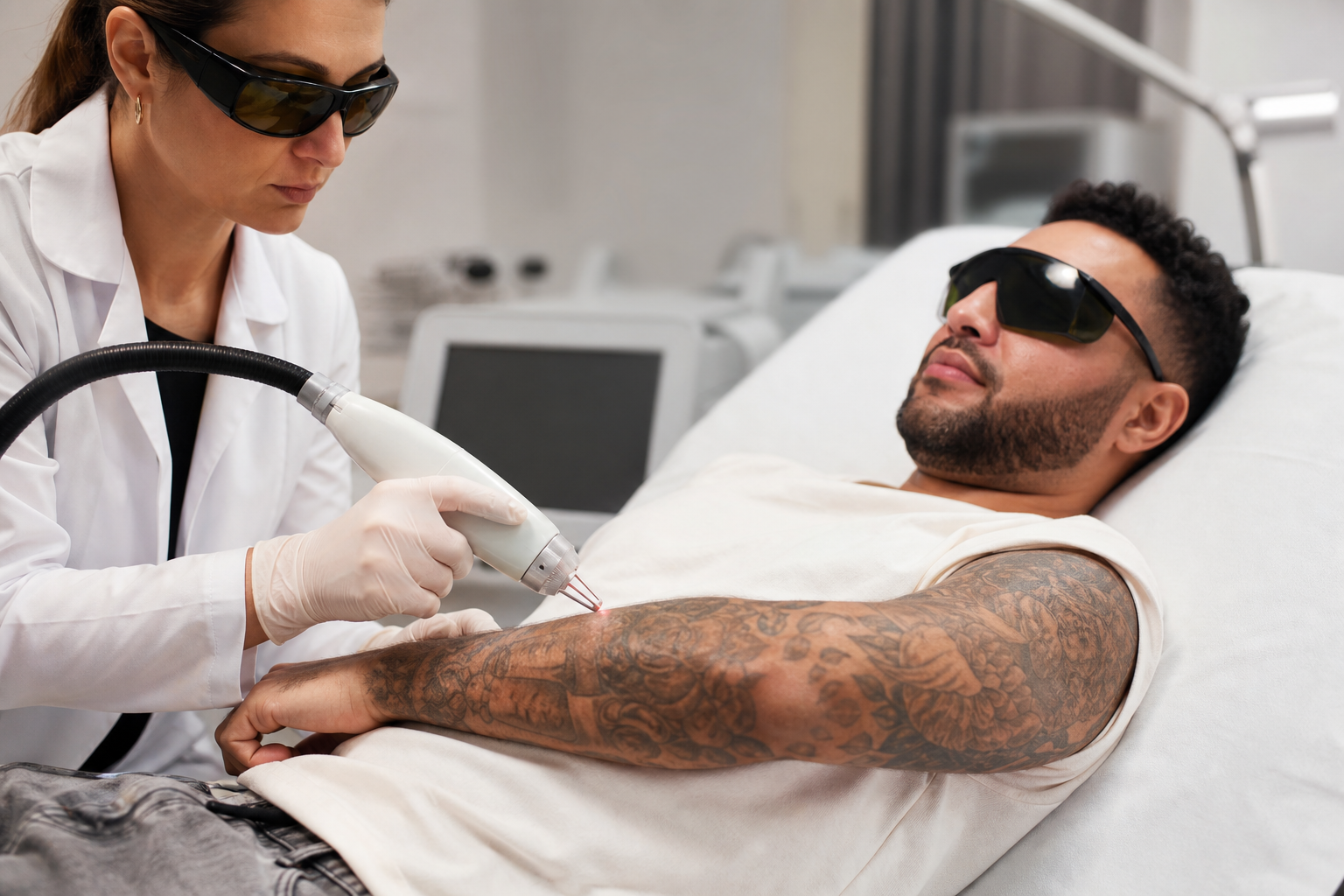
Lasers emit light of a single, highly refined wavelength, delivering coherent, focused energy. This precision allows them to target specific chromophores (melanin, hemoglobin, or water) at prescribed depths, enabling controlled interaction with the skin’s layers. Depending on their design, lasers can be ablative—removing the outer skin layers to promote regeneration—or non-ablative, stimulating collagen formation beneath the surface without damaging the epidermis.
IPL, by contrast, is not a laser. It delivers broad-spectrum, non-coherent light in pulses, dispersed across various wavelengths simultaneously. This lack of coherence and wavelength specificity makes IPL a more generalized tool, often used for pigment correction, vascular lesions, and mild skin textural improvements rather than deep resurfacing. The diffusion of energy necessitates tailored parameters to minimize collateral thermal damage, especially in darker skin types prone to pigmentary alterations.
For those seeking skin rejuvenation, recognizing that IPL offers a gentler approach with variable depth is critical. Its versatility and shorter recovery times appeal to individuals desiring subtle enhancements and quick returns to daily activities. Conversely, lasers, particularly ablative and fractional variants, deliver more pronounced and longer-lasting remodeling but demand more detailed preparation and downtime.
The Mechanism and Impact of Radiofrequency (RF) and How RF Microneedling Enhances Results
Radiofrequency technology provides a non-ionizing electromagnetic wave that penetrates the skin to generate heat deep within the dermis. This heat induces controlled thermal injury, triggering fibroblast activation and subsequent collagen and elastin synthesis, enhancing skin firmness and elasticity without superficially damaging the epidermis.
RF alone is generally delivered through surface electrodes in a non-invasive fashion, making it well-suited for patients seeking skin tightening without downtime. However, its depth of penetration and effectiveness can sometimes be limited depending on skin thickness and patient variables.
Enter RF microneedling—a hybrid treatment marrying the mechanical stimulus of microneedles creating microchannels with simultaneous RF energy delivery into the dermis. This synergy amplifies collagen induction while allowing precise control of energy depth and dispersion. While promising, RF microneedling requires careful execution. The FDA's 2025 advisory has brought attention to patient safety concerns, underscoring the necessity for trained practitioners and stringent procedural protocols to prevent burns, scarring, or pigmentary changes.
Choosing the Right Skin Rejuvenation Treatment: Factors and Patient Considerations
Skin rejuvenation is not a one-size-fits-all endeavor. Selecting an appropriate treatment involves a nuanced assessment of several factors:
Skin Type and Condition: Fitzpatrick skin types, presence of sun damage, pigmentation irregularities, acne scarring, and textural changes shape suitable therapy choices. For instance, IPL is typically preferred for lighter skin due to pigment risks.
Desired Outcomes: Whether the goal is wrinkle reduction, pore minimization, scar amelioration, or overall tone improvement influences modality choice. Ablative lasers often address deeper wrinkles and scarring effectively, while chemical peels or microneedling may be ideal for mild textural issues.
Tolerance for Downtime and Risks: Ablative lasers may entail substantial recovery with redness and peeling, while non-ablative and RF options offer more rapid return to routine.
Previous Treatments and Medical History: Certain medications, conditions like keloids, or photosensitivity may contraindicate or affect treatment safety.
Laser Skin Rejuvenation Explored: Types, Mechanisms, and Clinical Applications
Laser treatments can be broadly categorized into ablative and non-ablative varieties, each with subclasses tailored to specific goals:
Ablative Lasers: Examples include CO2 and Erbium:YAG lasers, which vaporize the epidermis and superficial dermis. This stimulates a regenerative cascade leading to collagen remodeling. These treatments are highly effective for wrinkles, deep scars, and significant photodamage but require downtime for skin healing.
Non-Ablative Lasers: Such as Nd:YAG and diode lasers, these induce dermal collagenesis without epidermal disruption, translating to milder improvements with minimal recovery.
Fractional Lasers: Combining benefits of both categories, fractional lasers target microscopic skin zones, leaving surrounding tissue intact for faster healing. They offer a balance between efficacy and tolerability, suitable for many types of skin and concerns.
Each laser type is selected based on patient needs, skin assessment, and tolerance for downtime. Clear discussions about expected outcomes, session numbers, and maintenance are critical.
Complementary Treatments: Chemical Peels and Biorevitalization in the Rejuvenation Arsenal
Chemical peels involve applying acids or enzymatic agents to exfoliate and later regenerate the skin surface. They vary from superficial (glycolic, salicylic acid) to medium-depth (trichloroacetic acid) peels. Their action mimics ablative lasers by inducing controlled epidermal injury, effective in pigmentary and textural irregularities with varying recovery profiles.
Biorevitalization, often delivered via intradermal injections of hyaluronic acid and other bioactive molecules, focuses on replenishing skin hydration, improving elasticity and supporting fibroblast function. Although it does not remove damaged skin layers, it can enhance skin quality, often used alongside microneedling to optimize absorption and efficacy.
What to Expect: Preparation, Procedure, Recovery, and Potential Risks for Different Treatments
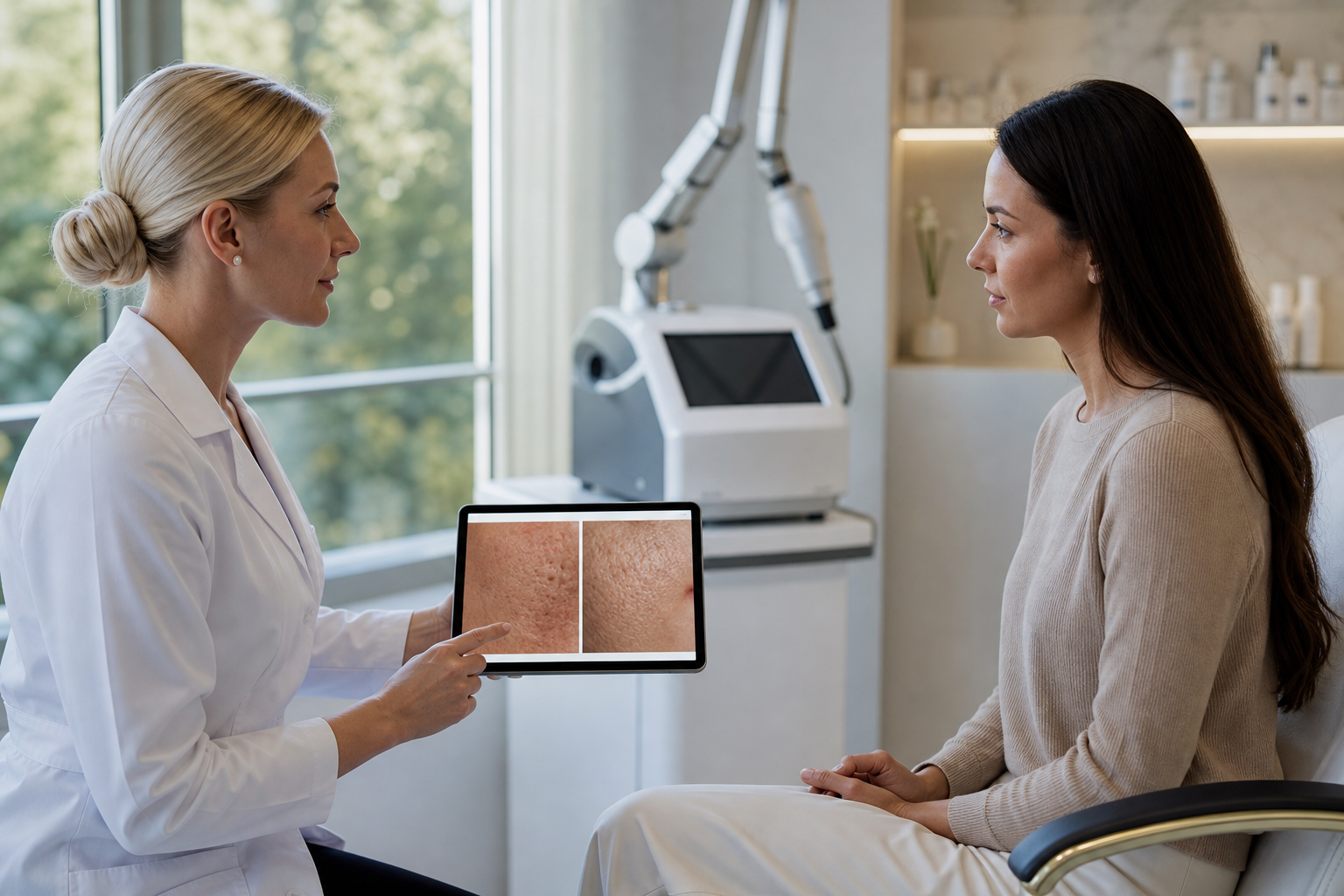
Pre-treatment evaluation by a qualified professional is paramount. This includes skin analysis, discussion of medical history, and setting realistic expectations. Patients might need to avoid sun exposure, discontinue certain medications, or pre-treat with lightening agents to minimize pigment risks.
During treatments, sensations range from mild warmth with IPL or RF to more intense stinging or pricking during ablative laser or microneedling procedures. Pain management techniques and skin cooling enhance comfort.
Recovery varies significantly: ablative lasers can induce erythema, swelling, peeling, and require days to weeks for complete healing. Non-ablative and IPL procedures have minimal to no downtime, with transient redness possible. Microneedling recovery is typically fast, with mild redness and swelling subsiding within days.
Potential adverse effects include infection, post-inflammatory hyperpigmentation or hypopigmentation, scarring, and allergic reactions, stressing the importance of post-procedural care and sun protection.
Special Caution: Understanding FDA’s 2025 Warning on RF Microneedling
The 2025 FDA advisory highlights reports of serious complications following RF microneedling, including burns and scarring. Investigations suggest that inappropriate use, device malfunctions, or inadequate patient screening can precipitate these outcomes. This heightens the imperative for selection of certified devices, treatment by experienced practitioners, and thorough patient counseling about risks and signs of complications.
Navigating the Landscape: Is There a Superior Skin Rejuvenation Treatment?
The realistic answer is that no single treatment emerges as a universal champion. Effectiveness depends on aligning modality, patient skin type, damage extent, and goals. A multimodal approach often yields synergistic benefits—for example, combining fractional laser resurfacing with biorevitalization or botulinum toxin and fillers to address volume loss and dynamic wrinkles alongside skin texture.
Critically, botulinum toxin and fillers are adjuncts improving facial contour and expression lines but do not substitute for treatments enhancing intrinsic skin quality.