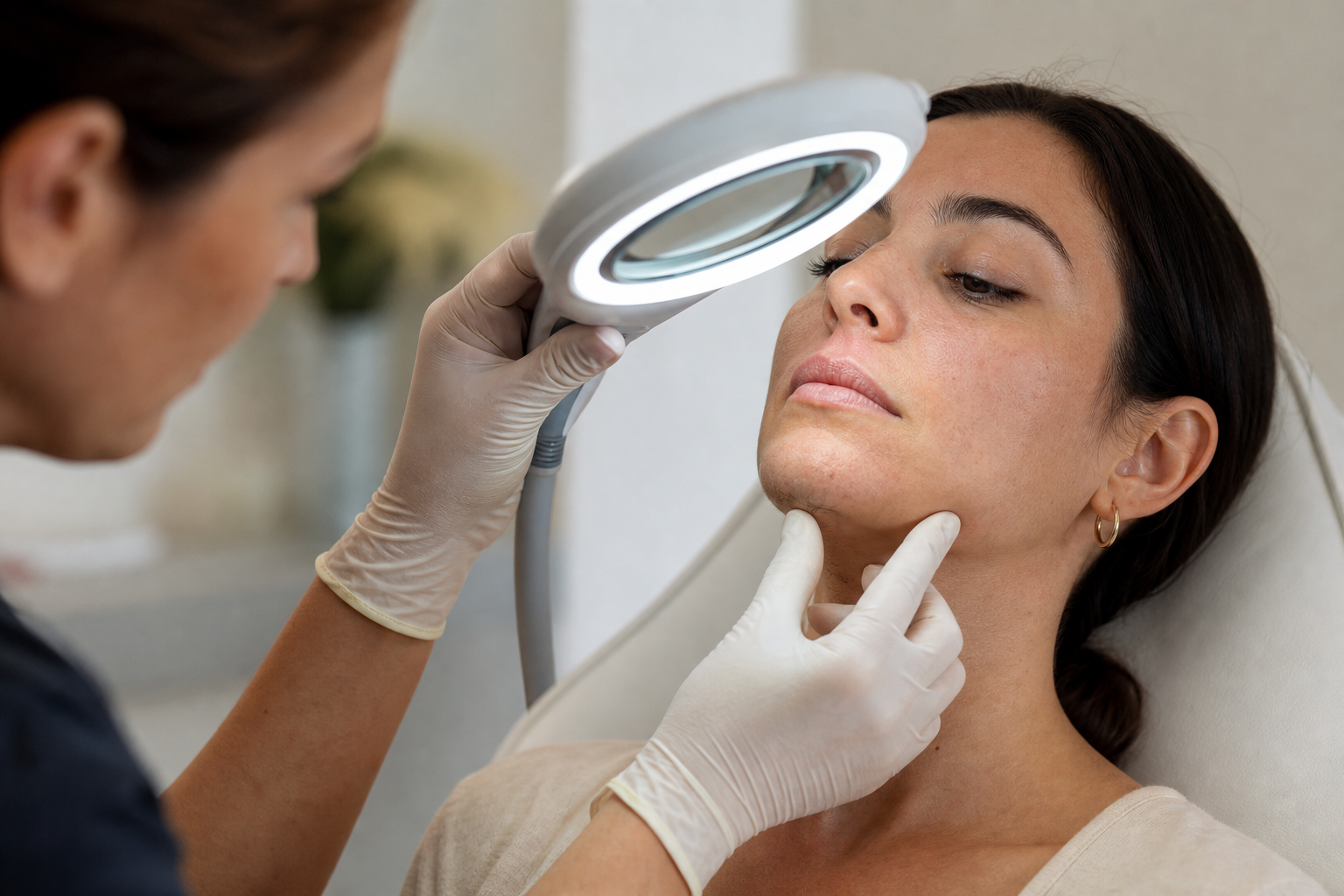
Chin laser hair removal has emerged as a leading solution for women seeking a long-lasting reduction of unwanted facial hair. This advanced cosmetic procedure utilizes precisely targeted laser energy to inhibit hair growth in the chin area, addressing a common aesthetic and psychological concern. Particularly among women experiencing hormonal fluctuations or conditions such as polycystic ovary syndrome (PCOS), elevated chin hair growth can pose persistent challenges. Understanding the nuances of chin laser hair removal—including the physiological distinctions between terminal and fine hairs, the influence of hormones, treatment protocols, candidacy considerations, and aftercare—is essential for those contemplating this approach.
This comprehensive exploration is tailored for women considering chin laser hair removal to manage facial hair with greater ease and confidence. Whether the cause is genetic predisposition, endocrine disorders, or simply unwanted hair accumulation, appreciating how laser treatment works, what to expect throughout the process, and when to seek medical advice ensures informed, realistic decisions. As a specialized facet of broader facial laser hair removal techniques, this discussion focuses on the chin specifically, while providing pointers to related topics such as upper lip or neck laser hair removal.
The significance of chin laser hair removal extends beyond cosmetic preference; it frequently impacts self-esteem and lifestyle choices. Conventional methods like shaving, waxing, and plucking can become tedious, painful, and may induce skin irritation or folliculitis. Laser hair removal represents a scientifically grounded alternative designed to reduce hair density with precision, minimizing discomfort and providing a pathway toward smoother, clearer skin. However, potential candidates must be mindful that outcomes depend on several biological and technical factors, emphasizing the importance of customized consultation and planning.
What Is Chin Laser Hair Removal and How Does It Work?
Chin laser hair removal is a dermatological procedure that employs concentrated beams of light to target hair follicles beneath the skin’s surface. The fundamental mechanism involves laser light absorption by melanin—the pigment found within hair shafts—with the resulting heat energy damaging the follicle and impeding its ability to regenerate hair. This photothermolysis effect is selective, sparing surrounding tissue by focusing primarily on pigmented structures.
The chin area often contains a heterogeneous mix of hair types, ranging from thick, pigmented terminal hairs to lighter, finer vellus hairs. Laser hair removal technology is generally most effective on terminal hairs due to their higher melanin content. Fine hairs, less pigmented and thinner, are more challenging to target and may respond less robustly to treatment. Therefore, practitioners adjust laser settings and employ specialized devices optimized for facial hair patterns to maximize efficacy while ensuring safety.
Importantly, laser hair removal efficacy correlates with the hair growth cycle phases. Hair does not grow continuously; it cycles through anagen (active growth), catagen (transitional), and telogen (resting) stages. Laser energy is most effective during the anagen phase when melanin concentration is highest and follicles are active. Since not all hair follicles are simultaneously synchronized in their cycles, multiple treatment sessions spaced at intervals are required to sequentially target follicles as they enter the anagen phase.
Who Should Consider Chin Laser Hair Removal?
The ideal candidates for chin laser hair removal are adult women seeking lasting reduction of unwanted hair in the chin region. This includes individuals experiencing hirsutism—excessive coarse hair growth—influenced by hormonal imbalances such as PCOS, adrenal disorders, or medication effects. Women frustrated with the frequent need for temporary removal methods like waxing or shaving, especially when these cause irritation or skin damage, often find laser treatment advantageous.
That said, candidacy involves several considerations related to skin and hair characteristics. Women with darker terminal hairs contrasting against lighter skin tones typically achieve the best results because laser systems can readily detect melanin differences. Conversely, individuals with very light blonde, grey, or red hairs may not derive significant benefit, as insufficient pigment limits laser absorption.
Additional factors affecting suitability include current health status and medication profile. Laser hair removal is generally not advised during pregnancy due to lack of conclusive safety data. Certain dermatological conditions (e.g., active infections, eczema) and photosensitivity-inducing medications warrant precaution or deferral. A thorough clinical evaluation prior to treatment initiation is critical to ascertain whether laser hair removal is appropriate and to customize the regimen accordingly.
How Do Hormones and PCOS Affect Chin Hair and Treatment Outcomes?
Hormonal fluctuations profoundly influence hair growth patterns, and this is particularly evident in conditions like PCOS, a common endocrine disorder characterized by elevated androgens (male hormones) which stimulate hair follicle activity in androgen-sensitive areas such as the chin. Women with PCOS often present with dense, coarse chin hair that tends to resurge quickly after conventional removal.
The hormonal milieu can both enhance and complicate laser hair removal outcomes. On the positive side, the thicker and more pigmented hairs resulting from androgen stimulation are generally more susceptible to laser targeting. However, the persistent hormonal drive may promote regrowth even after multiple sessions, necessitating maintenance treatments and concomitant endocrinological management.
Optimal results often depend on integrating laser hair removal with medical therapies aimed at regulating hormone levels. Coordination with endocrinologists to address underlying imbalances can improve long-term hair reduction and reduce the frequency of refresher sessions. Without hormone control, patients may experience ongoing follicular stimulation limiting the permanence of laser effects.
What Does the Laser Hair Removal Treatment Cycle for the Chin Look Like?
The typical laser hair removal course for the chin involves a series of sessions generally ranging between six and ten treatments. Each session targets hair follicles in different growth phases to progressively reduce the overall follicular population capable of producing hair. Sessions are usually spaced every four to six weeks to allow hairs to cycle into the anagen phase for effective targeting.
Ambient and seasonal factors also influence treatment scheduling. Because laser energy absorption and skin reactivity vary with melanin levels, recent or intense sun exposure—leading to tanned or darker skin—can increase the risk of adverse effects like hyperpigmentation. Consequently, autumn and winter are often preferred periods for initiating chin laser hair removal due to lower natural sun exposure.
Adherence to the full treatment regimen is crucial; premature discontinuation may result in incomplete hair reduction and the need to restart or extend treatment. Patience and realistic expectations underpin successful outcomes.
How to Prepare for Chin Laser Hair Removal and Ensure Proper Aftercare
Preparation enhances both safety and effectiveness of chin laser hair removal. Patients are advised to avoid sun tanning, tanning beds, and artificial UV exposure for at least two weeks before a session to minimize skin sensitivity and pigmentation risks. Additionally, the treatment area should be shaved one to two days prior—this prevents laser energy absorption by surface hair, focusing it on the follicle instead.
Patients must refrain from waxing, plucking, or epilating for several weeks before laser sessions, as these methods remove the hair follicle itself and reduce laser effectiveness. The presence of intact hair shafts within follicles is essential for optimal laser action.
After treatment, gentle skin care is paramount. The procedure may cause transient redness, swelling, or tenderness resembling mild sunburn. Cooling the area, applying soothing emollients recommended by the specialist, and avoiding makeup, harsh cleansers, or exfoliation for at least 24 to 48 hours help speed recovery. Sun avoidance and regular use of broad-spectrum sunscreen are critical to protect sensitized skin and prevent pigmentation changes.
What Happens During Chin Laser Hair Removal Sessions and What Should You Expect?
During treatment, the patient typically wears protective eyewear while the operator uses a handheld laser device to deliver calibrated pulses of light to the chin area. The sensation is often described as brief snaps or tingling, sometimes likened to the snap of a rubber band. Most modern laser systems incorporate integrated cooling to mitigate discomfort and protect the epidermis.
Sessions usually last between 15 and 30 minutes, contingent on hair density and area size. Immediately after, the skin may present mild erythema (redness) and increased sensitivity, which generally resolve within a few hours to a couple of days.
With successive treatments, hair shafts become thinner, lighter in color, and sparser. Many patients observe visible improvement after two to three sessions, but full treatment completion is necessary for maximum hair reduction. Some residual fine hairs may persist and require occasional touch-ups.
Realistic Expectations and Maintenance After Chin Laser Hair Removal
While chin laser hair removal can significantly diminish hair growth, it does not guarantee permanent 100% hair removal for all individuals. Clinical data suggests a long-term reduction in hair density between 70 and 90 percent for most patients, with remaining hairs frequently being finer and less noticeable.
Variability depends on factors such as hair and skin type, hormonal influences, and adherence to treatment protocols. Due to the cyclical nature of hair growth and potential hormonal fluctuations, occasional maintenance sessions—generally annually—may be necessary to preserve optimal results.
Patients with chronic hormonal conditions like PCOS often experience hair regrowth triggered by ongoing endocrine stimuli, highlighting the importance of integrating laser treatment with medical management. It is prudent to maintain regular follow-up consultations with practitioners to assess hair regrowth and modify maintenance intervals accordingly.
When Is It Important to Seek Medical Advice and What Are Potential Contraindications?
Medical evaluation before beginning chin laser hair removal is advisable to ensure suitability and mitigate risks. Individuals with active skin infections, irritated or inflamed areas, keloid predisposition, or pigmentation disorders such as vitiligo should discuss these conditions with a dermatologist prior to treatment.
Photosensitive medications, including certain antibiotics, retinoids, or chemotherapy drugs, can increase risk of adverse reactions during laser treatment. Full disclosure of medical history and current medications enables the clinician to adjust or postpone therapy as appropriate.
Pregnancy is generally considered a contraindication due to inconclusive safety data, prompting deferral of laser hair removal until postpartum. Furthermore, persons with a history of photosensitivity, autoimmune diseases, or specific neurological conditions should seek specialist advice before proceeding.


