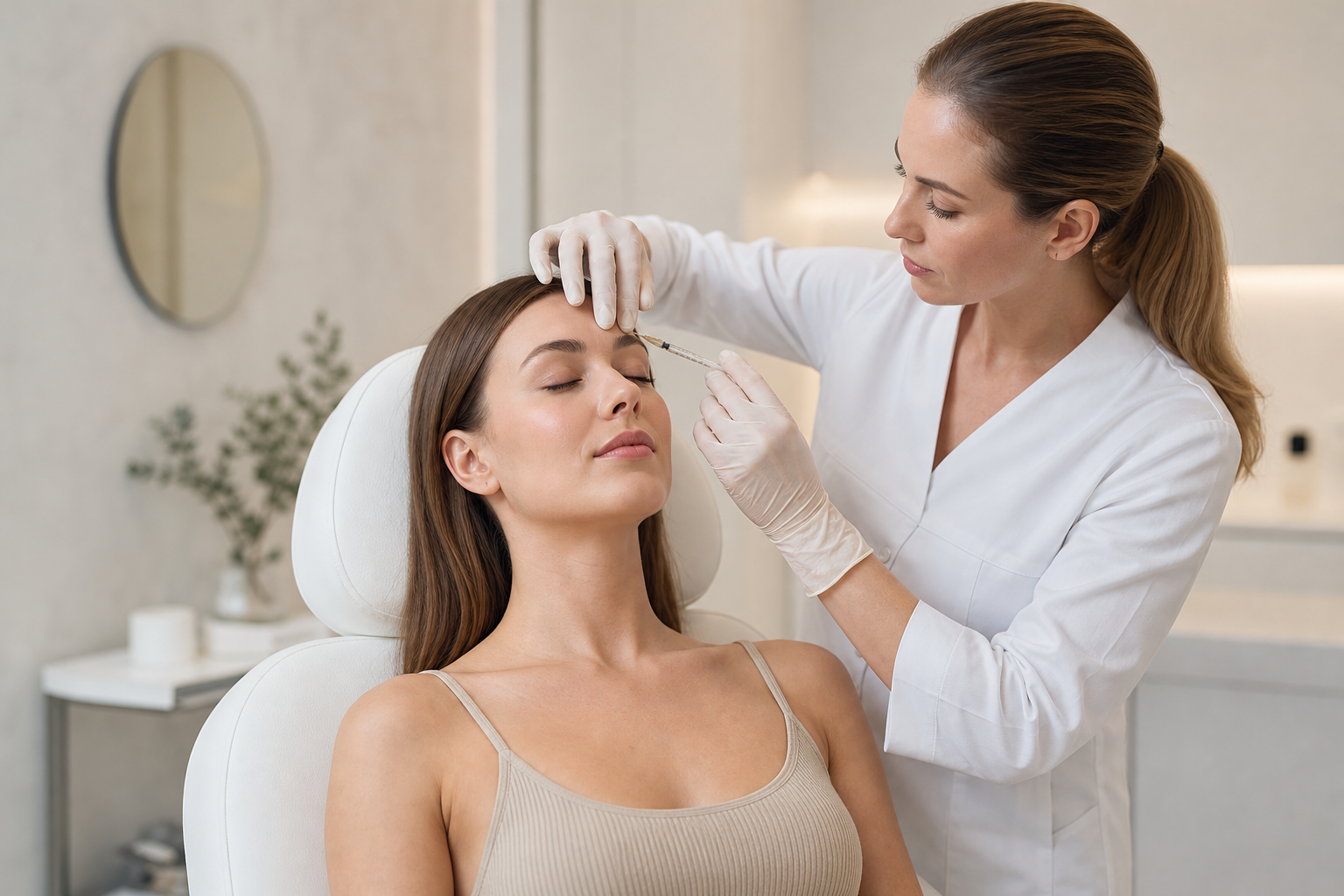
Botox, one of the most renowned names in aesthetic medicine worldwide, has revolutionized the approach to facial rejuvenation and wrinkle reduction. For individuals seeking a non-surgical method to soften lines and refresh their appearance, understanding the intricacies of Botox — including exactly when it begins to take effect — is essential. Whether you are contemplating your first treatment or maintaining results from previous sessions, knowing what to expect from the onset of Botox's action can guide your decisions and set realistic expectations.
Originally utilized for medical conditions involving muscle spasms, Botox’s rise in cosmetic use stems from its ability to target dynamic wrinkles caused by facial expressions. However, despite its popularity, misconceptions still linger about how immediately patients can observe improvements. In reality, Botox operates through a precise biochemical mechanism requiring time to manifest visible results.
This article delves into the science behind Botox’s mechanism of action, the typical timeframes when effects begin, variations based on individual factors, and safety considerations essential to achieving optimal outcomes. It is designed to equip prospective and current Botox users with expert, practical insight, fostering an informed and confident experience throughout their aesthetic journey.
The Scientific Mechanism Behind Botox: Temporarily Calming Facial Muscles
At its core, Botox is a preparation containing botulinum toxin type A, a neurotoxin that blocks the communication between nerve endings and muscles. When injected into specific facial muscles responsible for expression lines, Botox inhibits the release of acetylcholine, a neurotransmitter necessary for muscle contraction. This blockade results in temporary muscle relaxation, preventing the formation of wrinkles such as those on the forehead, between the eyebrows, and crow’s feet around the eyes.
The biochemical interruption caused by Botox initiates a gradual process rather than an instant effect. After injection, the toxin binds to nerve terminals and impedes the transmission of signals, making the targeted muscles less reactive. Consequently, the overlying skin smooths out as muscle movement diminishes. Since this interaction is reversible, with nerve endings eventually regenerating, the effects of Botox are temporary and typically last several months before re-treatment becomes necessary.
Typical Timeframes for Botox to Start Working: Patience is Key
One of the most frequent questions clients ask is, "When will I see results after Botox?" Clinical evidence and practitioner experience collectively indicate that initial effects can begin as early as 24 to 72 hours post-injection. Subtle softening of fine lines may be observed within this window, providing an early hint of the treatment’s impact.
However, the full, visible outcome generally reaches maturity between 7 and 14 days following the procedure. By this time, the neuromuscular junctions affected by Botox have fully disrupted muscle contraction patterns. Patients will notice significantly diminished wrinkles, smoother skin texture, and a refreshed but natural-looking expression.
This developmental timeline underscores why immediate gratification is unrealistic and why practitioners advise waiting at least two weeks to assess results accurately before considering adjustments. The gradual onset also allows for the body to adapt to reduced muscle activity respectfully, reducing abrupt facial stiffness or unnatural appearances.
Factors Influencing Speed and Extent of Botox Effects
Although general timelines exist, the onset and intensity of Botox's action can vary significantly among individuals based on multiple factors. Age is a prominent consideration; older patients often exhibit slower and less pronounced response due to diminished skin elasticity and longer-standing wrinkle formation. Muscle strength also plays a critical role — individuals with robust facial musculature may require higher doses or more time to experience full relaxation.
Additionally, the depth and type of wrinkles influence outcomes. Dynamic wrinkles, caused by facial movements, respond better and more quickly than static wrinkles, which are present even at rest. The technique employed by the administering professional, including injection sites, dosage precision, and needle placement, profoundly affects the speed and uniformity of results.
Individual biological variability, including metabolic rate and neuromuscular responsiveness, further modulates Botox’s performance. For example, some patients metabolize the toxin faster, leading to a shorter duration of effect and potentially an earlier onset of diminishing results.
Assessing Botox Results: When and How to Evaluate Treatment Efficacy
Accurate assessment of Botox's effect requires a methodical approach. A clinical evaluation is best conducted 7 to 14 days after treatment, providing sufficient time for maximal muscle relaxation and wrinkle diminution. Practitioners typically look for the degree of wrinkle reduction, symmetry of muscle relaxation, and absence of unwanted side effects such as ptosis or asymmetry.
Photographic documentation taken before and after treatment can offer an objective visual comparison, helping both patients and clinicians perceive subtle improvements that may elude casual observation. Patients should monitor changes without expecting dramatic overnight transformation, appreciating the progressive restoration of a youthful contour and softened expression.
If initial effects appear incomplete or uneven, a touch-up session may be scheduled within two weeks to reinforce treatment in under-corrected areas. However, overtreatment should be avoided to maintain natural-looking mimic and prevent complications.
Maintenance and Re-Treatment: Understanding the Longevity of Botox Effects
Typically, Botox’s muscle-relaxing effects endure for about four to six months. The gradual regeneration of nerve endings reinstates muscle activity, potentially leading wrinkles to re-emerge if left untreated. To sustain smooth skin and delay the recurrence of lines, patients often undergo repeat treatment cycles at regular intervals.
It is recommended that re-treatment timing balances maintaining aesthetic benefits and minimizing the risk of resistance development or antibody formation against the toxin. Experienced practitioners tailor maintenance schedules individually, considering prior response, age progression, and lifestyle factors.
In some cases, earlier supplementation may be necessary, especially if the initial dose was conservative or muscle activity returns faster than average. Proper consultation and monitoring ensure that top-up procedures complement the original treatment, achieving continuous rejuvenation without overexposure.
Safety Considerations and the Importance of Qualified Medical Supervision
Botox is widely regarded as a safe and effective therapeutic agent when administered by trained and certified medical professionals. Its safety profile hinges on strict adherence to recommended dosage guidelines, sterile injection techniques, and comprehensive patient assessment prior to treatment.
Certain conditions warrant careful consideration or preclude the use of Botox, including neuromuscular disorders such as myasthenia gravis or Lambert-Eaton syndrome, pregnancy, breastfeeding, and hypersensitivity to botulinum toxin components. An experienced specialist will conduct a thorough medical history review and discuss potential risks and benefits, ensuring informed consent.
Prompt consultation is advisable if unexpected side effects like asymmetry, muscle weakness beyond target areas, or allergic reactions arise. This proactive approach minimizes complications and promotes a safe experience supporting desired aesthetic results.
Guiding Expectations: Realistic Timeframes Enhance Patient Satisfaction
Awareness of when Botox begins to work directly influences patient satisfaction and treatment success. Managing expectations realistically fosters trust between patient and practitioner, guiding decisions around scheduling, outcome evaluation, and potential retreatments.
Users should embrace the natural progression of changes, recognizing that the transformative effects unfold gently over several days to weeks rather than instantaneously. This understanding helps mitigate disappointment and supports patience through the critical early post-treatment phase.
Moreover, framing Botox as a maintenance-oriented, ongoing form of facial care rather than a one-time magic fix empowers individuals to engage in comprehensive aesthetic strategies, integrating skincare, sun protection, and lifestyle practices to enhance and prolong results.


