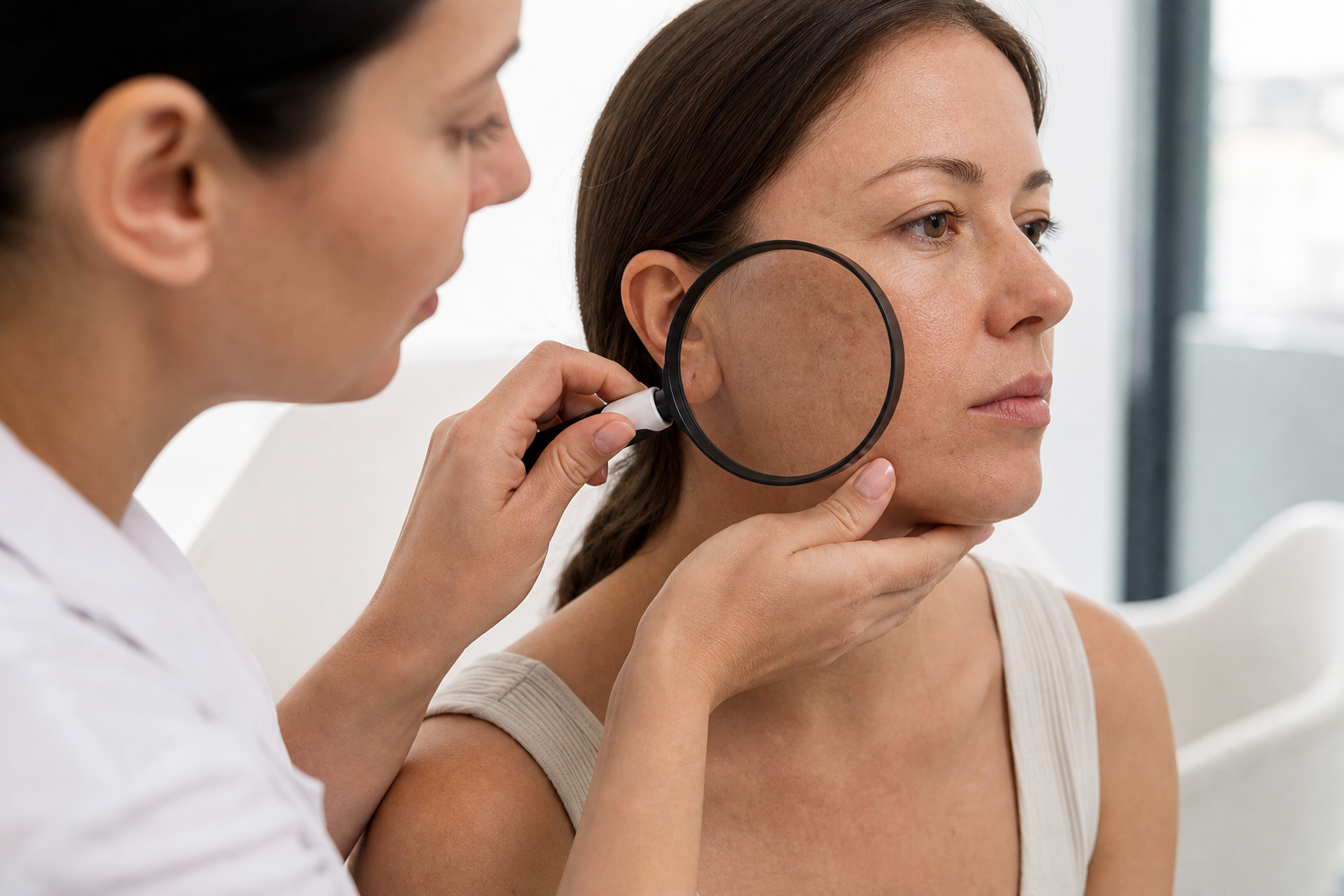
Before-and-after photos are among the most prevalent visual tools used in the aesthetic medicine and beauty industries to illustrate the effects of various treatments and procedures. These images aim to provide prospective clients or patients with tangible visual evidence of the changes and improvements they might expect following interventions such as laser skin rejuvenation, pigmentation correction, vascular treatments, or hair removal. However, while powerful, these photos come with inherent limitations and nuances that must be understood to make informed decisions about undergoing aesthetic procedures.
This article is crafted for individuals considering advanced laser treatments and other aesthetic procedures who seek transparency and realistic expectations before choosing a clinic or treatment modality. It is particularly useful for those at the preliminary stages of their decision-making process, who want to critically assess visual representations of treatment outcomes and discern what these images genuinely reveal—and importantly, what they do not.
Understanding the capabilities and constraints of before-and-after photos is critical not only to avoid misunderstandings and disappointment but also to empower patients to engage in discussions with their healthcare providers armed with realistic knowledge. As the market becomes saturated with marketing campaigns that leverage such photographic evidence, clarity about their authenticity and reliability becomes imperative.
What Can Before-and-After Photos of Aesthetic Treatments Actually Show?
Before-and-after photos primarily serve as a form of visual documentation that captures the physical changes achieved through a particular procedure. When executed correctly, these images can provide clear insights into the efficacy and impact of a treatment. Specifically, they can demonstrate:
1. Visible Improvements in Skin or Treatment Areas: Photos taken before and after procedures like laser skin rejuvenation can reveal reductions in wrinkles, fine lines, pigmentation irregularities, vascular lesions, or unwanted hair. The comparison can highlight the tangible changes experienced, assuming consistent photographic conditions.
2. Treatment Progress and Timing: A series of images presenting different treatment stages—from baseline, through intermediate sessions, to final outcomes—can help visualize the timeline over which improvements unfold. This assists prospective patients in setting realistic expectations about when they might observe notable results.
3. Practitioner Consistency and Quality: Clinics or practitioners who maintain a portfolio of systematically documented before-and-after photos often demonstrate a commitment to transparency and quality. These collections can indicate expertise, attention to detail, and consistency in treatment delivery.
Why Can't Before-and-After Photos Tell the Whole Story?
Despite their utility, before-and-after images have significant limitations that must be acknowledged:
Variability in Photography Conditions: Differences in lighting, camera angle, facial expressions, and positioning between pre- and post-treatment photos can distort perception and either exaggerate or diminish visible outcomes. The use of filters or photo editing further compromises authenticity.
Absence of Internal and Long-Term Indicators: Photos cannot convey underlying skin health, dermal changes at cellular levels, or the sustained longevity of results. They do not portray how skin might respond over months or years beyond the final image captured.
Individual Biological Differences: Every patient exhibits unique physiological responses influenced by factors such as skin type, age, genetics, and health status. A photo of another person’s result is not predictive of one's own response, recovery, or risk of side effects.
Potential Selection and Presentation Bias: Clinics might showcase only their most successful cases, omitting average or less favorable outcomes. This selective representation can contribute to unrealistic expectations.
The Importance of Standardized Documentation and Patient Consent
For before-and-after photos to be ethically and professionally valid, adherence to certain standards is essential:
Consistent Photographic Technique: Images should be captured under identical conditions with the same lighting, angle, distance, and neutral facial expression to ensure fair comparison. No digital enhancements or filters should be applied.
Explicit Patient Consent: Patients’ permission must be obtained before their images are used, with full disclosure about where and how the photos will be displayed to safeguard privacy and comply with legal requirements.
Transparency Regarding Treatment Details: Clear notes about the timing of photos, number of sessions, any adjunct procedures, and the device or method used should accompany images to provide context.
How Can Patients Discern Genuine from Misleading Photographic Evidence?
Given the prevalence of marketing-oriented imagery, prospective patients should employ critical evaluation criteria, including:
Assess the Source: Photos hosted on official medical platforms or by reputable providers with verified credentials generally offer greater reliability.
Cross-reference with Authoritative Guides: Exploring comprehensive resources such as How to Choose a Laser Treatment and a Reputable Clinic or Laser Skin Rejuvenation – A Complete Guide to Treatments, Results and Recovery helps set grounded expectations and understanding.
Engage in Detailed Consultations: Discussing visuals with treating professionals and asking pointed questions—supported by articles like What Should You Ask at a Consultation Before Treatment?—can clarify doubts and provide individualized insights.
When Are Before-and-After Images Most Critical in the Aesthetic Journey?
These photos hold particular value in scenarios involving complex or multi-stage treatments that require time to reveal effects, such as:
Custom-tailored Interventions: Procedures that are highly individualized benefit from visual tracking to monitor progress and make timely adjustments.
Long Recovery Timelines: Treatments like laser resurfacing may involve extended healing. Sequential photos help document stages of temporary side effects and eventual improvement.
Educational Context for Future Patients: Authentic images can reduce anxiety by setting practical expectations and fostering trust in providers.
How to Identify and Guard Against Unrealistic Treatment Claims in Photographic Marketing?
Marketing in the aesthetic sector often capitalizes on optimistic depictions. Patients should remain vigilant by:
Questioning Exaggerated Promises: Skepticism is warranted when claims suggest flawless, immediate transformations without qualification.
Seeking Information on Risks and Variability: Responsible providers disclose potential complications and emphasize the individualized nature of results, as discussed in articles like Why Does the Same Type of Laser Produce Different Results?
Understanding Technical and Practitioner Factors: Materials such as Is the Device Name More Important Than Practitioner Expertise? and How Is Laser Treatment Intensity Determined? help illuminate the complexities influencing final outcomes.


