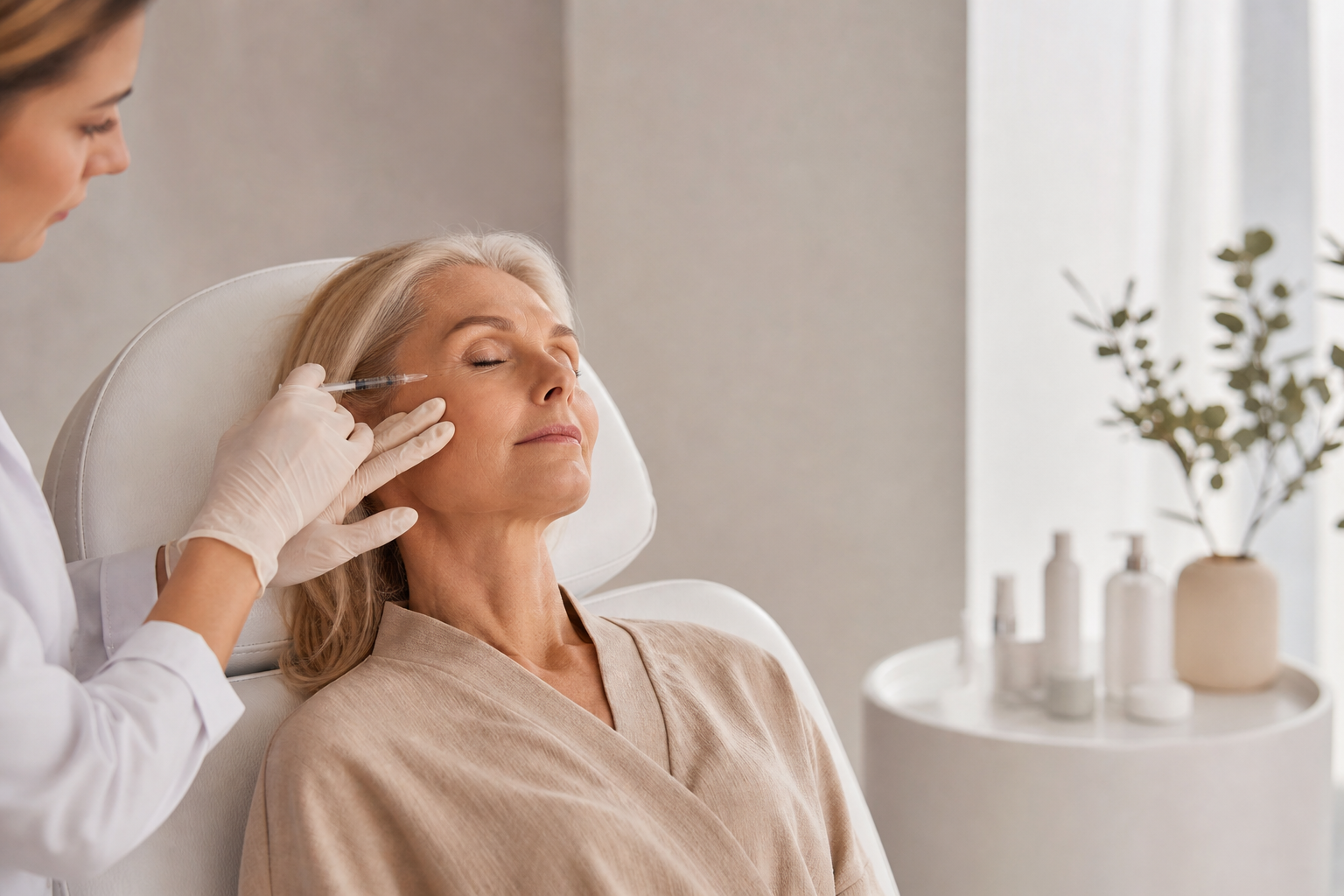
Menopause is a significant phase in a woman's life marked by profound hormonal shifts, primarily the decline in estrogen levels, which brings about a myriad of physiological changes. Among the most noticeable and personally impactful are the transformations taking place in the skin. This transitional period often ushers in alterations in skin texture, hydration, elasticity, and the appearance of wrinkles and fine lines—all reflections of the underlying hormonal and metabolic changes. For many women navigating menopause, addressing these skin changes becomes a priority, fueling interest in effective, minimally invasive treatments that can restore a youthful appearance and enhance confidence.
In this landscape, Botox has emerged as a noteworthy intervention, widely recognized for its efficacy in aesthetic medicine. Yet, its specific role and benefits during menopause invite thorough exploration. What can Botox realistically achieve for menopausal skin? How does it integrate with the complex needs of skin undergoing hormonal changes? What safety considerations are paramount given the unique context of menopause? This article aims to provide a detailed, expert perspective on the utilization of Botox for skin changes in menopause, framed within the broader discourse on Botox's applications across different life stages.
By unpacking the physiological underpinnings of menopausal skin transformations and demystifying the mechanism of Botox, we seek to clarify realistic expectations and outline guidelines for safe, effective treatment. Our goal is to empower women with knowledge that supports informed decision-making and fosters optimized skin care during this pivotal period.
Understanding Skin Changes During Menopause: Hormonal Influence on Structure and Function
The skin is a dynamic organ whose integrity and youthful qualities are intricately tied to hormonal balance. Estrogen plays a pivotal role in maintaining skin thickness, moisture, elasticity, and collagen content. As menopause advances and estrogen production declines sharply, a cascade of changes unfolds at both molecular and cellular levels, profoundly affecting skin health.
One of the most critical consequences of reduced estrogen is diminished collagen synthesis. Collagen and elastin fibers furnish the skin with strength and resilience, and their depletion leads to loss of firmness, increased sagging, and deeper wrinkle formation. Concurrently, sebaceous gland activity decreases, resulting in dryer skin that is more prone to irritation, roughness, and discomfort. The skin's ability to retain moisture is also impaired due to decreased levels of hyaluronic acid, exacerbating dryness.
Moreover, menopausal skin often displays heightened sensitivity and inflammation, partly owing to immune modulation during this life stage. The combination of oxidative stress, reduced cell turnover, and compromised barrier function potentiates visible signs of aging. These multilayered alterations necessitate therapeutic approaches that do not merely address superficial wrinkles but consider the underpinning hormonal etiology and skin physiology changes.
Botox Mechanism and Its Specific Application to Menopausal Skin Concerns
Botox, or botulinum toxin type A, is a neurotoxic protein that impedes neurotransmitter release at neuromuscular junctions, resulting in targeted muscle relaxation. In aesthetic practice, this translates to the smoothing of dynamic wrinkles—those formed or deepened by habitual facial expressions. Typically, these include crow's feet around the eyes, frown lines between the eyebrows, and horizontal forehead lines.
In menopausal skin, the primary aging concern is not only the static wrinkles from collagen loss but also dynamic wrinkles that have accentuated over years of facial muscle activity. Botox efficiently mitigates these by temporarily weakening the muscles responsible for wrinkle formation. While Botox does not stimulate collagen production or restore hydration directly, its ability to diminish repetitive muscle movements helps prevent the deepening and progression of lines, which can be particularly beneficial given the skin's diminished reparative capacity post-menopause.
However, optimal results in menopausal women often hinge on combining Botox with complementary treatments—such as dermal fillers to replenish lost volume and hydrating procedures to improve barrier function and resilience. Botox occupies a critical role within this multimodal framework by addressing the neuromuscular dimensions of aging while synergizing with therapies aimed at structural and functional restoration.
Realistic Expectations and Limitations of Botox for Women in Their Fifties and Beyond
It is essential for women experiencing menopausal skin changes to approach Botox treatment with a clear understanding of what it can and cannot achieve. Botox excels at reducing wrinkles caused by muscle contraction but has limited impact on wrinkles formed due to sagging skin, volume loss, or texture changes.
The effects of Botox are temporary, generally lasting four to six months, necessitating maintenance treatments to sustain benefits. Moreover, because menopausal skin has undergone substantive structural remodeling, Botox may not restore the youthful suppleness of earlier decades but rather serves to smooth dynamic wrinkles and prevent new ones from deepening. Therefore, it should be viewed as a component of an overall anti-aging strategy rather than a standalone solution.
Another consideration is the increased variability in skin response among menopausal women, as factors like chronological age, genetics, lifestyle, and health status influence treatment outcomes. Consequently, individualized assessment and treatment planning by an experienced specialist are imperative to maximize efficacy and minimize disappointments.
Critical Safety Considerations and the Role of Specialist Consultation in Menopausal Botox Treatments
Safety in administering Botox during menopause is contingent upon comprehensive patient evaluation and meticulous procedural execution. Although Botox is widely regarded as safe, menopause can introduce unique variables such as altered immunological status, hormonal fluctuations, and comorbidities that may influence treatment safety and effectiveness.
Women should disclose their full medical history, current medications, and any dermatological issues to their practitioner. Screening for contraindications or potential interactions is crucial in preventing adverse effects. Moreover, the practitioner’s expertise in recognizing menopausal skin characteristics and tailoring injection techniques accordingly plays a pivotal role in ensuring natural-looking results.
The consultation process also provides an invaluable opportunity to set realistic goals, discuss post-treatment care, and establish a maintenance schedule aligned with the woman’s lifestyle and preferences. This collaborative dialogue fosters trust and optimizes satisfaction, affirming the indispensability of specialist guidance.
Integrating Botox into a Holistic Skincare Regimen During Menopause
Menopausal skin demands a multifaceted care approach that addresses hydration deficits, collagen loss, sensitivity, and muscle dynamics. Botox, when appropriately incorporated, enhances this regimen by minimizing the contribution of facial muscle movements to wrinkle development.
Complementary interventions often include topical agents rich in antioxidants, peptides, and retinoids to stimulate collagen synthesis and support skin renewal; hyaluronic acid-based products to improve moisture retention; and dermal fillers to compensate for volume depletion. Lifestyle measures like sun protection, balanced nutrition, and adequate hydration further reinforce skin health.
Such an integrated strategy not only improves aesthetic outcomes but also empowers women to engage proactively with their skin's evolving needs during menopause, aligning treatment with broader wellness goals.
Distinct Features of Preventive versus Restorative Botox Approaches Across Lifespan
Botox application spans a broad age range, with varying objectives tailored to life stage. In younger adults, preventive Botox aims to curtail the formation of dynamic wrinkles by moderating muscle activity early on, potentially delaying the onset of visible aging. This approach targets distinct treatment zones and generally involves lower dosages.
For menopausal women, Botox assumes a restorative and corrective role, focusing on existing wrinkles and enhancing skin appearance in the context of hormonal decline. Here, the treatment plan accounts for altered skin physiology and often integrates other modalities to address concurrent volumetric and textural changes.
This differentiation underscores the evolving function of Botox—from preventive maintenance to rejuvenative intervention—highlighting the necessity for age-specific expertise in application and patient counseling.


