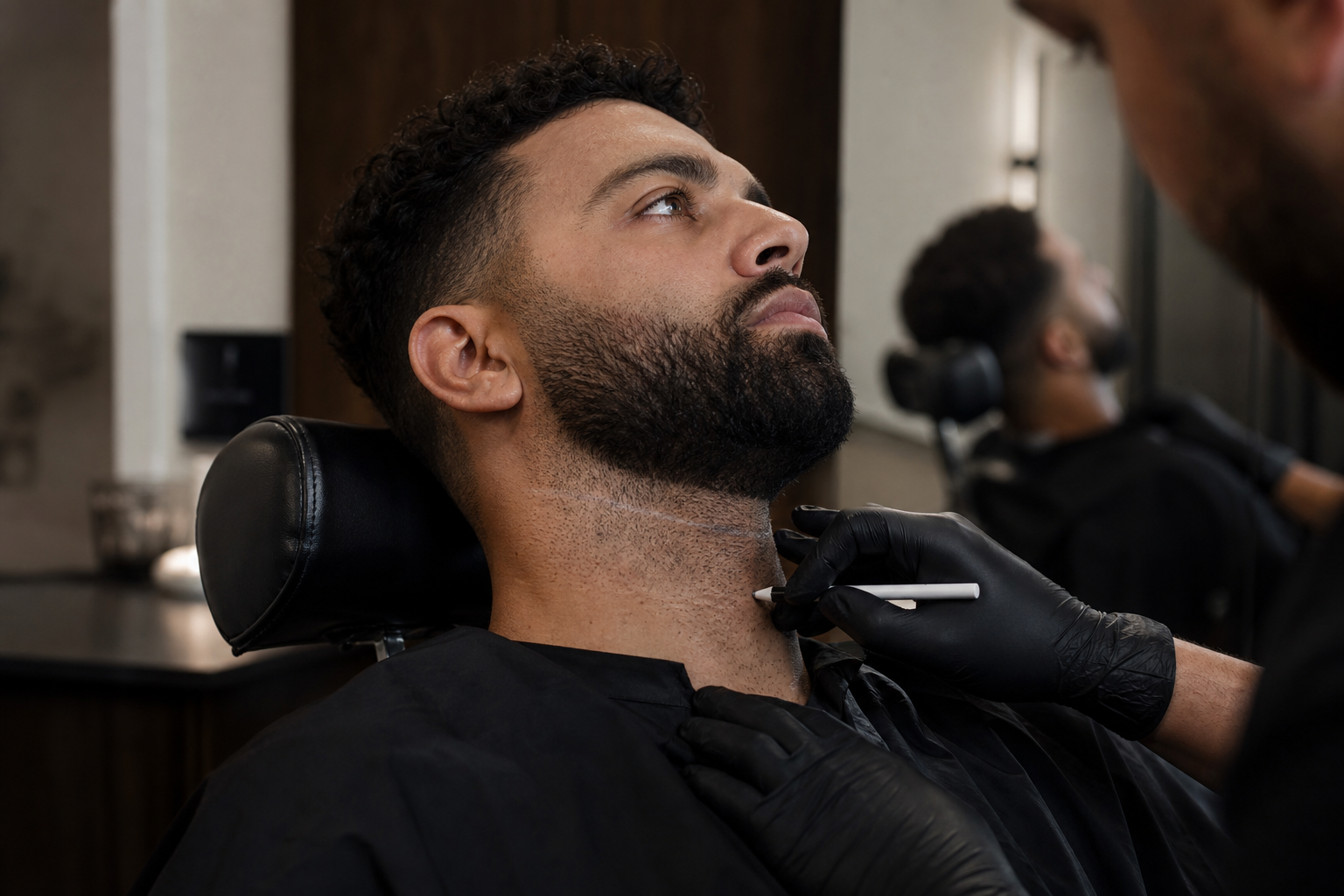
Neck laser hair removal for men has become an increasingly sought-after treatment within the realm of advanced cosmetic procedures. Unlike general laser hair removal, the neck area presents unique challenges due to the distinct hair growth patterns, density, and sensitivity specific to male skin. This treatment caters directly to men who struggle with undesired hair on both the front and back of the neck, facing issues such as irritation from shaving, ingrown hairs, and difficulty maintaining natural hairline boundaries around the beard and hairline.
Understanding neck laser hair removal for men requires appreciating its tailored approach—preserving masculinity and natural line shaping while offering a lasting solution to grooming frustrations. Whether you are a man battling frequent razor burn or an athlete seeking a smooth and comfortable skin surface, neck laser hair removal represents a refined option that transcends mere aesthetics. It combines both practical benefits and confidence-enhancing results, making it significant for a wide demographic of male clients.
This comprehensive article explores all facets of neck laser hair removal specific to men: the anatomical and physiological considerations of male neck hair, how this treatment differs from full beard laser hair removal, the preparation and aftercare essential for effective results, and targeted insights based on skin phototype and sensitivity. We will also delve into realistic expectations and maintenance, helping men make informed decisions about investing in this specialized laser procedure.
What Makes Neck Laser Hair Removal for Men Unique?
Laser hair removal on the male neck differs substantially from procedures performed on other areas such as the beard or chest. Most notably, the neck exhibits a distinct hair distribution and growth direction that influences treatment plans. Male neck hair tends to be coarser, denser, and grows in variable directions, often contributing to difficult shaving conditions and localized irritation.
This area demands precise delimitation of treatment boundaries—front and back of the neck—especially respecting the natural contours of the beard line and hairline. Unlike complete beard removal, neck laser treatments focus on eliminating unwanted patches of hair without disrupting the holistic appearance of facial hair. This preserves a groomed yet natural aesthetic that most men desire.
Furthermore, neck skin generally shows a different sensitivity profile compared to other body parts. It can be more susceptible to redness and inflammation following mechanical hair removal methods like shaving or waxing, rendering laser a preferred alternative for men prone to skin irritation and ingrown hairs. The treatment emphasizes harmonizing effectiveness with skin safety.
Who Benefits Most from Neck Laser Hair Removal?
Men facing persistent challenges with neck hair often seek laser treatment for several intertwined reasons. One primary group includes those with thick, dark hair on the neck, leading to frequent razor bumps and ingrown hairs that impair comfort and confidence. Athletes and bodybuilders are another segment, valuing the hygienic and aesthetic benefits of a smooth neck that reduces friction and sweat-related discomfort.
Professionals and individuals concerned with their grooming standards also find laser hair removal highly advantageous. Eliminating the daily ritual of shaving decreases irritation, saves time, and contributes to a more polished look. Additionally, men with particularly sensitive skin or tendencies toward folliculitis may find laser therapy reduces these issues by targeting the root cause—hair follicles themselves.
Importantly, men considering neck laser hair removal should understand this treatment differs from full beard removal. If complete facial hair reduction is not desired, but rather defined control over neck hairlines, laser treatment offers a targeted approach. Consulting with a specialized clinician ensures the procedure aligns with personal grooming goals and skin characteristics.
Understanding Natural Hairline Shaping and Growth Patterns in Men’s Neck Hair
Natural hairline shaping is central to achieving satisfying outcomes with neck laser hair removal. In men, the transition from beard to neck hair is often marked by subtle gradations rather than stark lines. The hair’s growth direction can vary, with some follicles angled upward, others downward, creating a complex pattern that manual shaving cannot easily replicate.
Treatment planning involves detailed mapping of these growth vectors to ensure the laser targets unwanted hair without erasing natural boundaries. This includes defining the front neck area beneath the jawline, the traditionally smooth zone behind the ears, and the posterior neck where hair density commonly increases.
Phototype evaluation—assessing skin tone and hair color—is also vital because laser effectiveness and safety vary according to melanin content. For example, light skin with dark hair typically responds best, whereas darker skin tones require specialized laser types and settings to minimize risks such as hyperpigmentation or burns.
How Does Neck Laser Hair Removal Work in Male Skin?
Laser hair removal employs concentrated light beams that selectively target melanin within hair follicles. The absorbed energy converts into heat, damaging follicle cells and inhibiting future hair growth. In men’s neck skin, adjustments are made to accommodate hair coarseness and color while safeguarding sensitive tissue.
Due to variability in follicle density and growth cycles, multiple sessions are necessary—typically ranging from six to ten treatments spaced four to six weeks apart. This schedule targets hair in the active growth phase when follicles are most susceptible to laser energy.
Advanced devices integrate cooling mechanisms to alleviate discomfort and protect the epidermis. Operators also tailor pulse durations and intensities based on individual skin and hair characteristics. This meticulous customization enhances efficacy while mitigating side effects such as redness or swelling.
Preparation Before Neck Laser Hair Removal
Proper preparation is essential for optimizing treatment results. Men are advised to avoid sun exposure and tanning beds for several weeks prior, as increased pigmentation can interfere with laser targeting. The treatment area should be shaved 24 to 48 hours before the session to ensure laser energy reaches the follicle without obstruction from surface hair.
Importantly, waxing, plucking, or using depilatory creams is contraindicated before sessions because they remove the hair root necessary for laser interaction. Avoiding irritants such as harsh soaps, exfoliants, or perfumes on the neck area before and immediately after treatment helps minimize complications.
Discussing any medications or skin conditions with the practitioner ensures safe application of the laser therapy. Some medications or dermatological issues might necessitate adjusted protocols or temporary deferral of treatment.
What to Expect During a Neck Laser Hair Removal Session
During the treatment, the patient typically experiences a mild sensation similar to snapping rubber bands against the skin. Modern technology incorporates cooling gels or integrated cooling devices to enhance comfort. The procedure duration varies but usually lasts between 15 to 30 minutes for full neck coverage.
Clinicians prioritize precise delineation of treatment areas, carefully avoiding the beard and hairline regions intended to remain intact. Protective eyewear safeguards vision from laser exposure. Most men tolerate the procedure well, though sensitivity may be higher in particular zones of the neck.
Post-session, slight redness or swelling is common but generally subsides within hours. Painkillers are seldom required. Follow-up sessions are scheduled to coincide with hair regrowth cycles, ensuring comprehensive follicle disruption.
Maintenance and Aftercare Following Laser Hair Removal
Aftercare significantly influences the longevity of laser hair removal outcomes. Men should apply soothing creams prescribed by their clinicians and avoid excessive heat such as hot showers, saunas, or strenuous workouts for at least 24 to 48 hours to prevent irritation.
Excluding the treated area from sun exposure is critical—sunburn can lead to pigmentation changes and reduce treatment effectiveness. Using broad-spectrum sunscreen with a high SPF protects the skin during this vulnerable period.
Continued shaving is permissible but should be done gently with clean, sharp razors to avoid trauma. Over time, many men notice significant reduction in shaving frequency as hair density declines. Periodic touch-up sessions might be recommended once or twice yearly to maintain smoothness.
Addressing Common Concerns About Neck Laser Hair Removal for Men
Is laser hair removal more painful for men? Sensitivity varies individually, but given men’s typically thicker and denser neck hair, they may experience slightly more discomfort compared to women. However, technological advances in laser systems and cooling techniques have greatly minimized pain across all users.
Do men require more sessions than women? Due to hair thickness and hormonal influences, men often undergo additional sessions. Nonetheless, treatment plans are highly personalized, with variable total count based on hair type, skin tone, and adherence to care recommendations.
How does neck laser hair removal differ from beard removal? The neck procedure concentrates on hair below the jawline and surrounding the neck area, preserving beard integrity. In contrast, beard removal addresses large facial zones with distinct laser settings and coverage.
Can laser treatment prevent ingrown hairs? Yes, by targeting and disabling hair follicles, laser reduces the likelihood of hairs curling back under the skin, thereby mitigating irritations and infections common in shaved neck skin.
How long will results last? Many men enjoy long-lasting to permanent hair reduction, though individual responses vary. Maintenance sessions ensure continued smoothness over time.


