In the ever-evolving world of aesthetic medicine, non-surgical facial rejuvenation has emerged as a transformative option for those seeking to refresh their skin without the downtime or risks associated with surgery. Among the most prominent and effective modalities are RF lifting, known scientifically as radiofrequency skin tightening, and laser skin rejuvenation. Both techniques offer promising results in improving skin texture, elasticity, and overall youthfulness, yet they operate via fundamentally different mechanisms and cater to distinct skin concerns.
This comprehensive exploration of RF lifting versus laser rejuvenation aims to demystify these advanced skin therapies, elucidating their principles, benefits, limitations, and ideal applications. It is crafted to serve not only individuals contemplating non-invasive anti-aging solutions but also professionals in dermatology and cosmetic practice seeking to deepen their understanding of these technologies. By highlighting key differences and practical considerations, this article facilitates informed decision-making tailored to personal skin profiles and aesthetic goals.
Understanding these treatments thoroughly matters because the market is saturated with options, and misconceptions abound. Selecting the most appropriate procedure impacts not just the immediate outcome but also long-term skin health and patient satisfaction. Whether one desires gentle skin revitalization or more pronounced correction of aging signs, grasping the nuances between RF lifting and laser rejuvenation is essential for setting realistic expectations and optimizing results.
What Is RF Lifting and How Does Radiofrequency Skin Tightening Work?
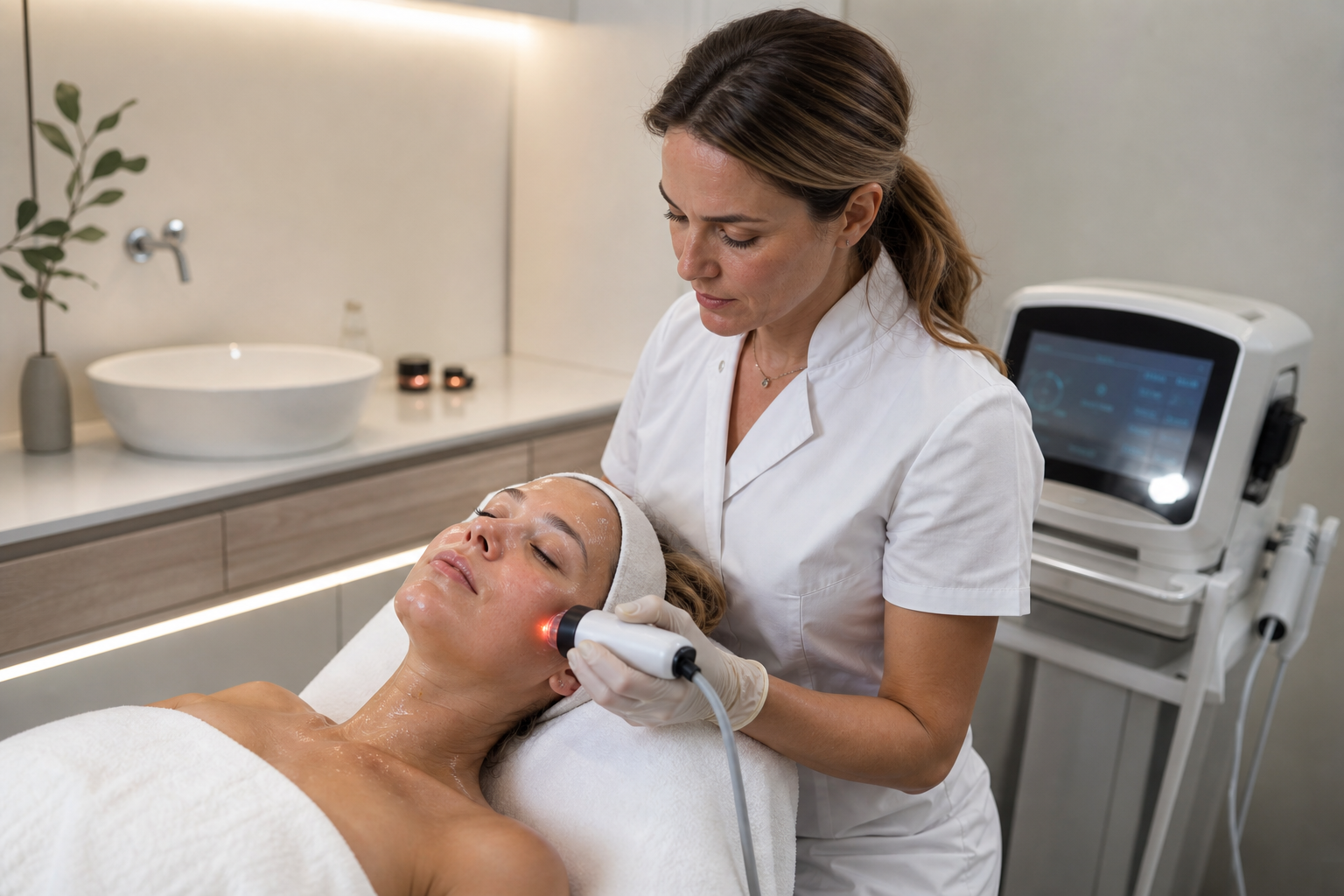
RF lifting encompasses a range of procedures that employ radiofrequency energy to stimulate natural skin renewal processes by gently heating the deeper dermal layers. Unlike treatments targeting the skin surface, RF energy penetrates below without damaging the epidermis, thereby inducing fibroblast activity. Fibroblasts, the key skin cells responsible for producing collagen and elastin, respond by creating new structural proteins that enhance firmness and elasticity.
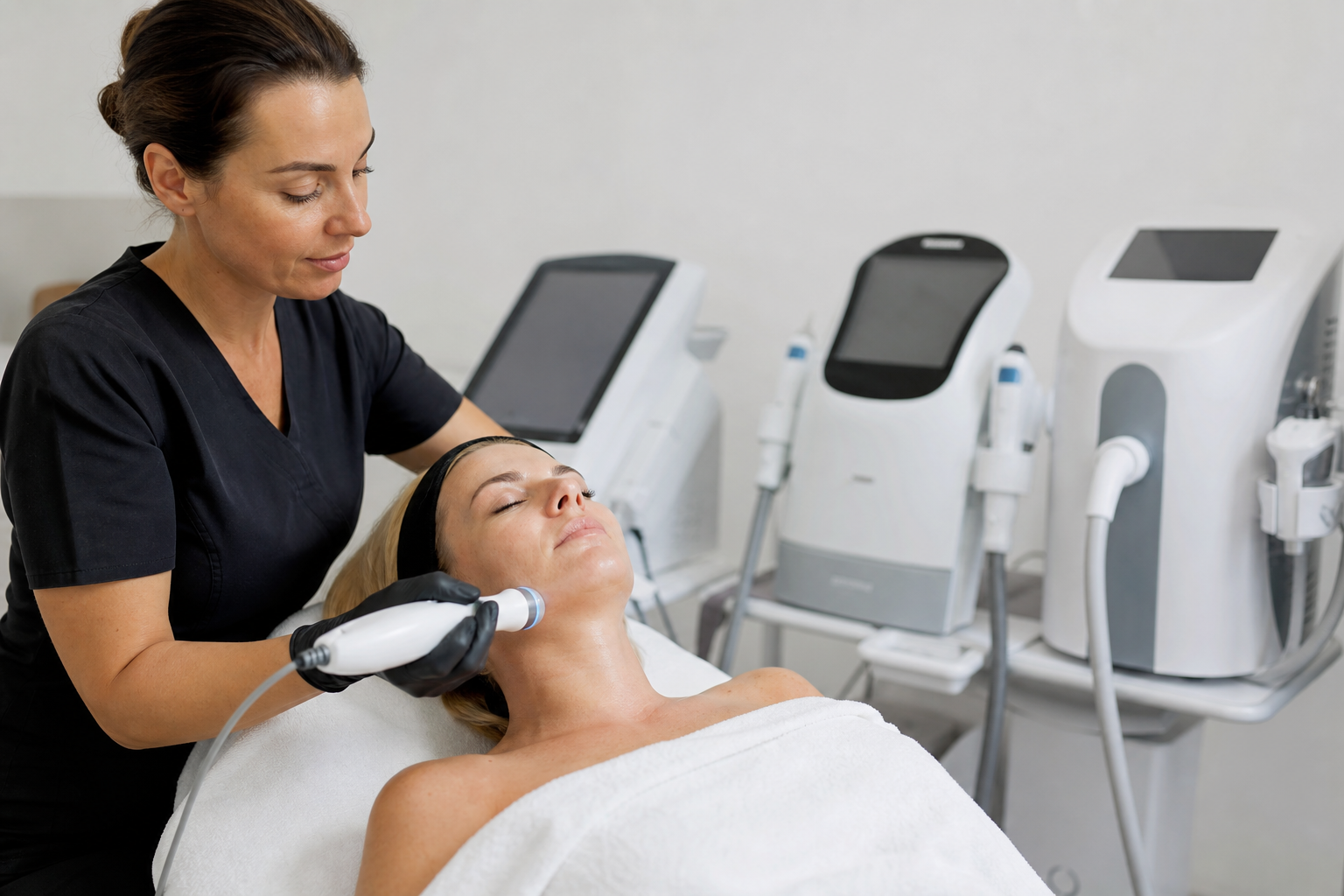
The modalities within RF lifting vary in invasiveness and technique. Non-invasive RF treatments use external devices emitting energy across the skin surface, ideal for gradual improvements with no recovery time. Fractional RF without needles applies focused radiofrequency waves in a pixelated pattern, stimulating collagen synthesis with enhanced precision while preserving healthy tissue. RF microneedling combines the benefits of microinjury caused by tiny needles with RF energy delivered inside the skin, magnifying collagen induction and yielding more significant rejuvenation effects. More invasive micro-needle RF options may briefly disrupt the skin barrier to address deeper laxity and fat deposits but entail short recovery periods.
It is important to recognize that RF lifting is not a surgical facelift replacement. Instead, it offers subtle, natural-looking skin tightening and revitalization suitable for those with mild to moderate skin laxity or early signs of aging. The technology's appeal lies in its safety profile, minimal to absent downtime, and ability to complement other cosmetic treatments.
How Does Laser Rejuvenation Operate and What Technologies Are Involved?
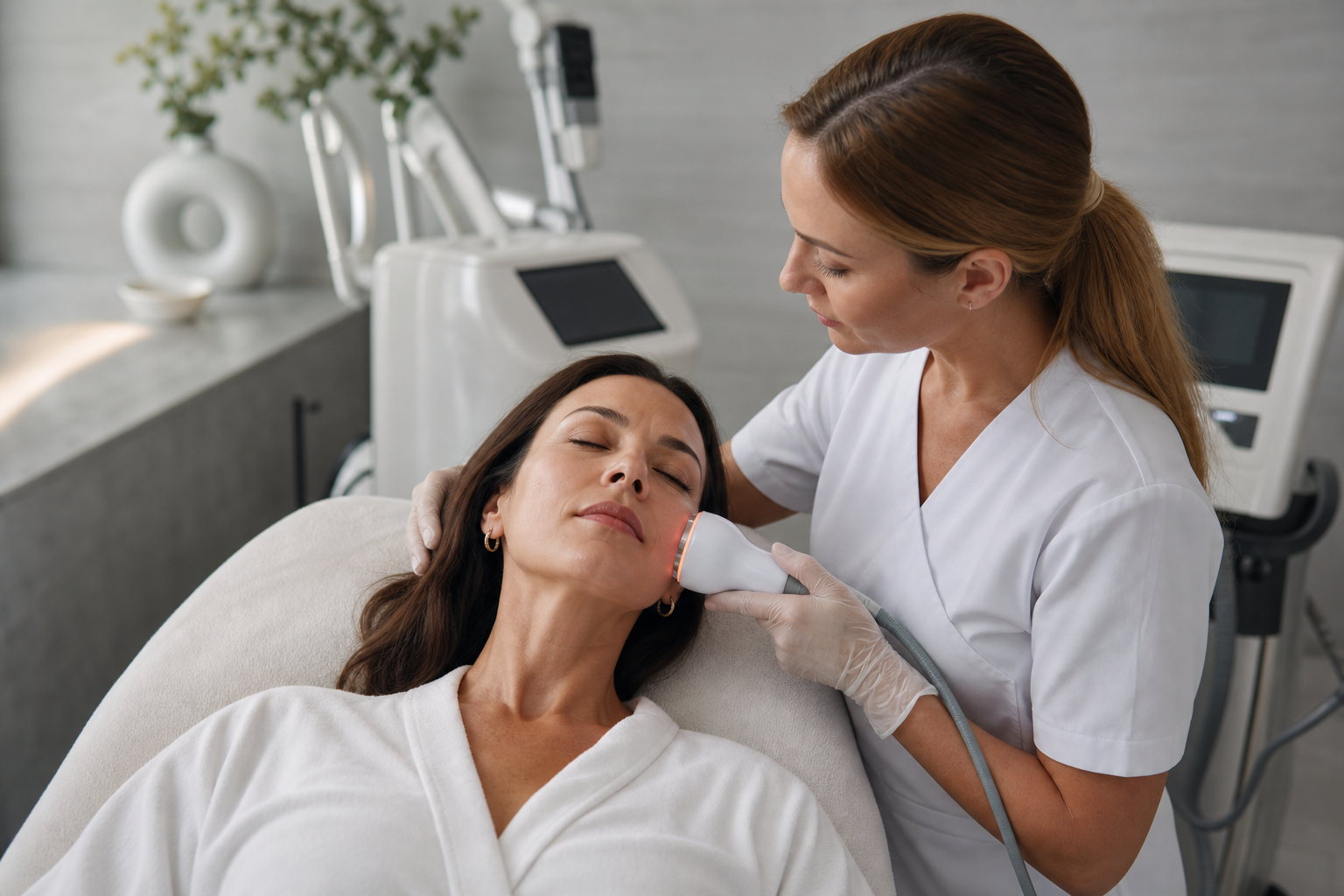
Laser skin rejuvenation utilizes concentrated, coherent light beams targeting cutaneous tissues to provoke controlled skin remodeling. By inflicting microscopic, intentional injuries either on the surface or within deeper layers, laser therapy triggers the skin's wound healing cascade, accelerating collagen and elastin production and promoting cellular turnover.
Lasers used in rejuvenation fall primarily into two categories: ablative and non-ablative. Ablative lasers remove or vaporize the upper skin layers, making them highly effective for addressing pronounced wrinkles, pigmentation irregularities, and scars, but they involve longer recovery periods with redness, peeling, and swelling. Non-ablative lasers, conversely, heat the dermis beneath intact epidermis to induce collagen growth with minimal surface damage and quicker healing.
This spectrum of laser modalities allows clinicians to customize treatments based on patient needs, tolerances, and desired outcomes. The ability of lasers to improve complex textural concerns and pigmentation disorders often makes them the treatment of choice for deeper wrinkles, acne scarring, and uneven skin tone, albeit with the trade-off of needing downtime and more intensive post-procedure care.
What Are the Core Differences Between RF Lifting and Laser Skin Rejuvenation?
The fundamental distinction between RF lifting and laser rejuvenation resides in the type of energy employed and the consequent physiological effects. RF treatments harness electromagnetic radiofrequency waves to volumetrically heat dermal tissues, stimulating protein synthesis in a controlled but diffuse manner. Laser therapies use focused light energy that causes highly localized photothermal or photomechanical effects, creating micro-injuries that induce skin renovation.
Practically, this translates to differing intensities, depths of penetration, and recovery profiles. RF procedures are predominantly non-invasive, with little to no surface damage, enabling patients to quickly resume normal activities. Conversely, laser treatments—especially ablative variants—produce controlled surface trauma, leading to visible redness, peeling, and a necessary healing period. While lasers often deliver faster and more dramatic improvements in skin texture and pigmentation, RF is preferred for gradual tightening and enhancement of skin quality in sensitive or reactive skin types.
These distinctions influence treatment selection. RF lifting suits individuals seeking prevention or management of mild skin laxity and early aging signs, valuing comfort and convenience. Laser rejuvenation benefits those needing correction of deeper wrinkles, pigmentation variation, or scar remodeling and who can accommodate the associated recovery.
Who Are the Ideal Candidates for RF Treatments Versus Laser Rejuvenation?
RF lifting is particularly advantageous for patients aiming for gentle skin improvement without the burden of healing downtime. It is well suited for mature skin exhibiting sagging or loss of elasticity, individuals with sensitive or thin skin, and those concerned about potential pigmentary side effects. Its safety profile makes it accessible across a broad range of skin types and ethnicities.
On the other hand, laser rejuvenation tends to be reserved for patients presenting with more pronounced photoaging features, including deep wrinkles, persistent hyperpigmentation, and acne scars. Those with robust skin capable of tolerating temporary inflammation and who prioritize quicker, more visible enhancements may favor laser procedures. However, individuals prone to keloid formation, active skin infections, or certain skin types may be contraindicated or require cautious approach.
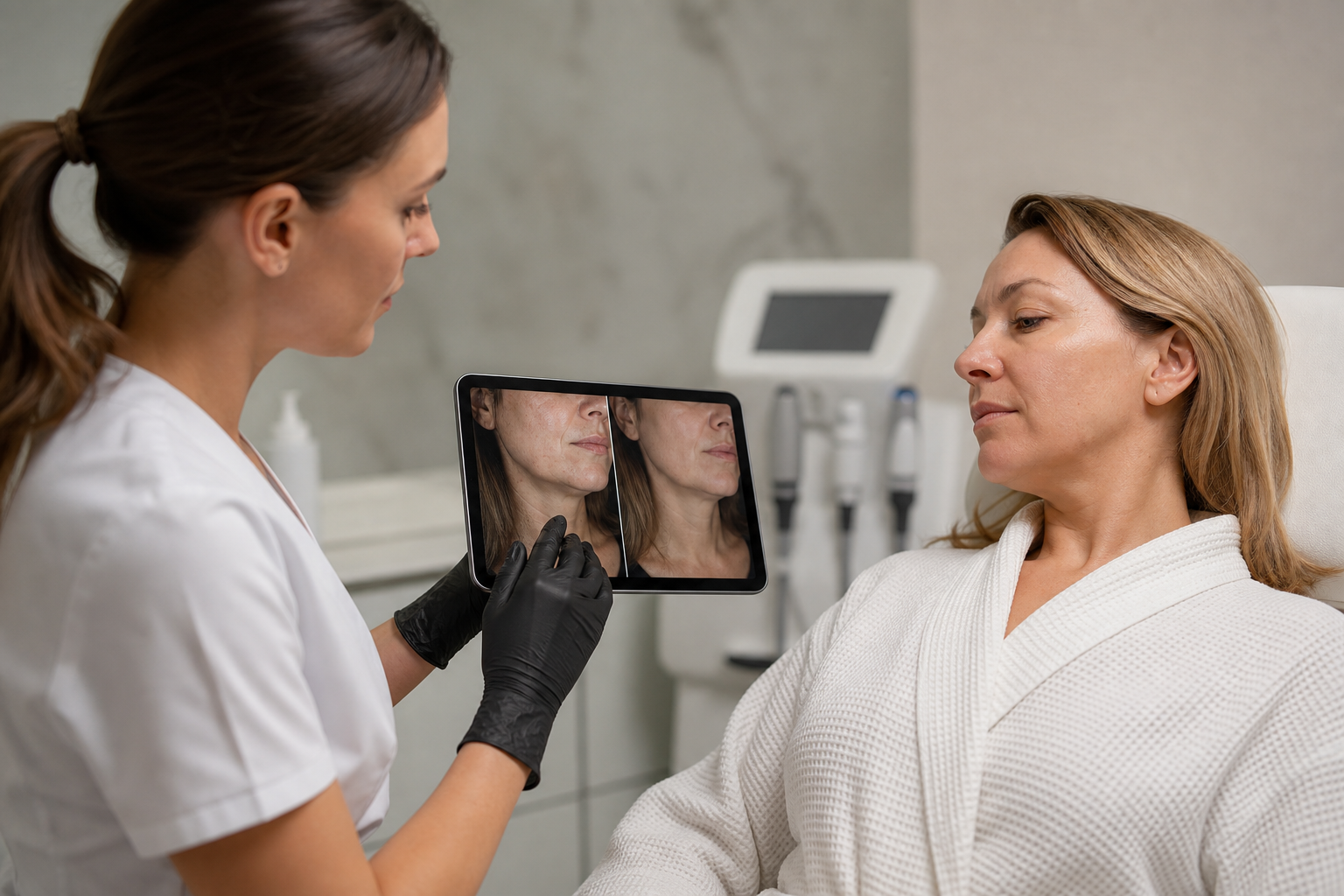
In all instances, thorough clinical assessment and skin analysis by a qualified professional are imperative to determine the most appropriate treatment regimen, mitigate risks, and tailor expectations to achievable outcomes.
What Are the Benefits and Limitations of the Various RF Lifting Techniques?
Non-invasive RF treatments offer a pain-free experience with no needed recovery, making repeated sessions feasible for cumulative skin enhancement. This suitability for maintenance makes them excellent for long-term skin quality preservation, though the incremental effects mean they may not suffice for advanced aging changes.
Fractional RF without needles introduces more focused heating, improving efficacy in collagen stimulation and skin tightening while retaining a solid safety margin and minimal discomfort. It occupies an intermediate position between non-invasive and micro-needle approaches, allowing greater rejuvenation with short-lived mild side effects.
RF microneedling represents a powerful tool combining mechanical stimulation via microinjuries and radiofrequency heating deep in the dermis. This synergy results in significant collagen remodeling, volume improvement, and remodeling of deeper skin structures, suitable for moderate skin laxity and texture irregularities. Some downtime, including redness or mild edema lasting a day or two, may occur.
Minimal invasive RF procedures address more challenging clinical indications such as localized fat deposits and advanced laxity. While these offer more substantial contouring benefits, they are accompanied by higher procedural complexity and recovery considerations compared with surface RF treatments.
How Should One Prepare for RF or Laser Skin Rejuvenation and What to Expect During and After Treatment?
Preparation for both RF and laser modalities begins with a professional skin evaluation to identify contraindications, skin type, and suitable treatment metrics. Patients are typically advised to avoid sun exposure, tanning beds, and aggressive skincare products (such as retinoids) for a period prior to treatment to minimize risks and optimize outcomes.
During an RF session, patients commonly experience a warm sensation over the treated area, sometimes described as comforting heat. The procedure duration varies according to the area size but is generally brief and tolerable without anesthesia.
Laser treatments, particularly ablative ones, may elicit sensations of prickling, stinging, or mild discomfort, which can often be managed with topical anesthetics or cooling devices. Post-treatment care involves diligent sun protection, hydration, and sometimes prescribed ointments to facilitate healing.
RF treatments generally allow immediate return to daily activities without visible marks, while laser procedures can involve visible redness, swelling, and peeling requiring a recovery phase ranging from several days to weeks depending on the laser type and intensity.
What Are Common Questions and Misconceptions About RF Lifting Versus Laser Rejuvenation?
A frequent inquiry is whether RF lifting can replace laser treatments entirely. While both promote skin rejuvenation, their distinct mechanisms and indications mean one does not supplant the other. They are, in fact, complementary, with combination protocols often yielding superior results.
Concerning longevity, neither RF nor laser treatments offer permanent correction akin to surgical facelifts. Maintenance sessions and skin care regimens are necessary to sustain benefits, and individual responses vary based on genetics, lifestyle, and skincare adherence.
Patients with sensitive or pigment-prone skin often ask which option is safer. Generally, RF lifting is gentler due to its non-ablative nature, causing limited epidermal disruption and thus fewer pigmentary complications, although individual evaluation remains key.